Le Déjeuner champètre au Schüpfenwald — History & Analysis
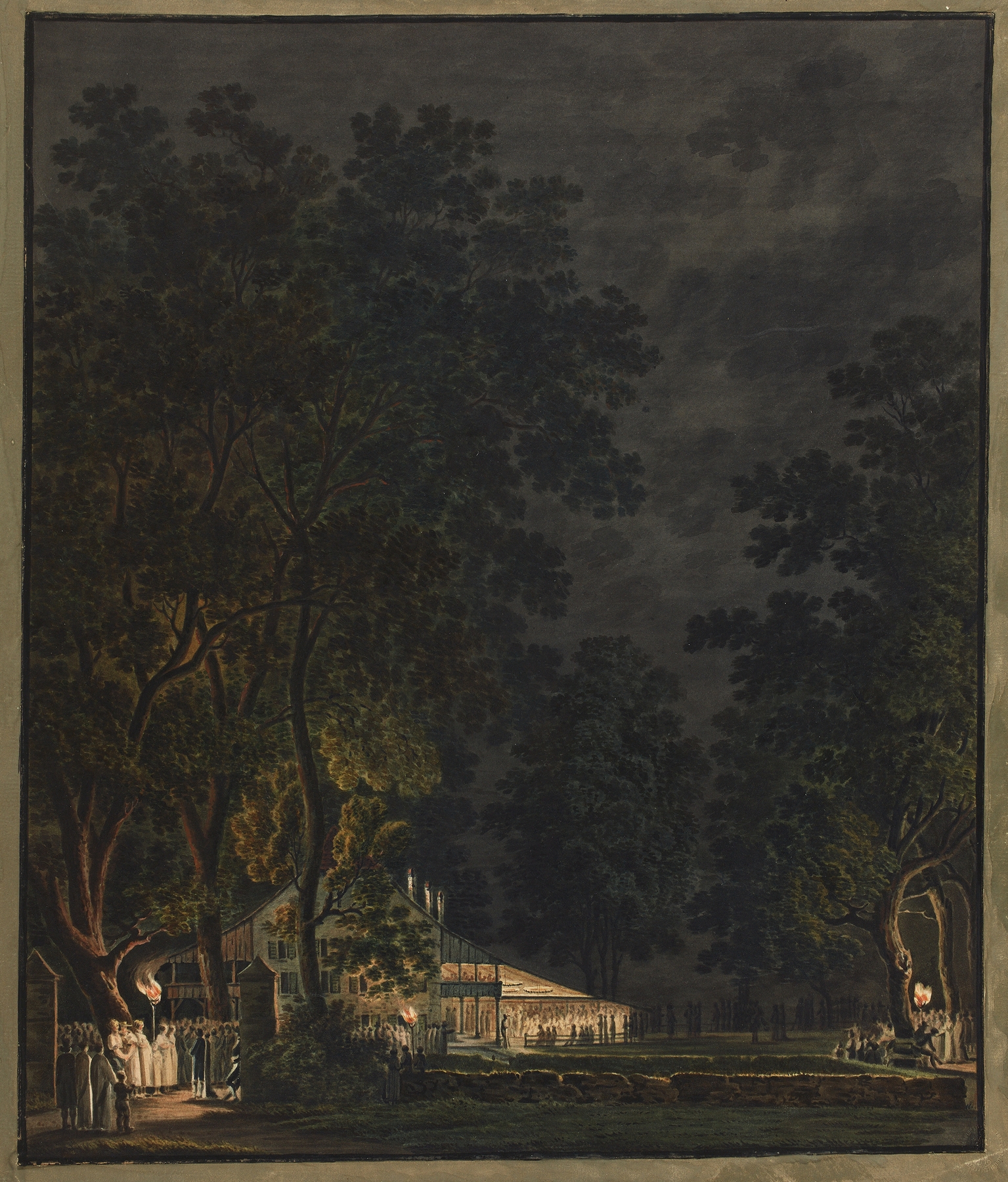
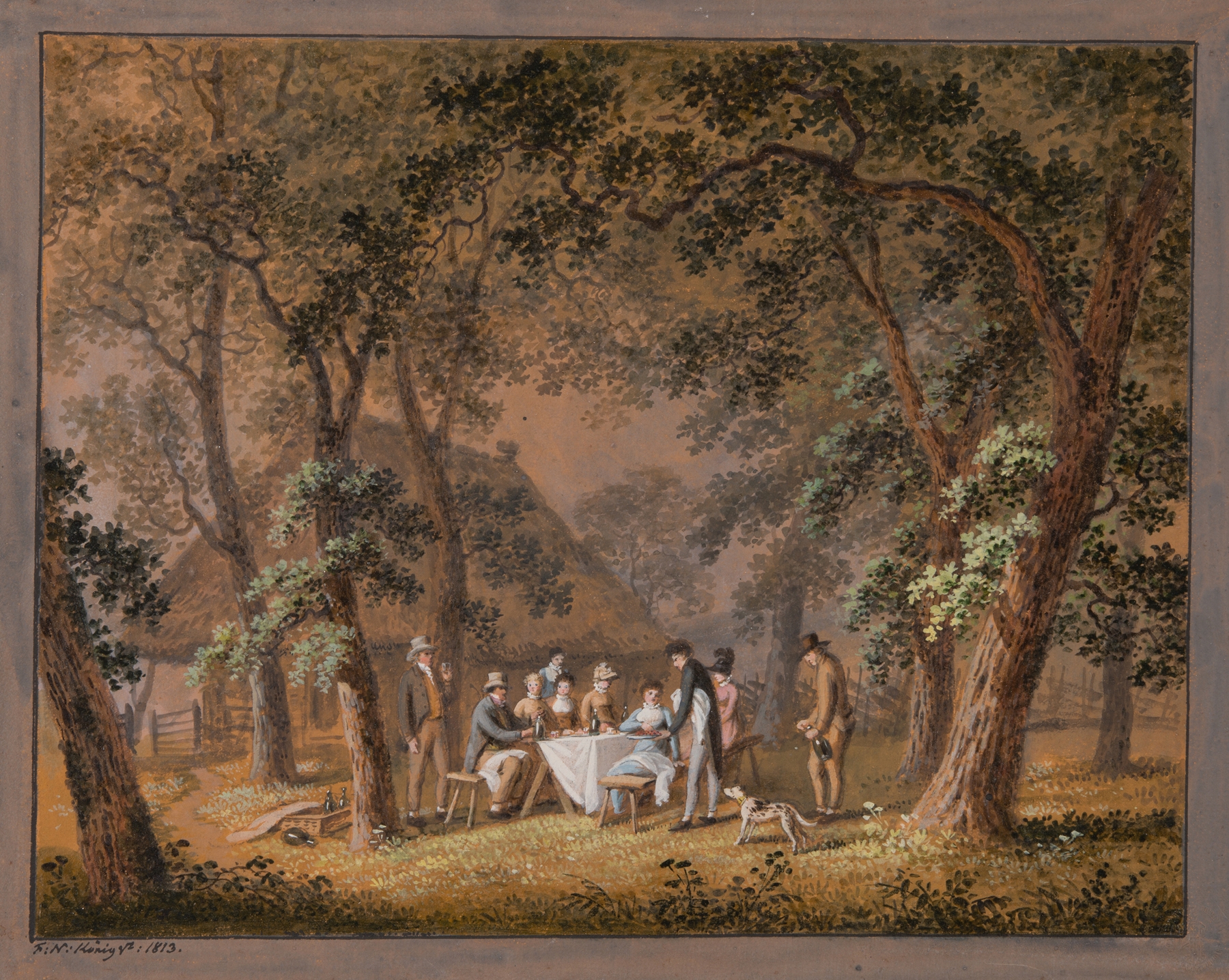
“Every silence here is a confession.” In the stillness of the forest, moments of transformation linger, waiting to be unveiled. The interplay of light and shadow suggests a world caught between fleeting time and the essence of being, inviting contemplation and introspection. Focus on the central figures, their luminous forms emerging from a backdrop of lush greens and soft browns. The dappled sunlight filters through the branches, illuminating their relaxed postures and vibrant attire.
Notice how the artist captures the essence of a carefree gathering with a palette that feels both earthly and ethereal, grounding the scene while hinting at the transcendence of this idyllic moment. Yet, beneath the cheerful surface, a subtle tension simmers. The juxtaposition of the joyous picnic against the encroaching shadows speaks to the fragility of peace during a tumultuous period. Each character's gaze, directed outward, hints at an awareness of the world beyond the canvas, suggesting that this tranquility may be fleeting.
The inclusion of the forest itself symbolizes a protective haven, offering respite from the transformations unfolding outside its borders. Created during the backdrop of World War II, this work reflects Franz Niklaus König's attempt to capture an essence of serenity amidst chaos. Painted in Switzerland between 1915 and 1945, it mirrors the artist’s own experience as he navigated the complexities of his homeland, which remained neutral while the world around it unraveled. This piece stands as a testament to the human spirit's resilience, offering a space to pause and reflect amidst the storm.