Le Havre — History & Analysis
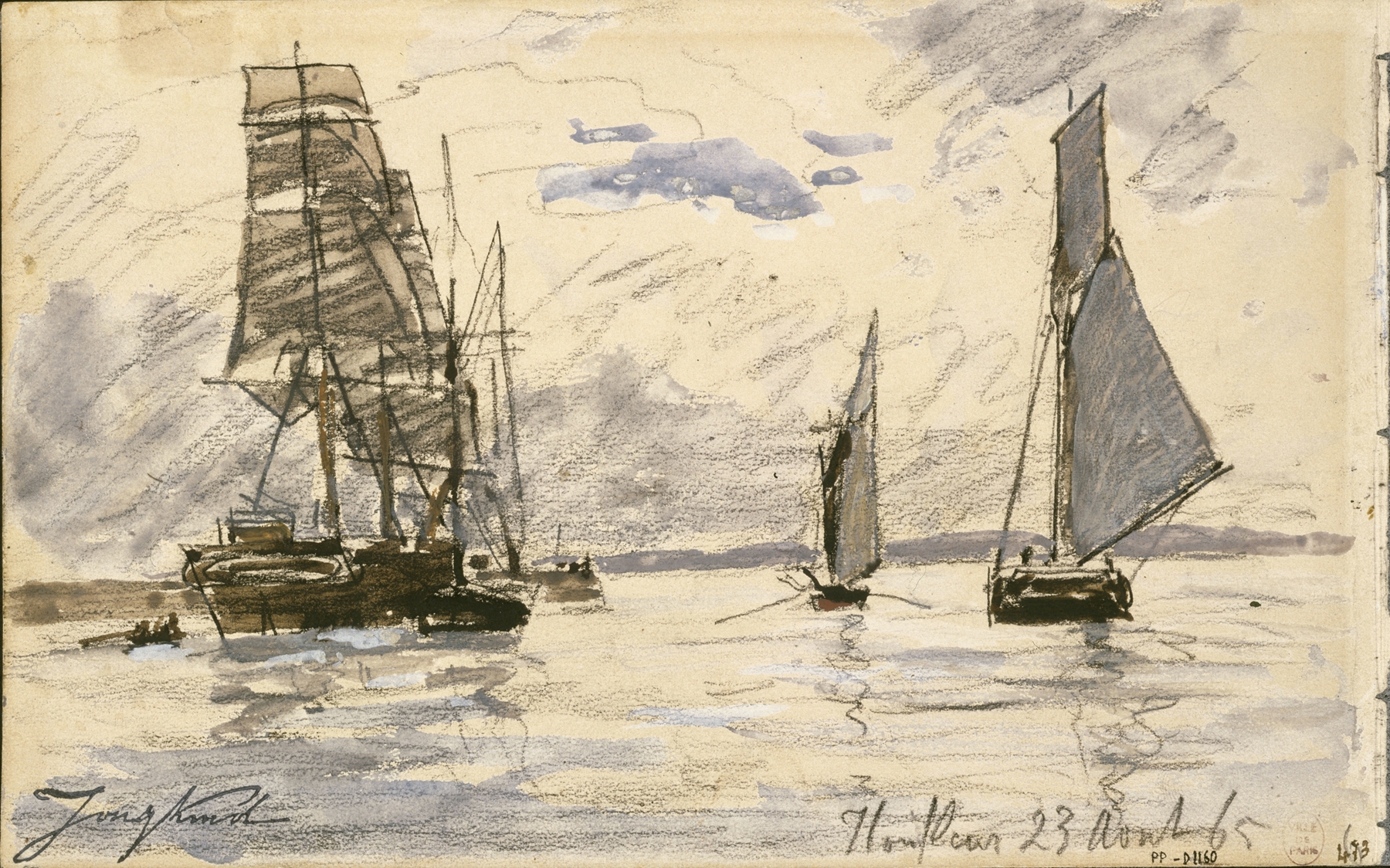
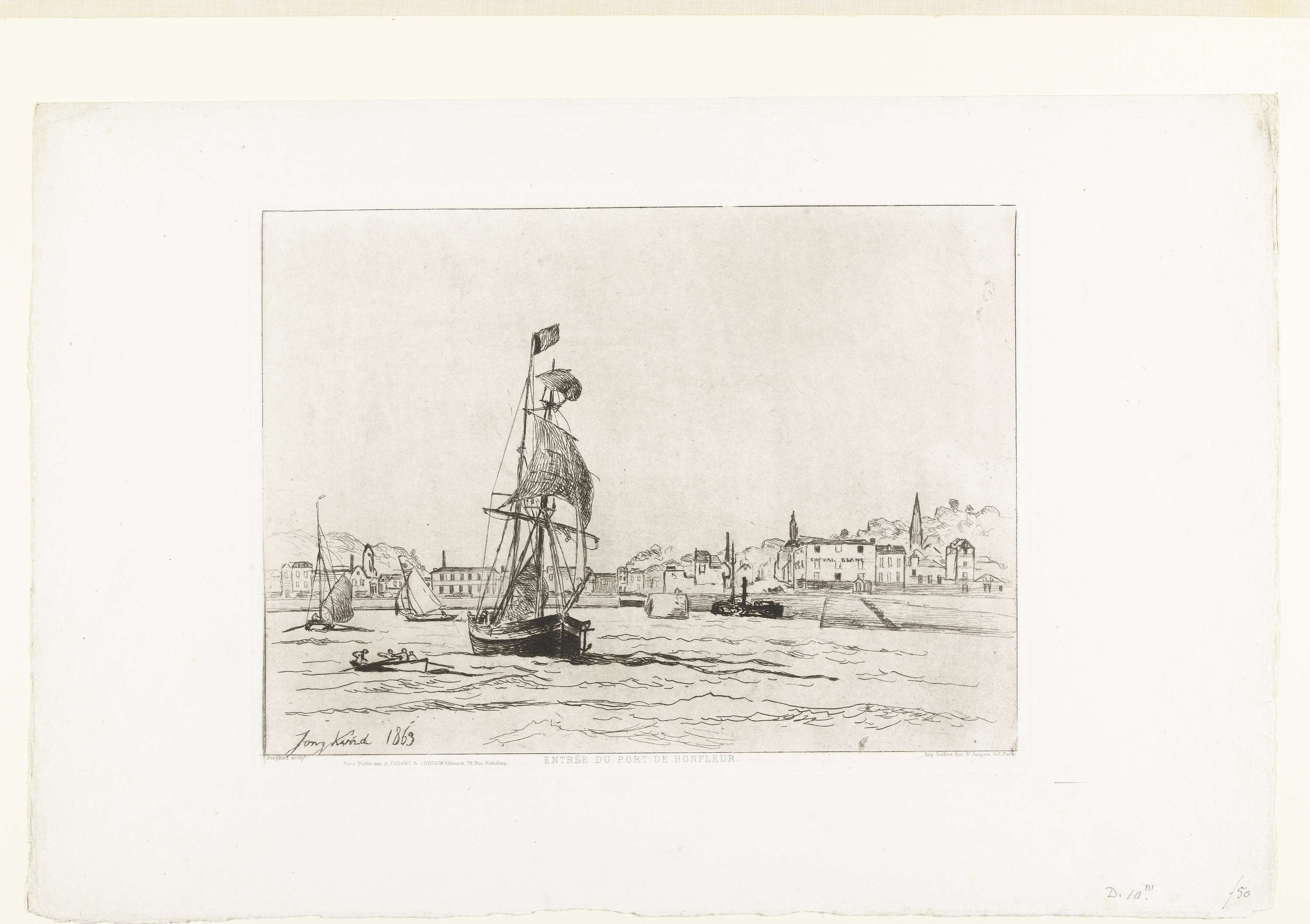
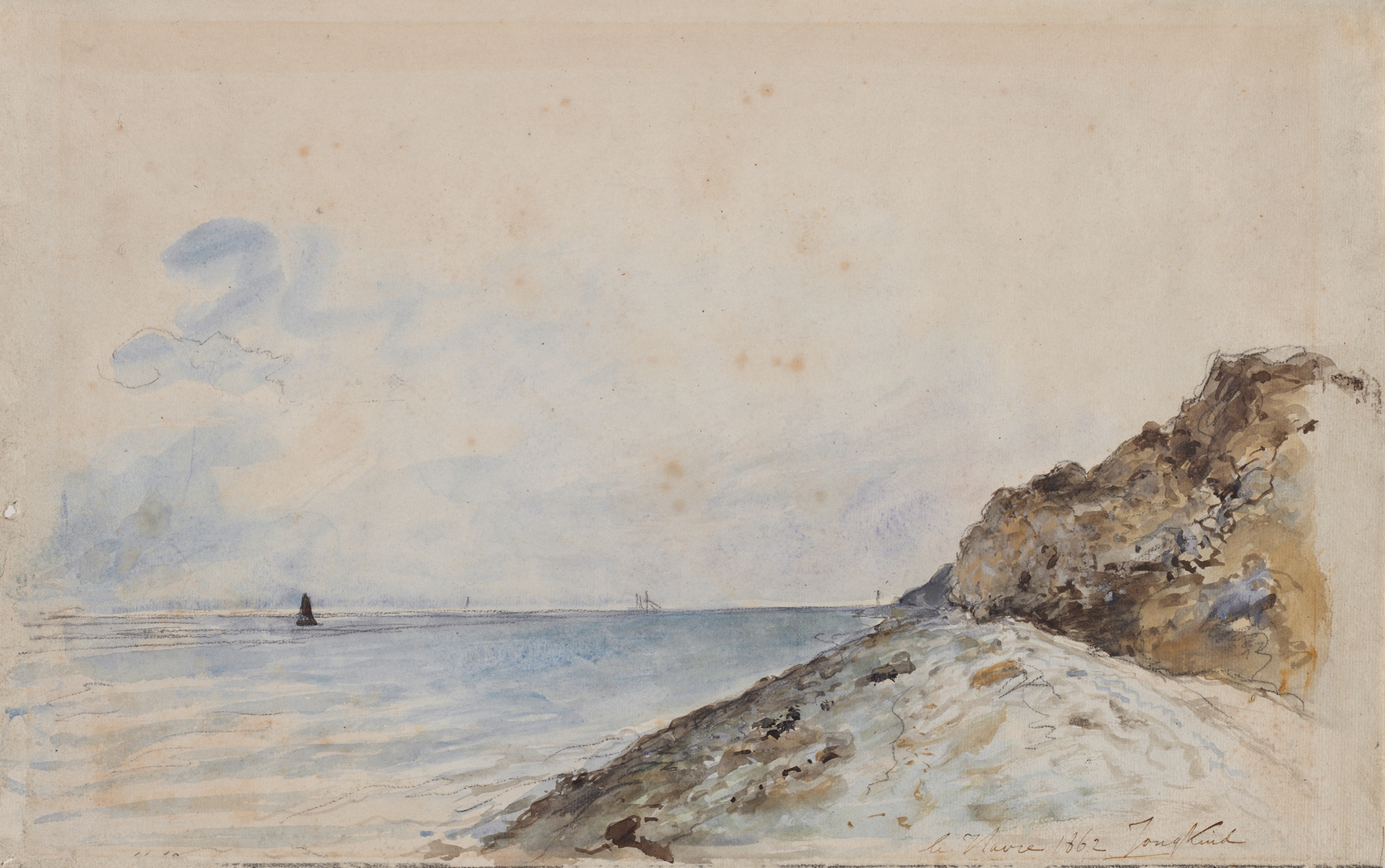
Who listens when art speaks of silence? In *Le Havre*, the beauty of a tranquil seaside moment unfolds, inviting reflection and contemplation. Look to the left at the gentle play of soft blues and muted grays that define the sky and water, creating a seamless horizon. The tiny boats, almost whimsical in their delicate forms, drift quietly across the canvas, their sails kissed by a whisper of wind. Notice how the light falls upon the surface of the water, casting shimmering reflections that bring life to the scene while simultaneously evoking a sense of stillness. The painter’s loose brushwork allows the colors to blend and bleed into one another, enhancing the atmosphere of serenity and inviting the viewer to linger. Beneath the calm exterior lies a juxtaposition of tension and harmony. The contrast between the bustling harbor and the stillness of the water hints at the transient nature of life; one can almost hear the distant sounds of industry obscured by the prevailing silence. The silhouetted figures on the shore are quiet observers, embodying a sense of longing or perhaps nostalgia. This poignant moment captures both the beauty of everyday life and the fleetingness of time, suggesting that in silence, profound emotions can reside. In 1862, at a time when the Impressionist movement was beginning to take shape, the artist was working in France, inspired by the changing light and landscape. Jongkind, often regarded as a precursor to Impressionism, focused on capturing the essence of a scene rather than mere detail. The world of art was evolving, and the artist's work reflected a shift towards capturing the ephemeral beauty of nature, setting the stage for future generations of painters.