Le lac — History & Analysis
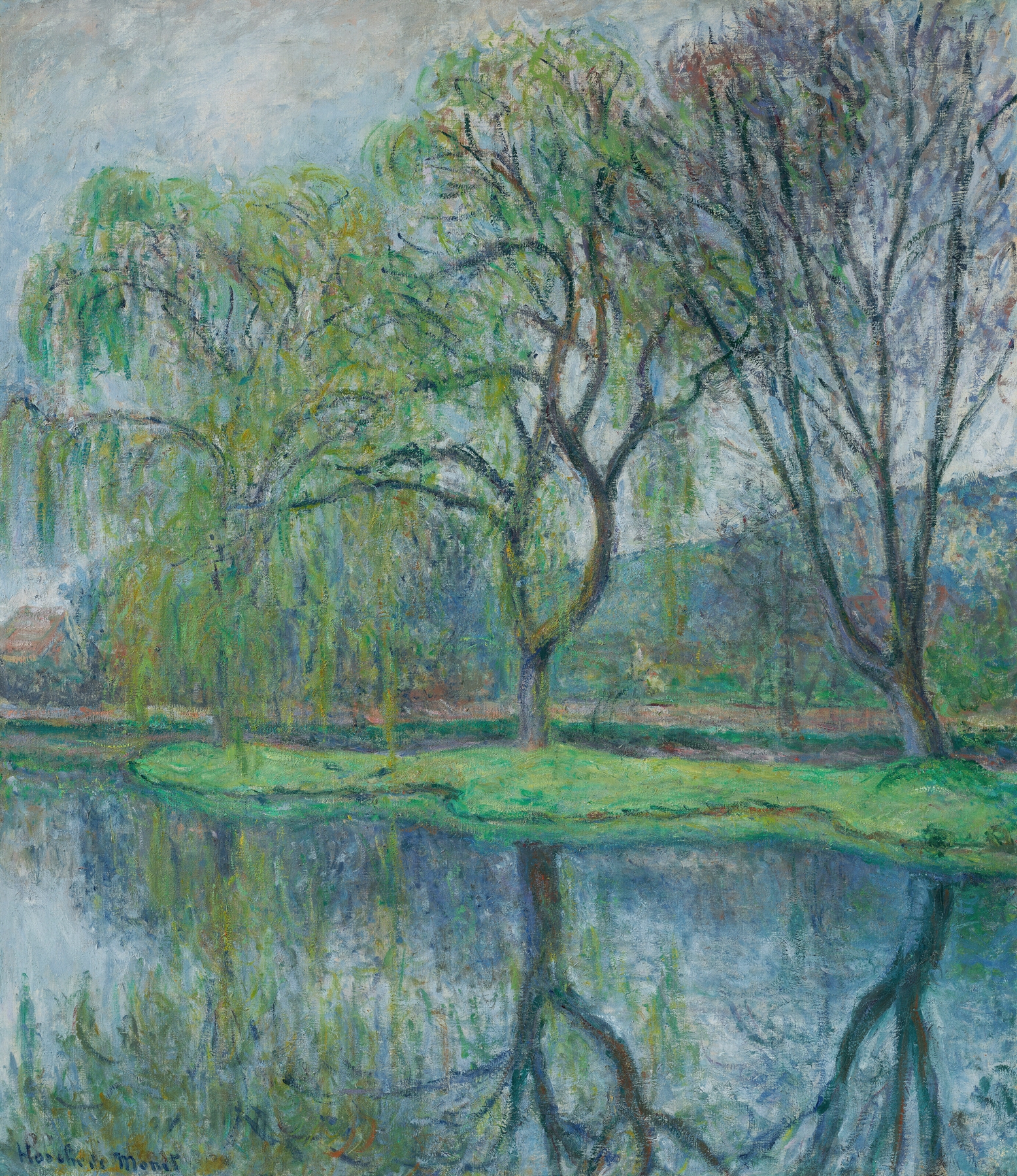
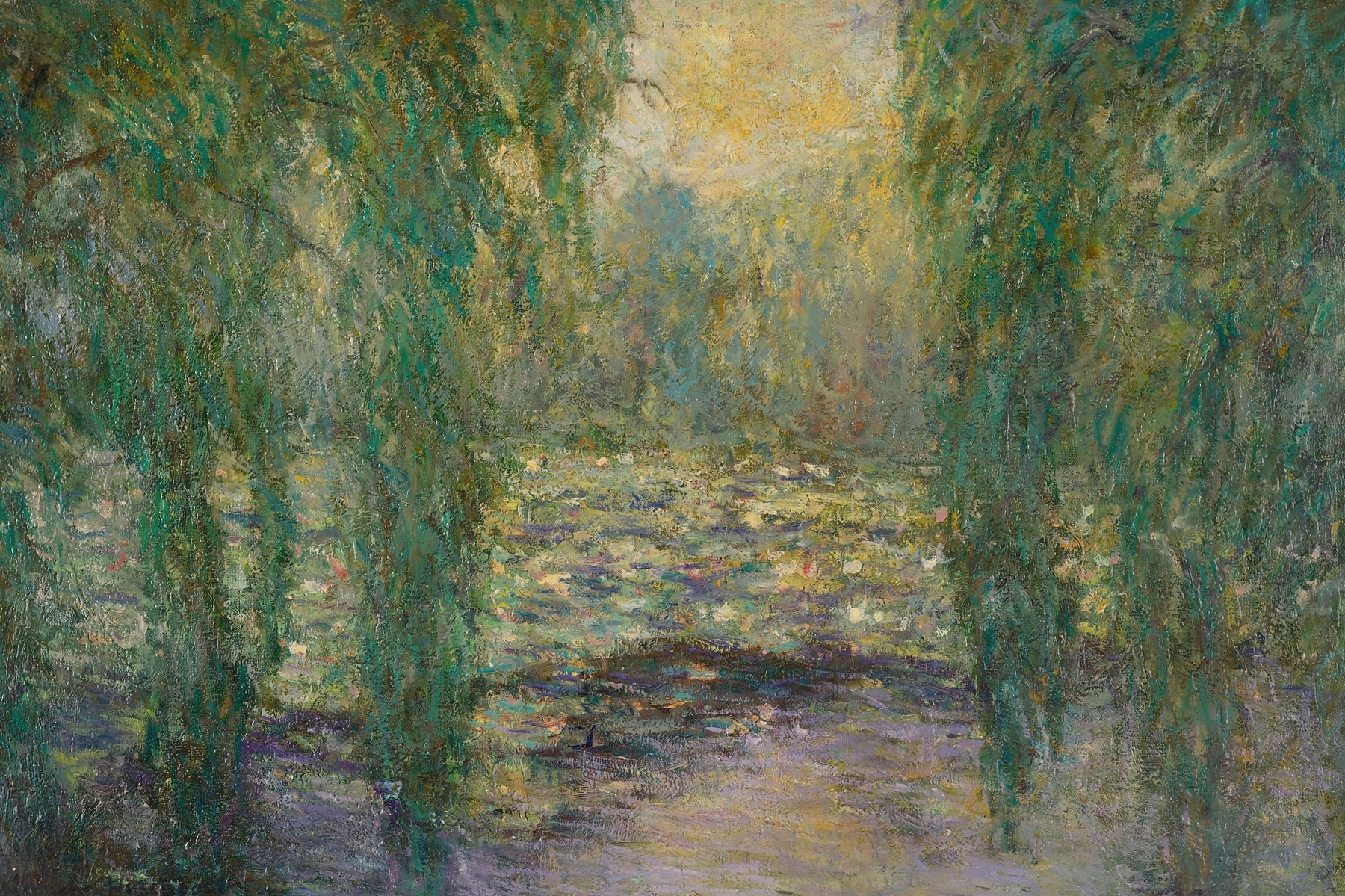
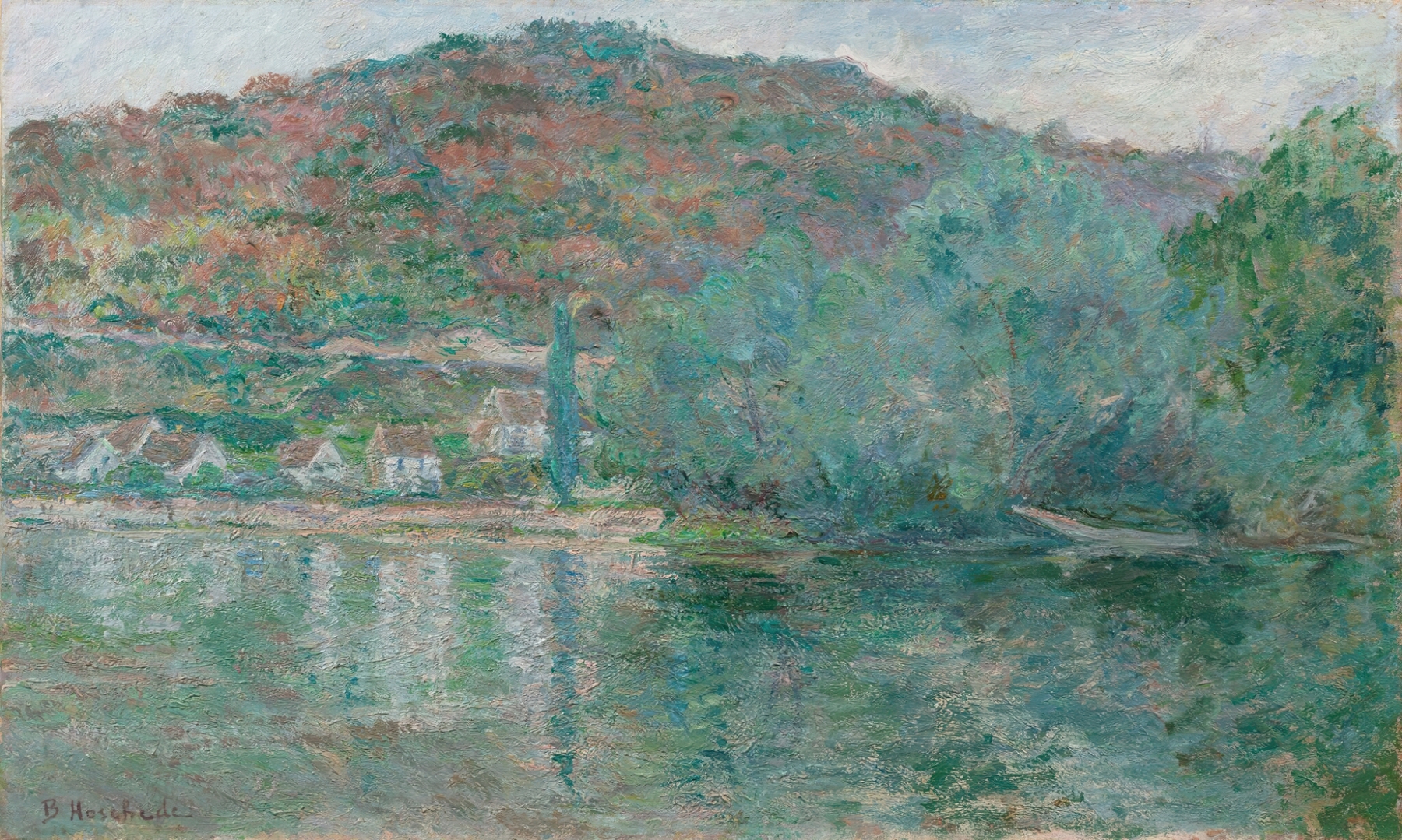
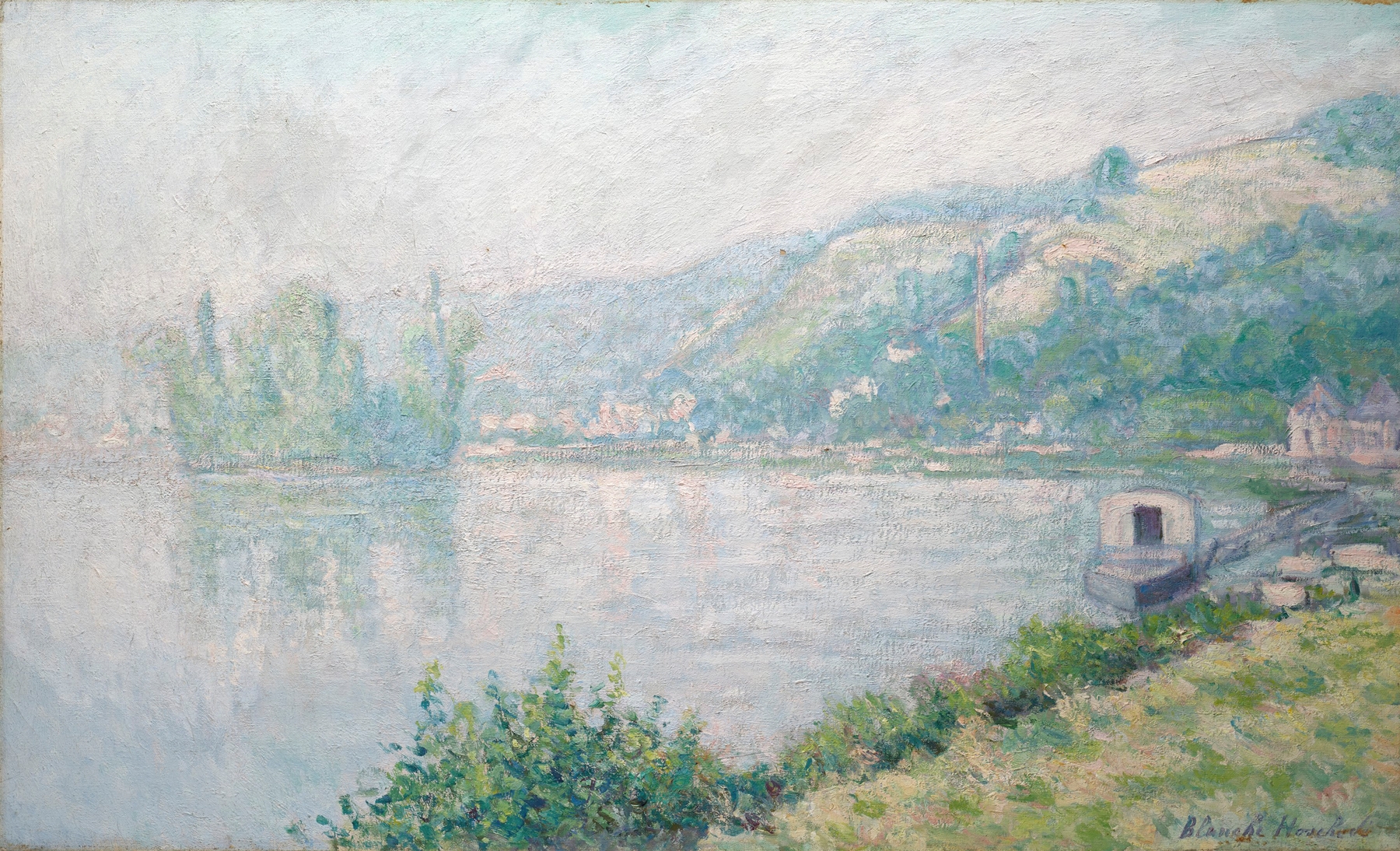
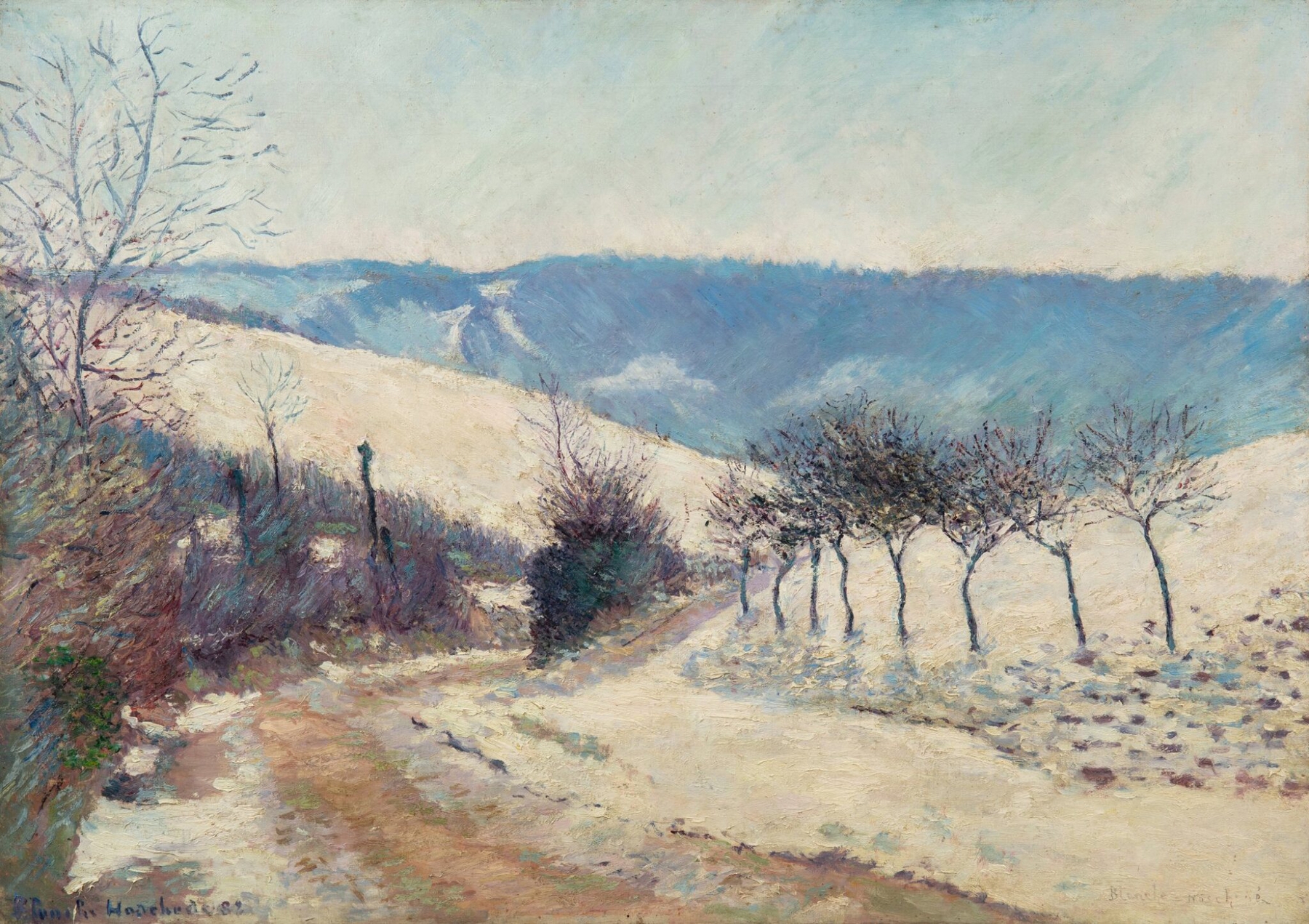
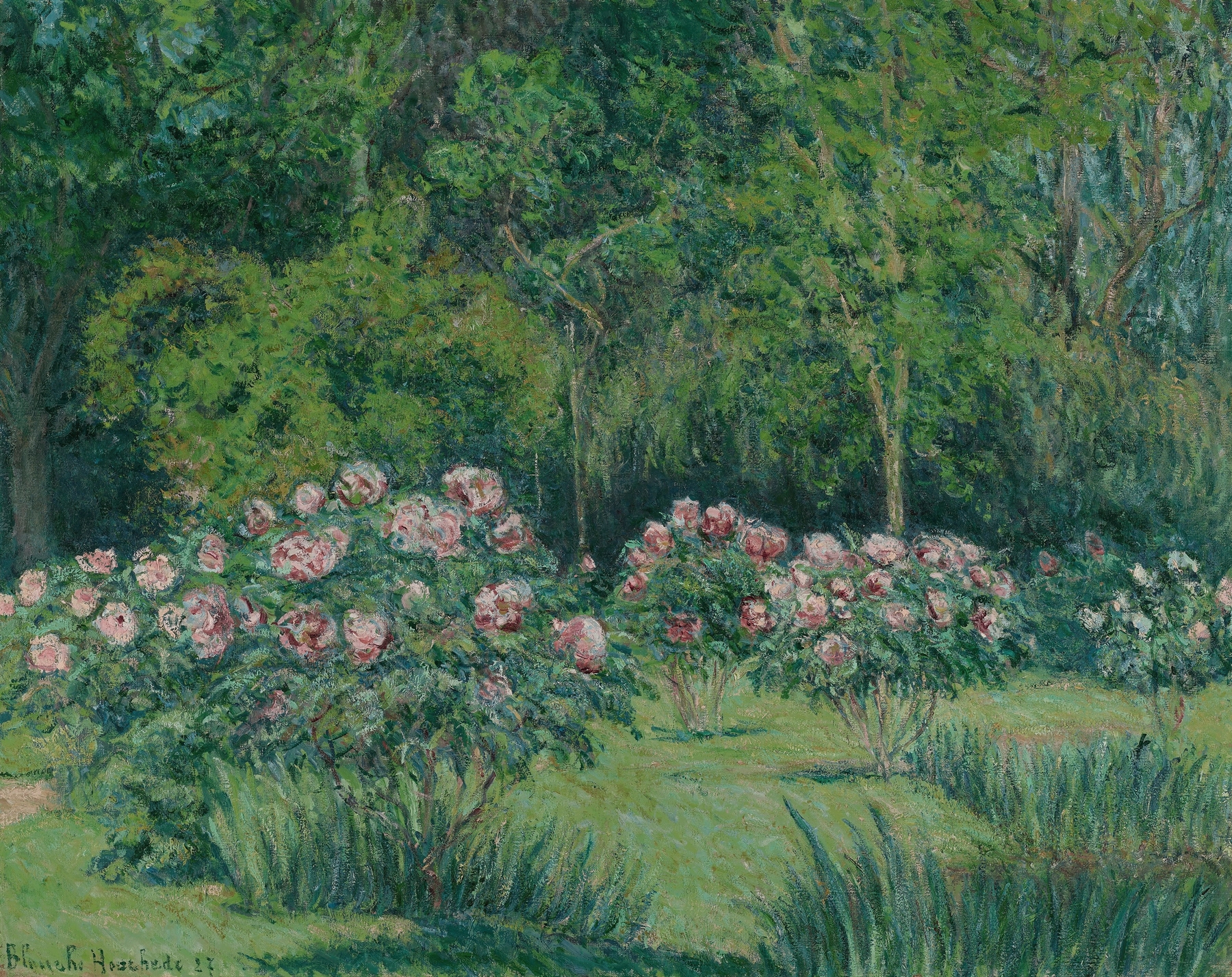
“To paint is to remember what time wants us to forget.” In a world awash with fleeting moments, the canvas captures the essence of tranquility, echoing the unyielding truth of nature’s timelessness. Begin by looking at the serene expanse of the lake, where the gentle, rippling water beckons the eye. The soft brushwork creates a sense of movement, while dappled reflections intertwine with the surrounding foliage. Notice how the palette embraces muted greens and soft blues, evoking a sense of calm, grounding the viewer in a scene that feels both familiar and elusive.
The composition draws you in, inviting contemplation as the delicate interplay of light and shadow conveys an intimate dialogue between land and water. Upon closer inspection, subtle details reveal emotional depths; wisps of clouds drift lazily overhead, hinting at the ever-present passage of time, while the softly rendered trees stand like guardians of memory. The harmonious balance between the fluidity of the lake and the solidity of nature suggests a tension between impermanence and permanence—an invitation to reflect on life’s ephemeral nature. Each brushstroke serves as a reminder of what we hold dear, tethered to the earth yet longing for the horizon.
In 1920, the artist created this work during a period marked by personal challenges and societal change. Living in Giverny, she was surrounded by a legacy of Impressionism, influenced by her time with Claude Monet—a connection that imbued her work with a profound understanding of light and atmosphere. This painting exemplifies her commitment to capturing beauty in everyday moments, emphasizing the emotional resonance of nature amidst the complexities of her life.