Le Pont de Moret — History & Analysis
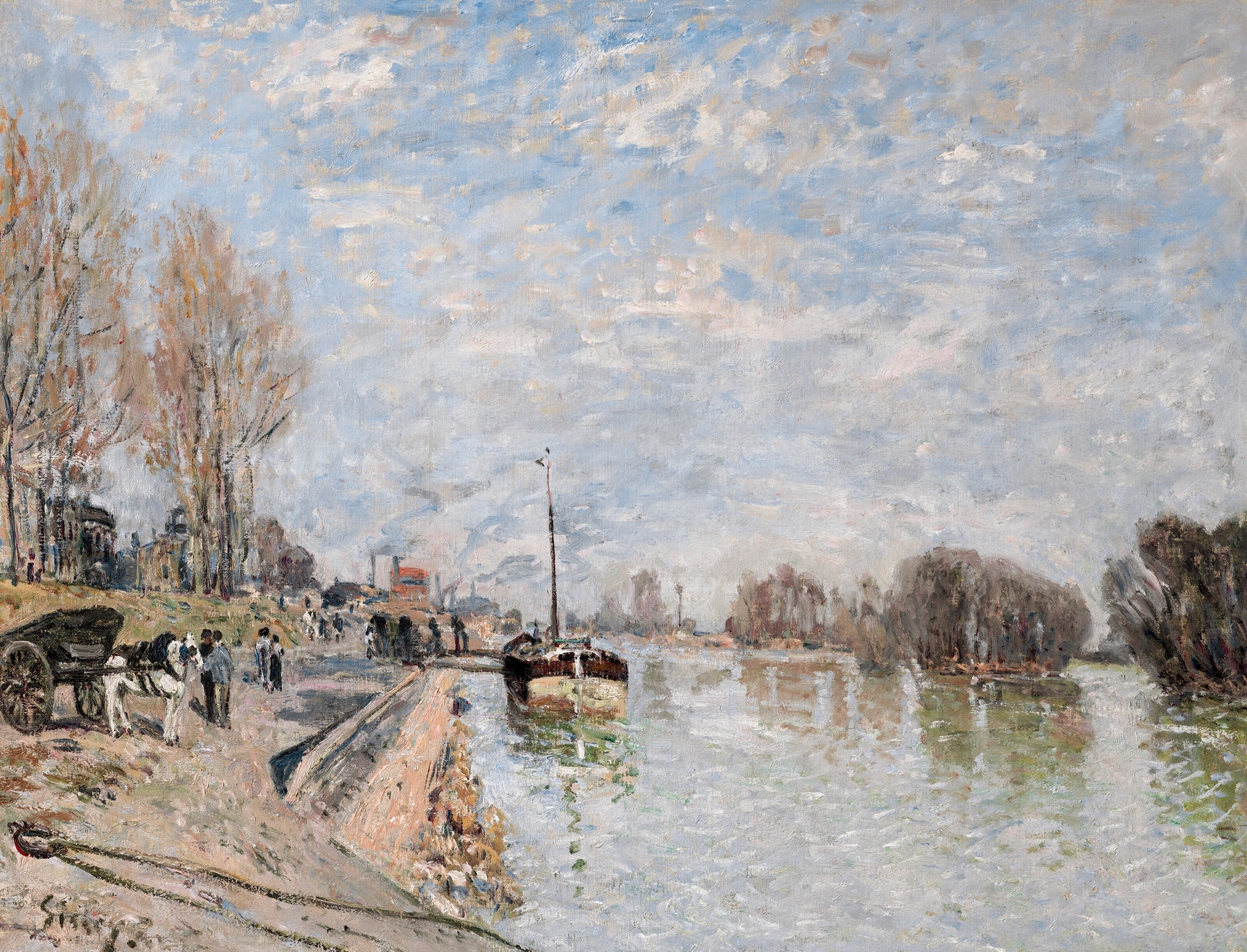
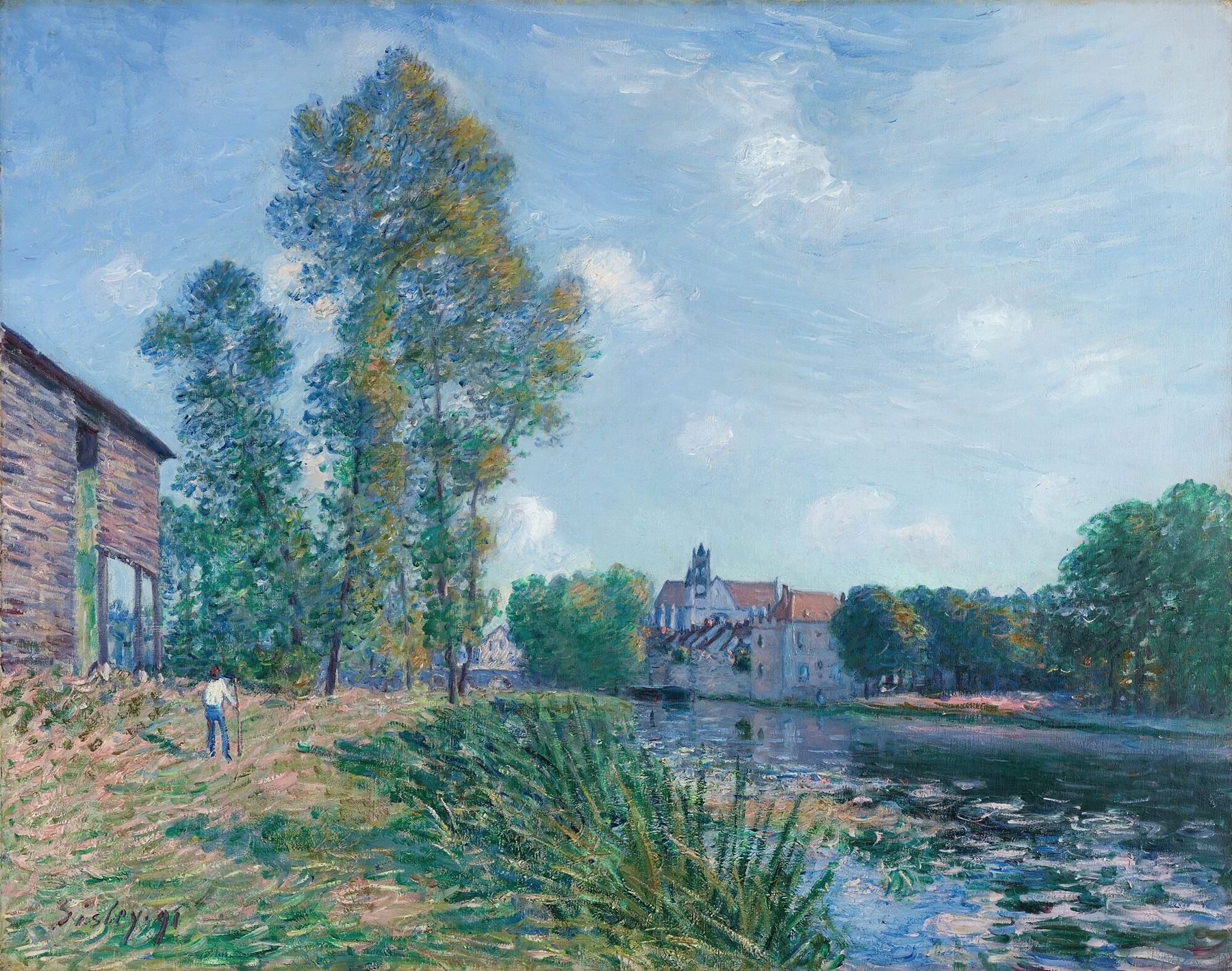
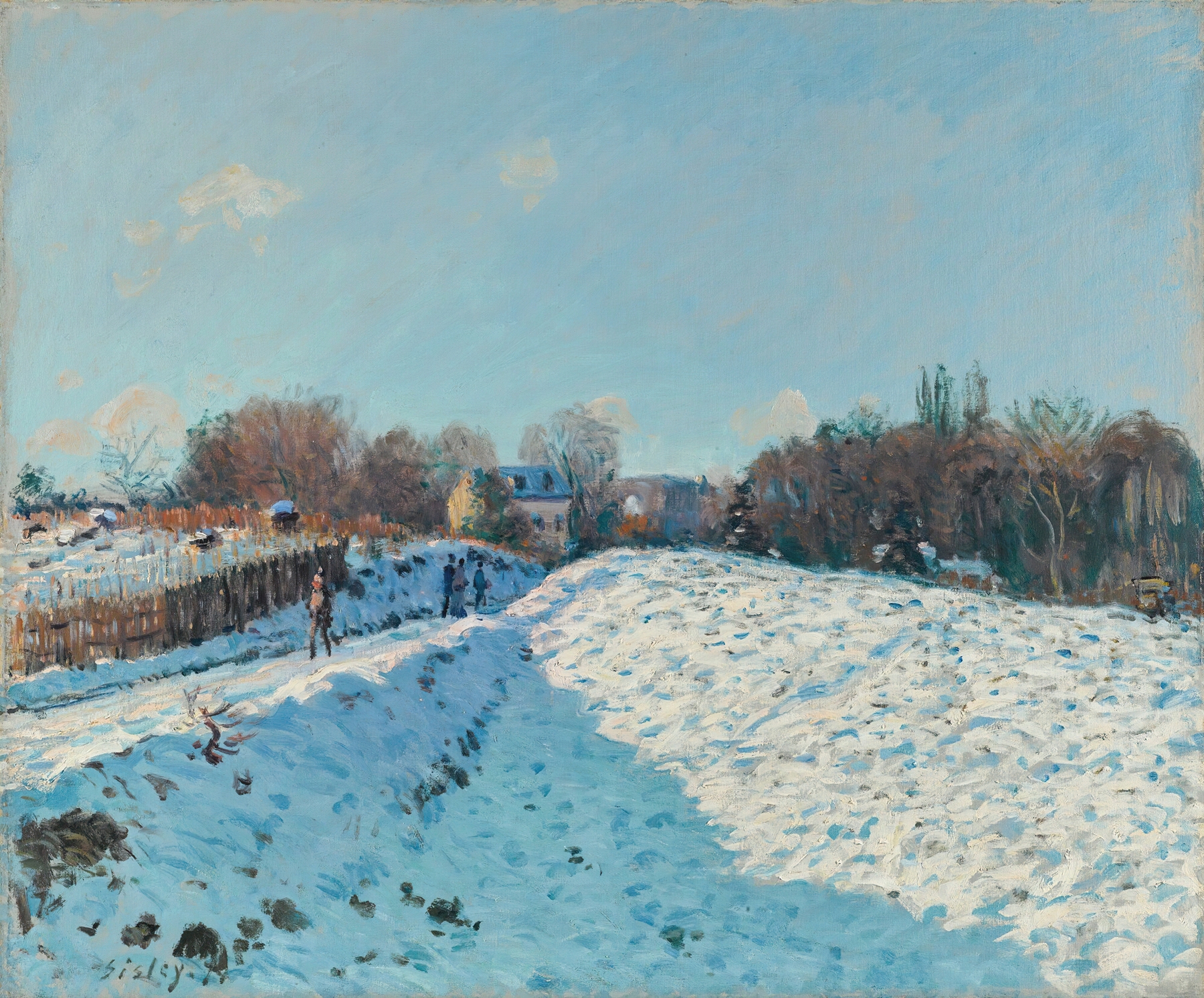
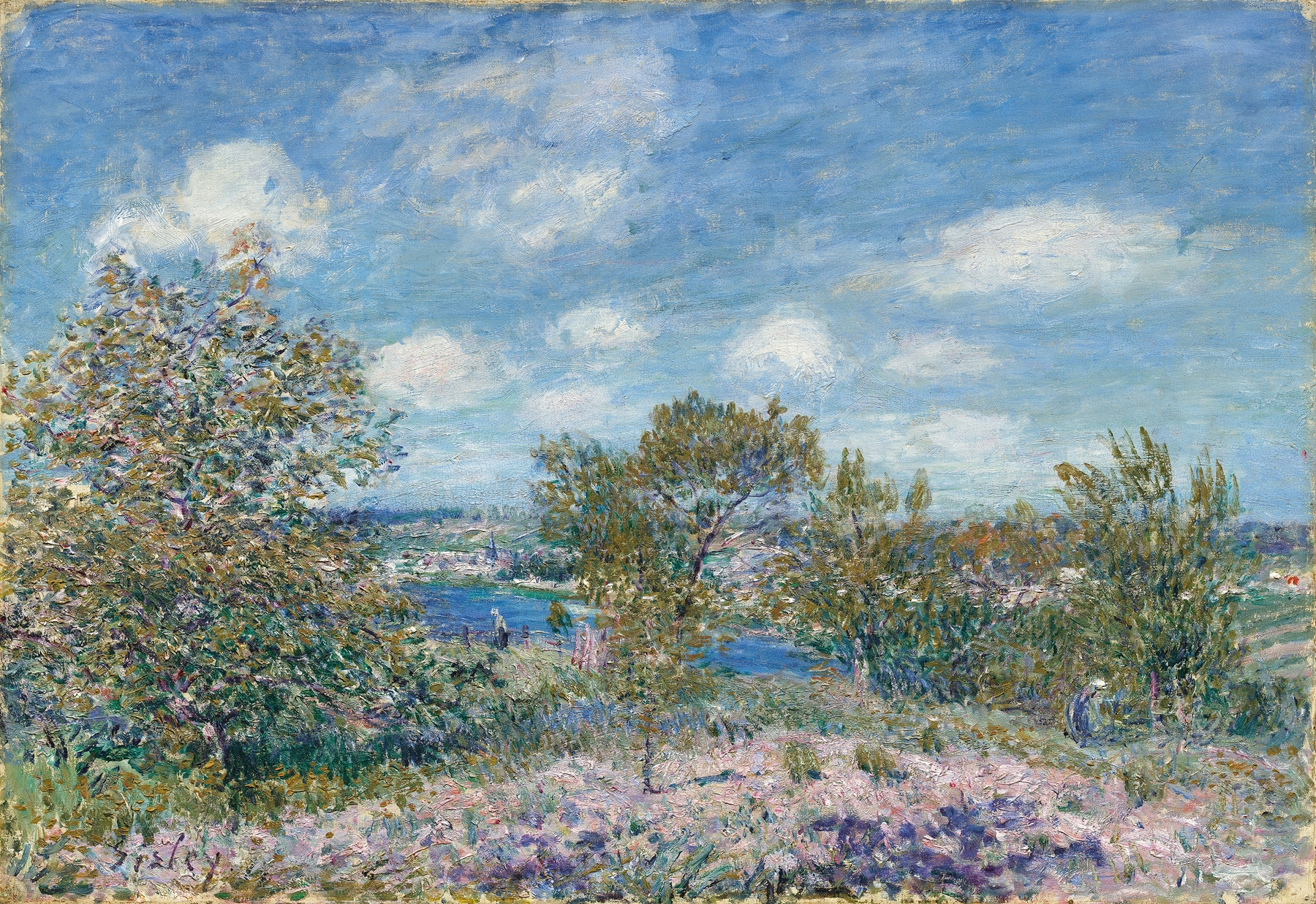
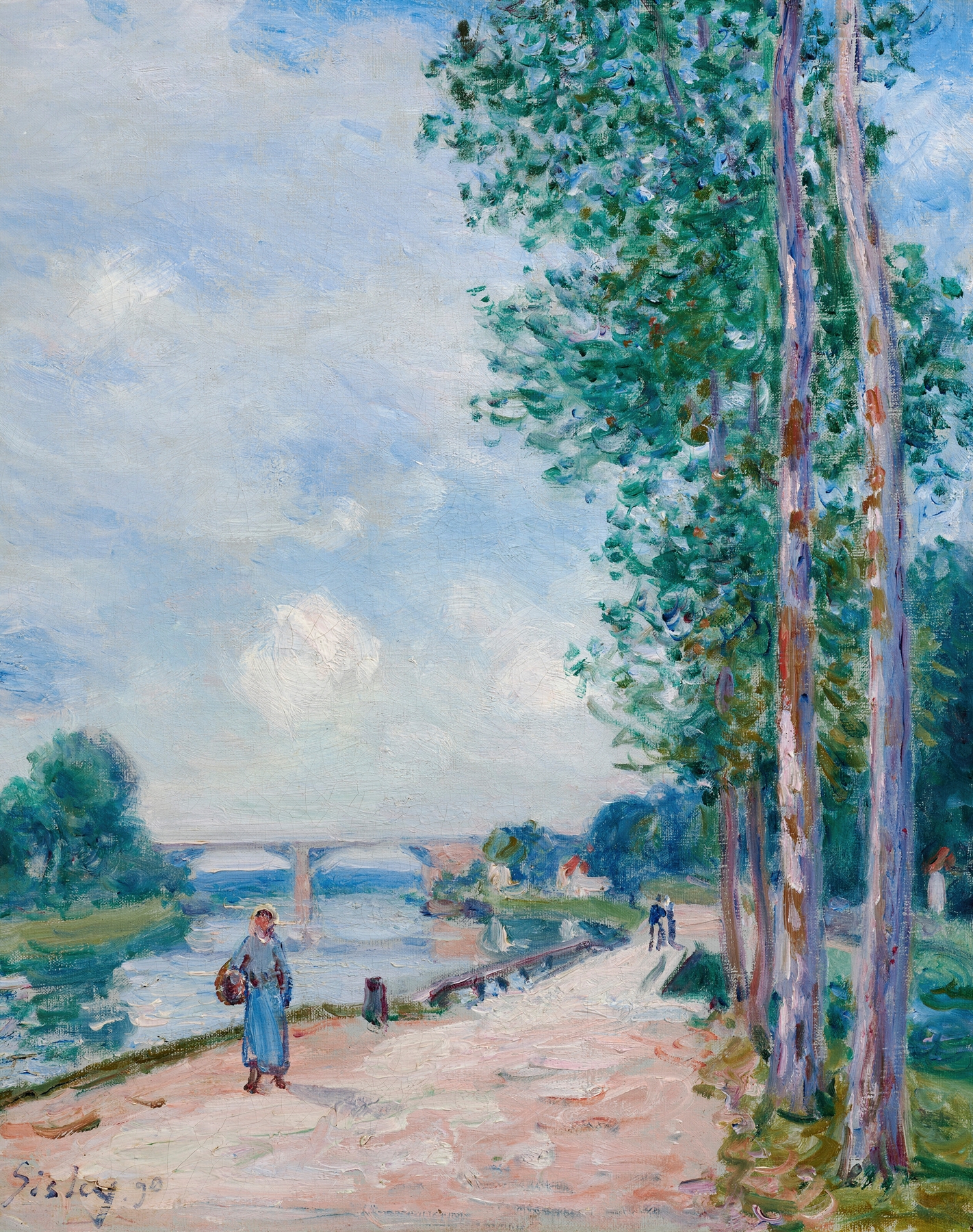
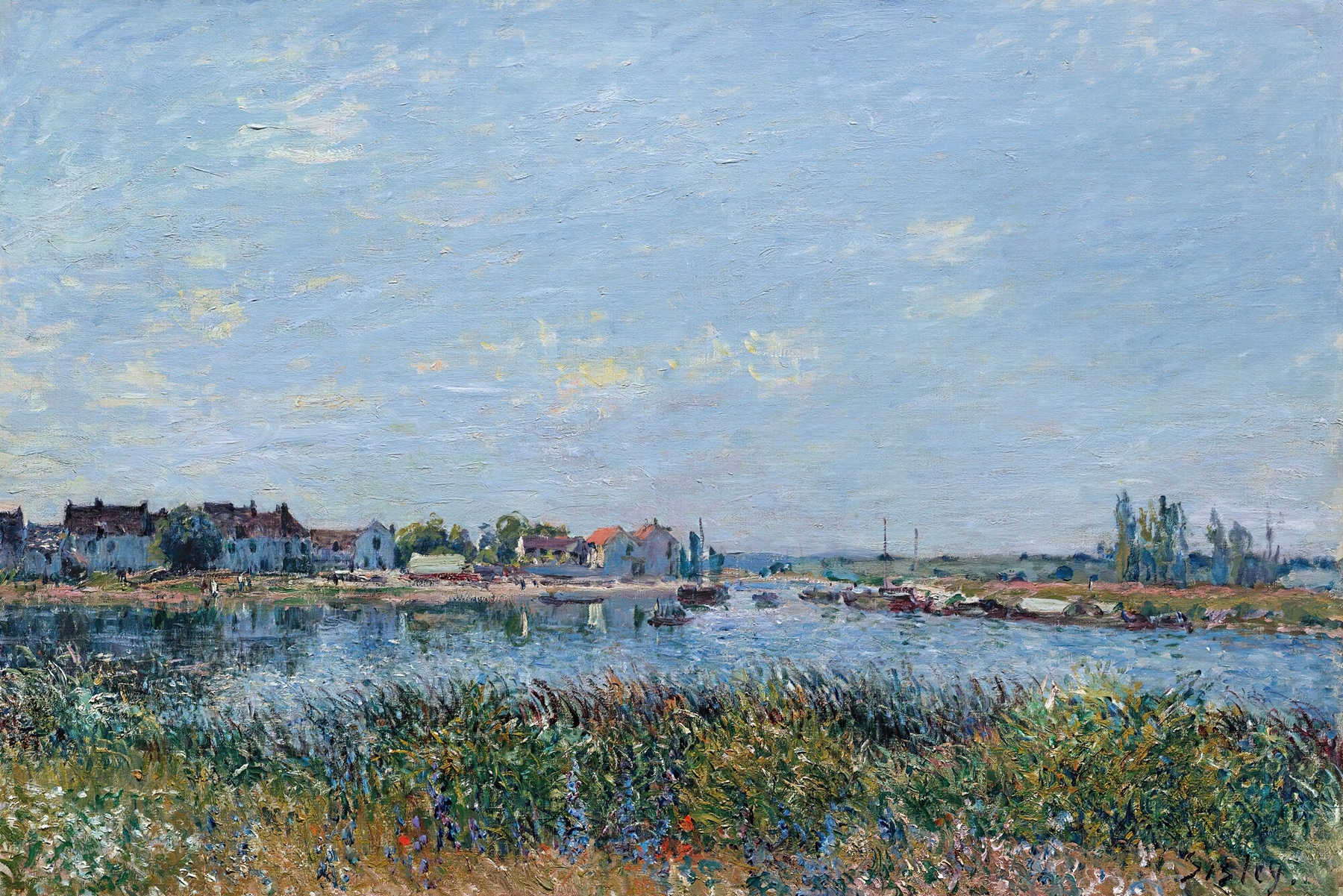
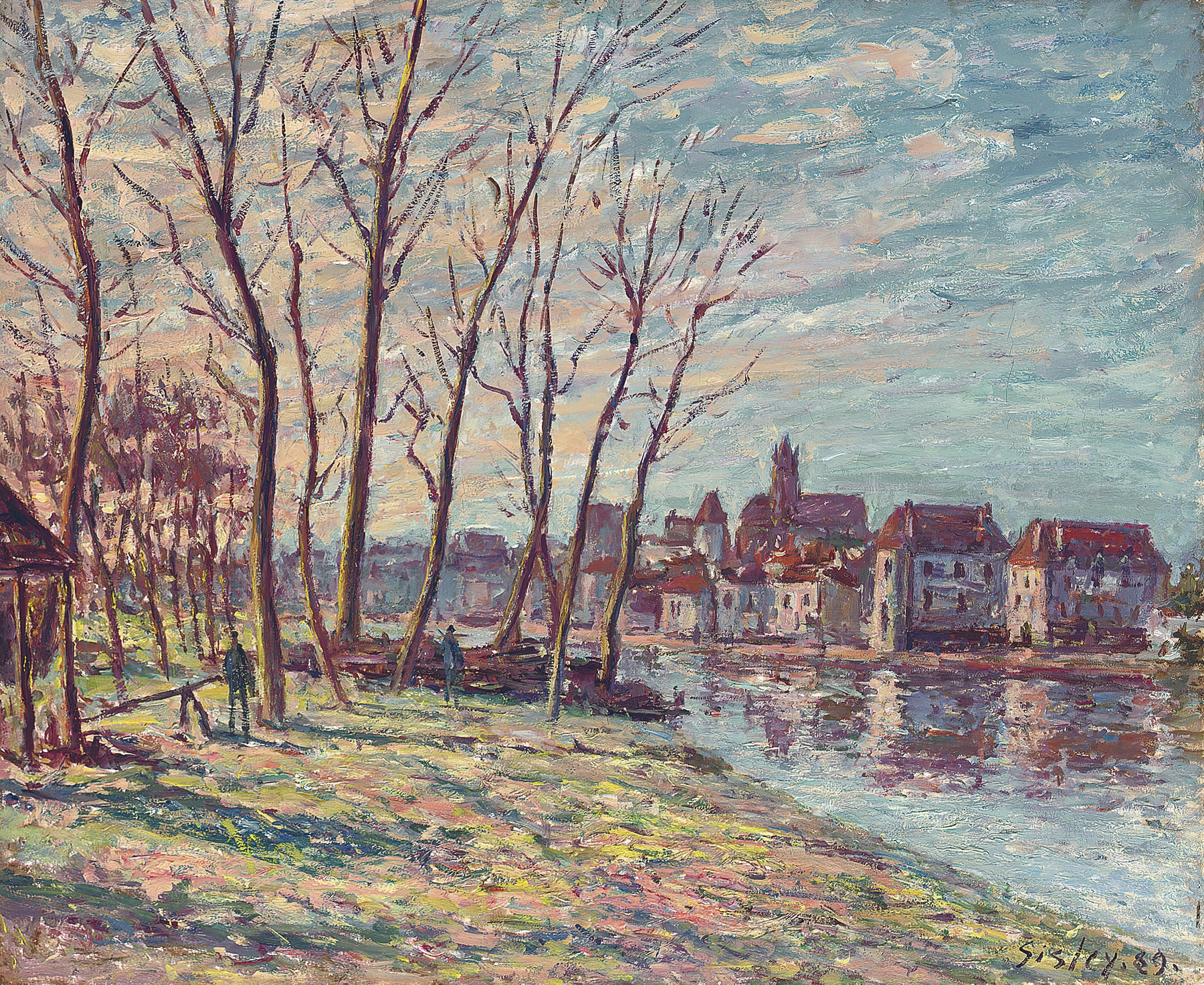
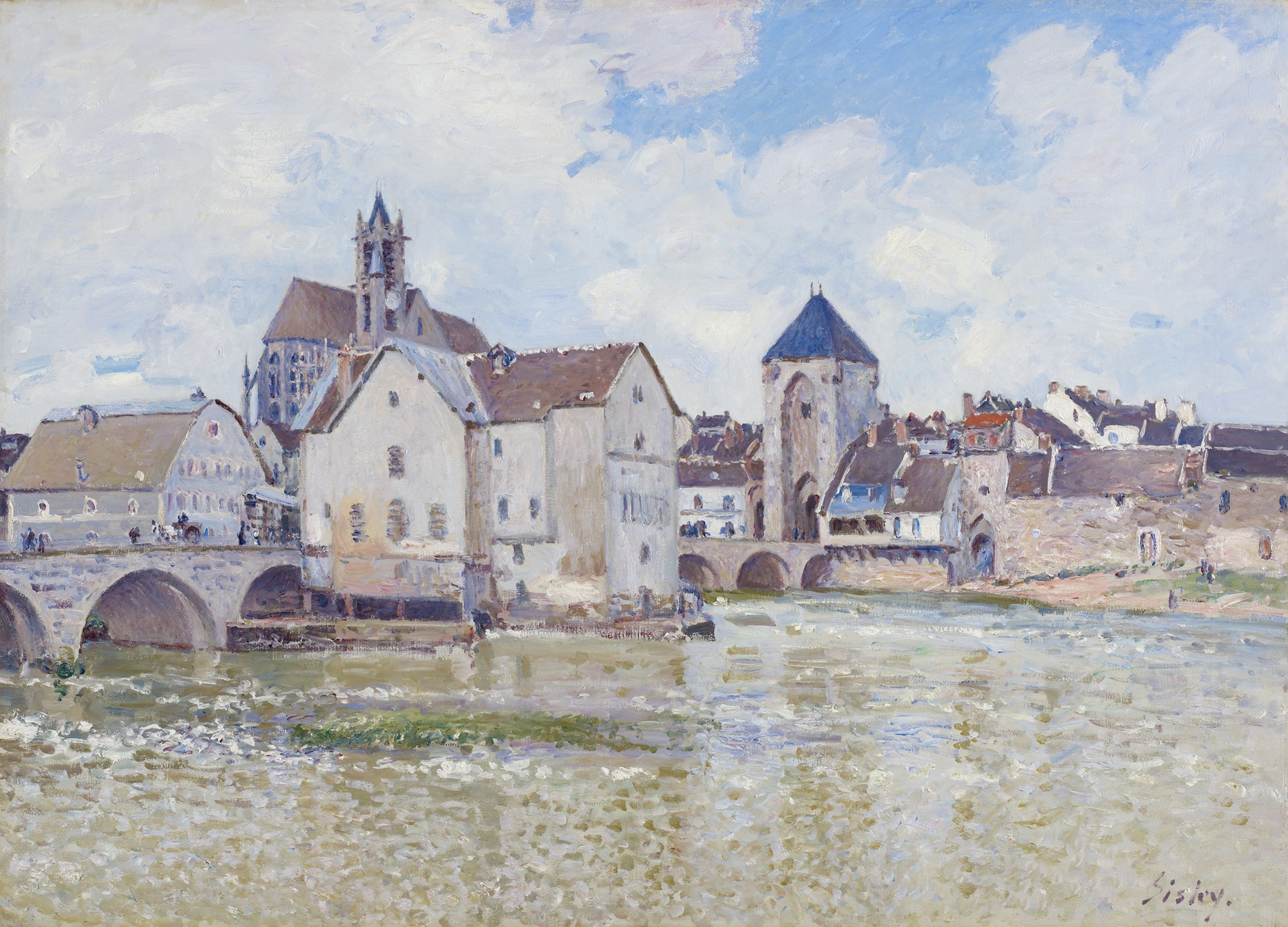
Could beauty survive in a century of chaos? In an age marked by rapid change and upheaval, Le Pont de Moret captures a moment of stillness, inviting viewers to pause and reflect. Focus on the vibrant interplay of greens and blues that dominate the landscape, leading your eyes towards the graceful arch of the bridge. Notice how the light dances on the surface of the water, creating shimmering reflections that enhance the harmony of the scene.
Sisley’s brushwork is both delicate and assertive, drawing attention to the intricate details of the foliage and the gentle curves of the riverbank. As you explore the painting, consider how the bridge serves as a symbol of connection amidst the natural beauty that surrounds it. The contrast between the tranquil water and the vivid foliage evokes a sense of peace, yet hints at the transience of such moments. The soft strokes and gentle colors convey a delicate balance between nature and the man-made, revealing an underlying tension between permanence and impermanence.
In 1888, Sisley was living in France and became increasingly influenced by the Impressionist movement, focusing on the depiction of light and color. During this period, France was experiencing significant social and political changes. Despite these tumultuous times, Sisley found solace in painting scenes of serene landscapes, showcasing his belief in the enduring power of beauty amidst chaos.