Le quai de Bercy — History & Analysis
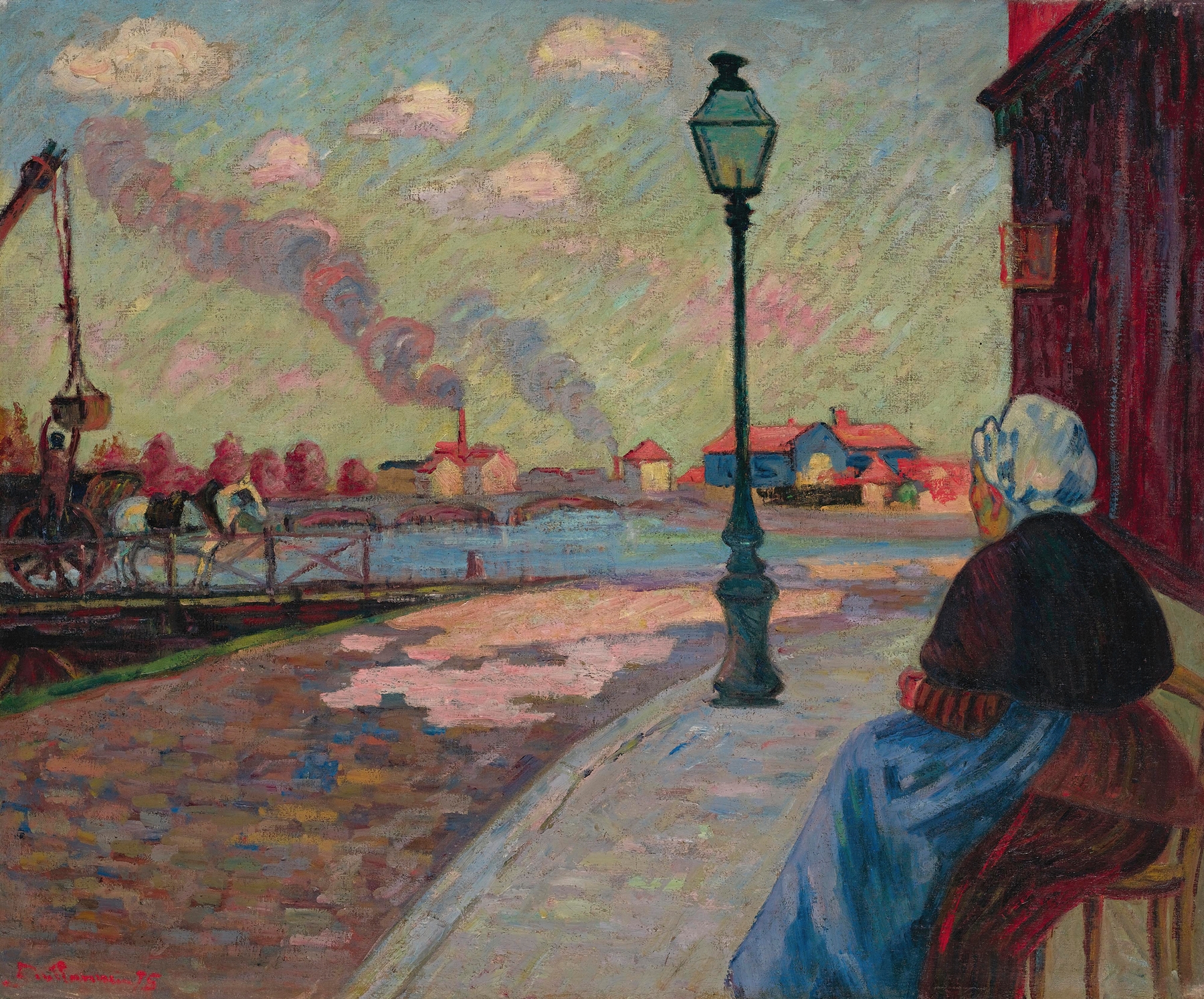
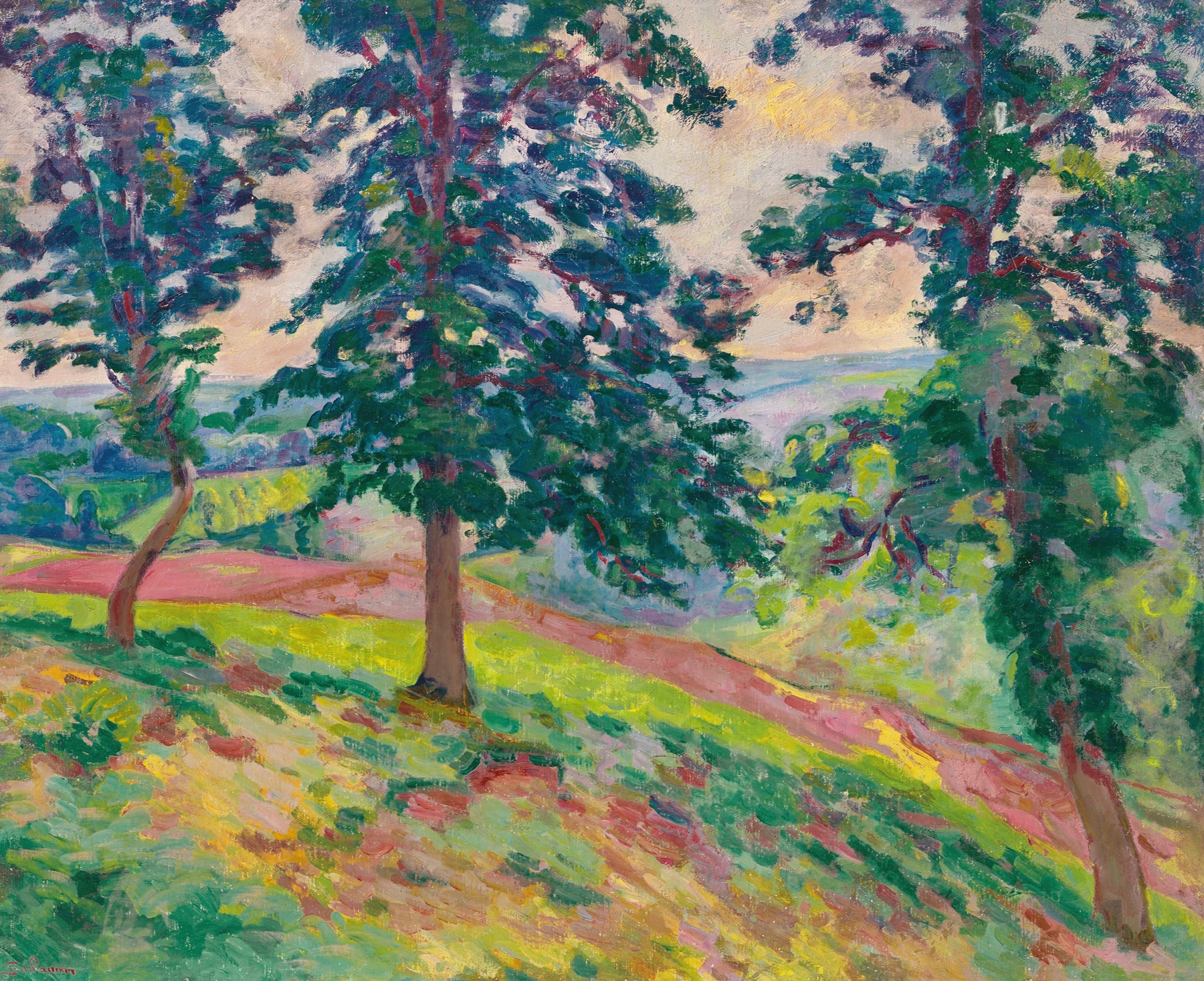
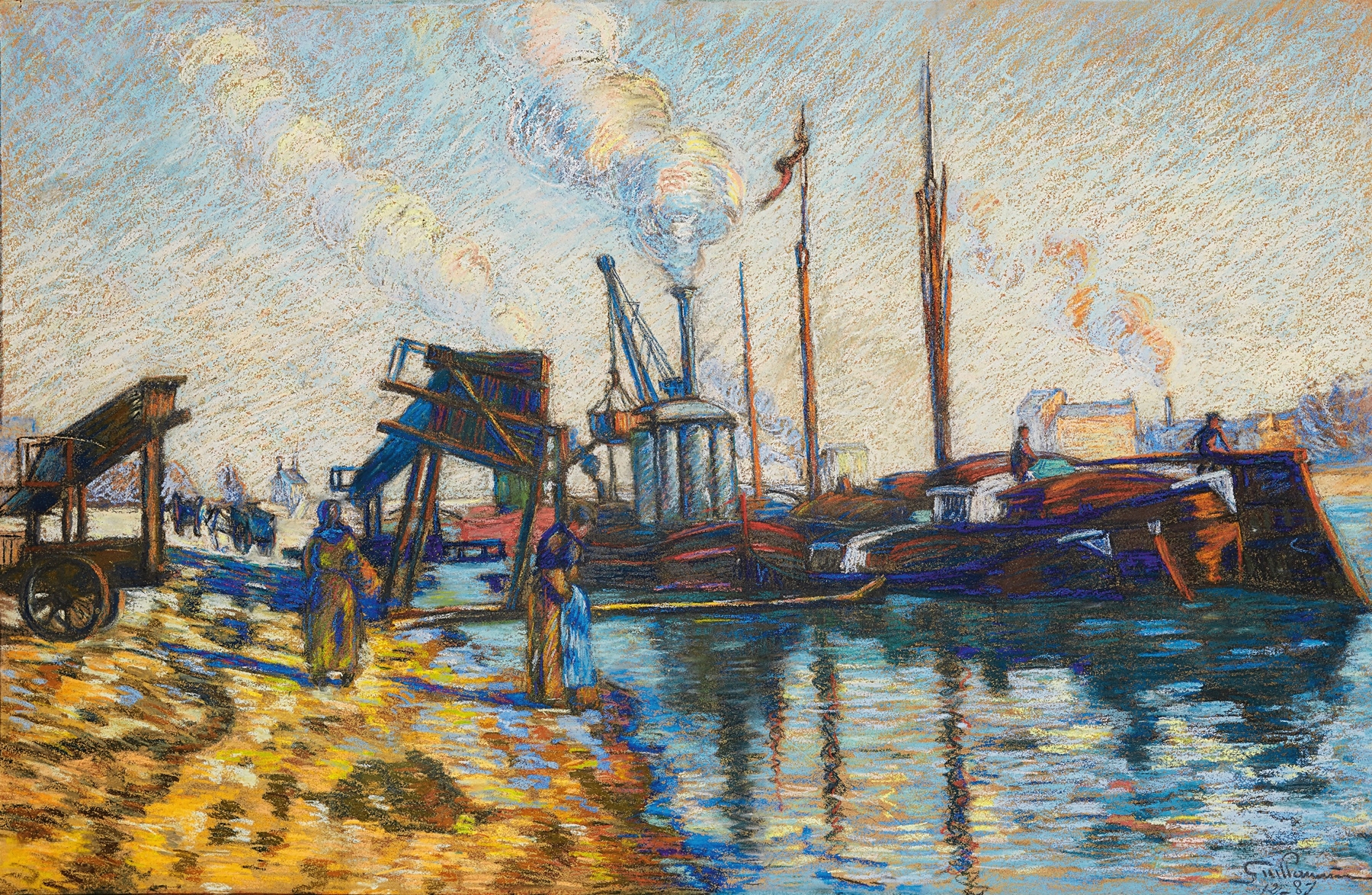
Could beauty survive in a century of chaos? In Le quai de Bercy, the answer seems to linger in the air, suspended between the stillness of the scene and the vibrant brushstrokes that pulse with life yet convey a haunting emptiness. Look to the center where the river glimmers, reflecting a gentle interplay of blues and greens. Notice how the trees on the riverbank stand tall and proud, their leaves catching the light, while the distant buildings—hushed and ghostly—frame the background in muted tones.
Guillaumin uses warm yellows and ochres to contrast the coolness of the water, skillfully guiding the viewer’s gaze across the canvas and evoking a sense of peace amidst solitude. Delve deeper into the subtle contrasts: the tranquility of the water is a stark juxtaposition to the absence of human presence, evoking feelings of isolation. Each brushstroke seems deliberate yet spontaneous, suggesting the fleeting nature of beauty against the persistent passage of time. The emptiness speaks volumes, leaving space for contemplation on what it means to find solace in desolation, a poignant reminder that tranquility can exist even in chaos.
Armand Guillaumin painted Le quai de Bercy in 1874 during his time in Paris, where he was closely associated with the Impressionist movement. This period marked a significant transition in art, as artists sought to capture the ephemeral qualities of light and experience, reflecting the rapid changes in society. Guillaumin, while influenced by his contemporaries, developed a unique style that emphasized color and emotion, offering viewers a glimpse into both the beauty and the profound solitude of urban life.