Le Village — History & Analysis
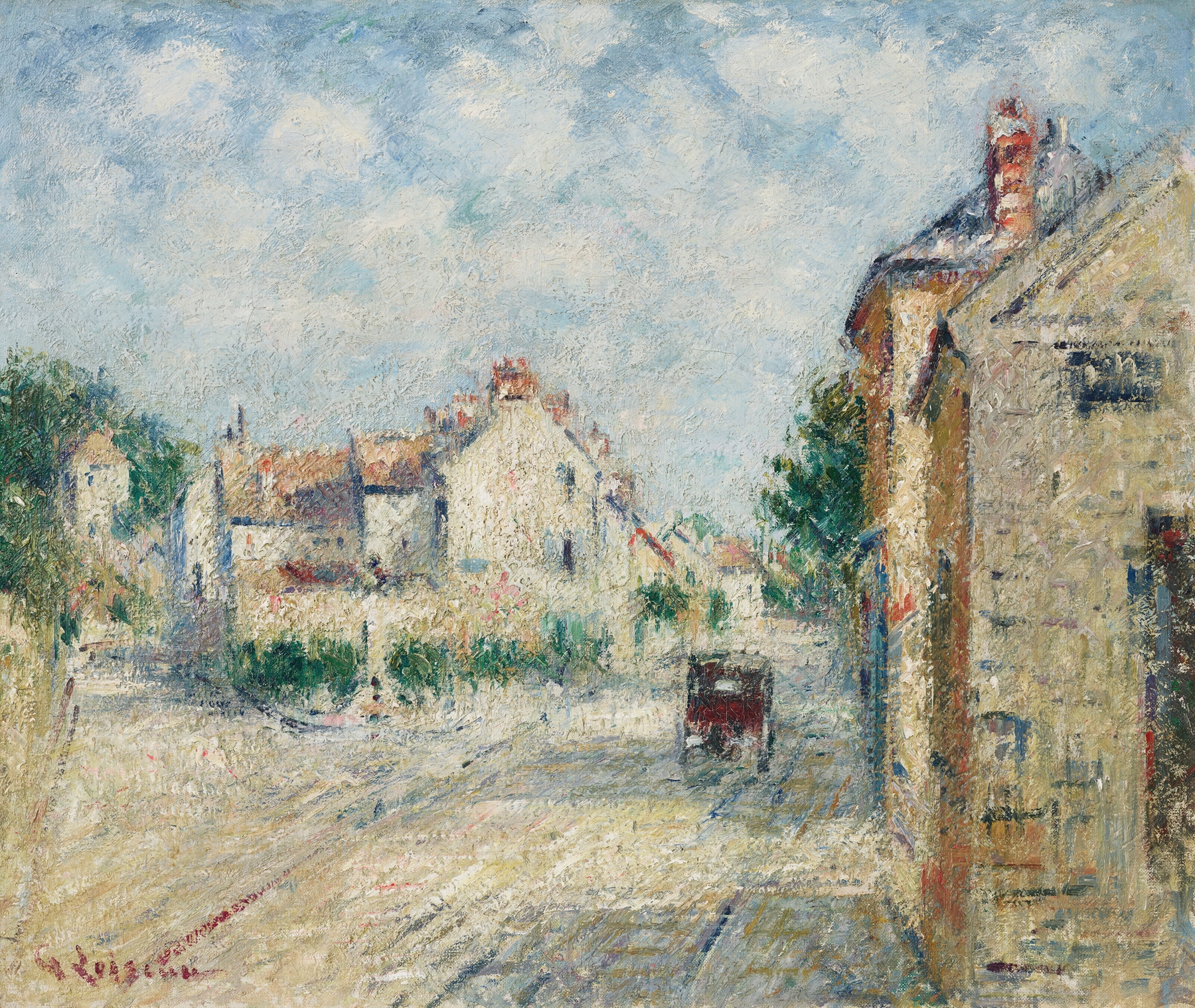
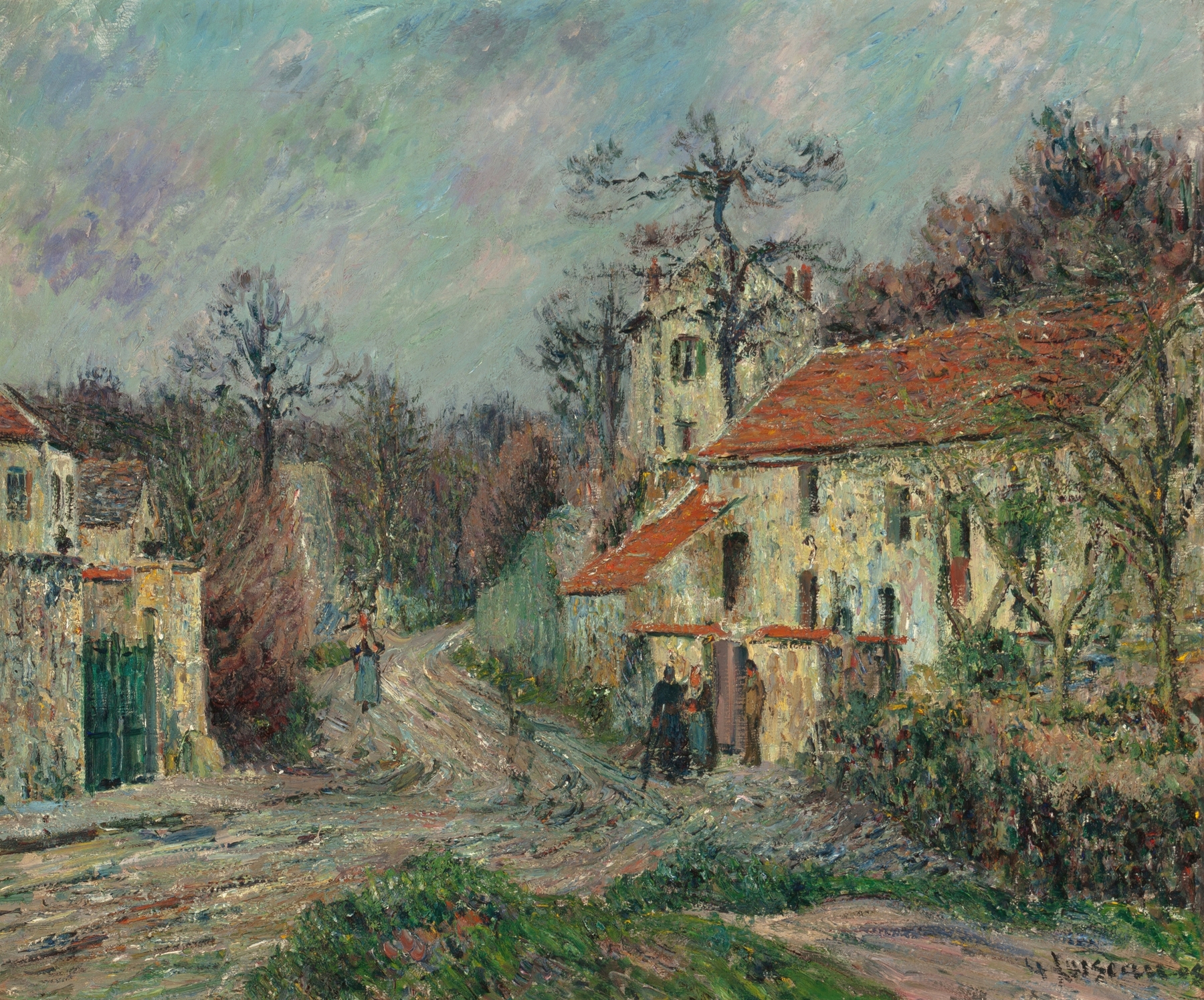
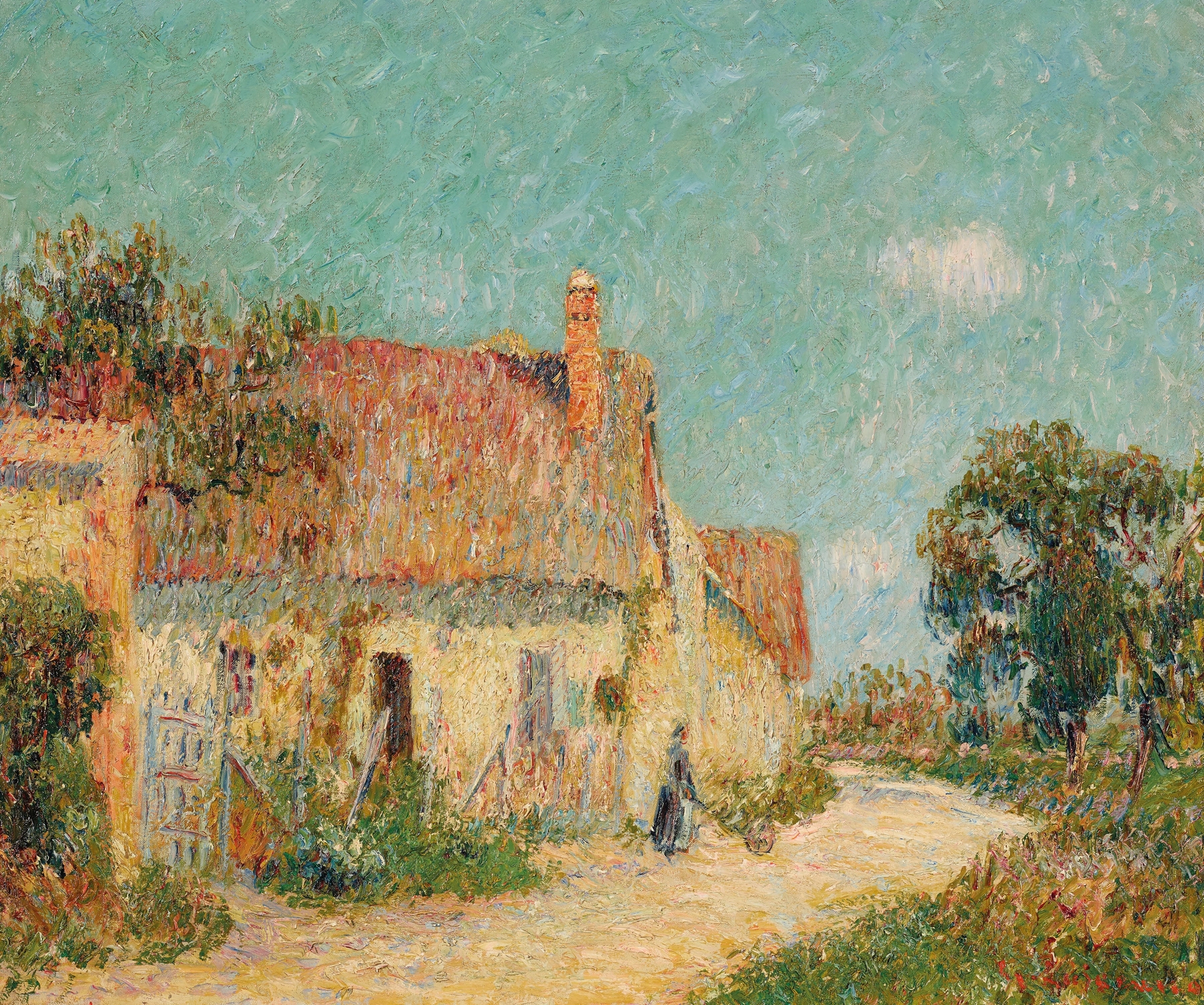
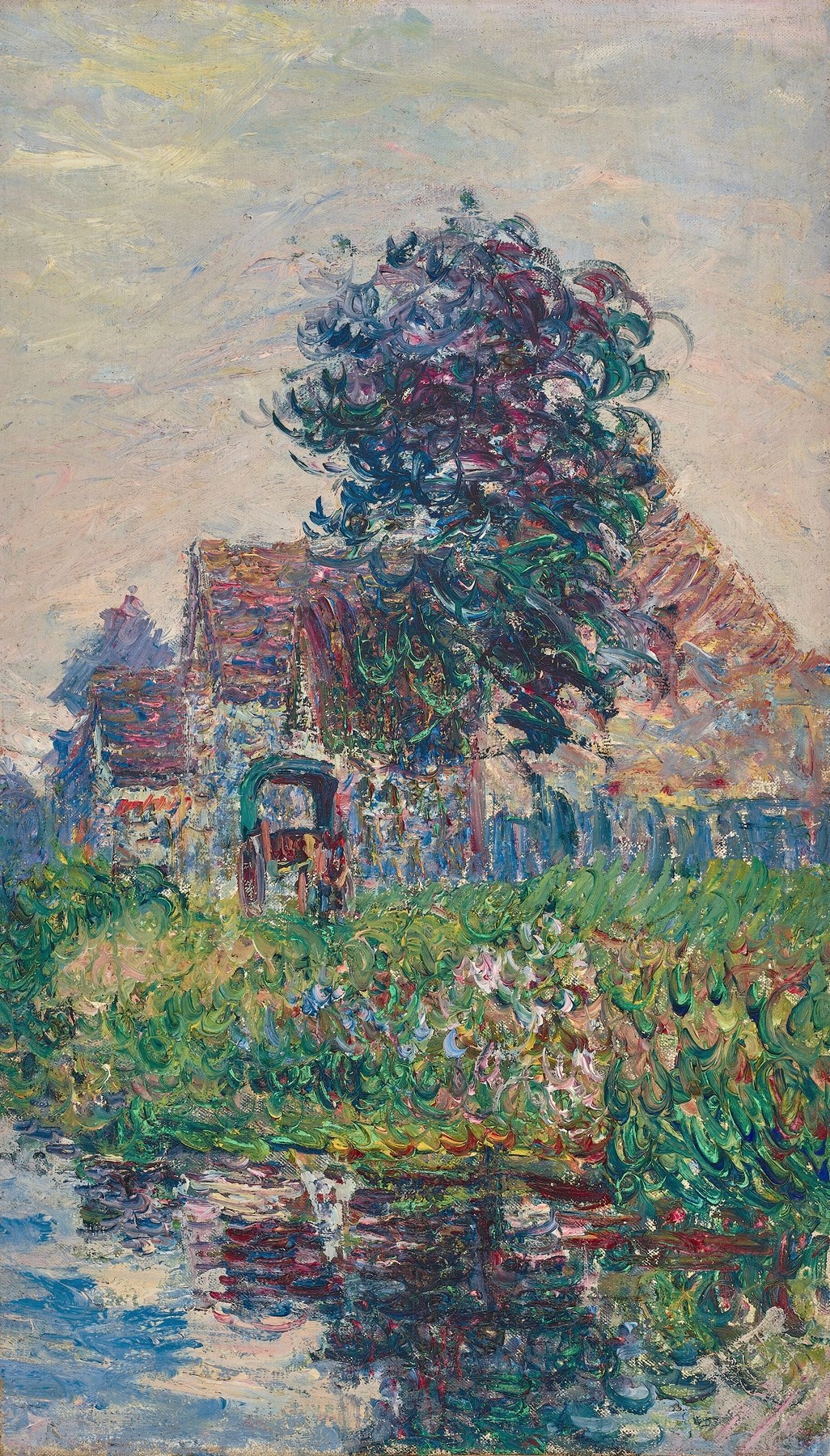
When did color learn to lie? In Le Village, the vibrancy of hues intertwines with a sense of transformation, challenging the observer to question the authenticity of the world around them. First, look to the left, where the buildings emerge, painted in rich, warm tones that exude a sense of comfort and familiarity. Notice how the light dances across the rooftops, creating a gentle play of shadow that brings depth to the village scene. The brushwork is both fluid and energetic, lending a dynamic quality to the landscape while contrasting with the solid, structured forms of the houses.
The color palette, dominated by greens and browns punctuated by earthy reds, evokes the intimacy of rural life, yet hints at an underlying tension, as the vibrant strokes suggest a world in flux. Beneath the tranquil surface lies a deeper narrative—a revolution in perception. The artist captures not just a village but a moment in time, as the interplay of light and color speaks to a broader transformation in society and art. The juxtaposition of serenity and vigor reflects a world on the cusp of change, as traditional norms clash with emerging modernity.
Each stroke becomes a testament to the artist’s emotional connection to his subject, revealing both nostalgia and a yearning for a future that blends the known with the unknown. In 1912, Gustave Loiseau painted Le Village amidst a wave of artistic innovation and societal upheaval. Living in France during an era where Impressionism was giving way to more abstract expressions, he sought to capture the essence of rural life while embracing the vibrant possibilities of color. This painting reflects not only his personal journey but also the broader artistic revolution taking place, as artists began to challenge conventions and explore new emotional landscapes.