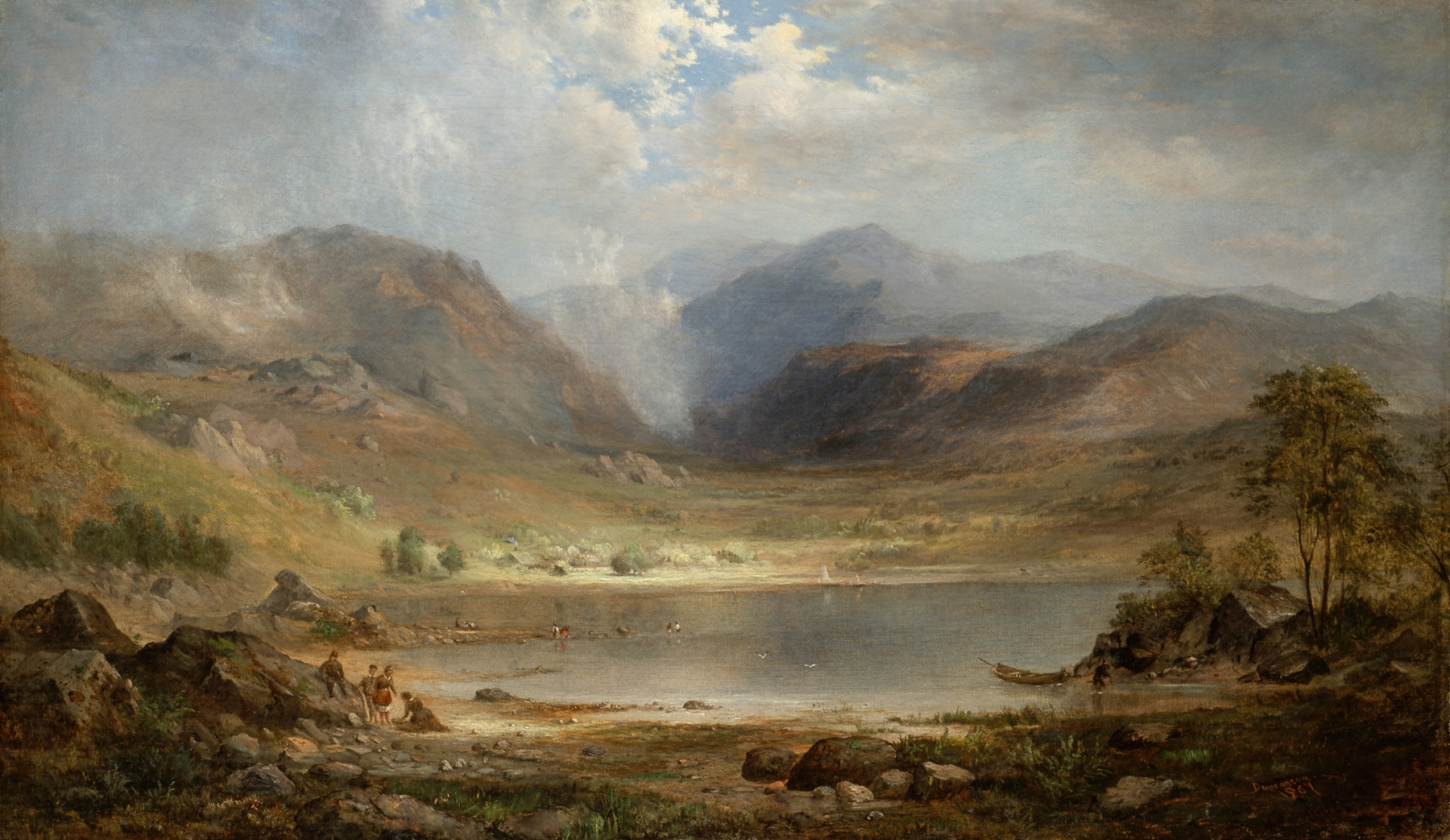
Loch Long — History & Analysis
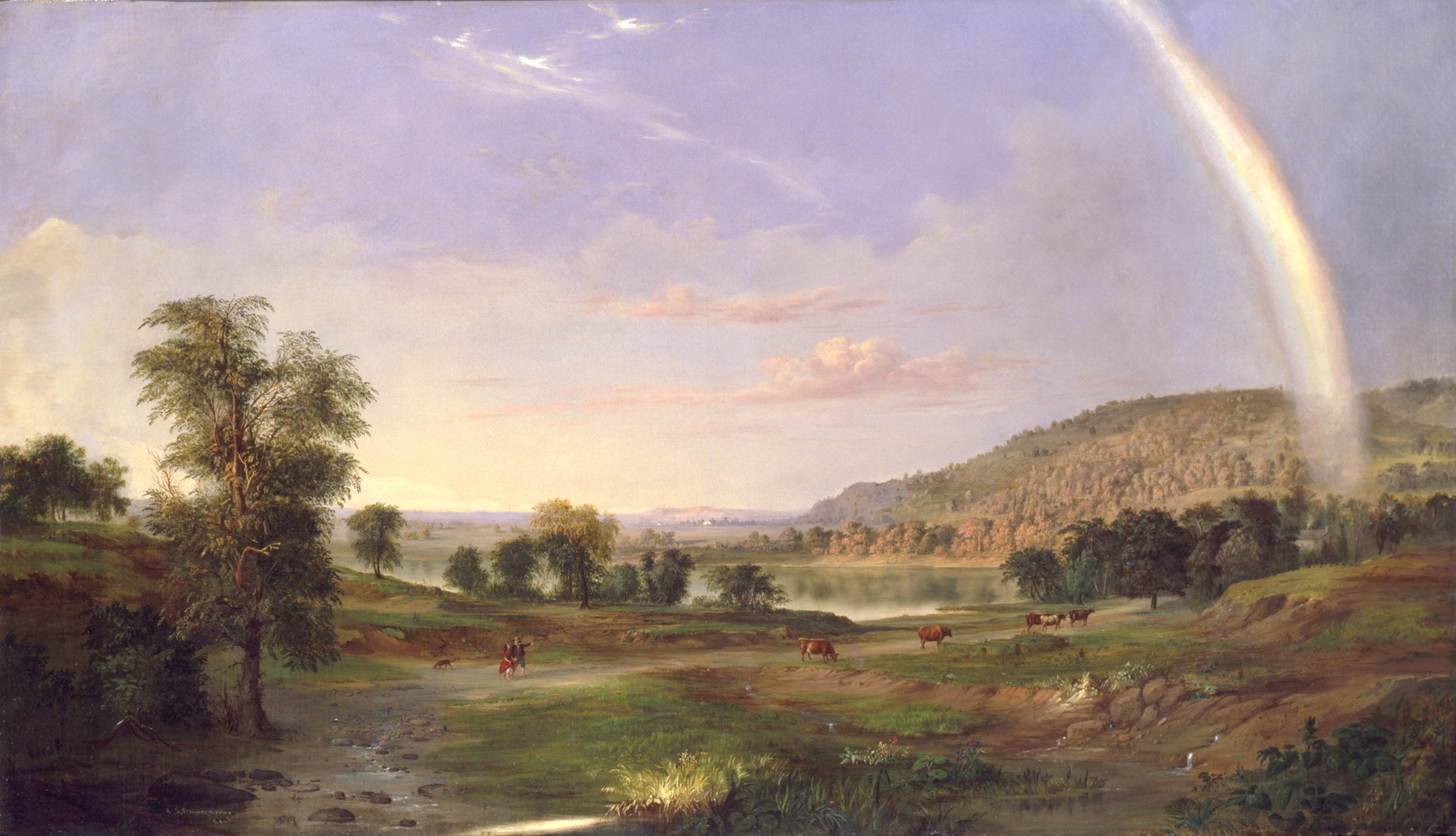
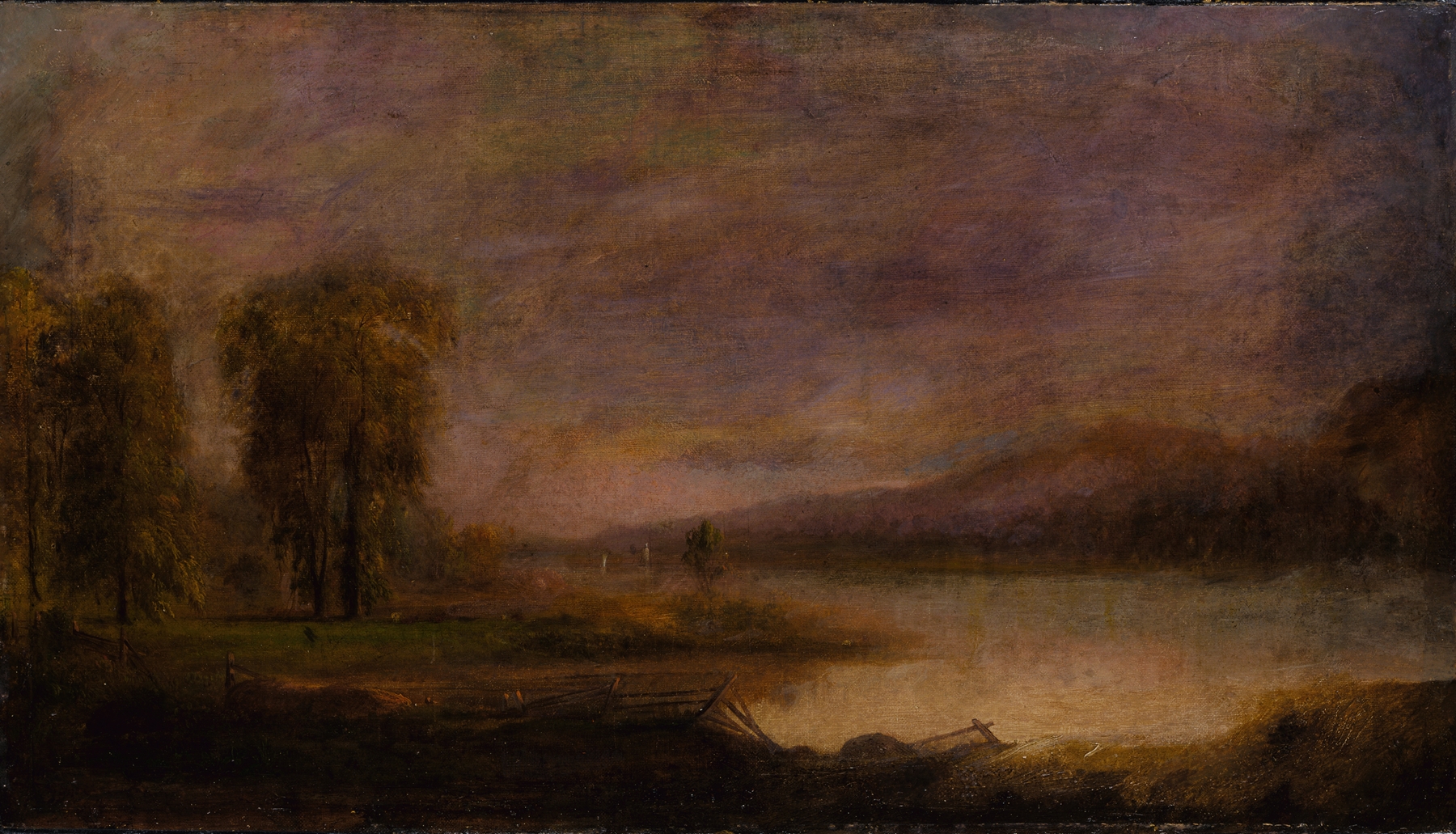
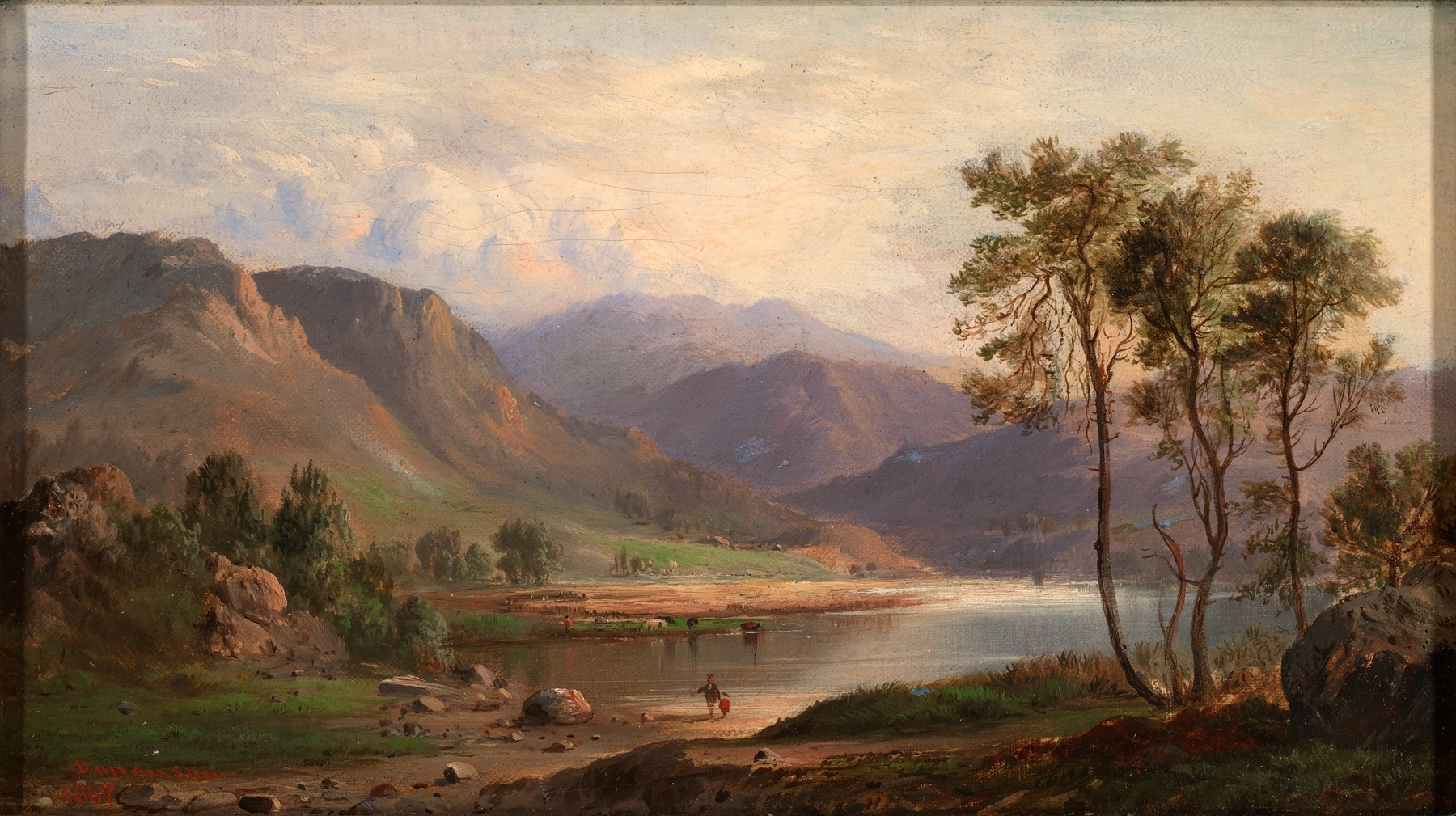
“Art reveals the soul when the world turns away.” In a world enamored by the ephemeral, the weight of mortality often lingers in the air, waiting to be captured. Look to the foreground where a tranquil body of water glimmers, reflecting the soft hues of a dawn or dusk sky. Notice how the delicate brushwork evokes the gentle ripples on Loch Long, creating a meditative effect. The landscape unfolds with a lush palette of greens and browns, grounding the serene atmosphere while hints of violet and pink dance in the clouds above, suggesting the fleeting nature of time.
The composition is masterfully balanced, drawing the eye along the tranquil waterway toward the distant horizon, where land meets sky in a tender embrace. Amid the beauty lies an underlying tension—the contrast between the vibrant life of the landscape and the stillness of the water evokes contemplation of life's transience. The solitary tree on the banks appears steadfast yet vulnerable, a symbol of endurance amidst inevitable change. The play of light across the water not only highlights nature's beauty but also serves as a reminder of the moments that slip away, underscoring the delicate balance between existence and oblivion.
Robert S. Duncanson created Loch Long in 1867 while residing in the United States, a time when he was gaining recognition for his contributions to the Hudson River School movement. Although he faced challenges as one of the few African American landscape painters of his time, his work transcended those barriers, speaking to universal themes of nature and humanity. This piece reflects his mastery in capturing both the aesthetic splendor of landscapes and the profound depths of human experience.