View of Lake Pepin, Minnesota — History & Analysis
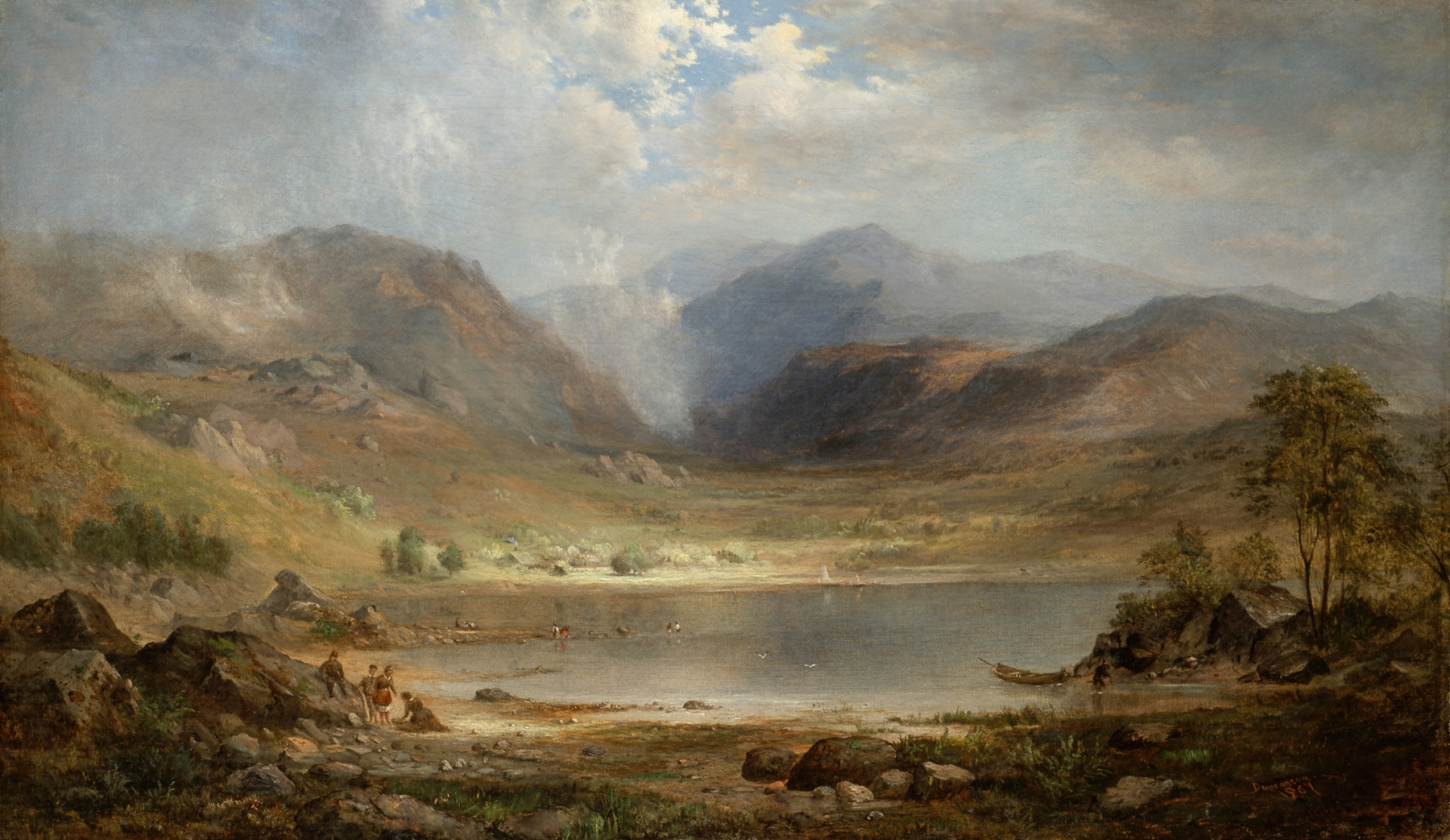
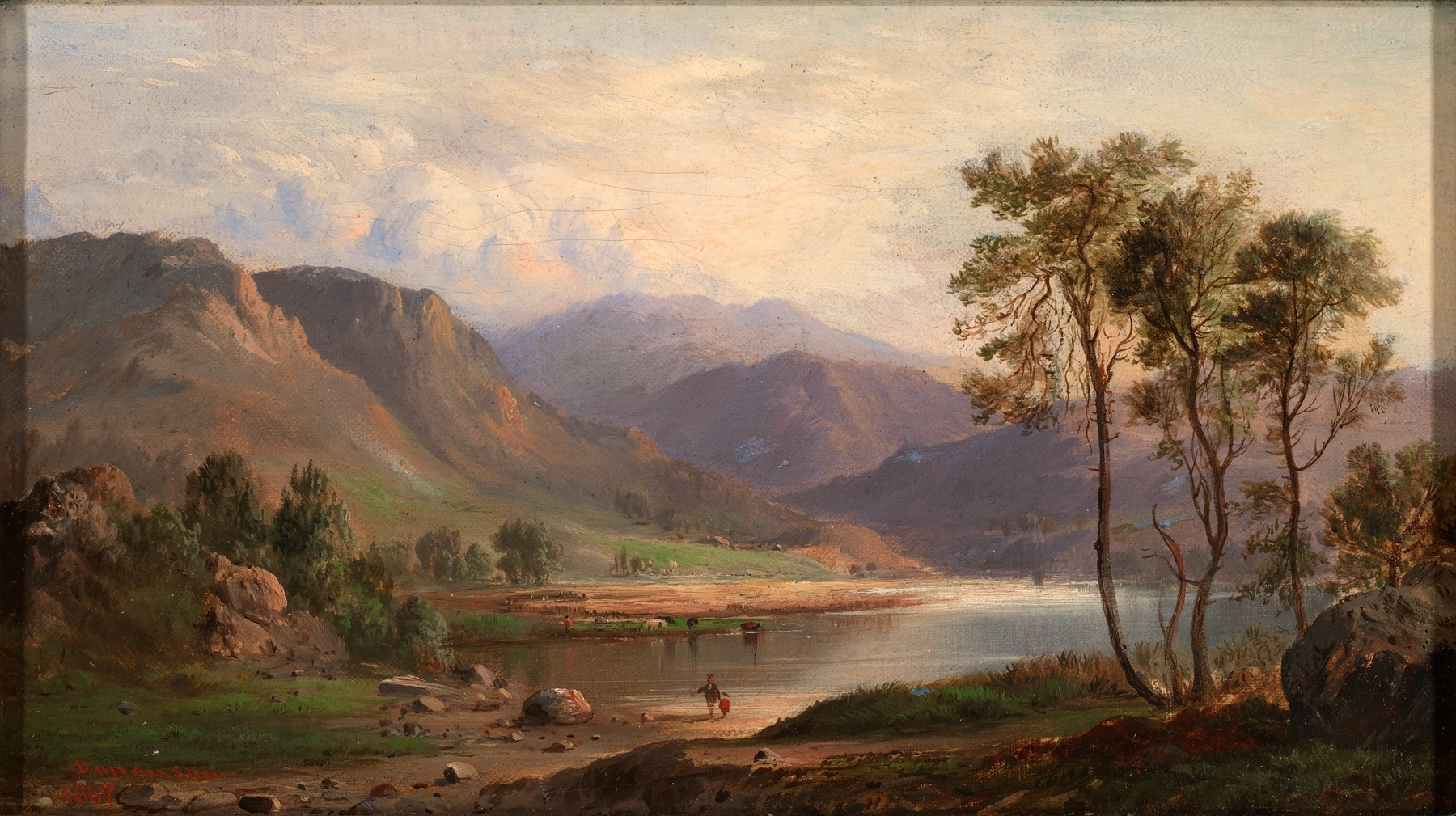
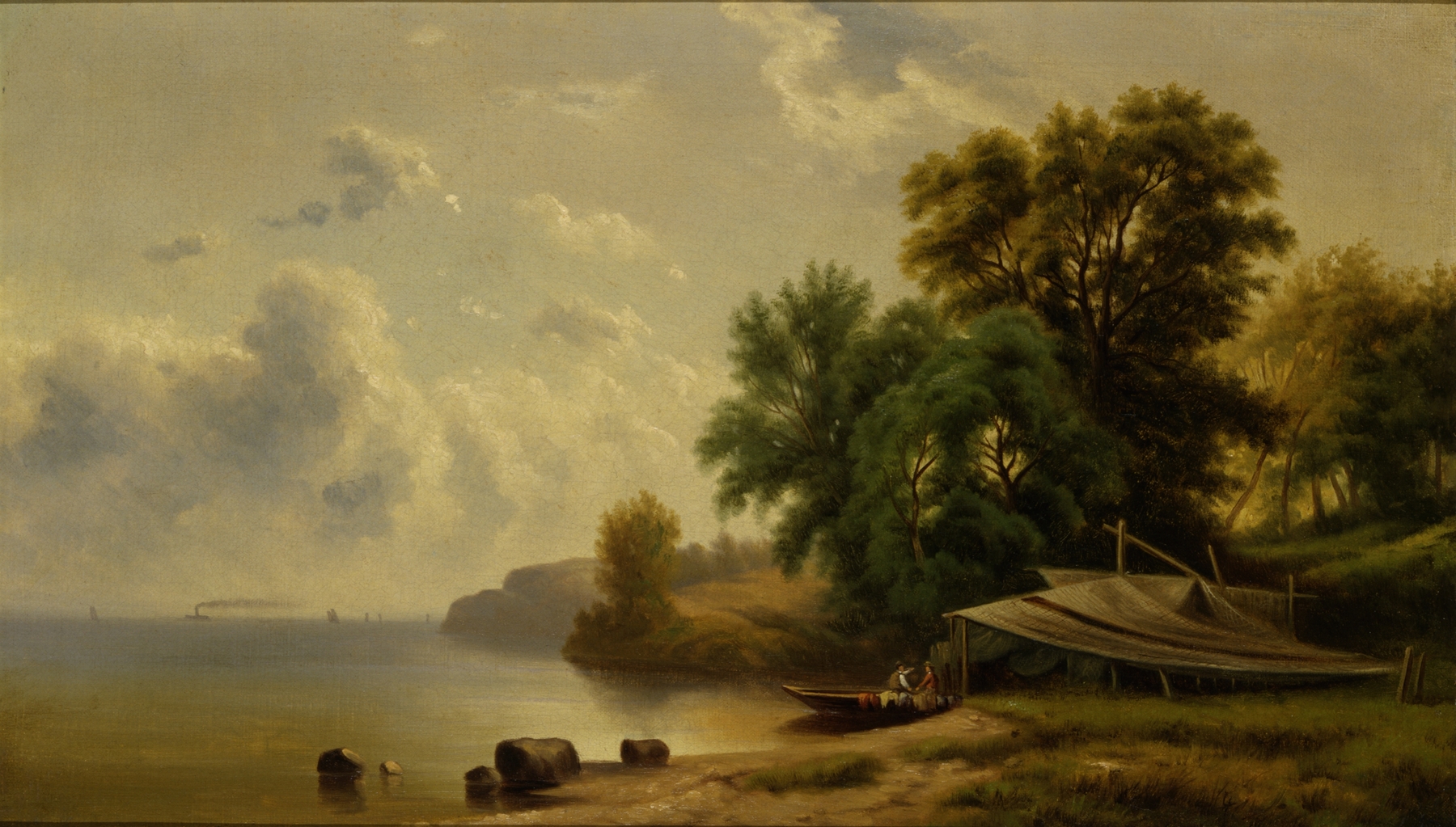
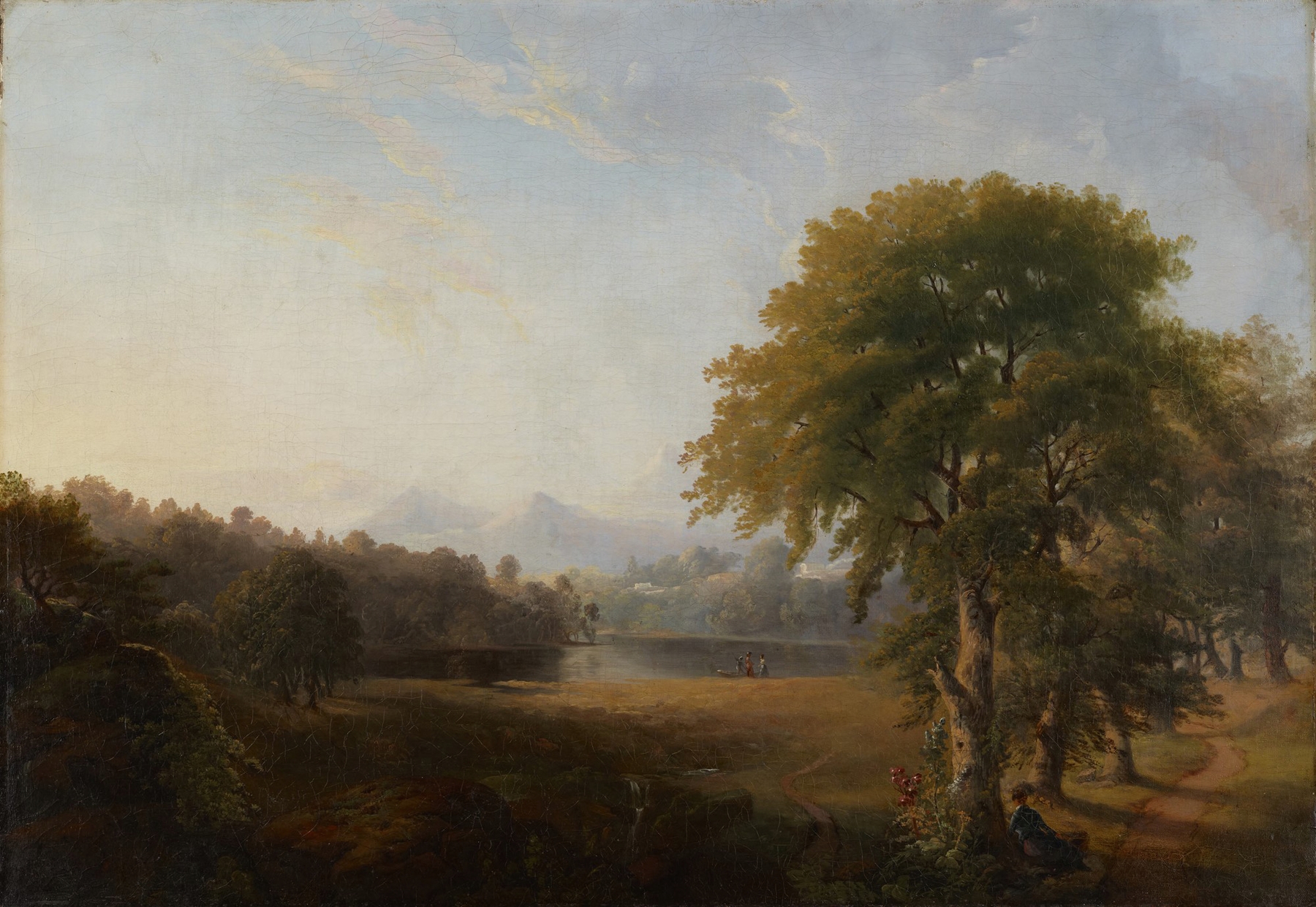
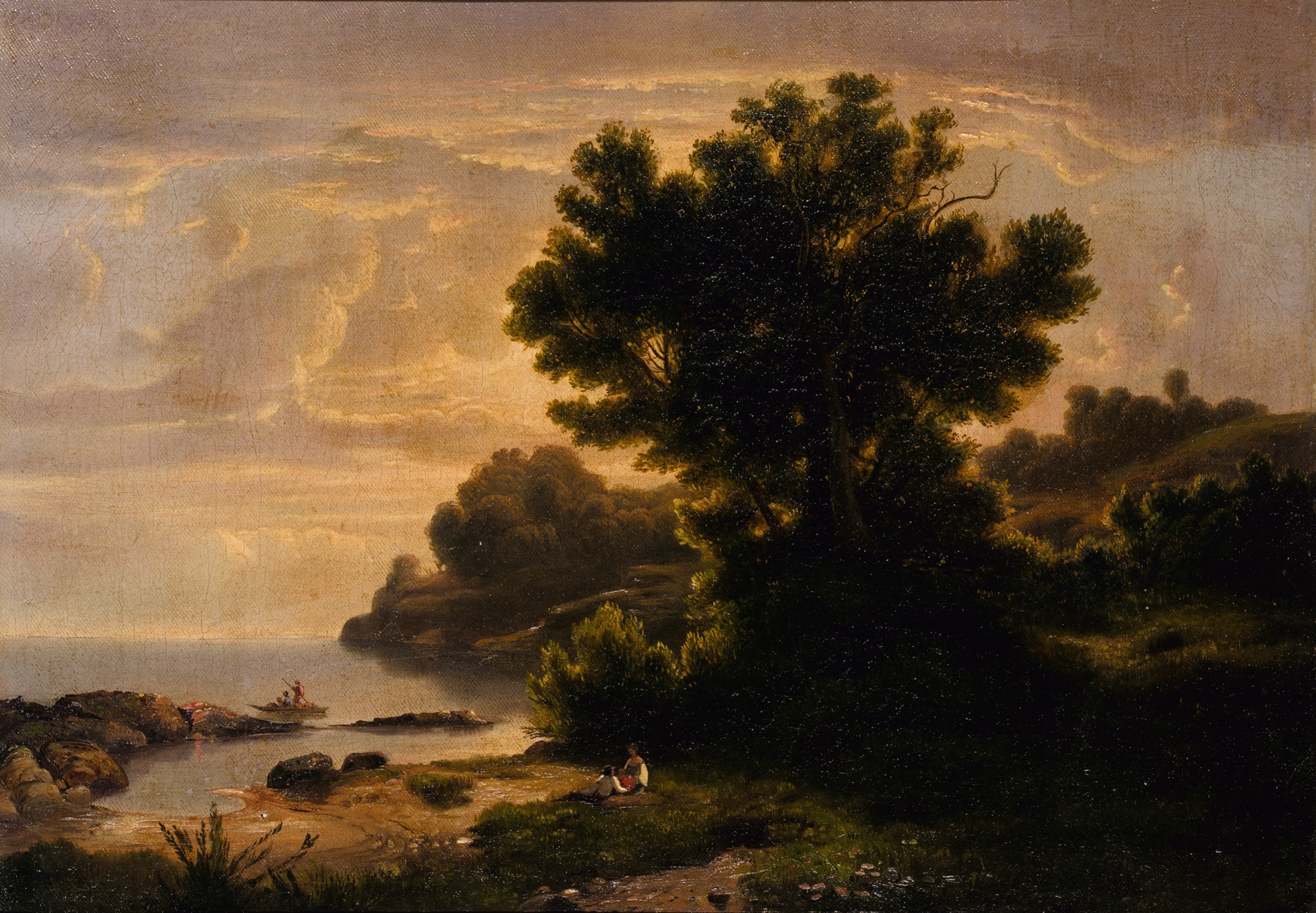
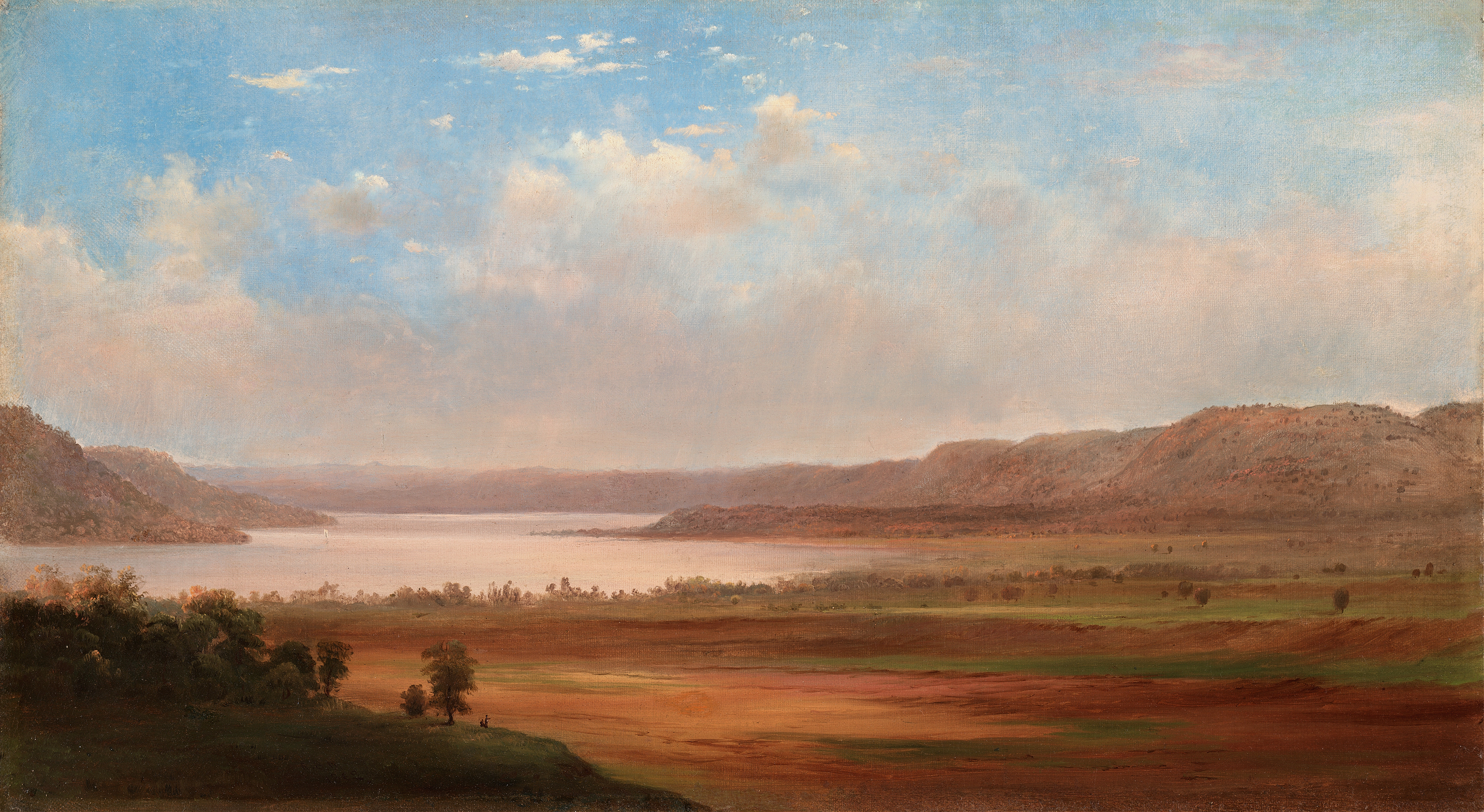
“Every silence here is a confession.” In this serene landscape, the stillness of water and sky holds the weight of unspoken truths, reflecting the tumult of a nation on the brink of change. The beauty of the scenery belies the revolutionary spirit that permeated the era, inviting contemplation on the quiet battles fought as much within the soul as on the fields of conflict. Look to the horizon where the gentle undulations of the hills meet the shimmering surface of Lake Pepin. Duncanson’s palette of soft greens and blues creates a harmony that pulls the viewer’s gaze across the water, while the delicate interplay of light and shadow adds depth to the scene.
Notice how the wisps of clouds mirror the ripples below, each stroke of the brush capturing the fleeting moments of nature’s tranquility and inviting you to linger. Yet, beneath the surface rests an undercurrent of tension. The calm expanse hints at the struggles for freedom and identity surrounding Duncanson, who, as a Black artist, navigated a world rife with prejudice. The juxtaposition of idyllic scenery against the backdrop of societal upheaval speaks to the duality of existence—where beauty and strife coexist, reminding us that revolution often begins in silence.
In 1862, Duncanson was in his prime, creating numerous landscape paintings that reflected both his personal journey and the broader context of American art. Living in Cincinnati, he was at the heart of burgeoning artistic movements while grappling with the realities of racial discrimination. This piece emerges from a period when his work began to resonate on a national scale, encapsulating both the hope and the discord of an America poised for transformation.