A View of Asheville, North Carolina — History & Analysis
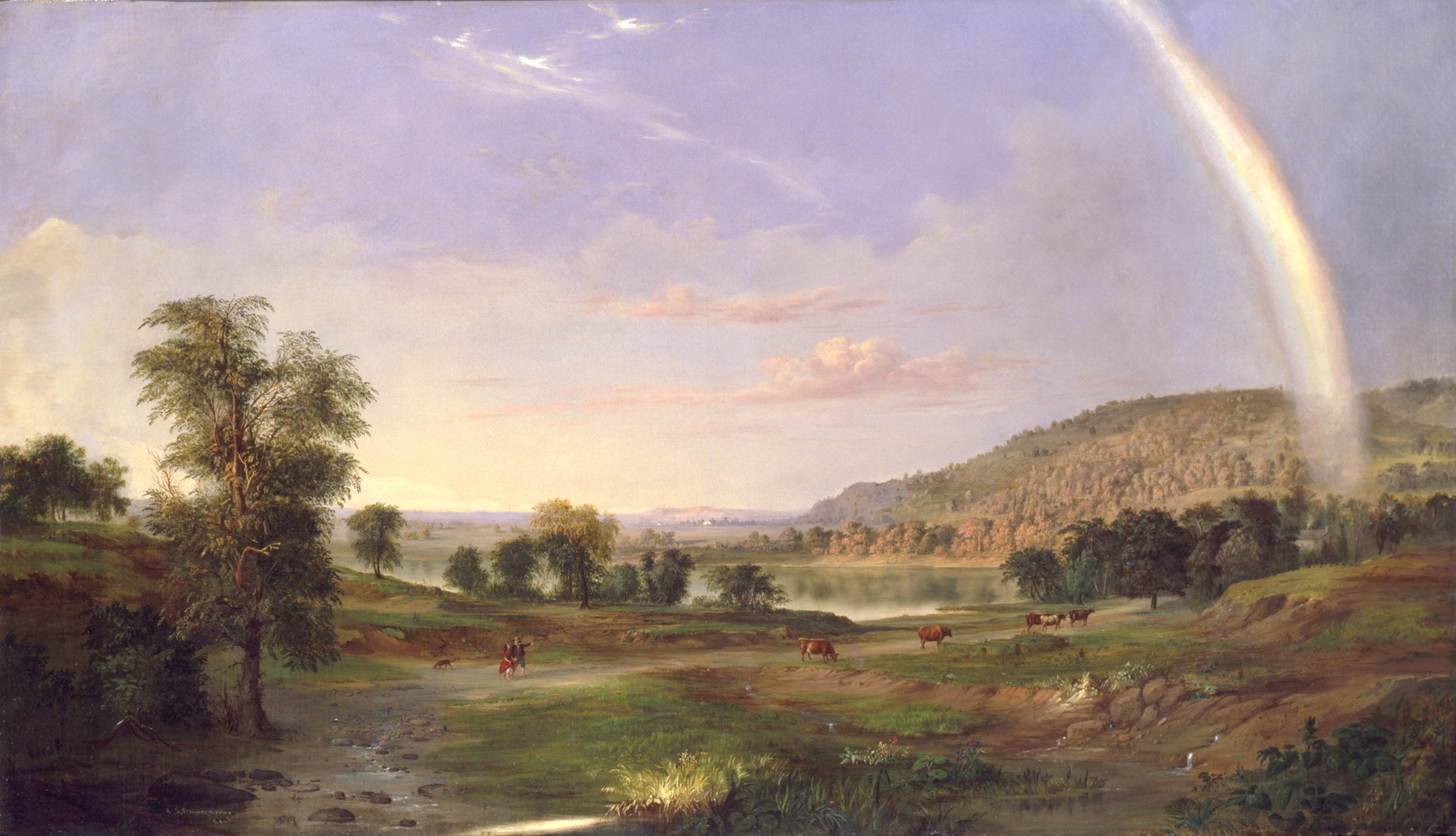
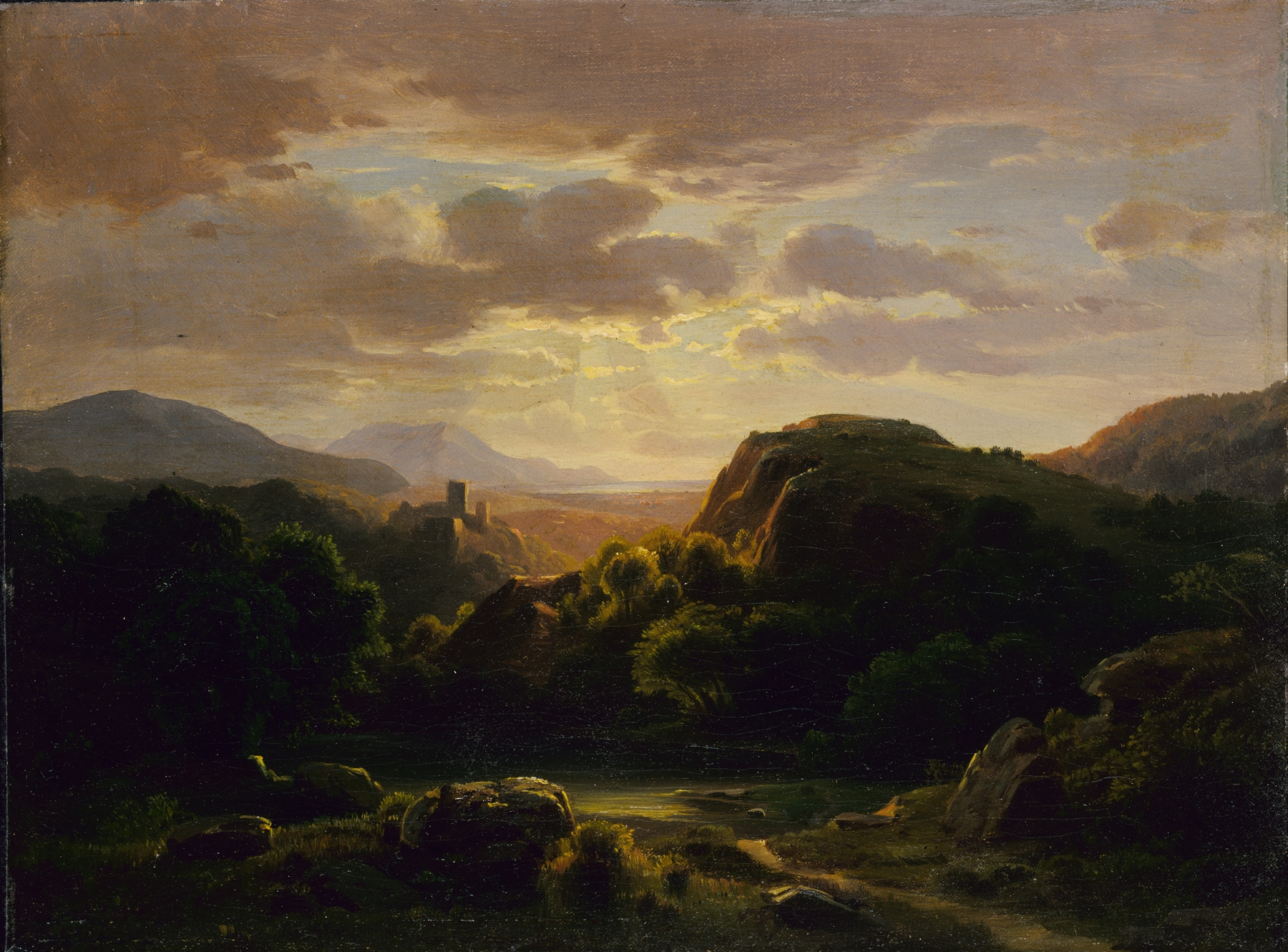
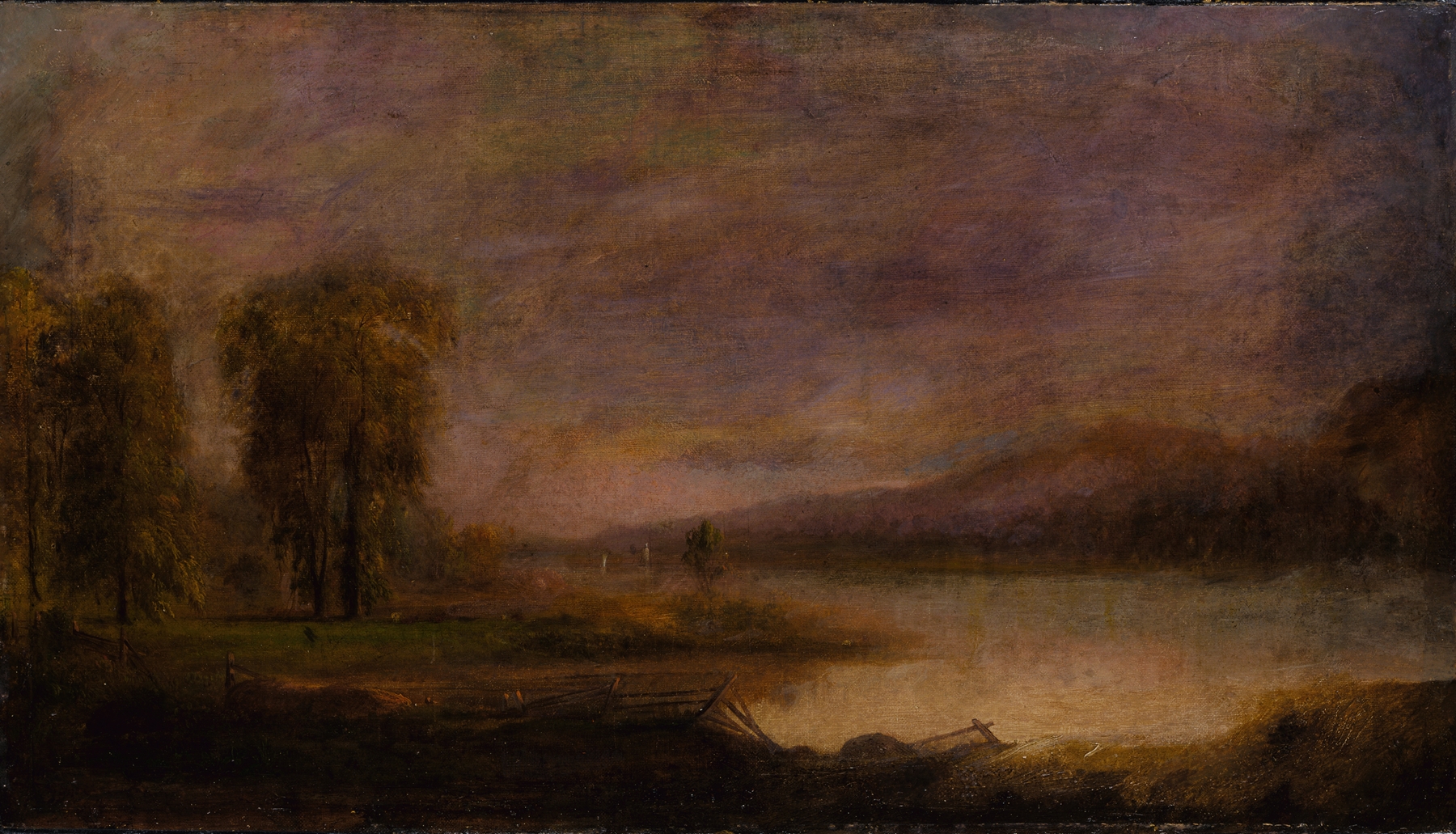
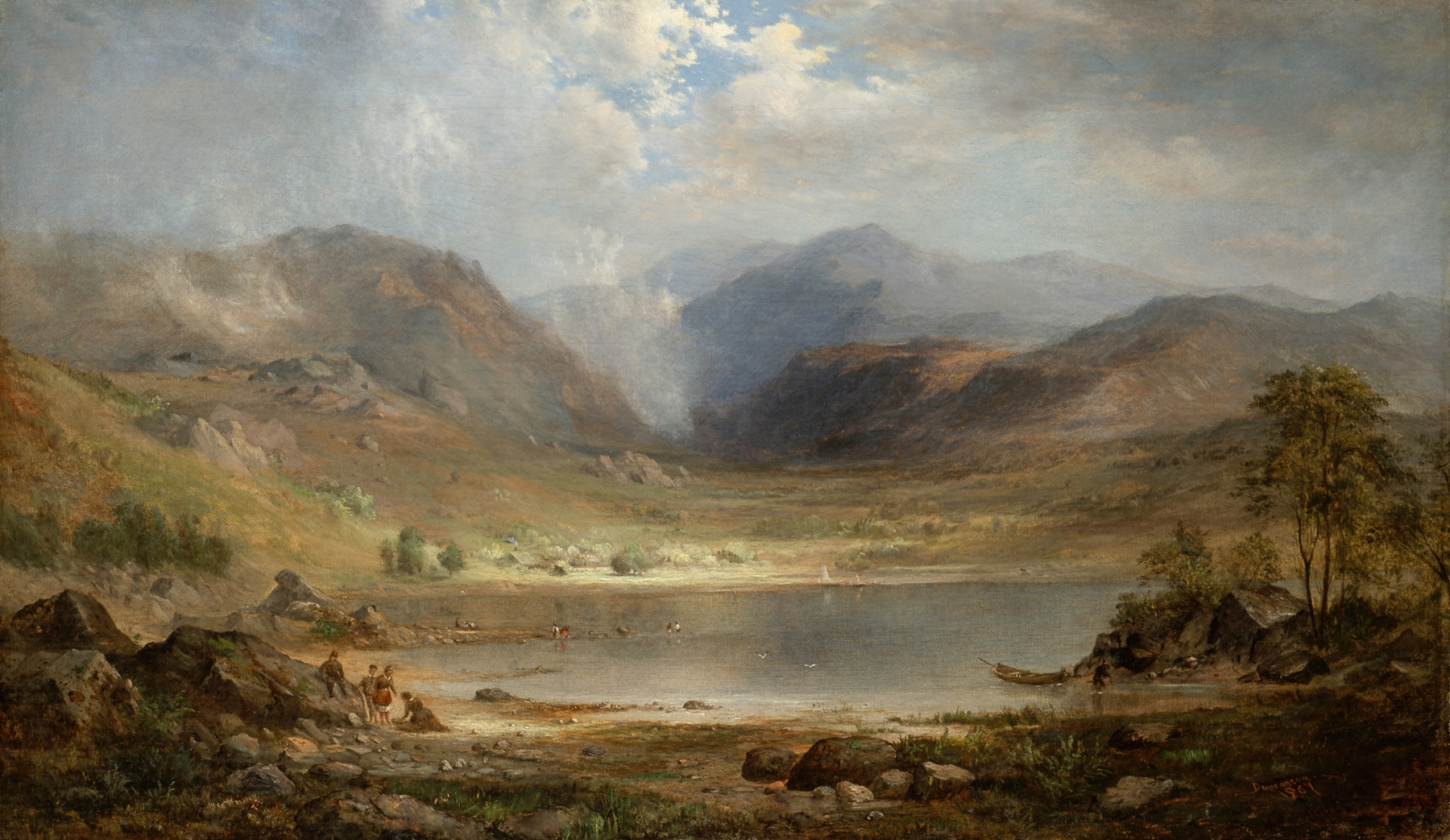
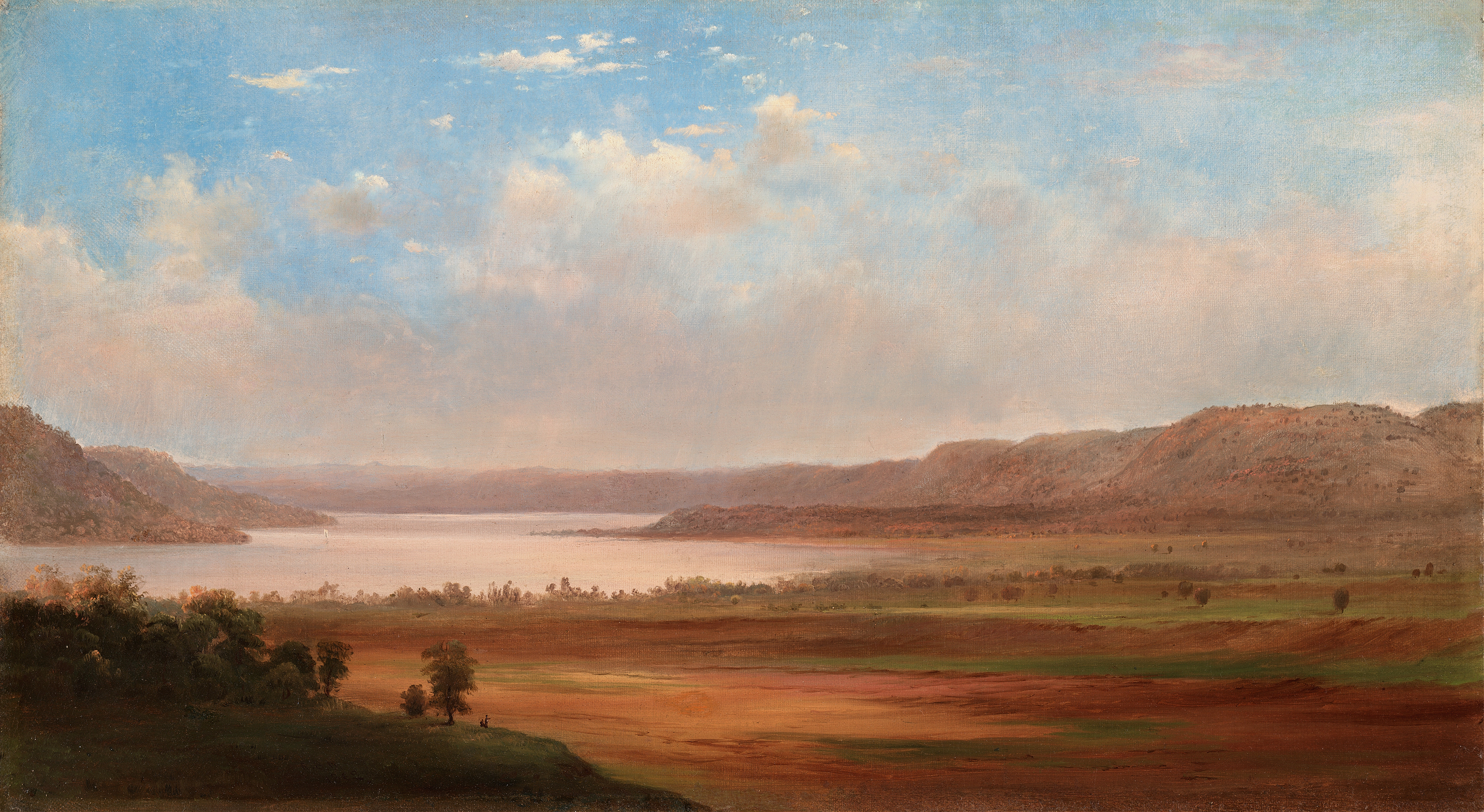
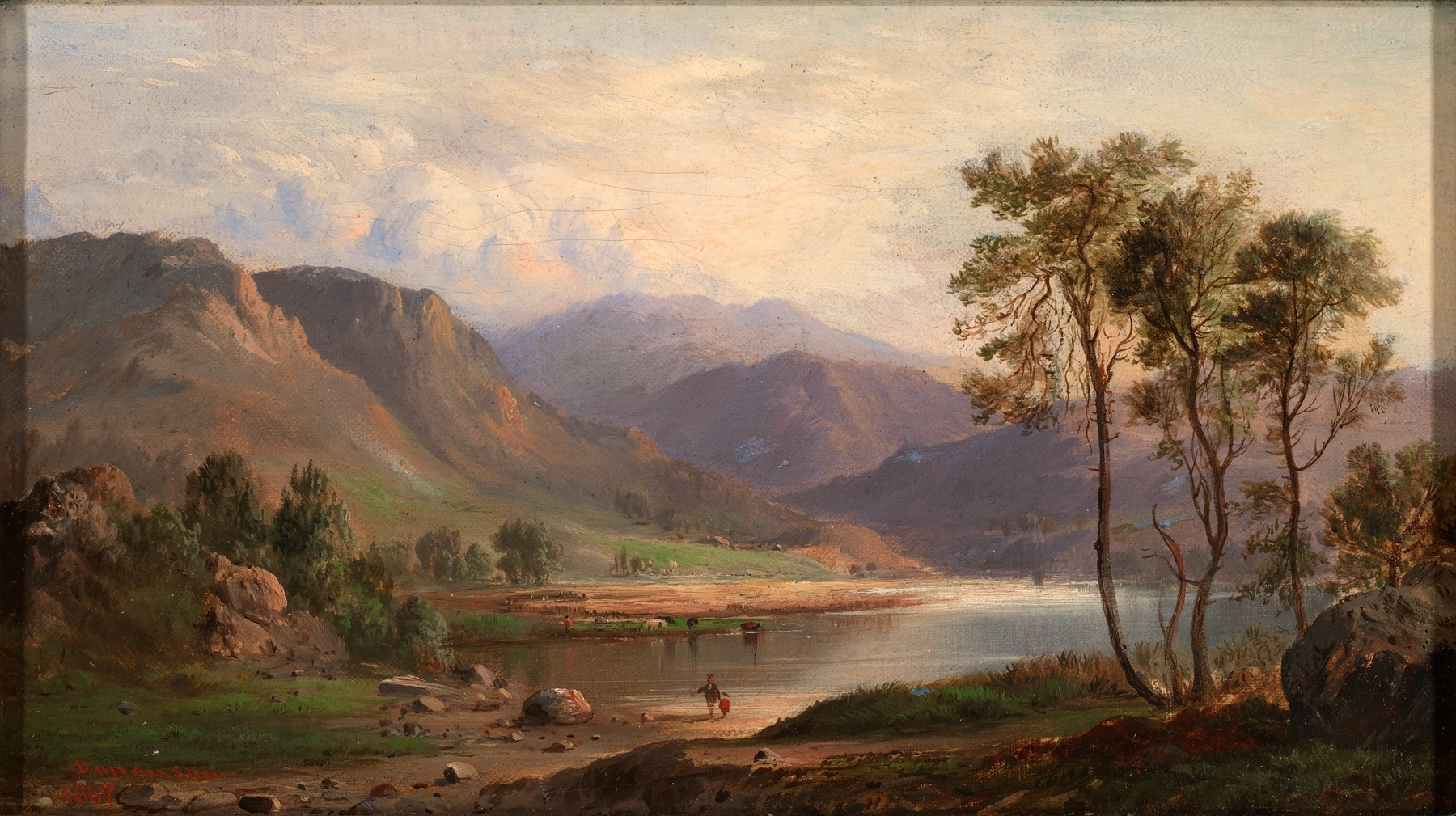
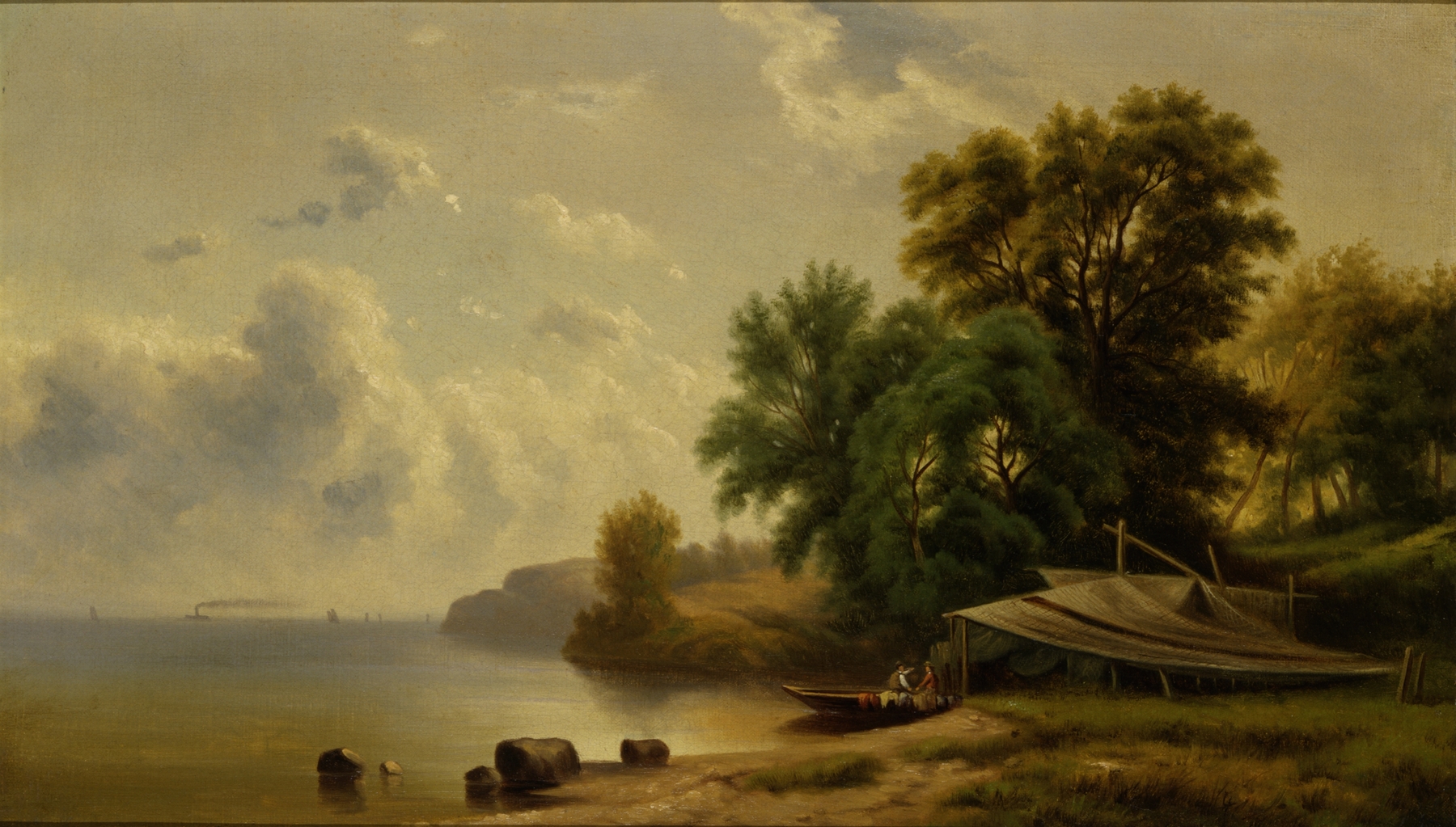
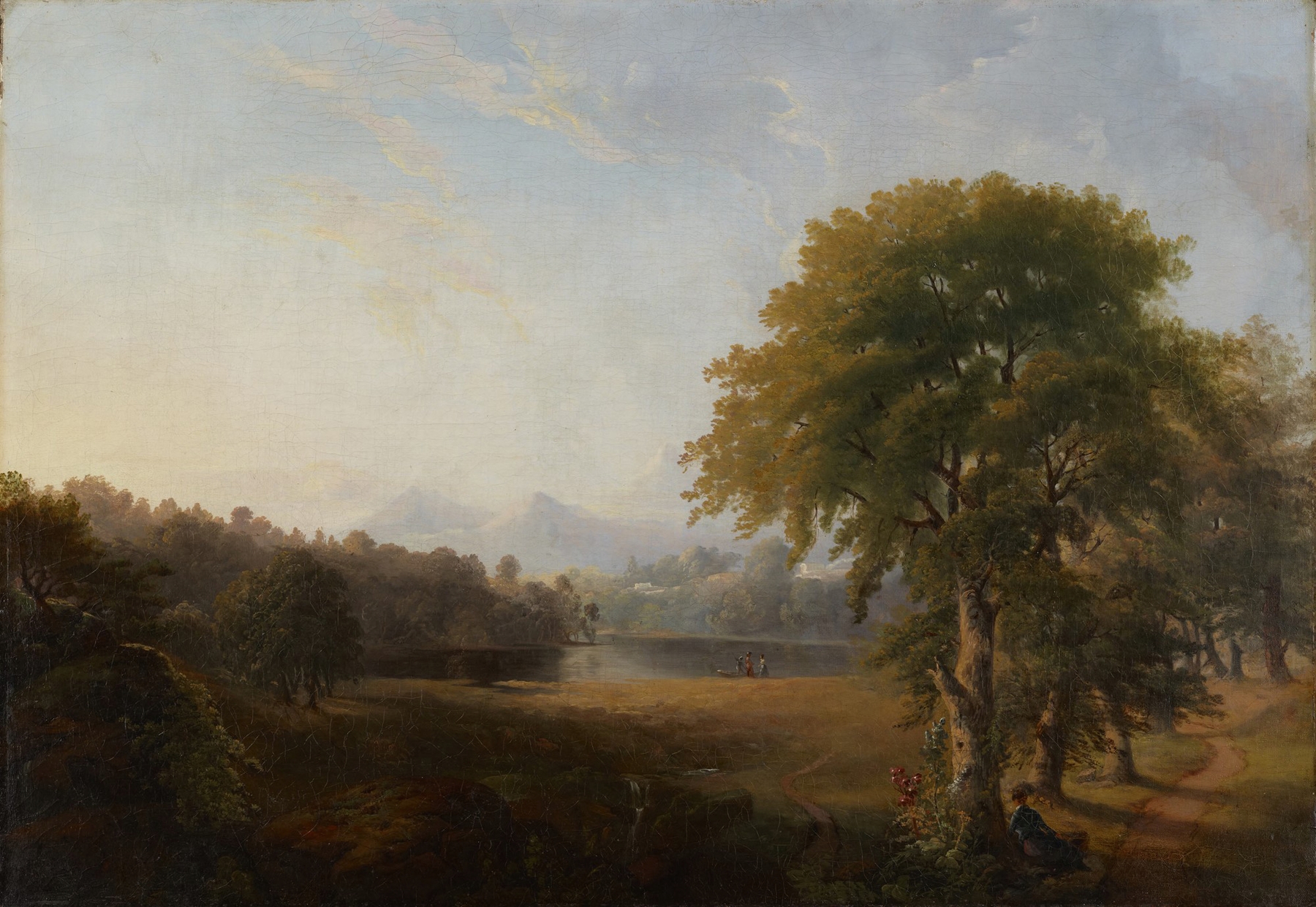
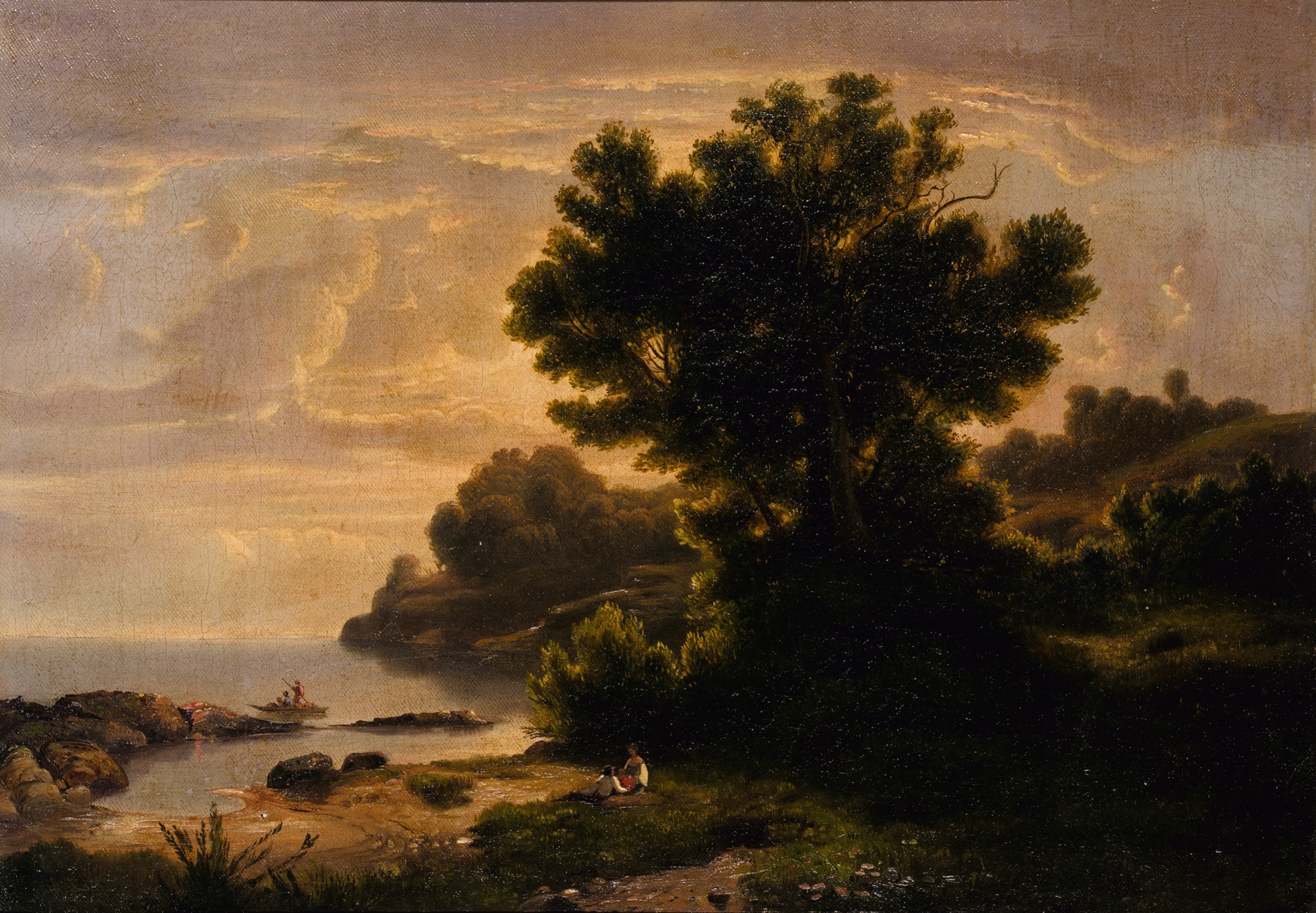
When did color learn to lie? The vibrant hues of a landscape can mask the transient nature of life, inviting reflection on what remains unseen beneath the surface. Look to the center of the canvas where rolling hills embrace the sky, a picturesque vista framed by lush greenery. Notice how the artist employs a dappled light, cascading over the terrain and casting gentle shadows that breathe life into the scene.
The interplay of warm ochres and cool blues creates a harmonious balance, guiding the viewer’s gaze through the undulating forms of nature, while the textures of the trees invite a tactile response that enhances the sense of place. Yet, there exists an underlying tension in this idyllic representation. The serene beauty of the scene juxtaposes with the fleeting nature of existence, as the vibrant colors suggest a vitality that will inevitably fade. The distant mountains loom, hinting at the permanence of the landscape, while the foreground dances with the fragility of life, as if whispering the transient stories of those who once inhabited it.
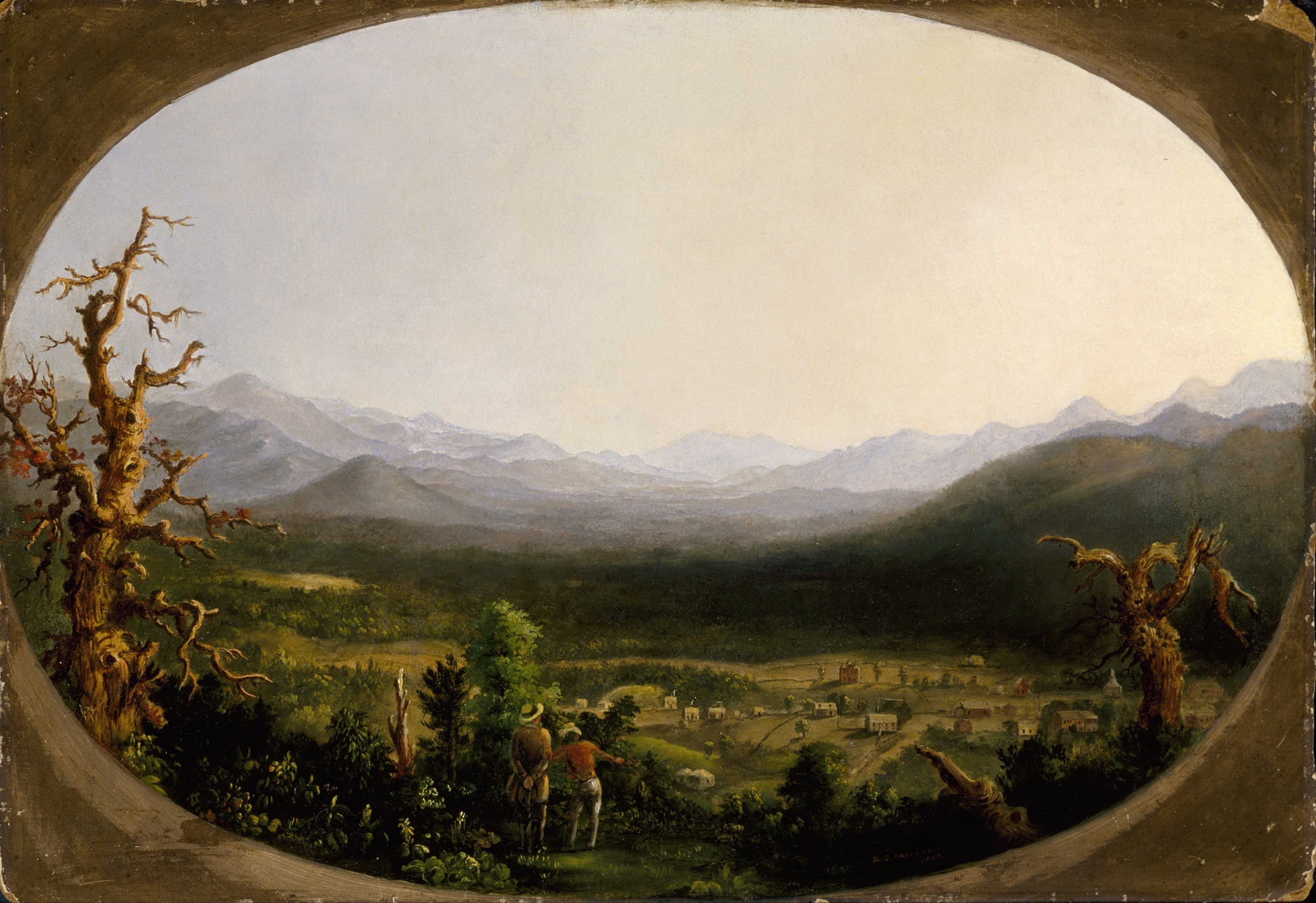
Duncanson captures a moment in time that teeters on the brink of both joy and melancholy, reminding us that beauty is often intertwined with the specter of mortality. In 1850, Duncanson painted this work during a period of personal and artistic growth, as he emerged as a prominent African American landscape artist. Living in Cincinnati, he found inspiration in the Appalachian scenery, reflecting the burgeoning interest in American landscapes amidst a changing nation. This painting is not just a geographical depiction; it is a testament to the complex layers of identity and experience he navigated within the art world of his time.