L’Oise à Pontoise — History & Analysis
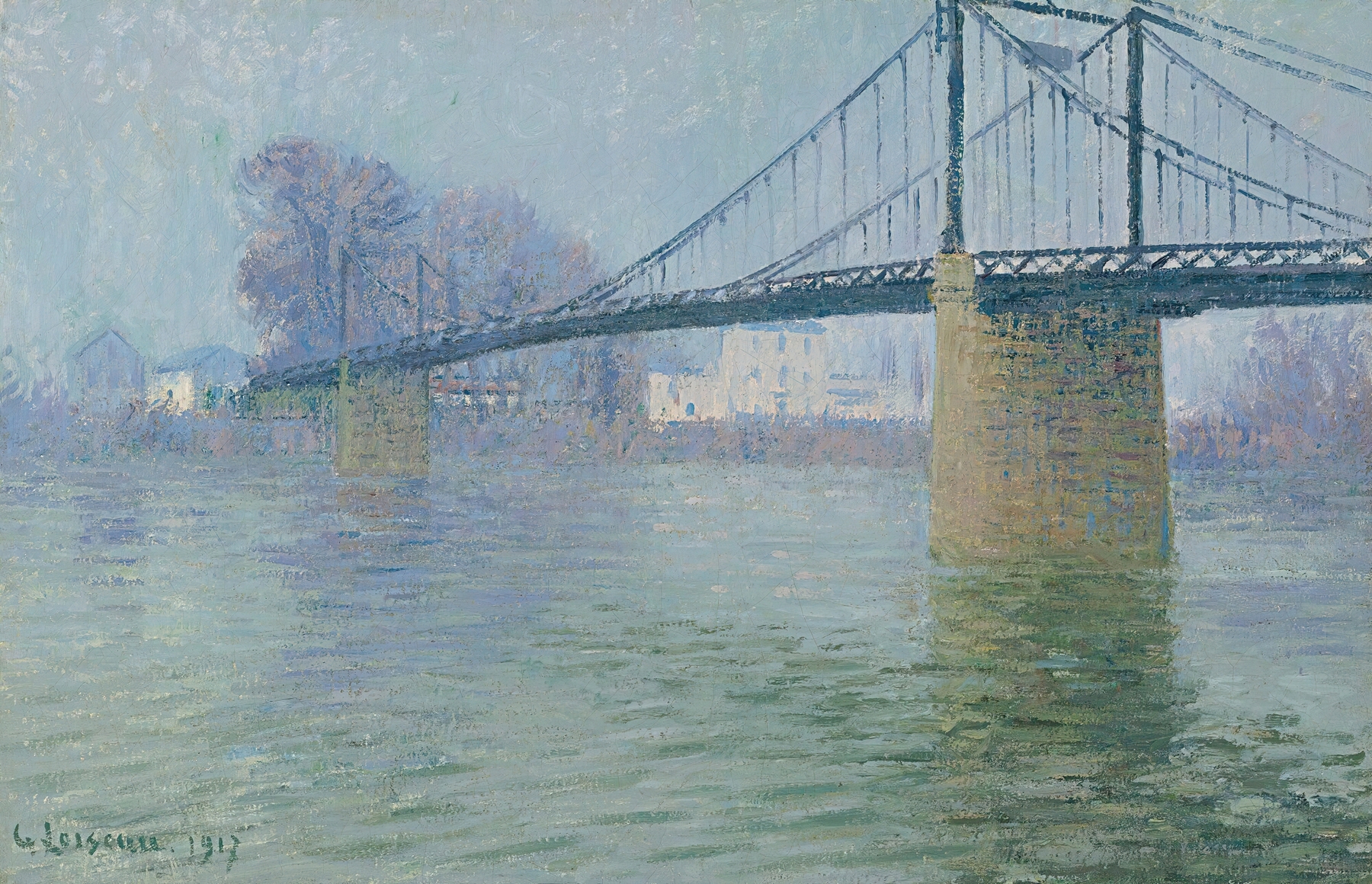
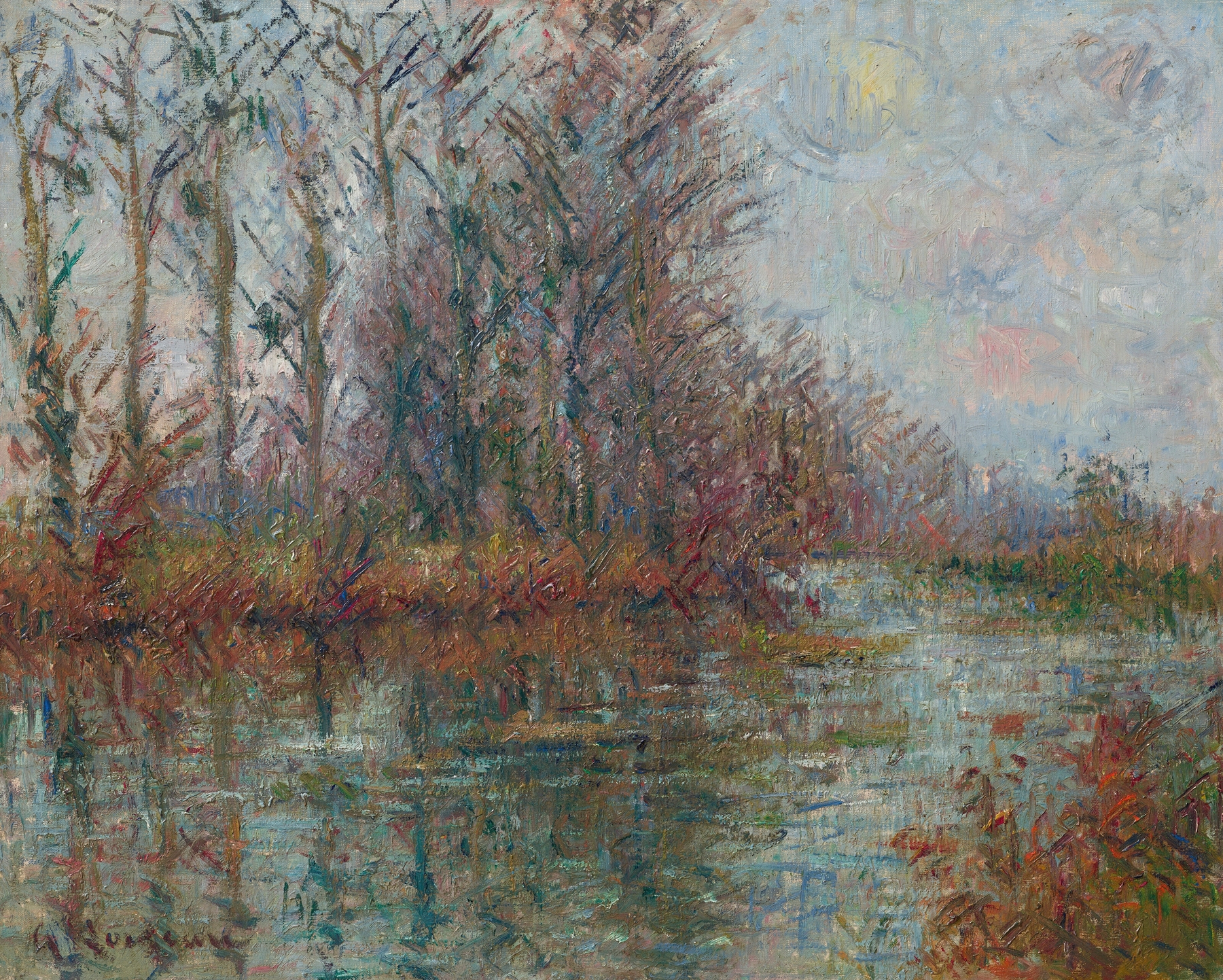
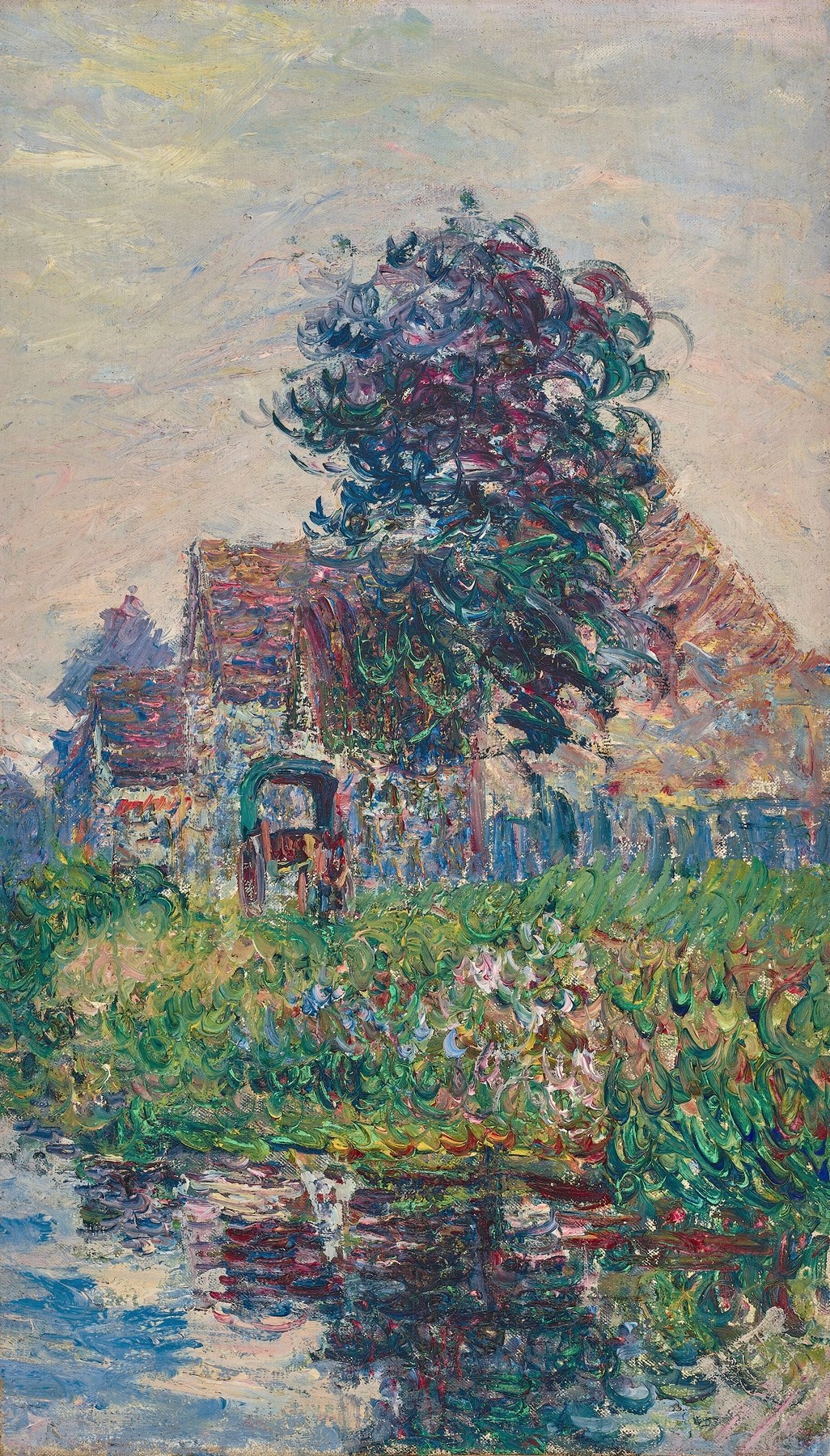
Could a single brushstroke hold eternity? In L’Oise à Pontoise, the landscape whispers of an intimate yet tumultuous relationship between nature and the artist, evoking a sense of betrayal that lingers like the fading light of dusk. Look to the left at the soft, undulating riverbank, where strokes of vibrant greens mingle with deep blues. The water reflects a tapestry of the sky above, capturing the day’s final breath in delicate brushwork.
Notice how the light plays gently on the surface, creating a shimmer that suggests both tranquility and an underlying tension, as if nature is concealing secrets beneath its serene facade. The composition draws the viewer’s eye toward the horizon, where fragmented clouds seem to echo their own silent stories. In this artwork, the contrast between the lively brushstrokes of the foliage and the calm, almost melancholic water reveals deeper layers of emotion. The vibrant hues suggest life and vitality, yet the subdued undertones whisper of loss or disillusionment.
Each stroke hints at the artist’s struggle with his own perceptions, suggesting a rift between beauty and despair—a betrayal of the idyllic scenes often romanticized in art. In 1904, the artist was based in Pontoise, a hub of the impressionist movement, where he often painted the serene landscapes enveloping the Oise River. During this time, he navigated his artistic evolution, grappling with the need to convey genuine emotion through color and form. The world was on the brink of modernity, and Loiseau’s work reflected both the beauty of the natural world and the burgeoning complexities of human experience.