Lookout Mountain, Tenn. — History & Analysis
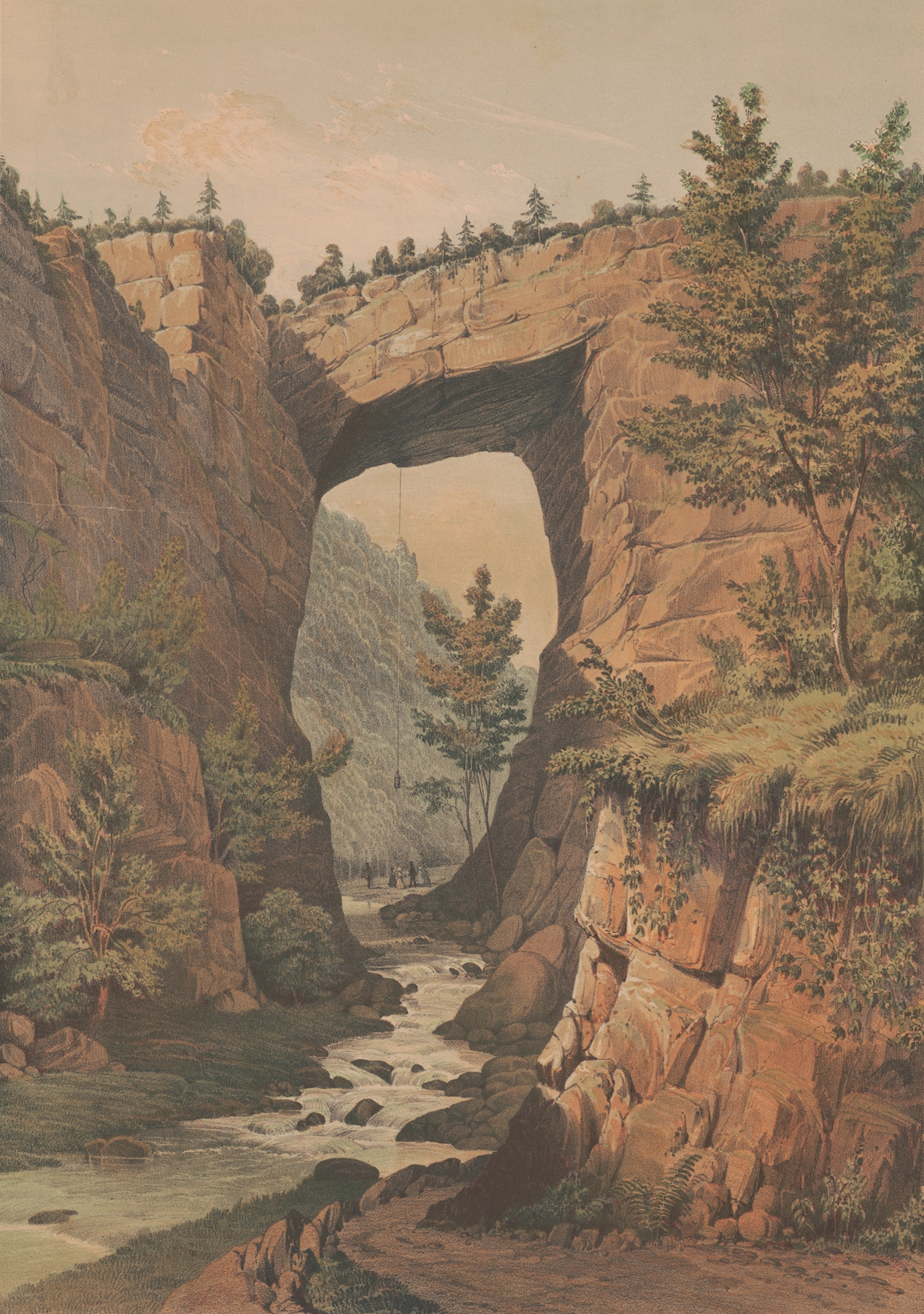
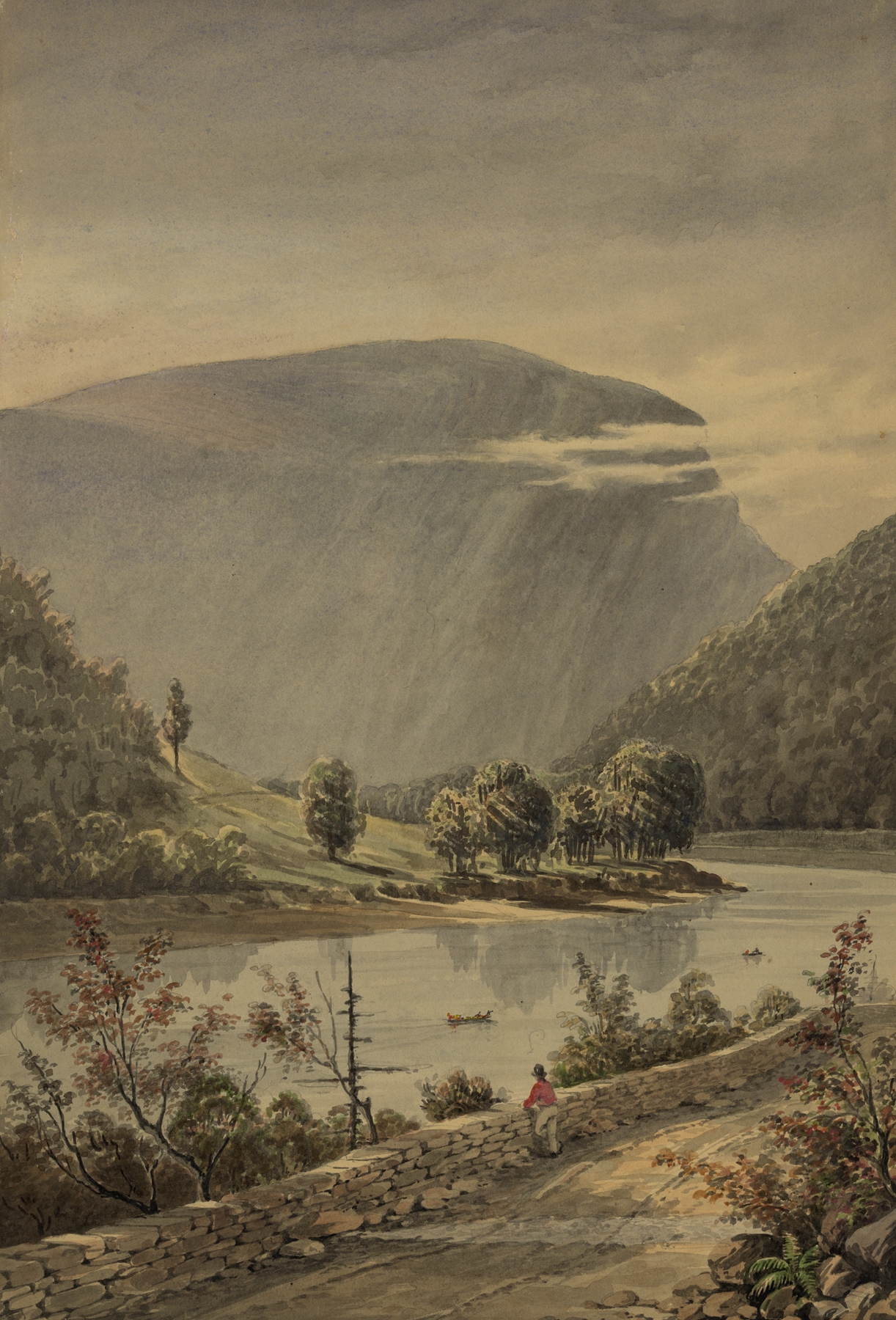
“To paint is to remember what time wants us to forget.” In a world often racing forward, the stillness captured in this work brings forth a wave of tranquility that washes over the viewer. Look closely at the horizon and you’ll see the delicate embrace of rolling mountains, their soft curves merging seamlessly with the calm sky. The artist employs a gentle palette of blues and greens, evoking a sense of peace that envelops the scene. Notice how the light dances across the landscape, creating a subtle interplay of shadow and highlight that adds depth and dimension to the composition.
Each brushstroke seems to whisper the promise of serenity, inviting the viewer to pause and appreciate the beauty of nature. Within this serene vista lies a contrasting world; the tranquility of the mountains stands in stark relief to the tumultuous backdrop of the Civil War era. It serves as a poignant reminder of the chaos surrounding the artist's life, and perhaps, a yearning for peace in both the natural world and within one’s soul. The serene landscape can also symbolize resilience, as nature endures amidst human conflict, offering solace in the simplest of forms.
During the years between 1863 and 1870, the artist created this piece while navigating a tumultuous time in American history. After spending much of his early career as a painter in Philadelphia, he sought inspiration in the serene landscapes of Tennessee. The post-war landscape reflected a nation grappling with change, and through his work, he immortalized a moment of quiet amidst the storm.