Man walking with mule on a footpath along the shore of the Schuylkill River — History & Analysis
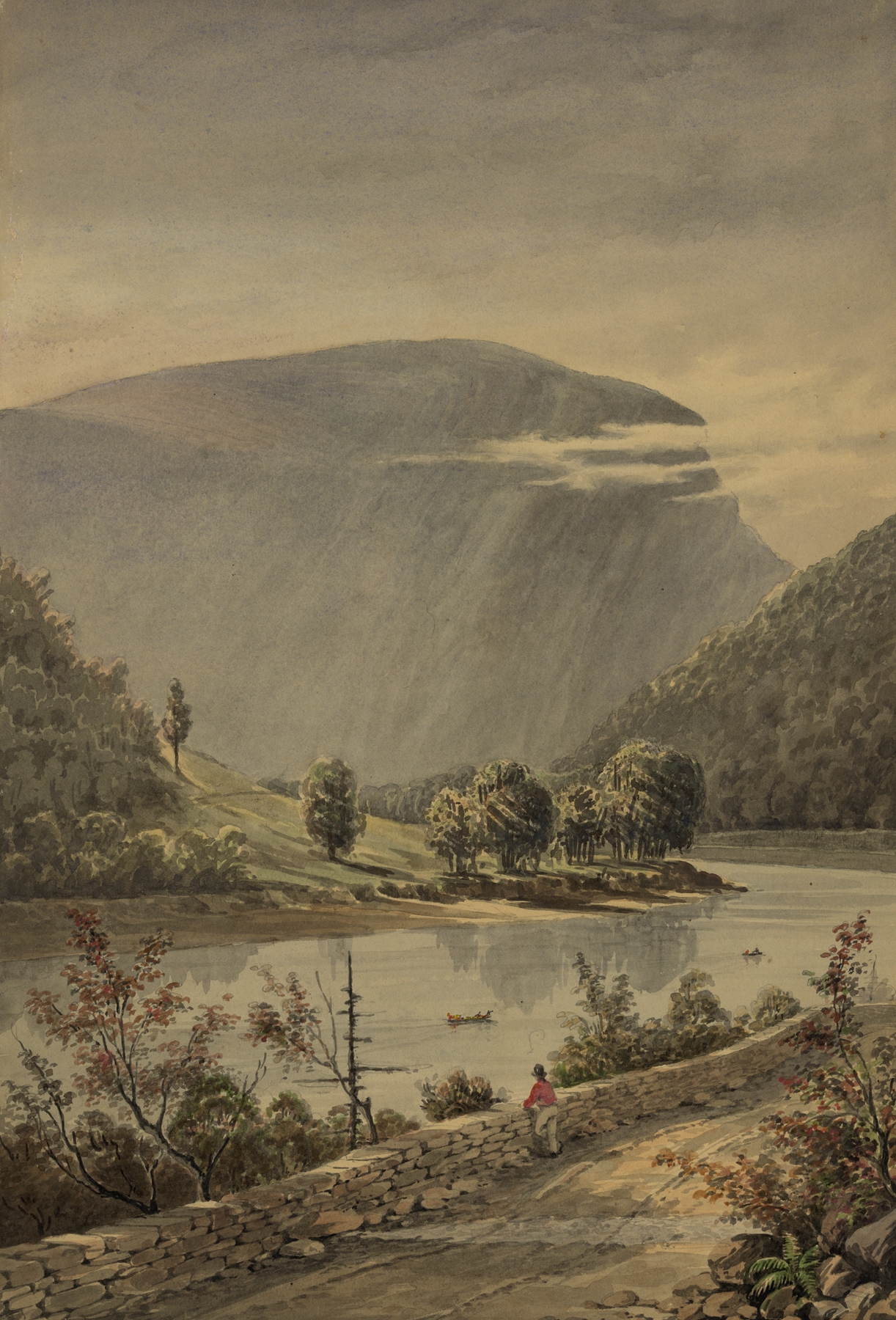
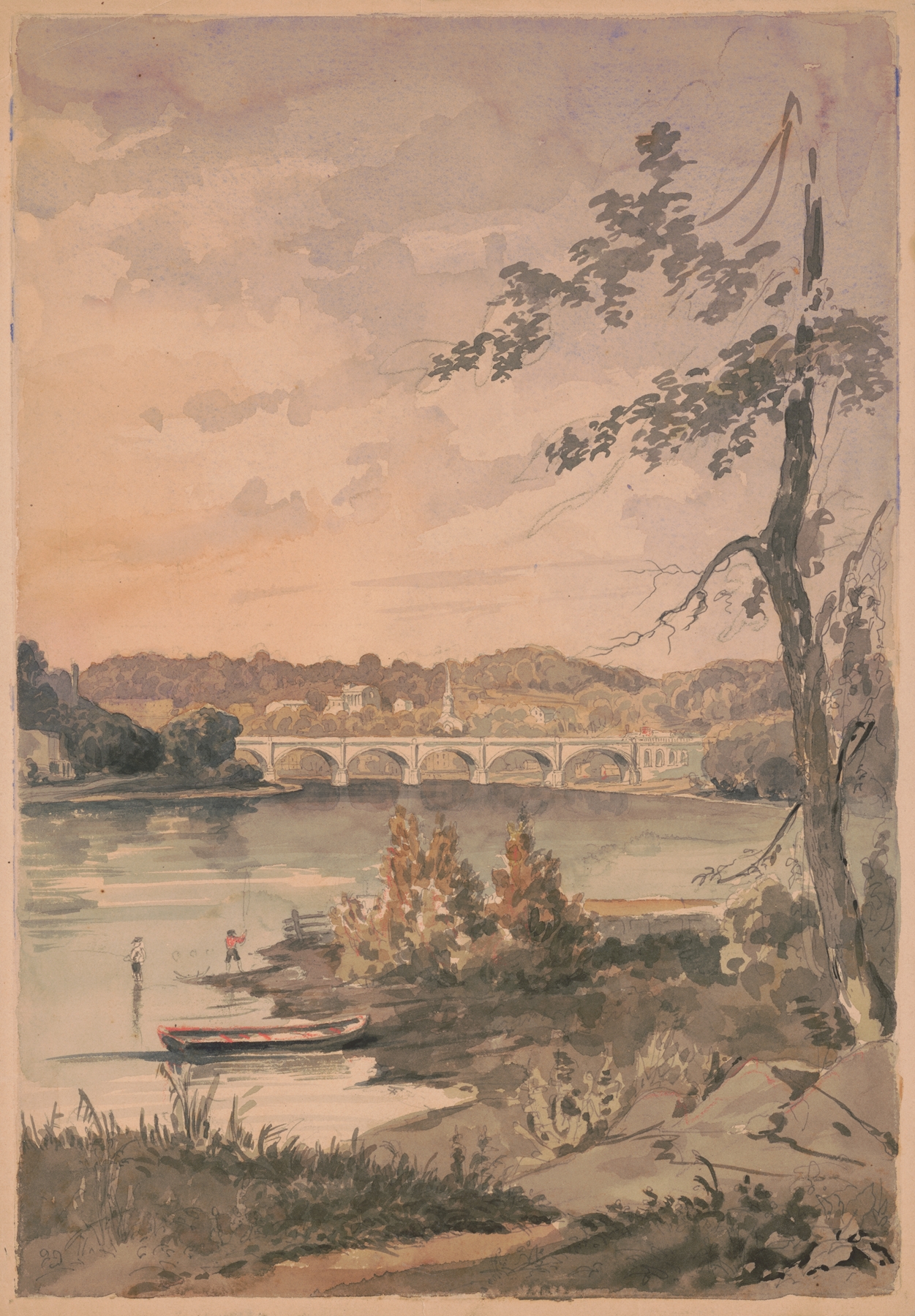
Who listens when art speaks of silence? In James Fuller Queen's Man walking with mule on a footpath along the shore of the Schuylkill River, the quietude of a solitary journey unfolds, inviting contemplation on the nature of dreams and the whispers of nature. Look to the left, where the river gently meanders, its shimmering surface reflecting the soft hues of the sky. Notice the figure of the man, clad in humble attire, leading his mule along the worn path, each step echoing a history of labor and perseverance.
The muted earth tones harmonize with the tranquil blues of the water, while the delicate interplay of light and shadow captures a moment suspended in time, inviting your eyes to wander across the landscape's serene expanse. In this work, the stark contrast between the quiet figure and the expansive river represents the tension between individual existence and the broader currents of life. The mule, a steadfast companion, symbolizes the burdens carried through dreams and reality, while the gentle flow of the river evokes the passage of time. Small details, such as the rustling foliage and distant hills, forge an intimate connection between man and nature, suggesting that serenity can be found in the simplest of journeys.
Painted between 1873 and 1876, this piece emerged during a period of quiet introspection for the artist, who was immersed in the burgeoning realism movement. Living in Philadelphia, Queen drew inspiration from his surroundings, responding to an era marked by industrial transformation yet anchored in pastoral beauty. This artwork reflects both his personal vision and the changing landscape of American art, where everyday moments began to hold profound significance.