Mme Lili Grenier (recto); Landscape with Church (verso) — History & Analysis

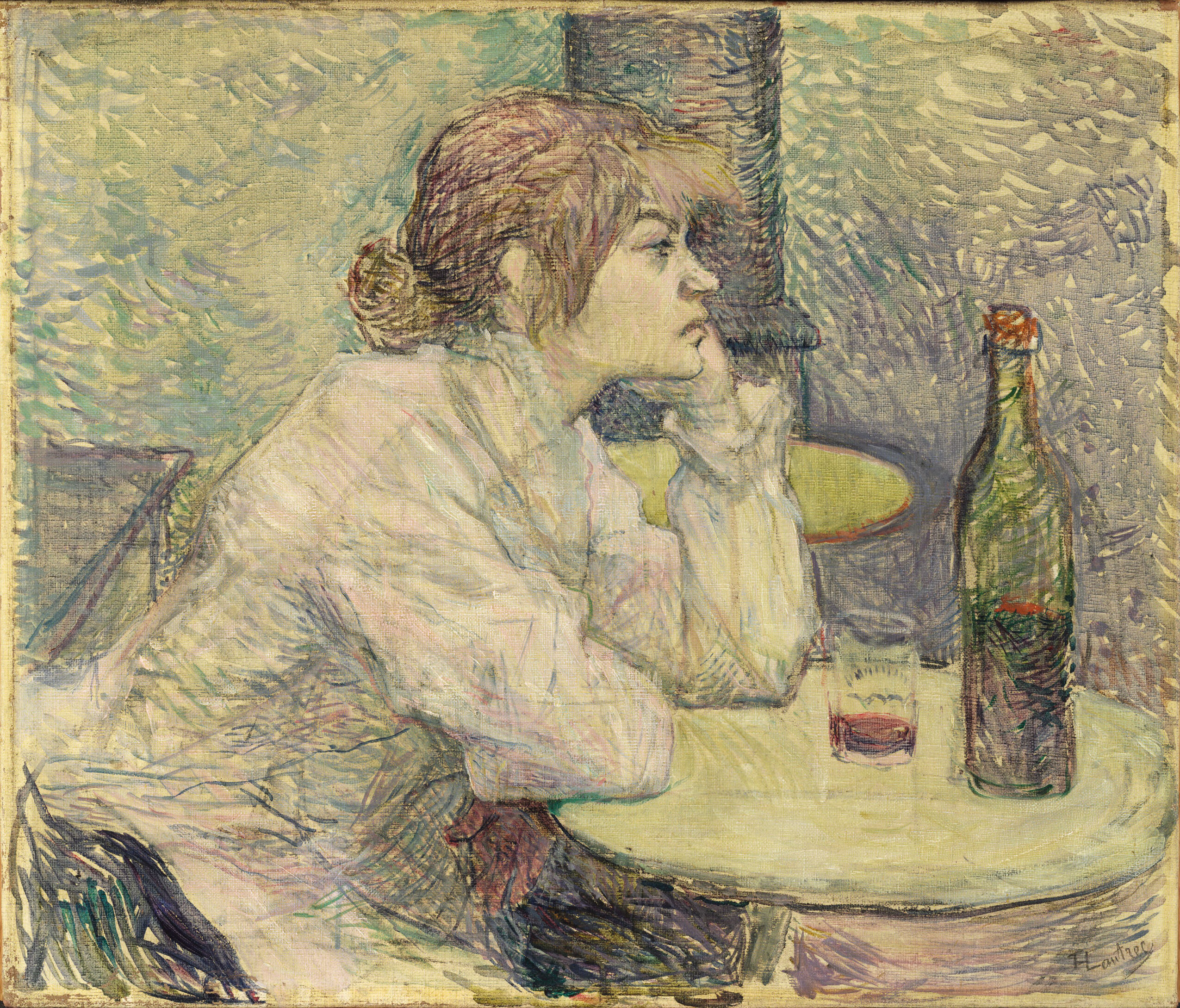
Did the painter know this moment would outlive them? As brush strokes transform pigment into life, the fleeting essence of color captures eternity on canvas. Focus first on the vivid palette that radiates warmth and depth. The portrait side features the captivating Mme Lili Grenier—her rich auburn hair is set against a backdrop of delicate greens and browns, creating an intimate connection that draws the viewer in.
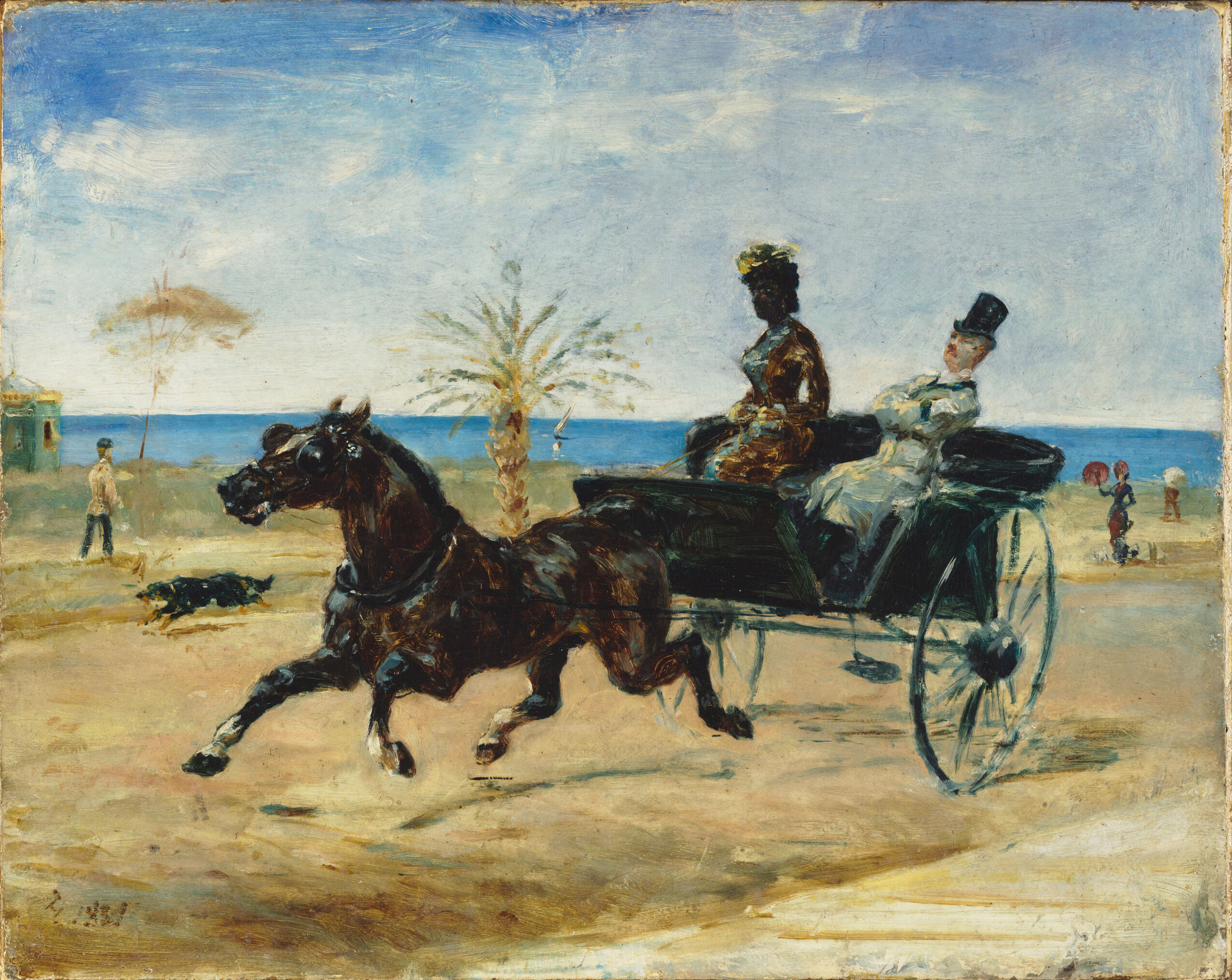
Notice how the light dances across her features, elevating her expression beyond mere appearance into a realm of character and emotion. Flip to the landscape, and the cool blues of the sky contrast poignantly with the earthy tones of the church, grounding the viewer in a serene, pastoral moment. Beneath the surface of these distinct compositions lie emotional tensions that speak to the artist's perception of beauty and transience. The juxtaposition between the lively vivacity of Mme Grenier and the tranquil stillness of the church invites contemplation of life’s duality—its fleeting moments of joy and the permanence of solitude.
This contrast is further emphasized by the brushwork: while the portrait is filled with dynamic strokes that convey movement, the landscape is painted with a softer touch, hinting at the quiet persistence of time. During the years 1885 to 1888, Toulouse-Lautrec created these works in Paris, a period marked by his increasing involvement in the vibrant art scene and his struggles with health issues. At this time, he was influenced by both Impressionism and the burgeoning Post-Impressionist movement, making his explorations of color and form resonate with the transformative spirit of his age.