The Hangover (Suzanne Valadon) — History & Analysis

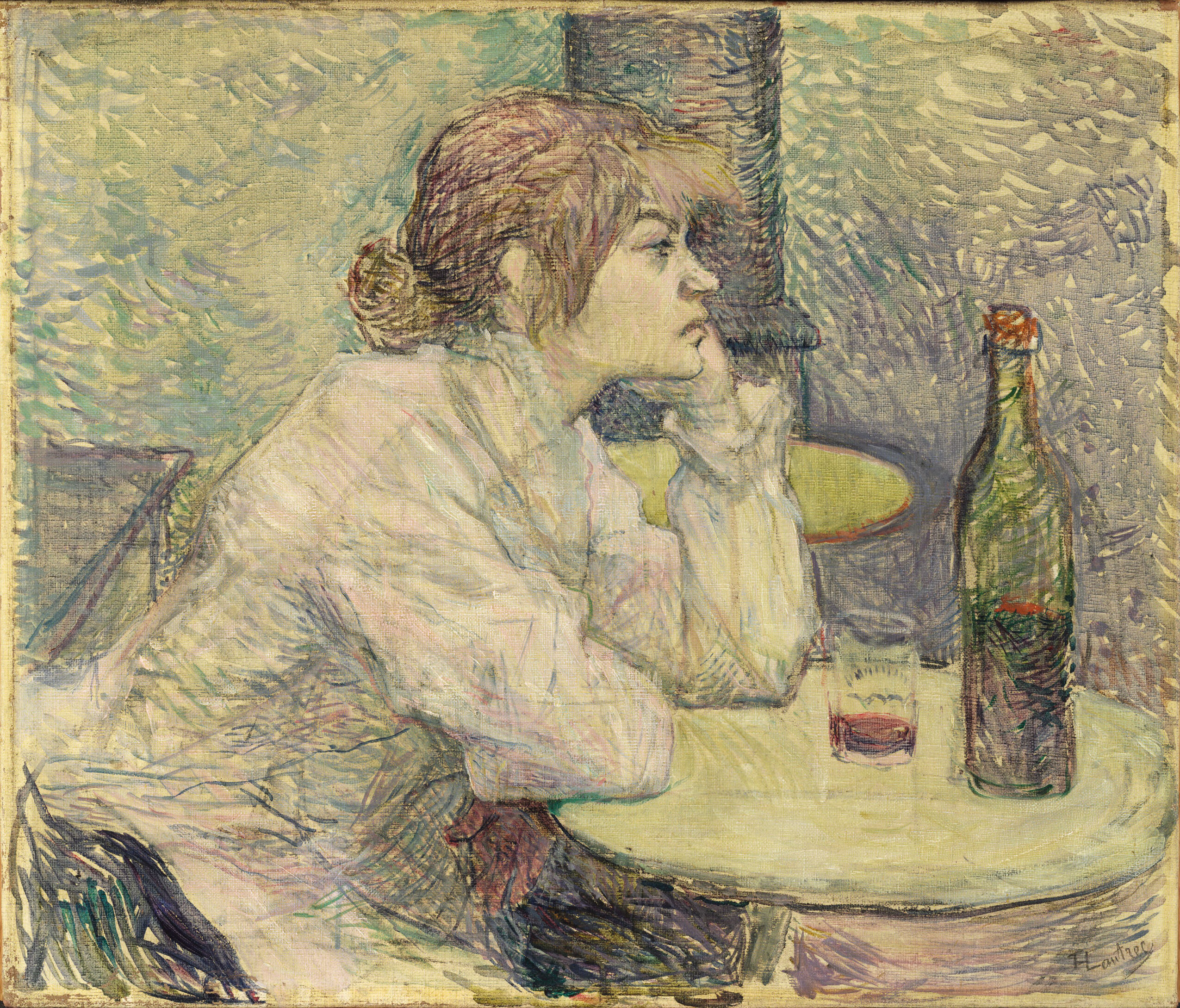
Is this a mirror — or a memory? The blurred lines of reality and recollection collide in *The Hangover*, conveying the heavy weight of an escape that lingers long after the night has ended. Look to the left, where the woman slumps against a backdrop of soft, muted colors. The warm, golden tones of her skin contrast sharply with the dusky blues of the room, creating a vivid sense of her exhaustion. The brushwork is loose and expressive, emphasizing her disheveled hair and the disarray of her environment. Each stroke captures the aftermath of revelry, inviting you to feel the heaviness in the air, punctuated only by the remnants of a night well spent. The artwork encapsulates the tension between pleasure and pain, joy and regret. The woman’s expression is one of weary contemplation, as if she’s caught in a moment of reflection about her choices and the fleeting nature of happiness. The empty glass on the floor serves as a poignant symbol of excess and its inevitable consequences, while the surrounding clutter represents the chaos of a life lived on the edge. Through this, the artist speaks to the universal struggle with destiny — the pursuit of pleasure often leading to unforeseen outcomes. Toulouse-Lautrec painted *The Hangover* between 1887 and 1889, during a time when he was deeply immersed in the vibrant nightlife of Paris. His own struggles with alcoholism and his fascination with the bohemian lifestyle of Montmartre heavily influenced his work. This period also marked a significant shift in the art world, as artists began to explore themes of modernity, personal experience, and the complexities of social life.