Mountain River Scene (Autumn of the Hudson) — History & Analysis
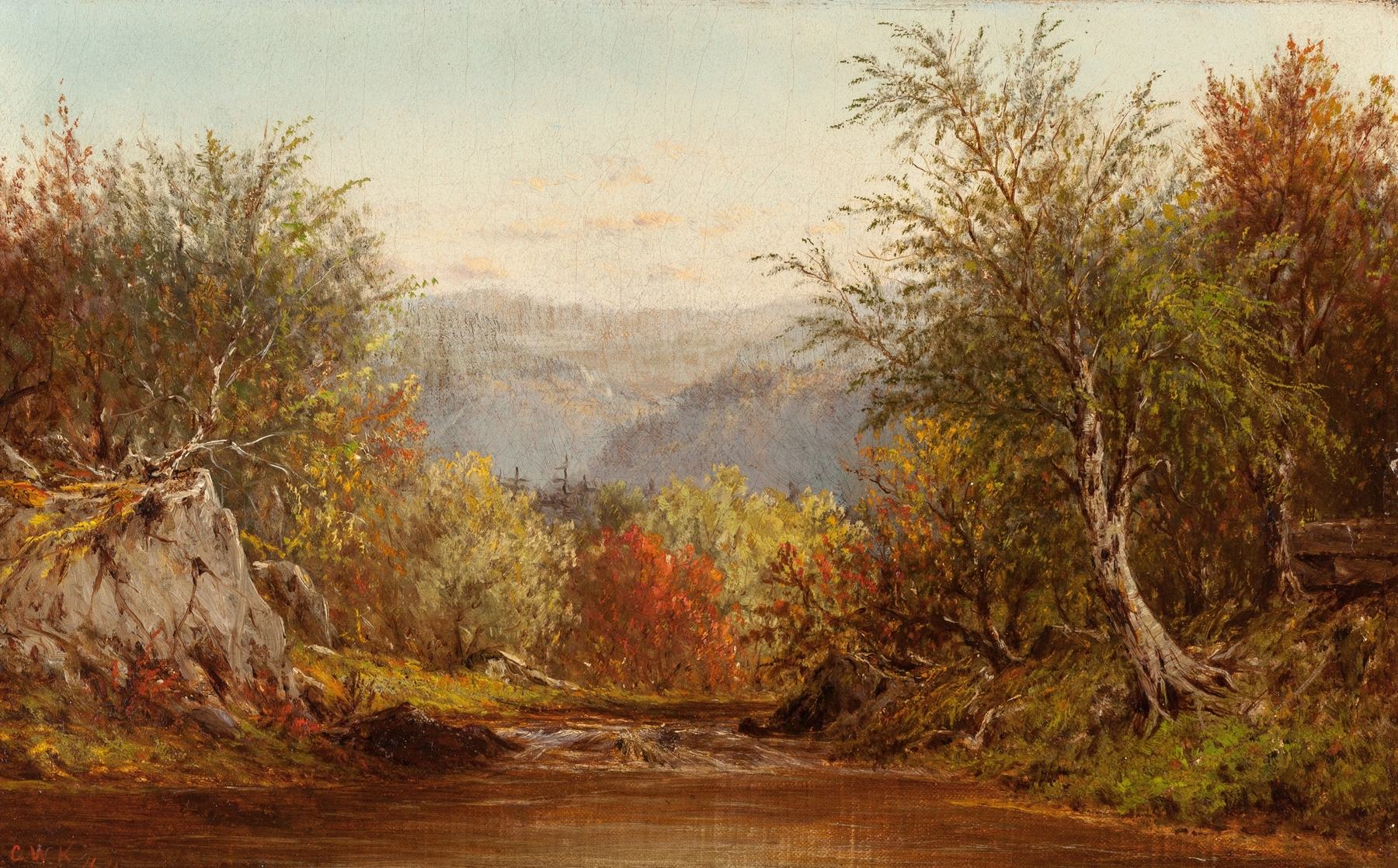
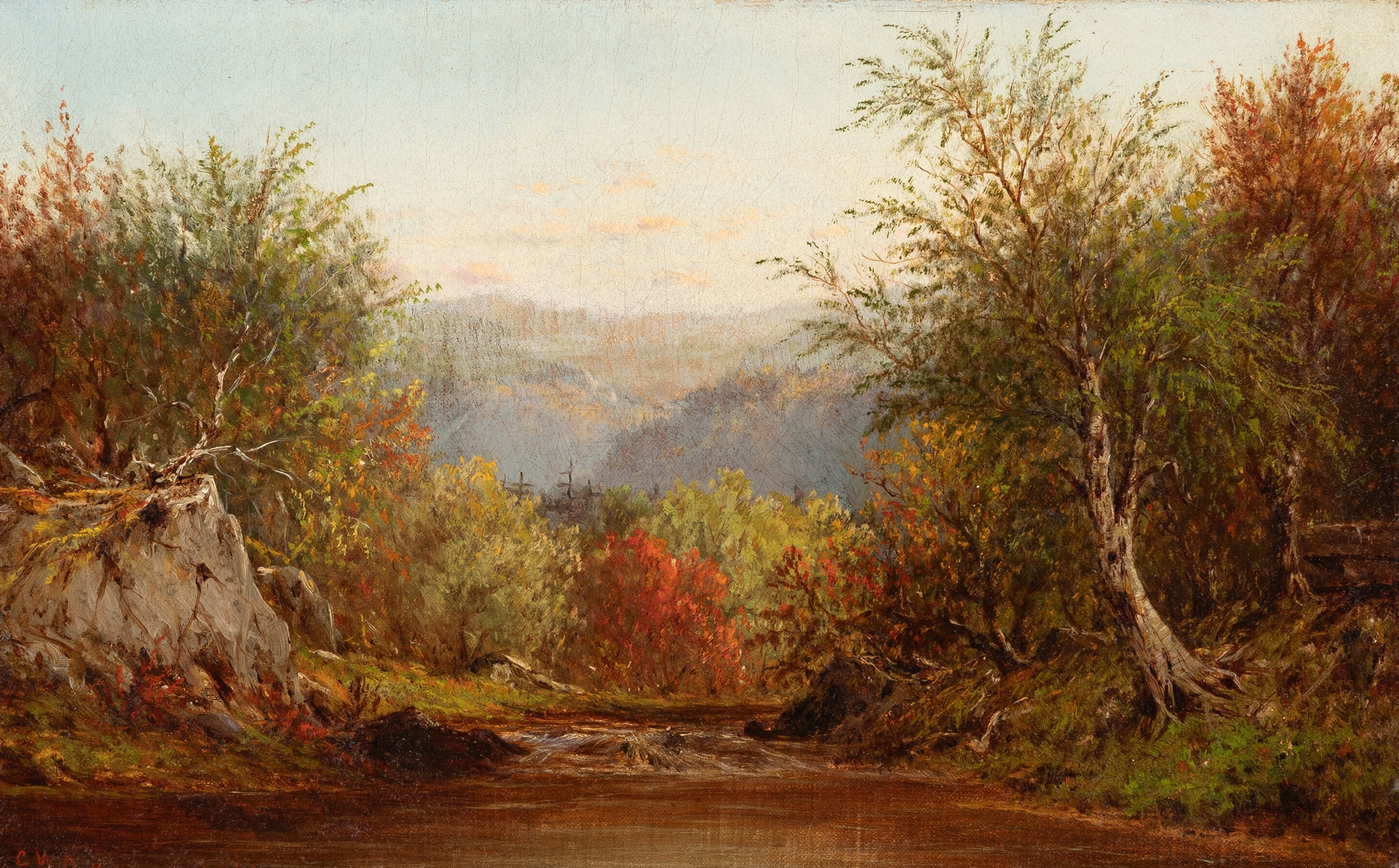
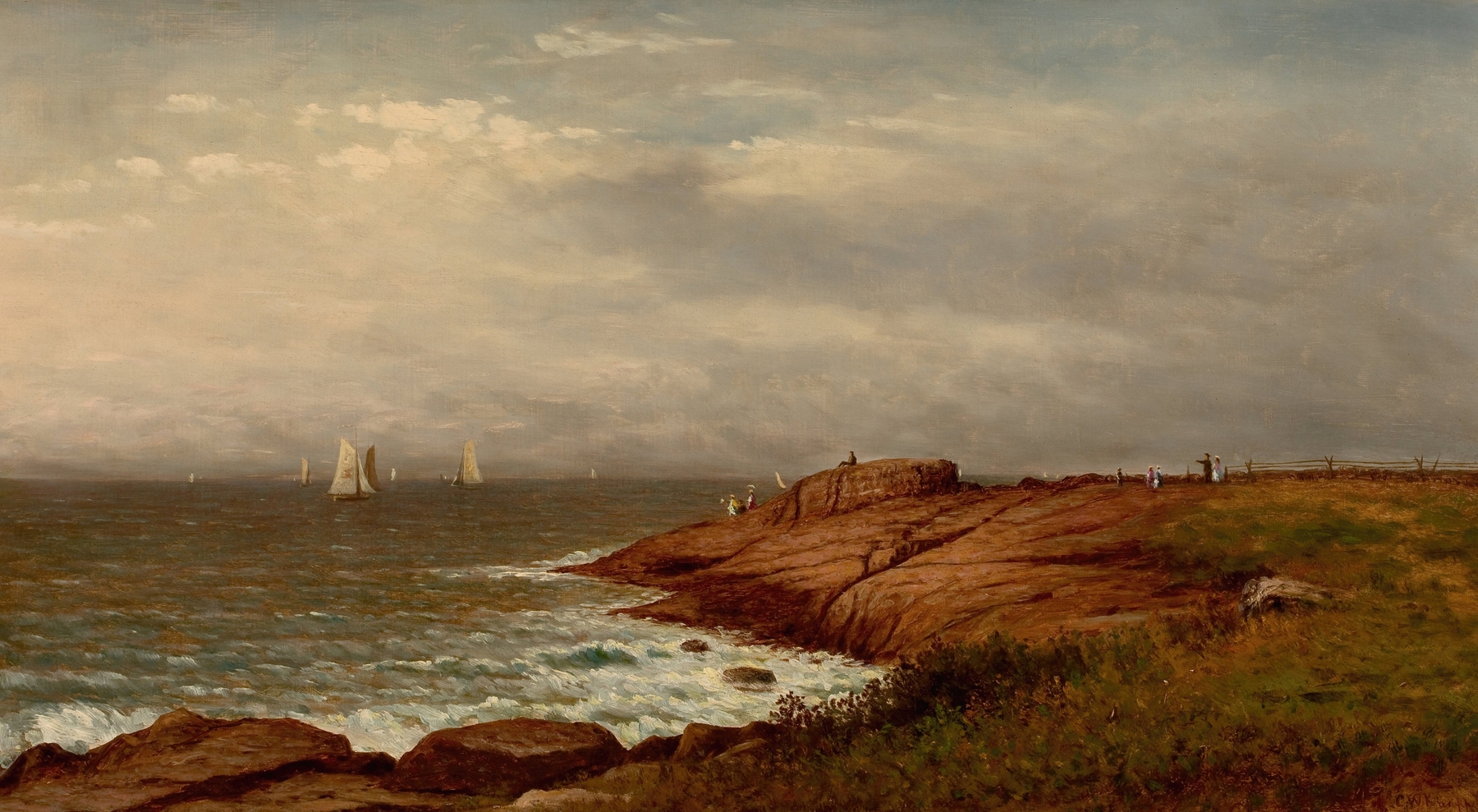
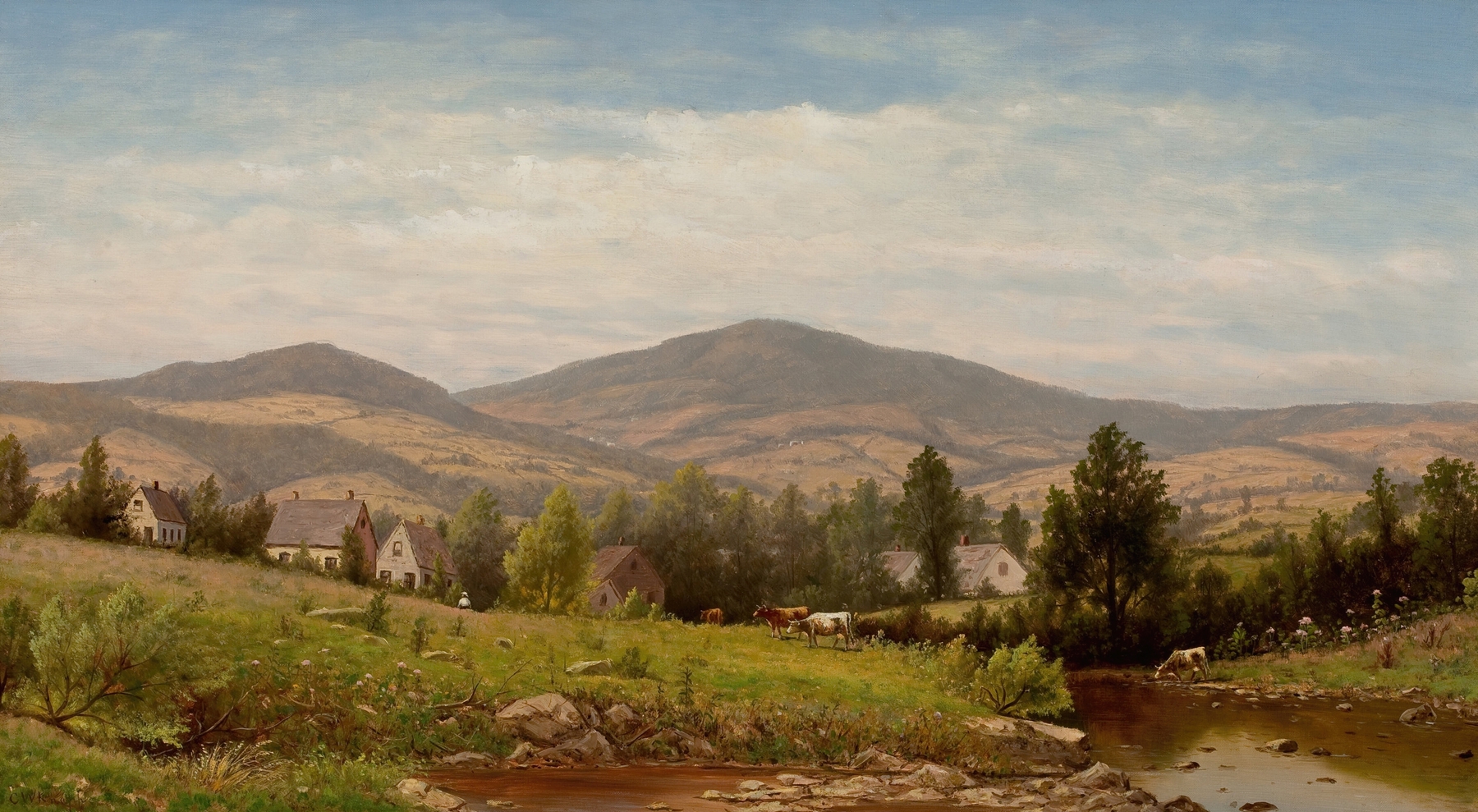
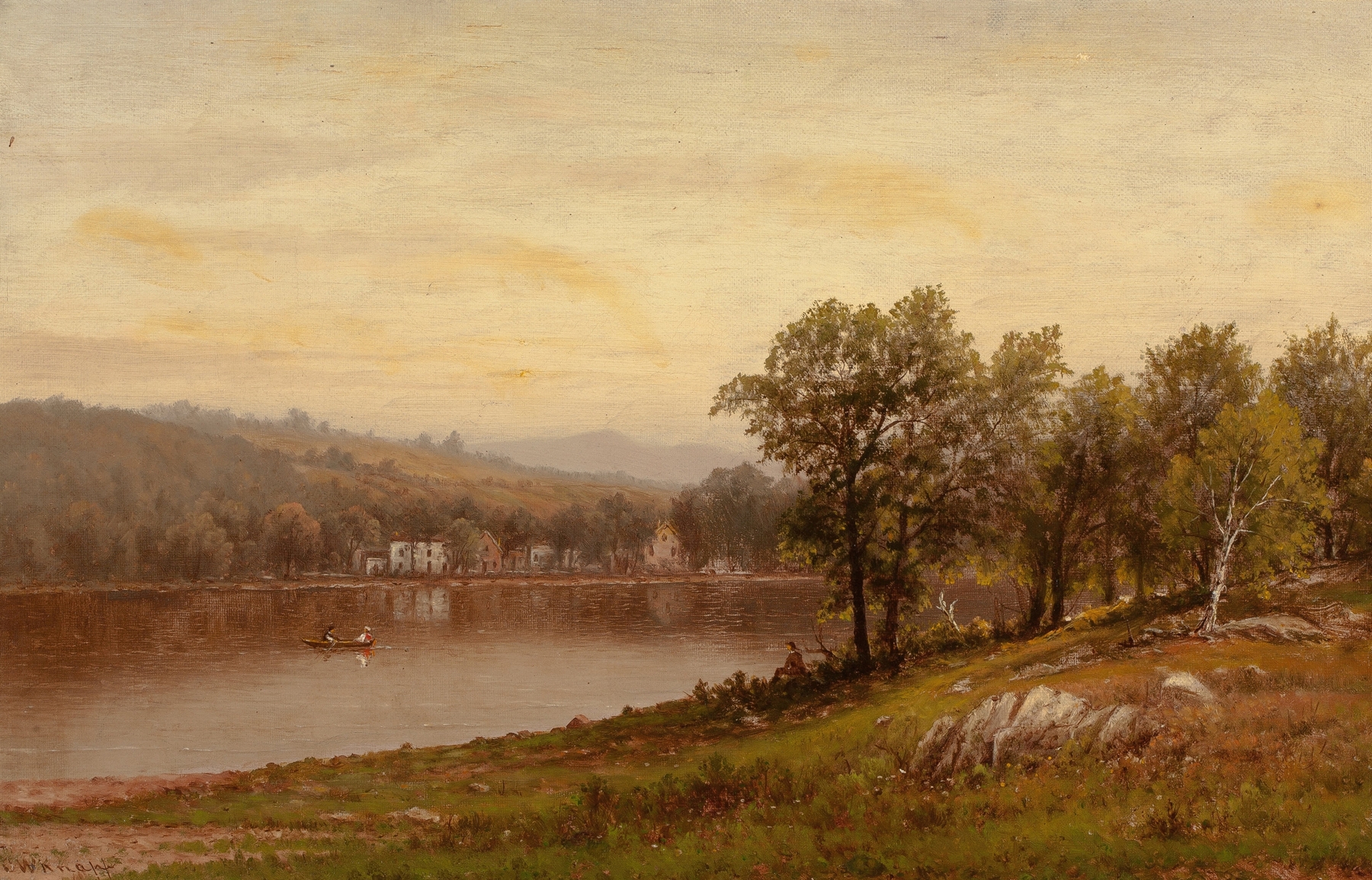
What secret hides in the quiet of the canvas? As autumn descends, the allure of nature conceals a deeper madness, where tranquility dances with chaos beneath the surface. Look to the left at the vibrant bursts of orange and gold foliage, each leaf seemingly whispering the stories of change. The river, winding gracefully through the composition, draws the eye into its depths, reflecting the fiery hues above. Notice how the light falls upon the water, creating a shimmering pathway that contrasts with the shadowed banks, hinting at the duality of serenity and turmoil.
The brushstrokes bring texture to the scene, inviting the viewer to feel the crisp air of an autumn day. Beneath the serene surface lies a tension between the beauty of nature and the impending decay of winter. The juxtaposition of colorful foliage against the dark, brooding water suggests a fleeting moment in time, evoking the madness of knowing that beauty is ephemeral. The lone figure standing at the riverbank embodies solitude, perhaps reflecting the artist's own internal struggles as he captures this moment of transience.
Charles W. Knapp painted this work in 1870, during a period marked by a burgeoning interest in the American landscape among artists. Living in the midst of the Hudson River School movement, Knapp was deeply influenced by his contemporaries, who sought to explore the relationship between man and nature. This artwork came at a time when the country was grappling with industrialization, setting a backdrop of contrasts that resonates throughout his work.