Autumn in the Catskills — History & Analysis
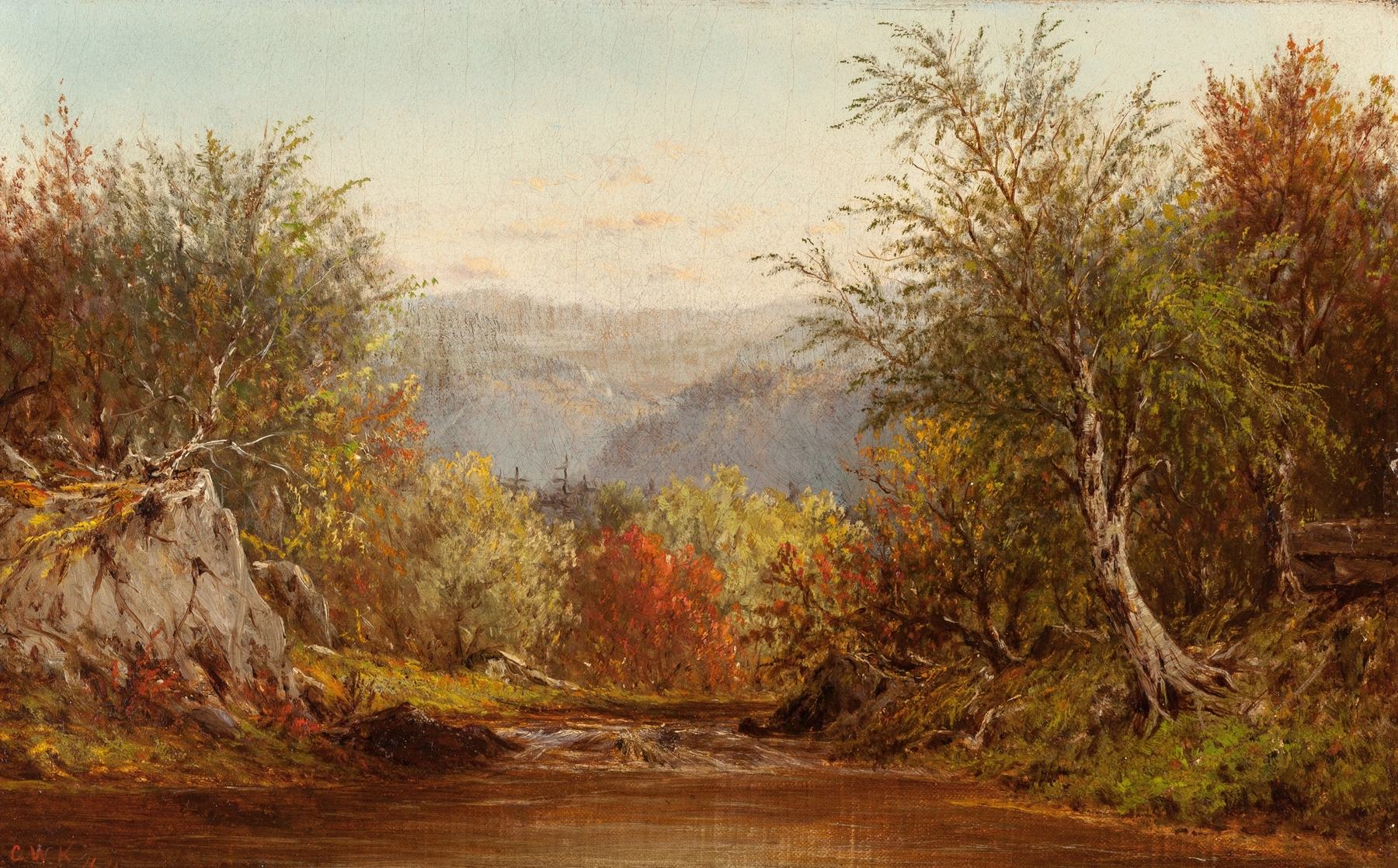
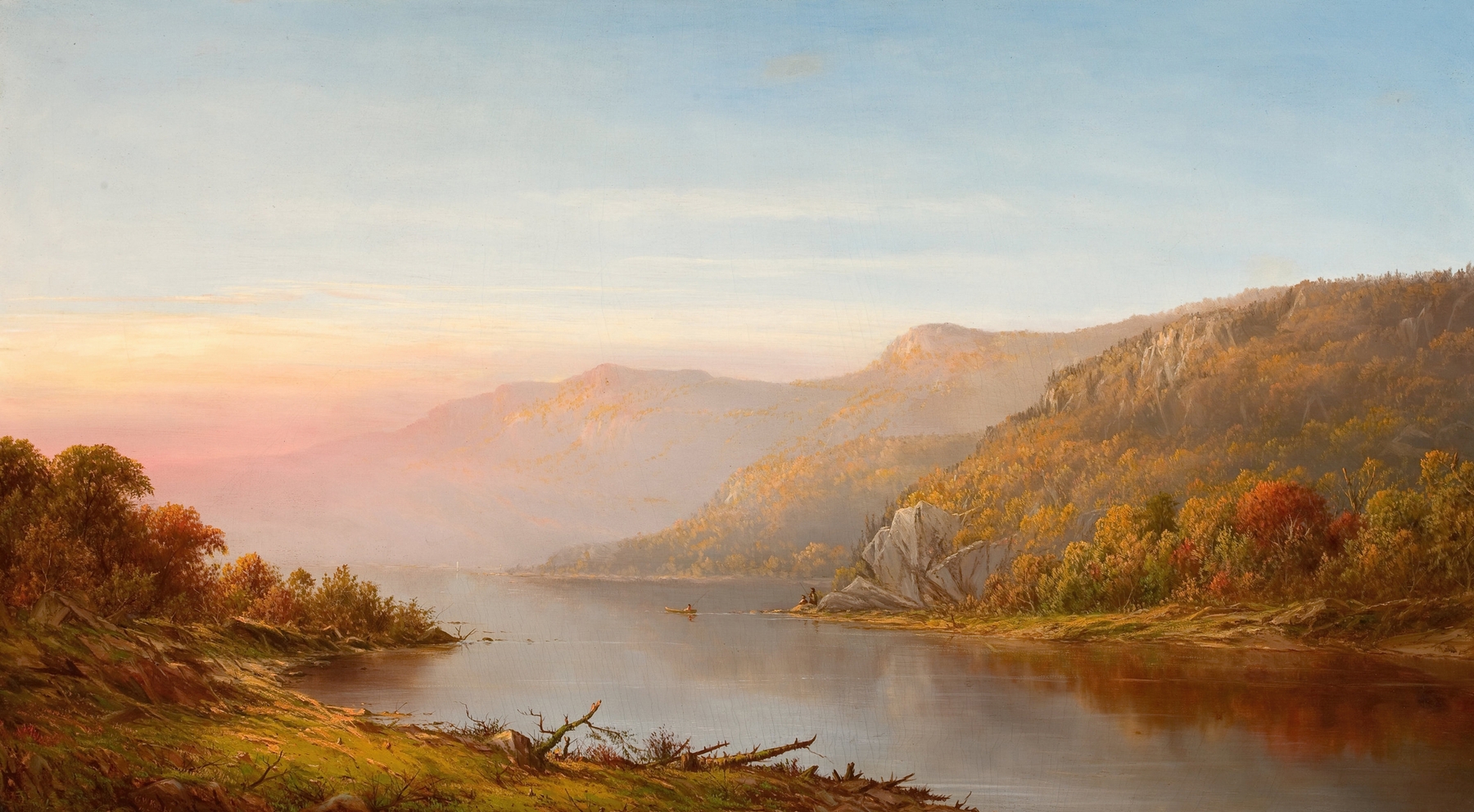
Art reveals the soul when the world turns away. In a moment where the cacophony of life fades, Autumn in the Catskills invites us to linger in its tranquil embrace, offering a glimpse into nature’s serene beauty and its transformative power. Look to the left at the cascade of golden leaves, each brushstroke capturing the essence of autumn’s fleeting splendor. The vibrant oranges and muted yellows are punctuated by strokes of deep green, suggesting the lingering vitality of summer. Focus on the distant mountains, softened by a veil of blue mist that suggests depth and distance, drawing the eye into a layered landscape.
The interplay of light and shadow illuminates the scene, allowing the viewer to feel the crispness of the air and the gentle rustle of the leaves. This painting transcends mere representation; it evokes a sense of longing and nostalgia. Each tree stands as a testament to change, embodying the passage of time through its seasonal transition. The stillness of the lake reflects not only the vivid colors above but also hints at the inner peace found amidst life's cycles. The juxtaposition of the vibrant foreground and the muted background fosters a contemplative tension, urging viewers to reflect on their own relationship with nature and time.
In 1864, Charles W. Knapp painted this work while living in New York, a period when American art was exploring themes of landscape and identity. Amidst the Civil War’s turmoil, artists sought solace in depicting the beauty of the natural world, aligning their work with a burgeoning sense of American nationalism. This painting captures not only the essence of the Catskills but also the profound search for meaning during a time of great upheaval.