The White Mountains — History & Analysis
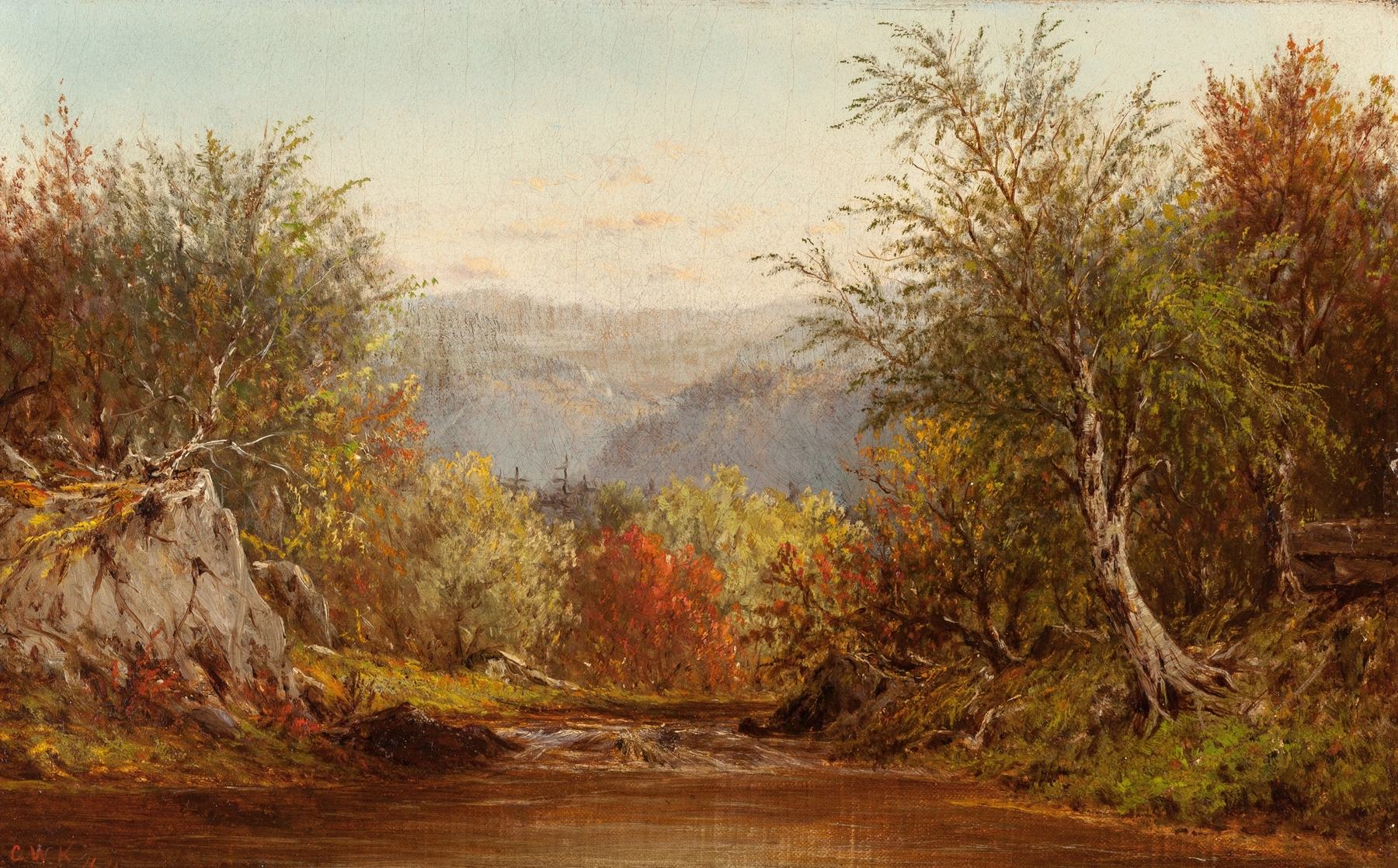
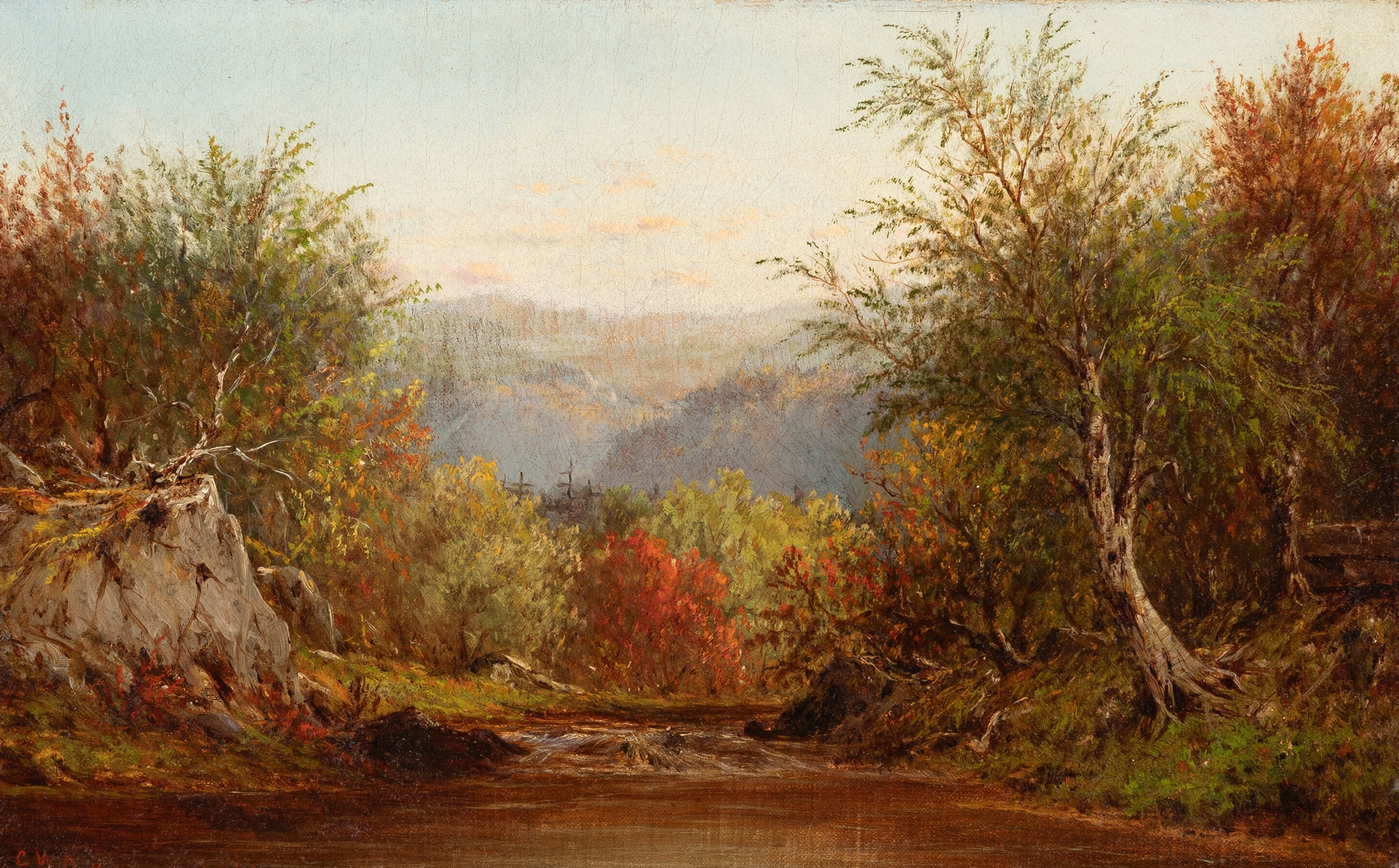
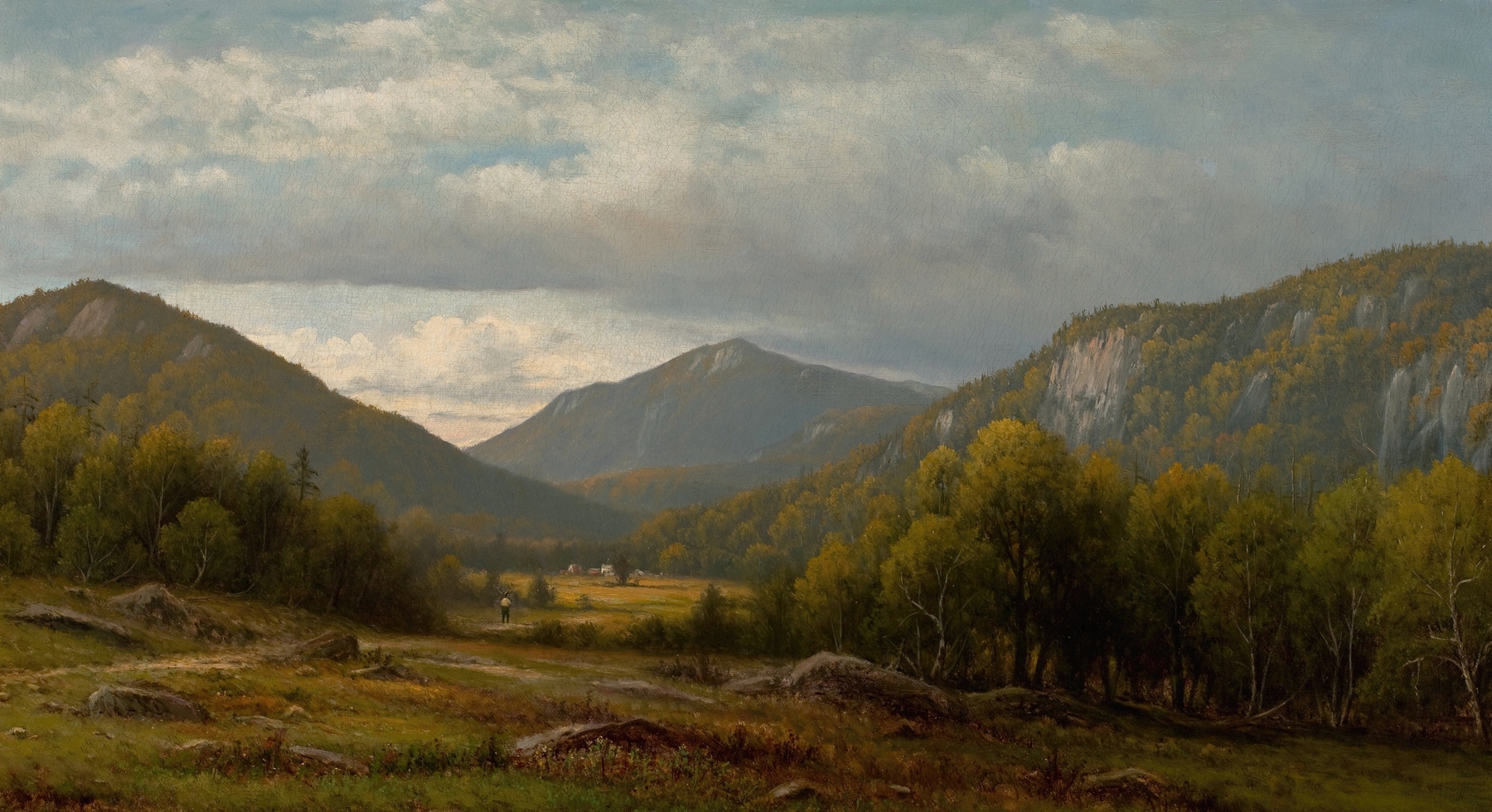
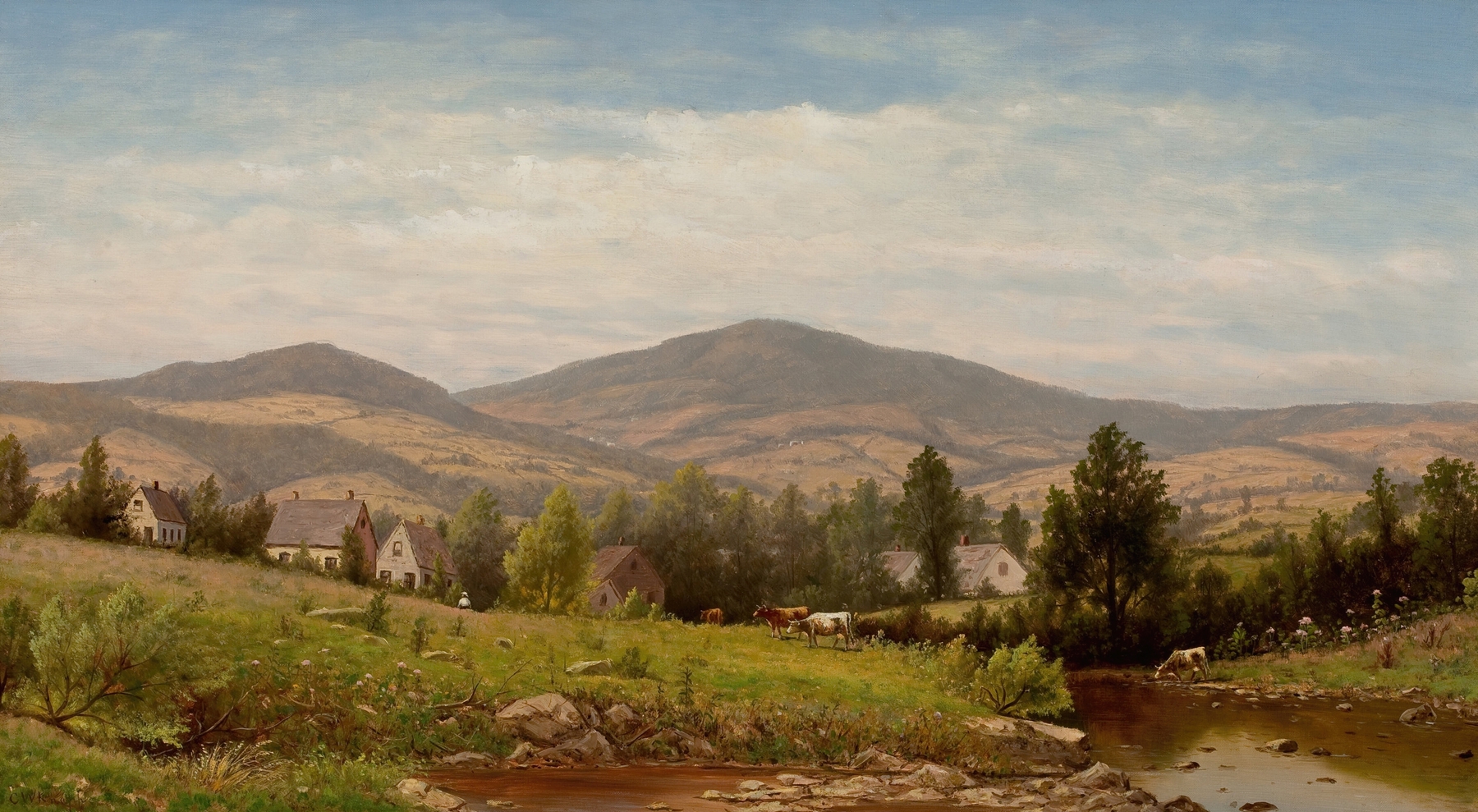
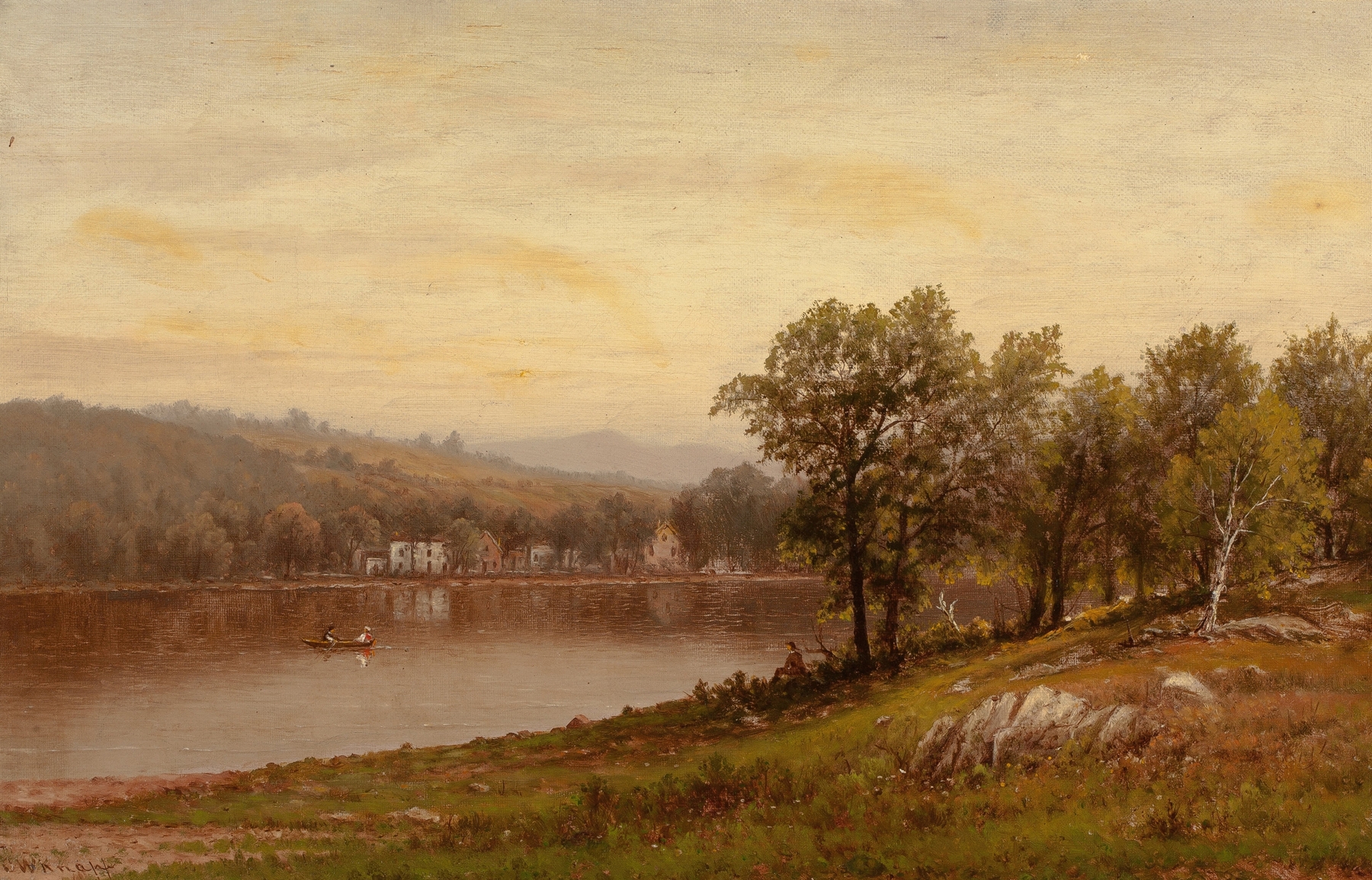
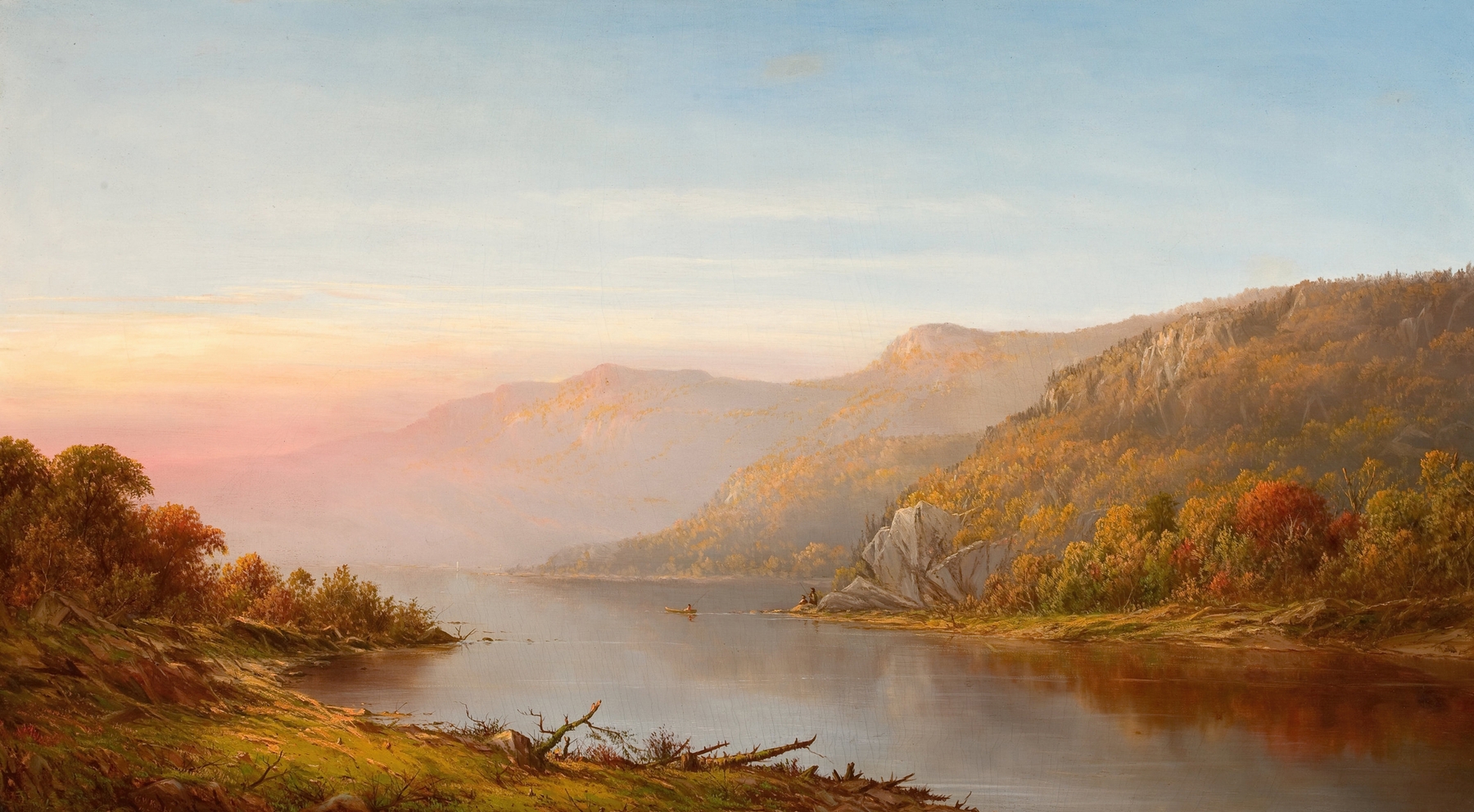
Where does light end, and longing begin? In the vast expanse of The White Mountains, the ethereal glow of the landscape beckons with an invitation to explore the depths of faith and nature’s majesty. Look to the horizon, where soft hues of lavender and gold blend seamlessly, giving rise to the majestic peaks that dominate the canvas. The artist’s delicate brushwork and subtle layering create an enchanting atmosphere, inviting viewers to lose themselves in the serenity of this untouched paradise.
Notice how the light dances across the snow-capped summits, the interplay of shadow and illumination revealing the rugged textures and contours of the mountains that stand timeless against the sky. Beneath the serene beauty lies an emotional tension — the mountains symbolize both isolation and a spiritual journey, prompting reflections on the nature of faith itself. The expansive sky, filled with wispy clouds, evokes a sense of yearning that stretches beyond the landscape, resonating with viewers’ own quests for meaning and connection.
Each stroke of color serves as an echo of hope, reminding us that even in solitude, there is beauty in the pursuit of understanding. Created during an era when the American landscape was a subject of great reverence, this piece reflects the artist’s deep appreciation for nature and its spiritual implications. While the exact date remains unknown, Knapp’s work likely emerged amidst a growing movement in the late 19th century, where artists sought to capture the sublime beauty of the American wilderness, a testament to their faith in nature's power to inspire and elevate the human spirit.