Autumn in the Catskills — History & Analysis
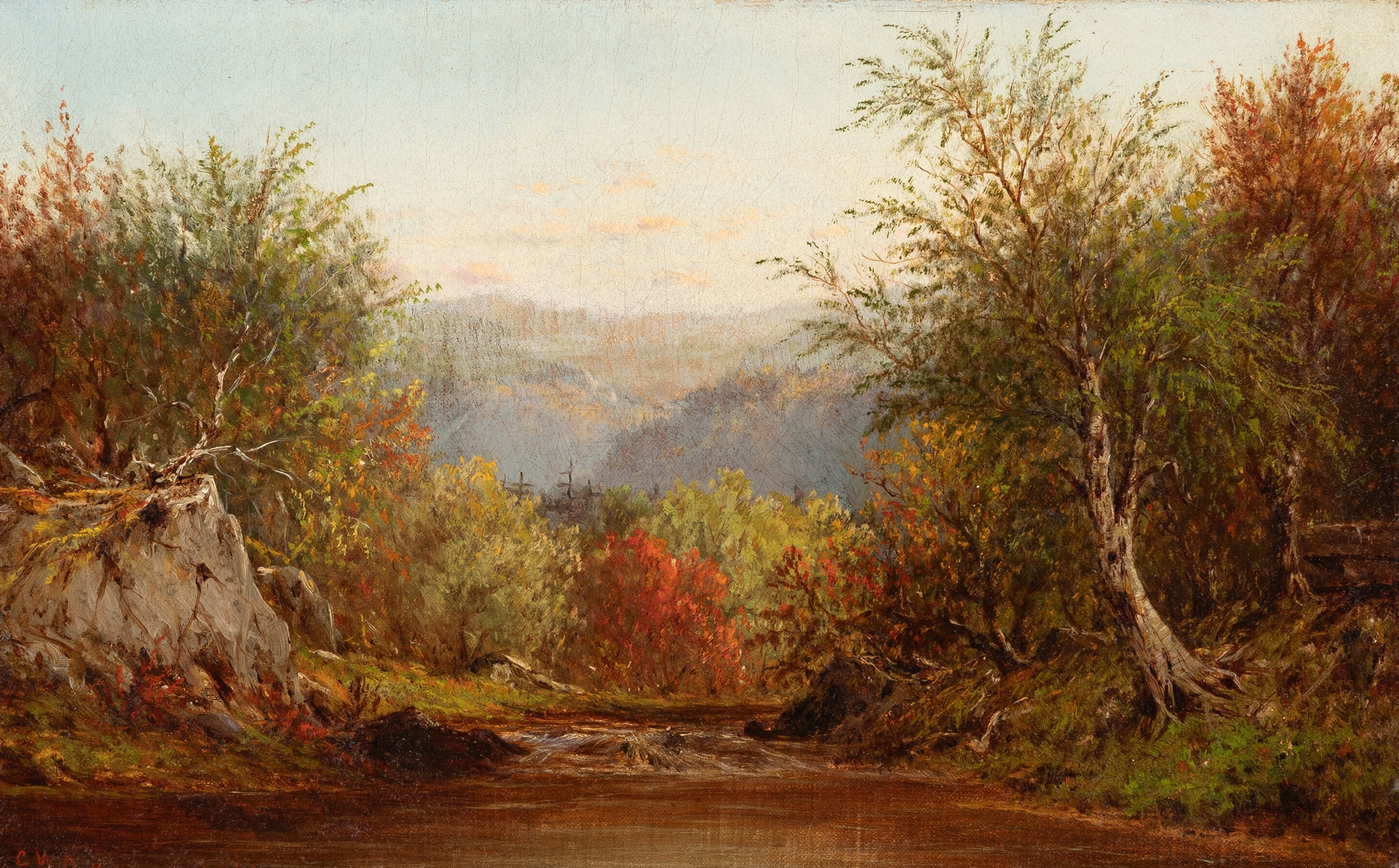
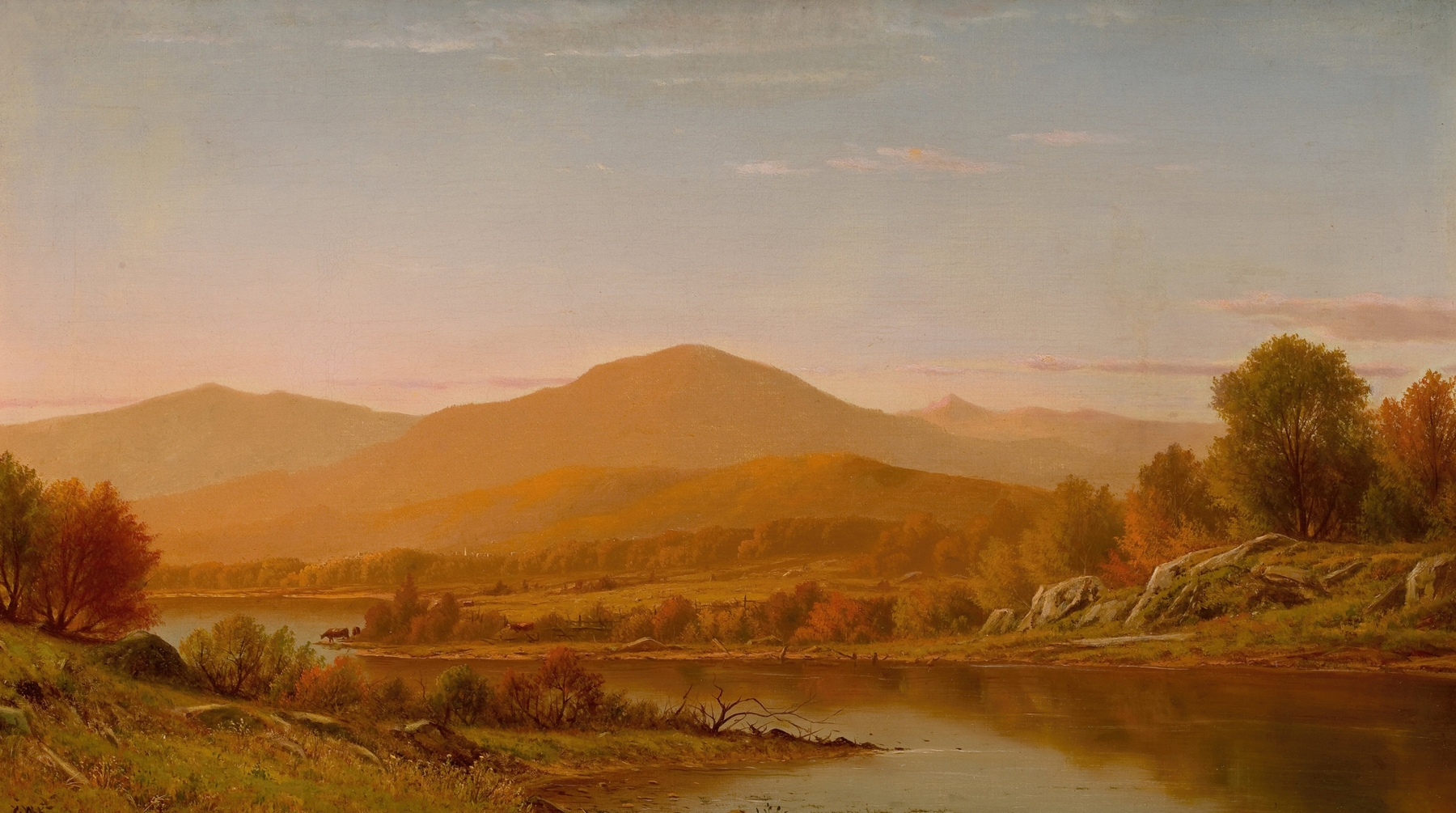
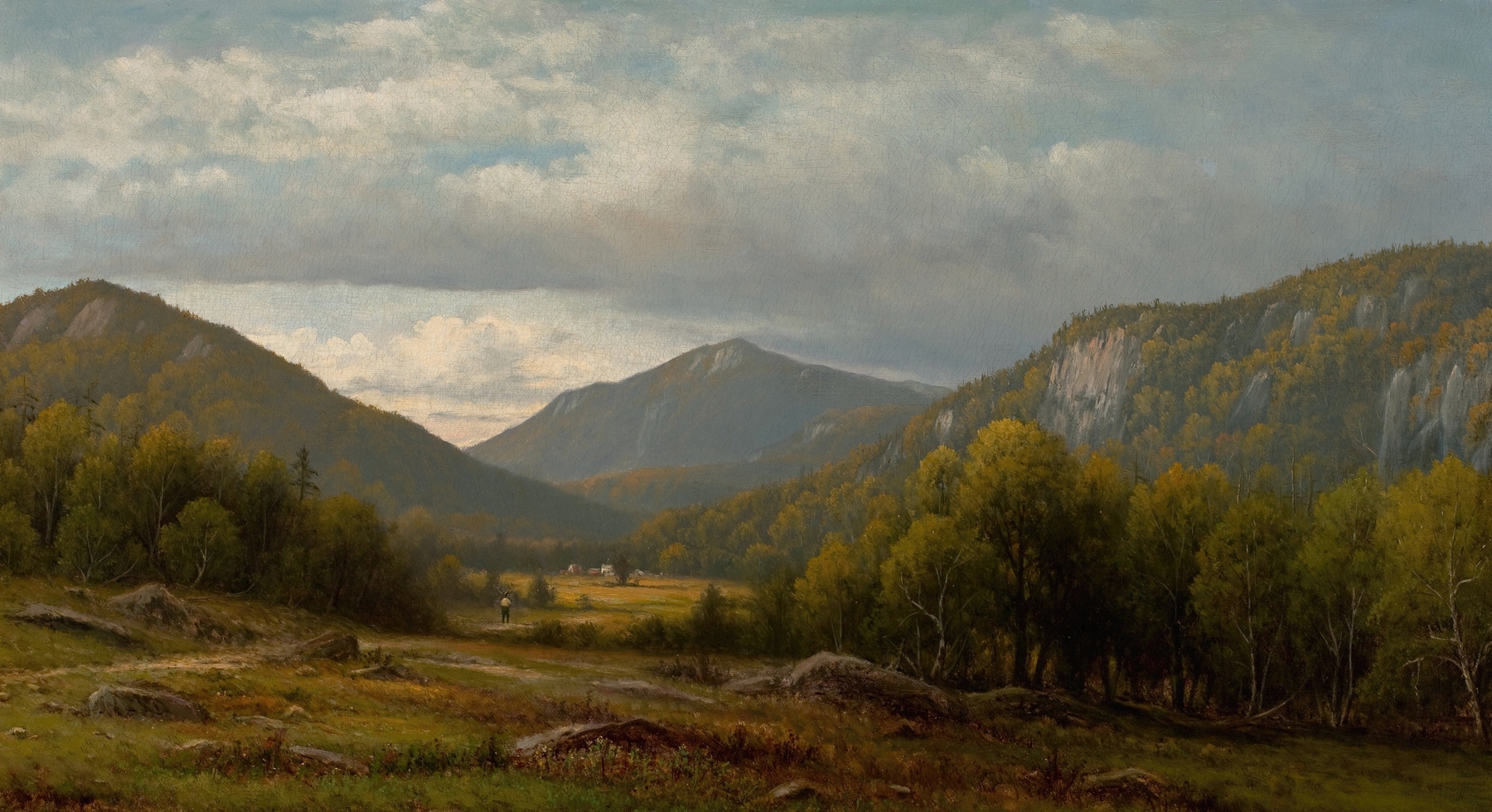
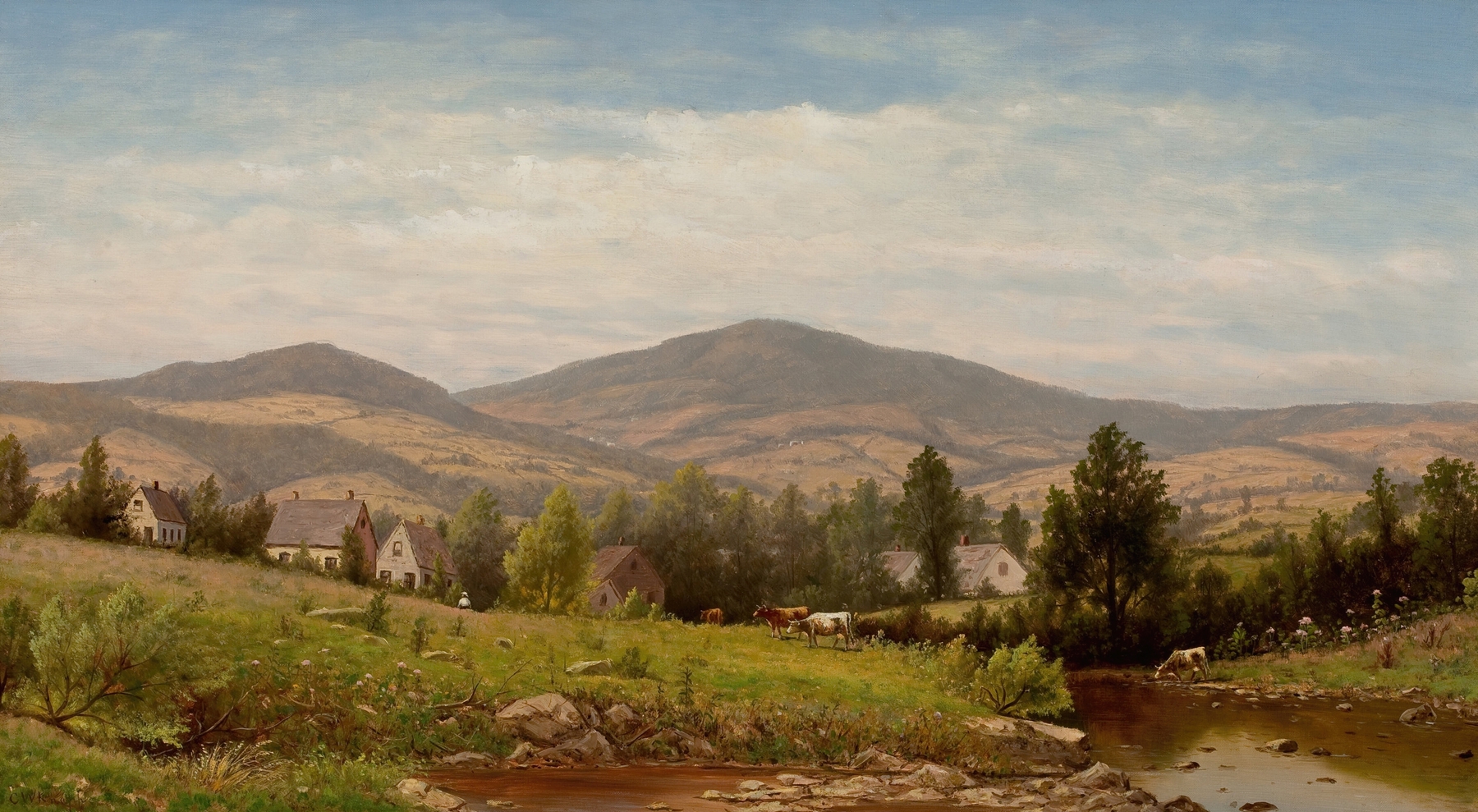
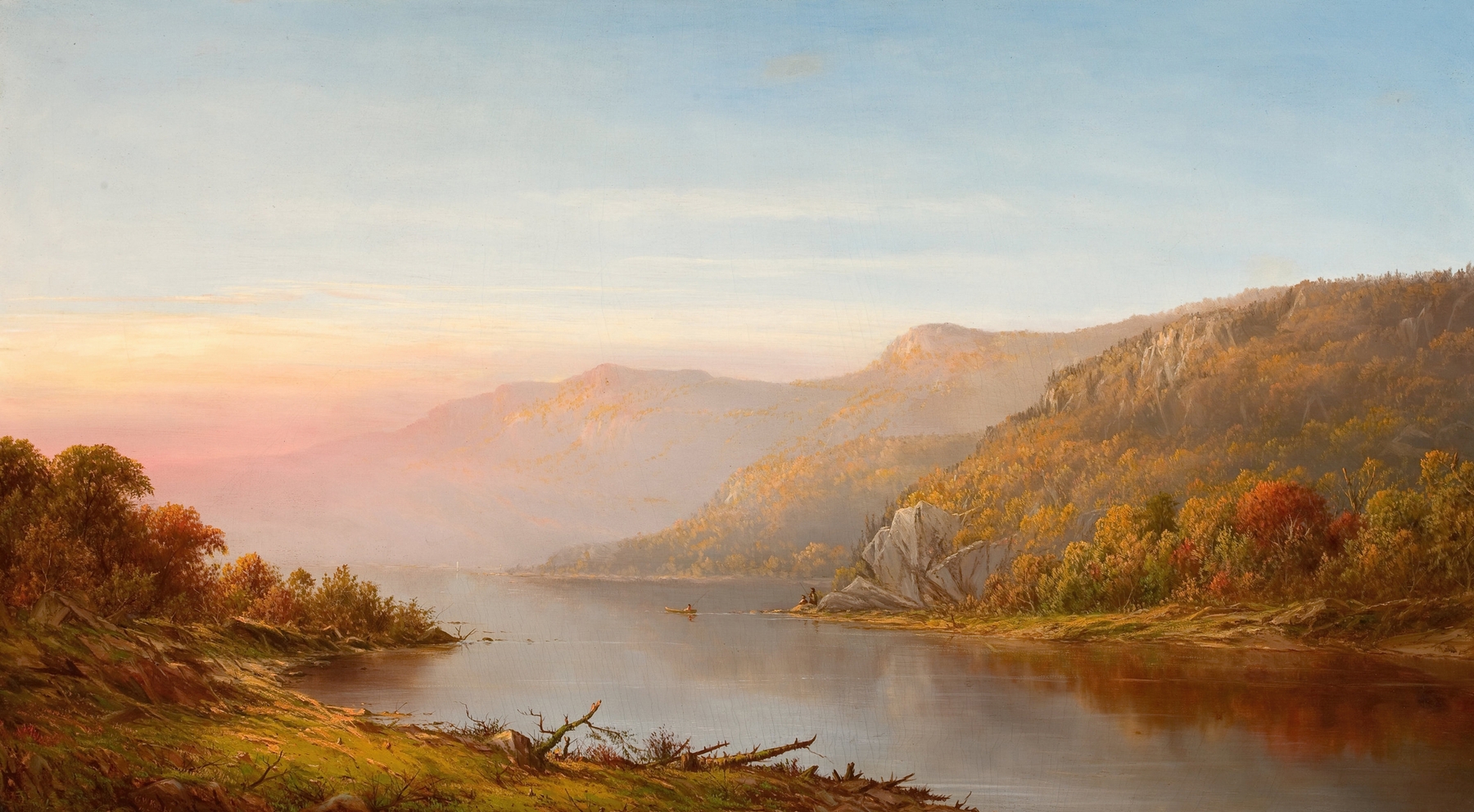
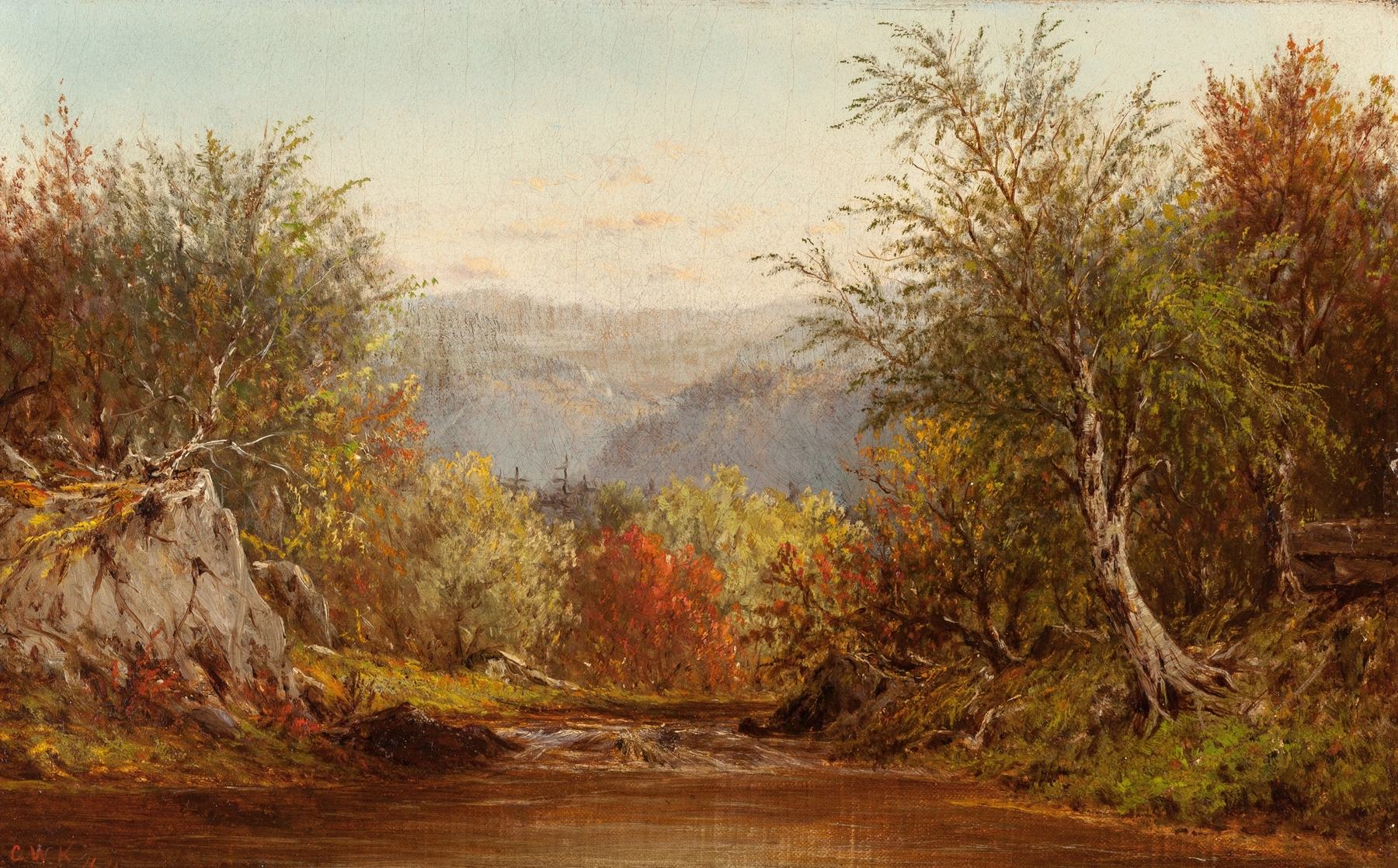
When did color learn to lie? The vivid hues of autumn often mask the subtle truths of nature, revealing both beauty and the inevitable approach of decay. Look to the left, where a cascade of fiery oranges and deep reds spills across the canvas, inviting the viewer into a vibrant woodland scene. The trees, standing proud yet vulnerable, sway gently under the breeze, their leaves in a state of transition. Notice how the light filters through the canopy, casting dappled shadows that dance upon the ground, creating a rhythm that pulses with the heartbeat of the forest.
The lush greens retreat into the background, a reminder of the vitality soon to give way to winter's grasp. Within this picturesque tableau, contrasts emerge—a balance of life and impending stillness. The bold colors symbolize joy and celebration, yet they whisper of an inevitable decline, inviting reflection on the cycle of existence. The swirling brushstrokes evoke the movement of time, hinting at an underlying tension between the vibrancy of the present and the quiet surrender of the future.
This duality prompts the viewer to consider how beauty often conceals deeper truths. In 1864, while creating this piece, the artist navigated a tumultuous period marked by the American Civil War, his surroundings heavy with the weight of uncertainty. Working from his studio in the Catskill Mountains, he sought solace in the natural world, capturing the landscape’s fleeting brilliance. This was a time when artists were beginning to embrace the Impressionist movement, moving away from strict realism towards a more emotive representation of nature, and this work exemplifies that shift in vision.