Mountain Valley — History & Analysis
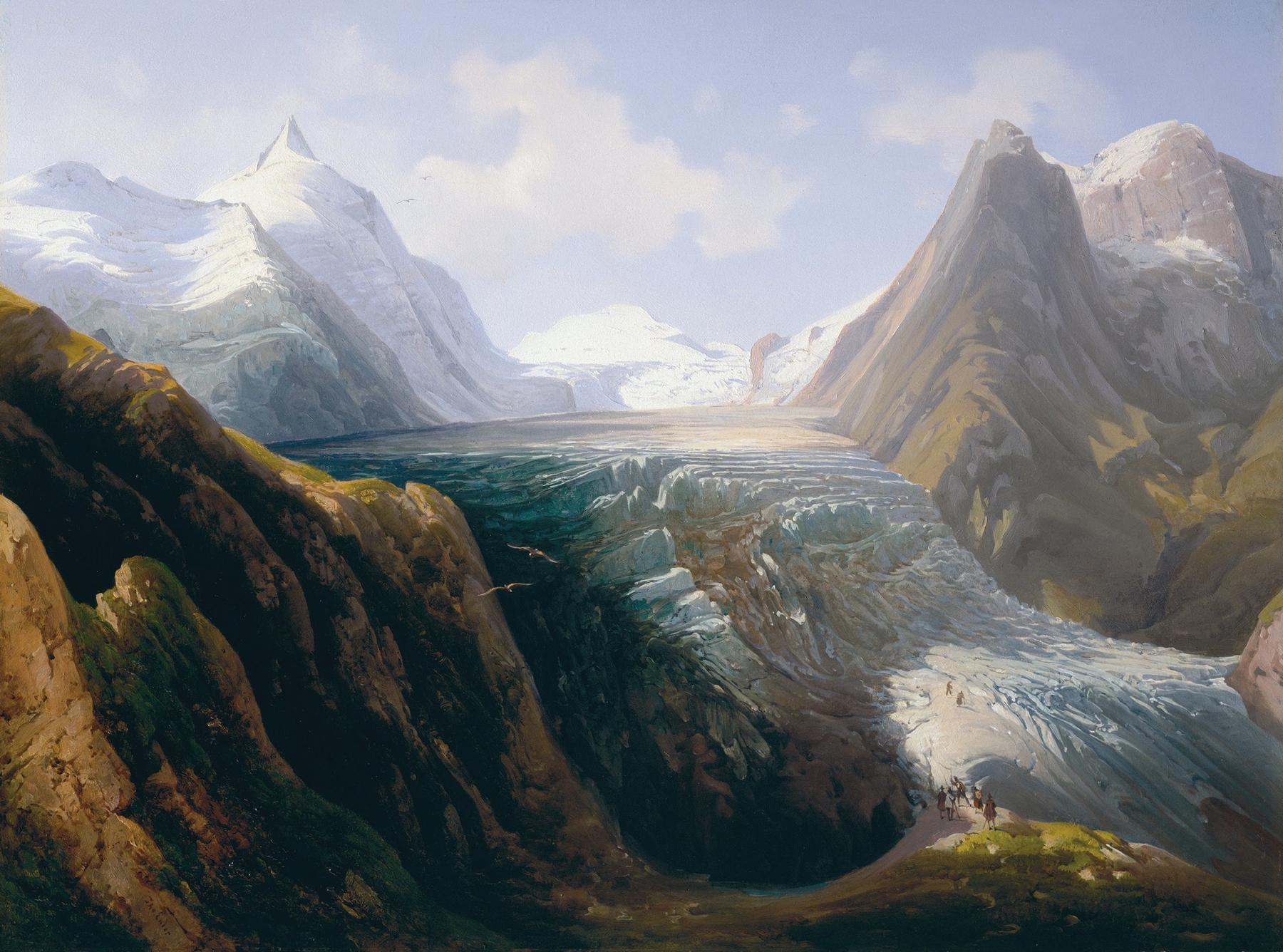
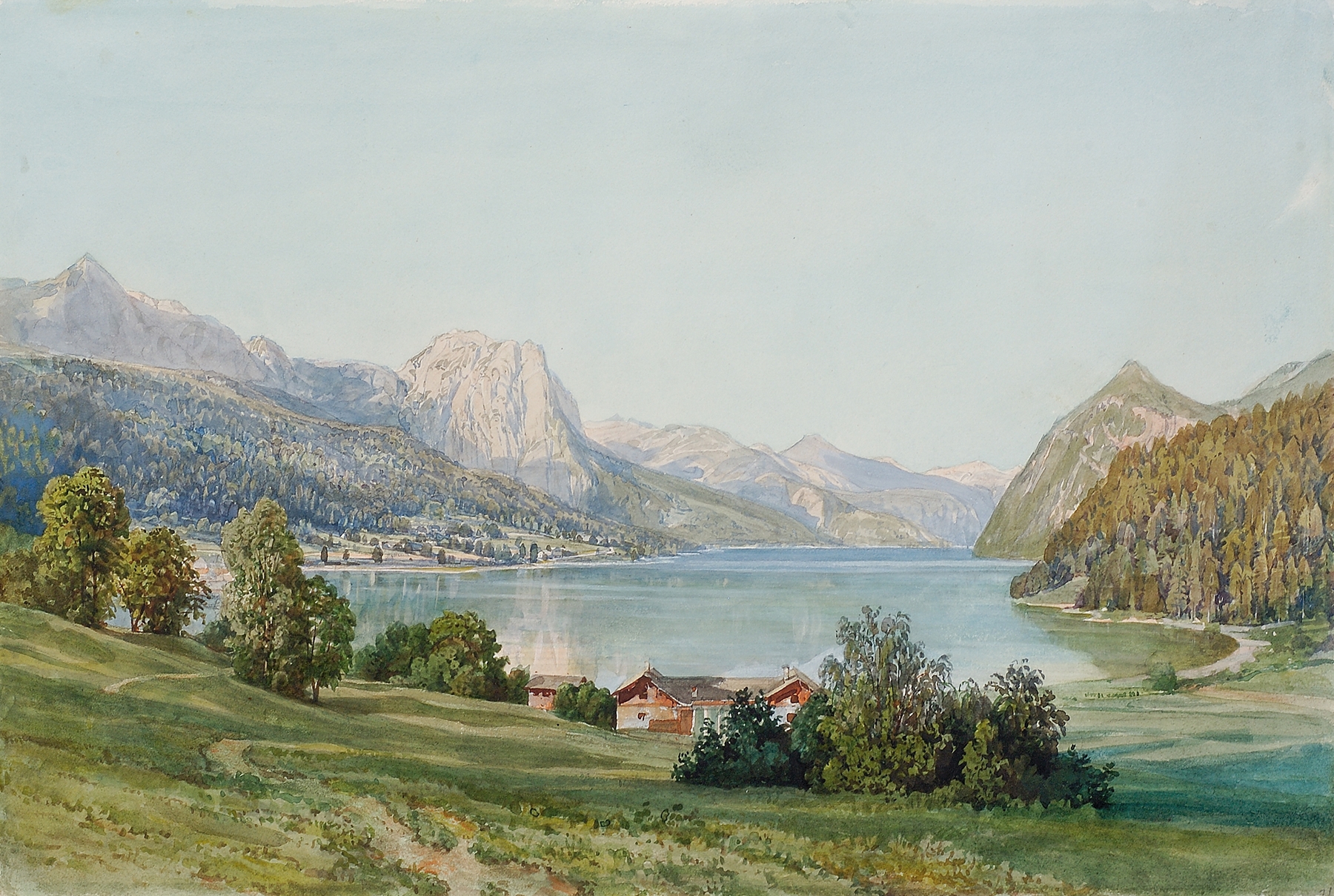
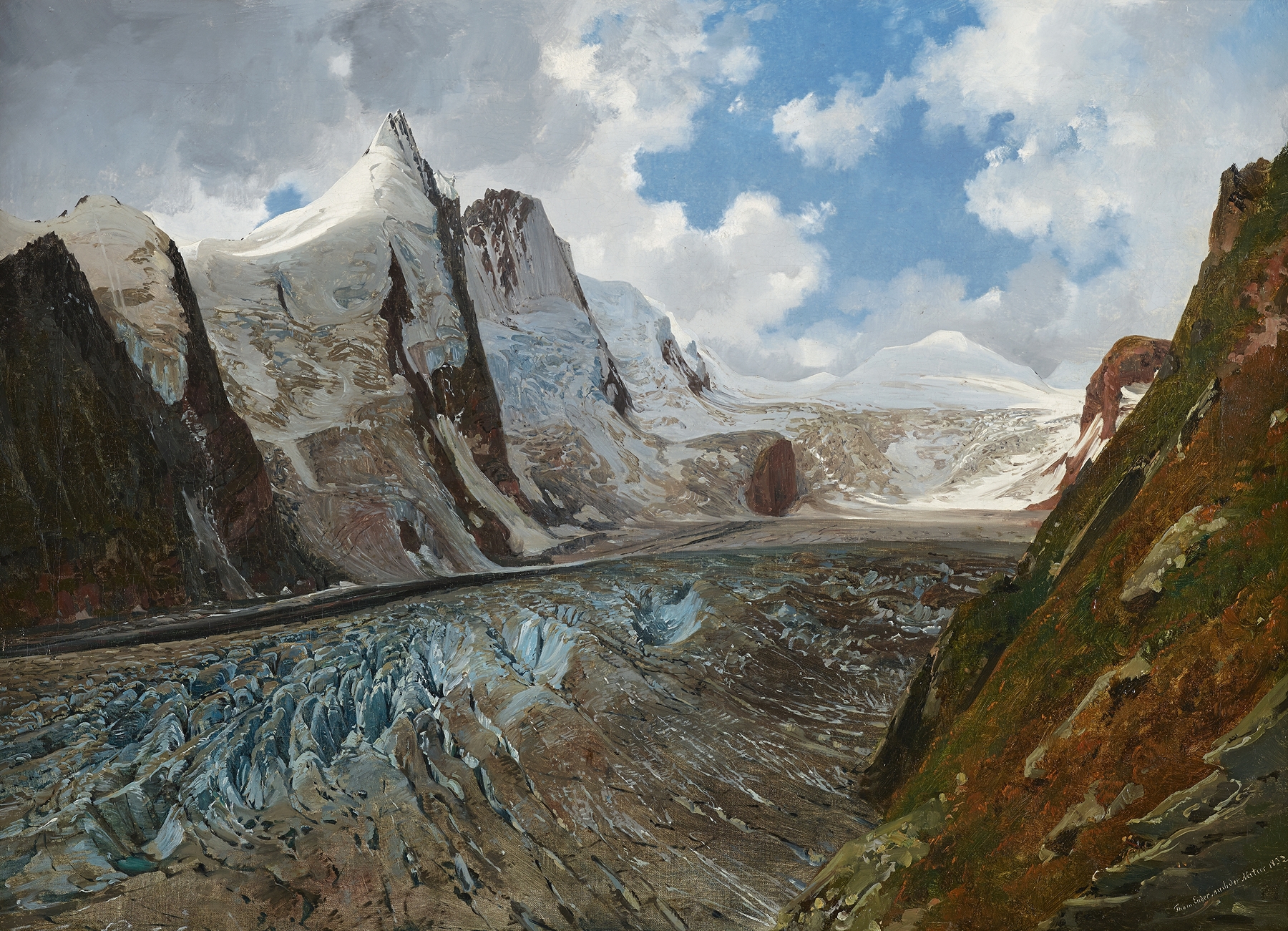
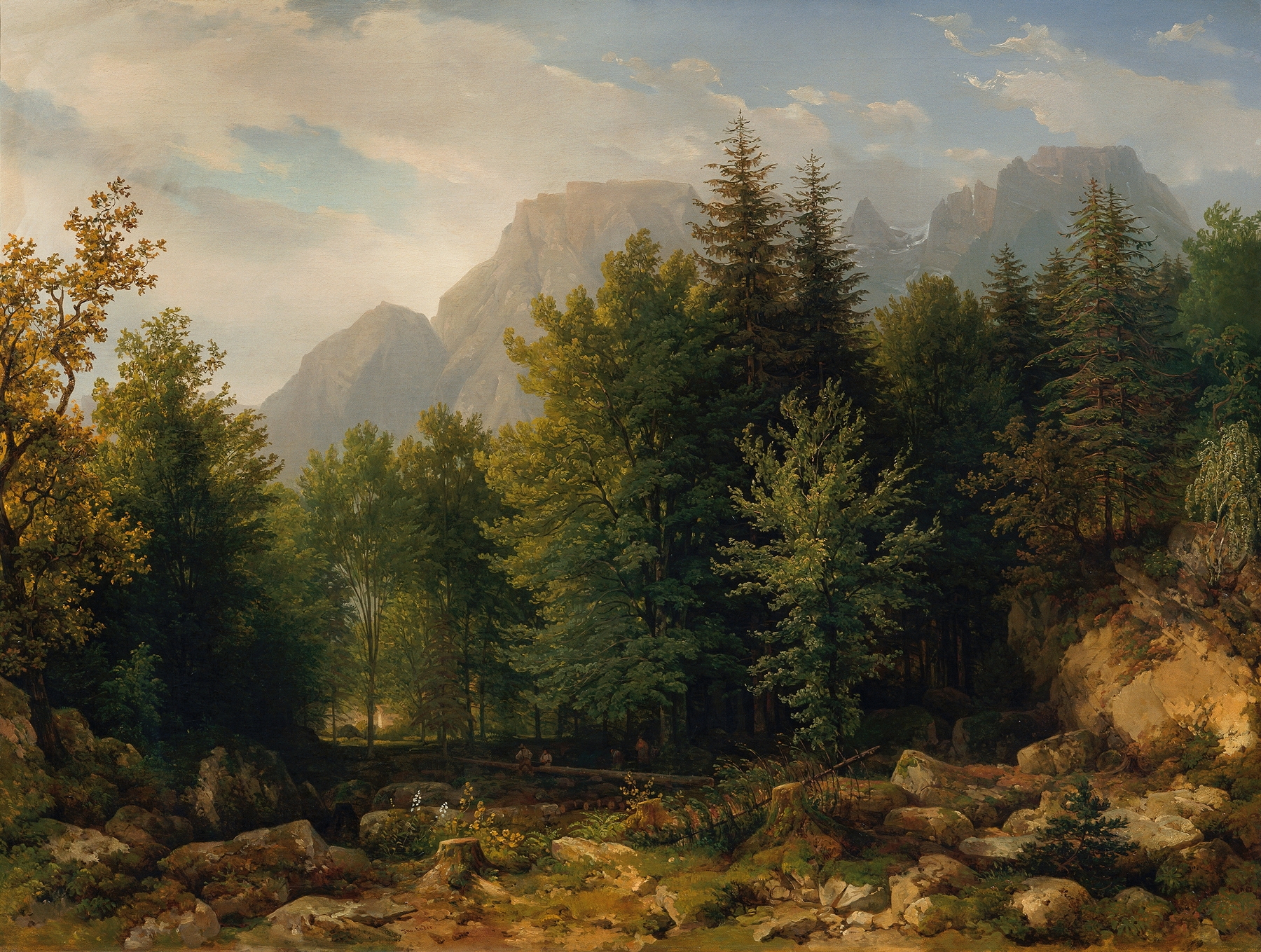
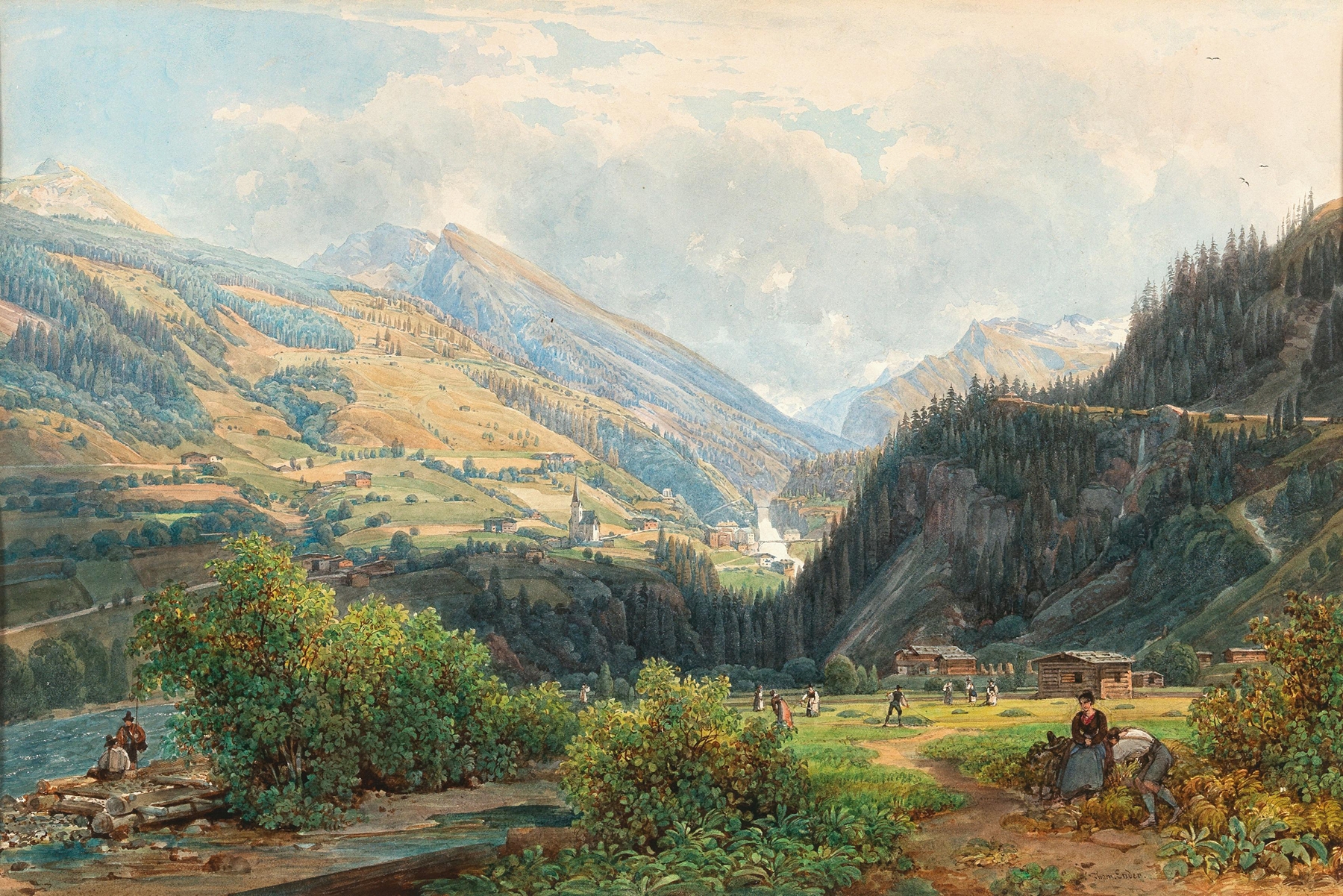
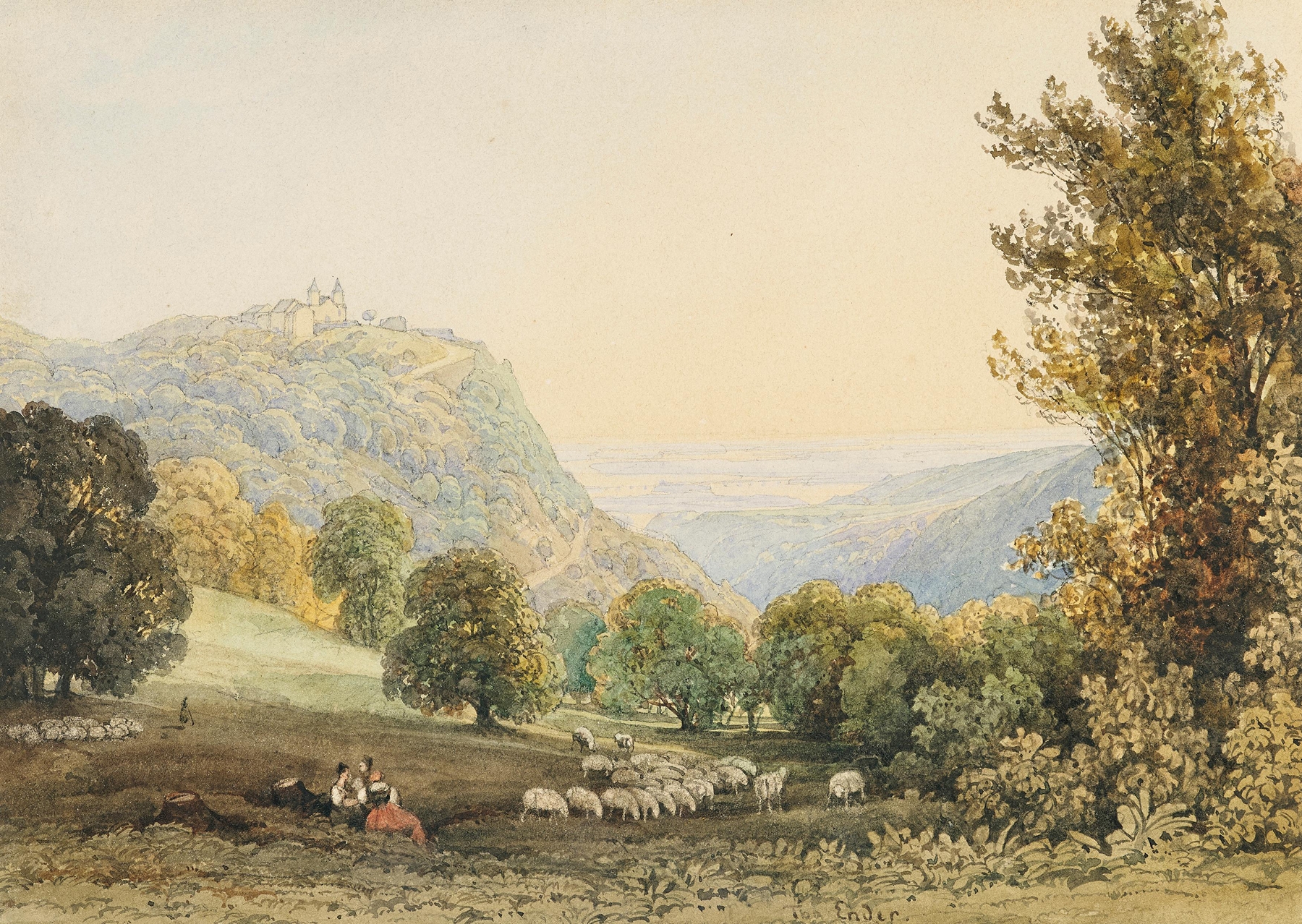
“Every brushstroke is a heartbeat remembered.” It speaks to the silent betrayals of nature—a fleeting moment captured in time, where beauty conceals the tumult beneath. Focus on the horizon, where the jagged peaks pierce the sky, their majestic forms softened by the hazy embrace of twilight. Notice how the vibrant greens of the valley contrast sharply with the cool, austere blues of the mountains, drawing your eye toward the gentle undulations of the land below. The delicate brushwork suggests a breeze sweeping through, imbuing the scene with life yet hinting at the transience of tranquility, as if the lush valley could easily be overshadowed by the looming, imperious mountains.
Delve deeper into the nuances of the painting, where the interplay of light and shadow creates a duality of serenity and foreboding. The sun's golden rays seem hesitant, illuminating the valley while leaving the mountains cloaked in mystery. One can sense a tension between the two landscapes: the valley, a symbol of life and warmth, contrasted against the mountains, which harbor secrets and unseen dangers. This juxtaposition reveals a bittersweet narrative of beauty intertwined with betrayal, both within nature and within the observer's heart.
The artist painted this piece at a time when he was deeply immersed in the landscapes of the Austrian Alps, a period marked by a burgeoning Romanticism in art. Working during the early 19th century, Ender sought to explore the emotional depths of nature’s grandeur, reflecting a growing fascination with the sublime as a response to societal upheaval. In this context, Mountain Valley becomes more than a mere landscape; it is a testament to the complexities of beauty and the hidden perils that lie within it.