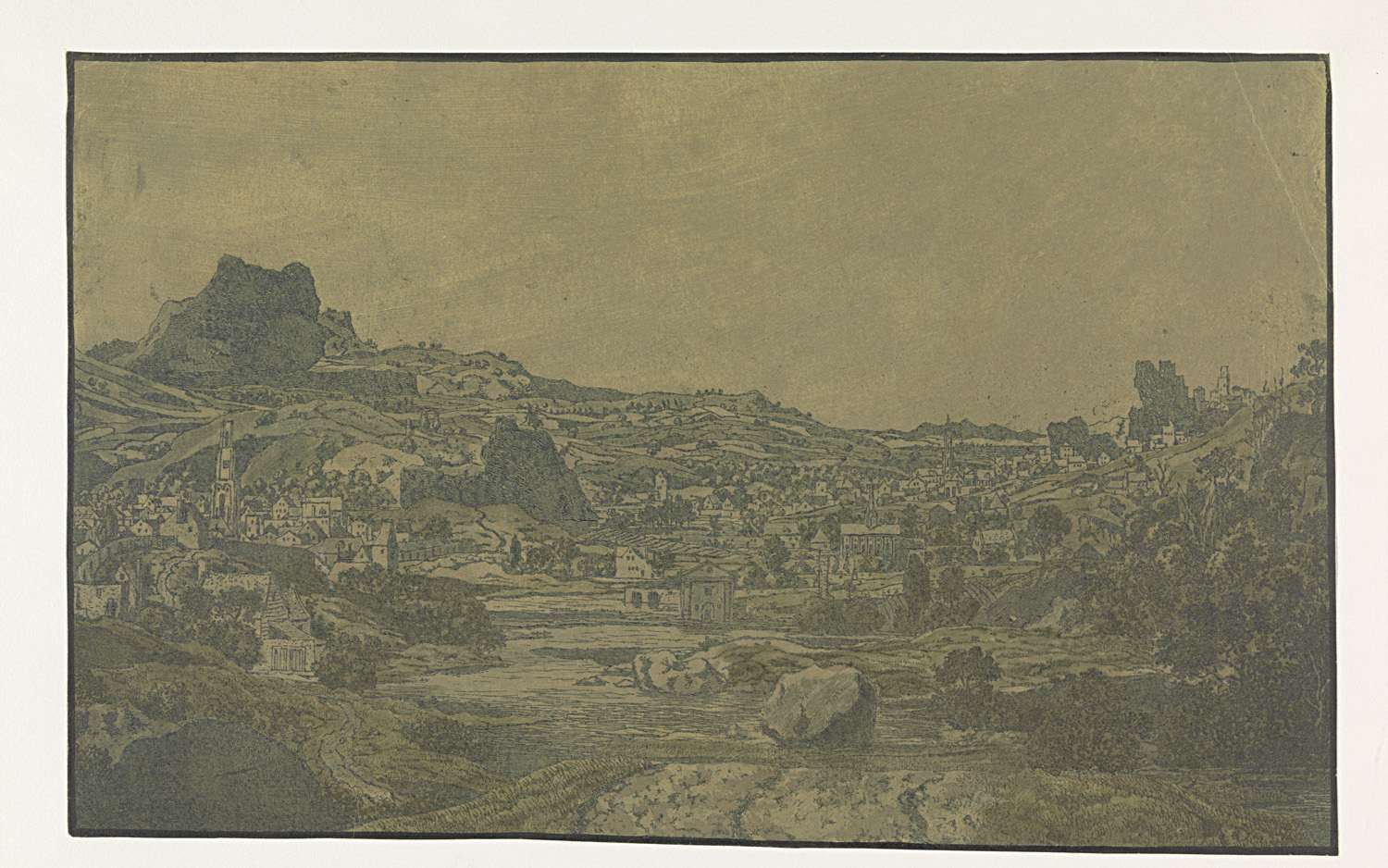
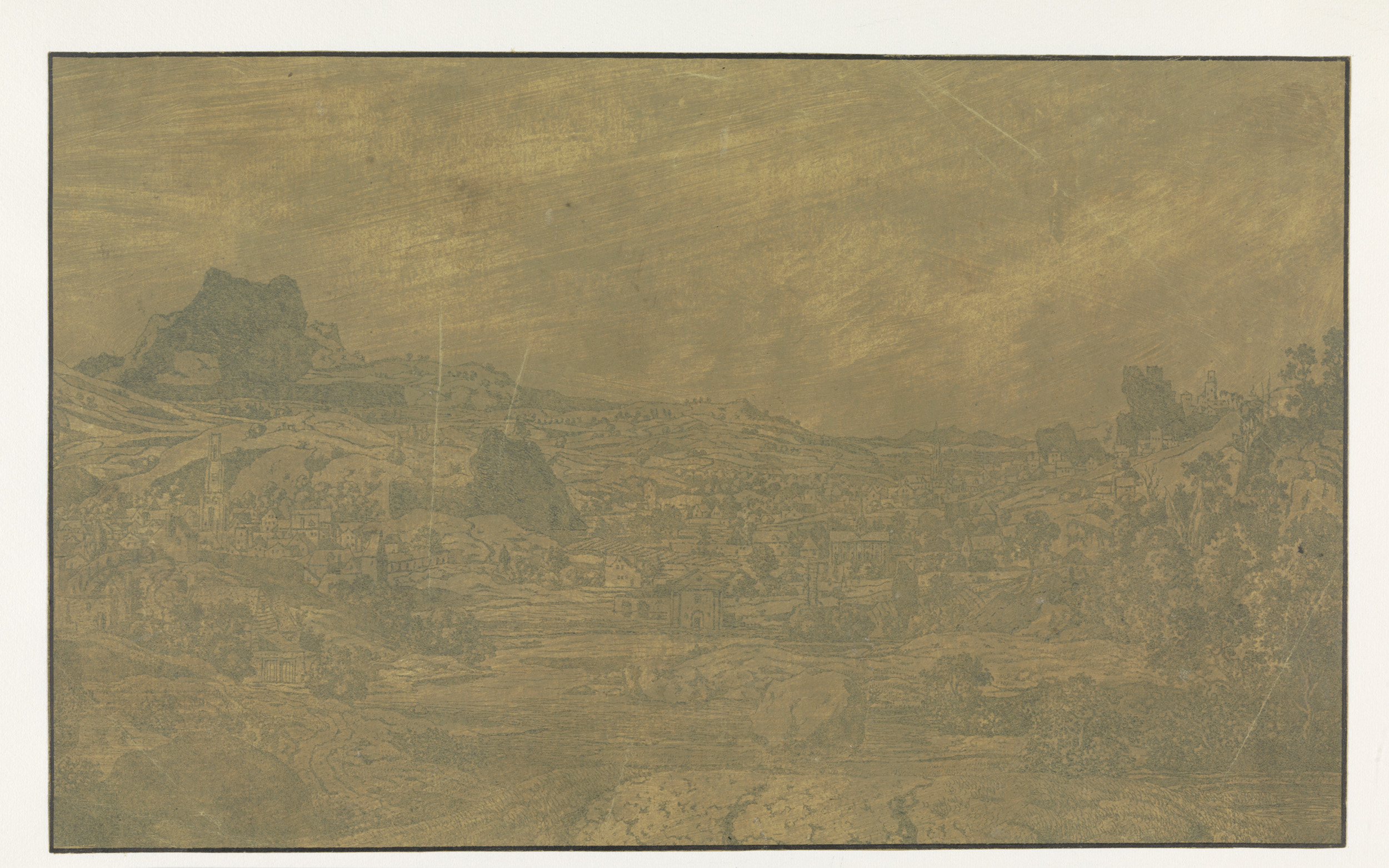
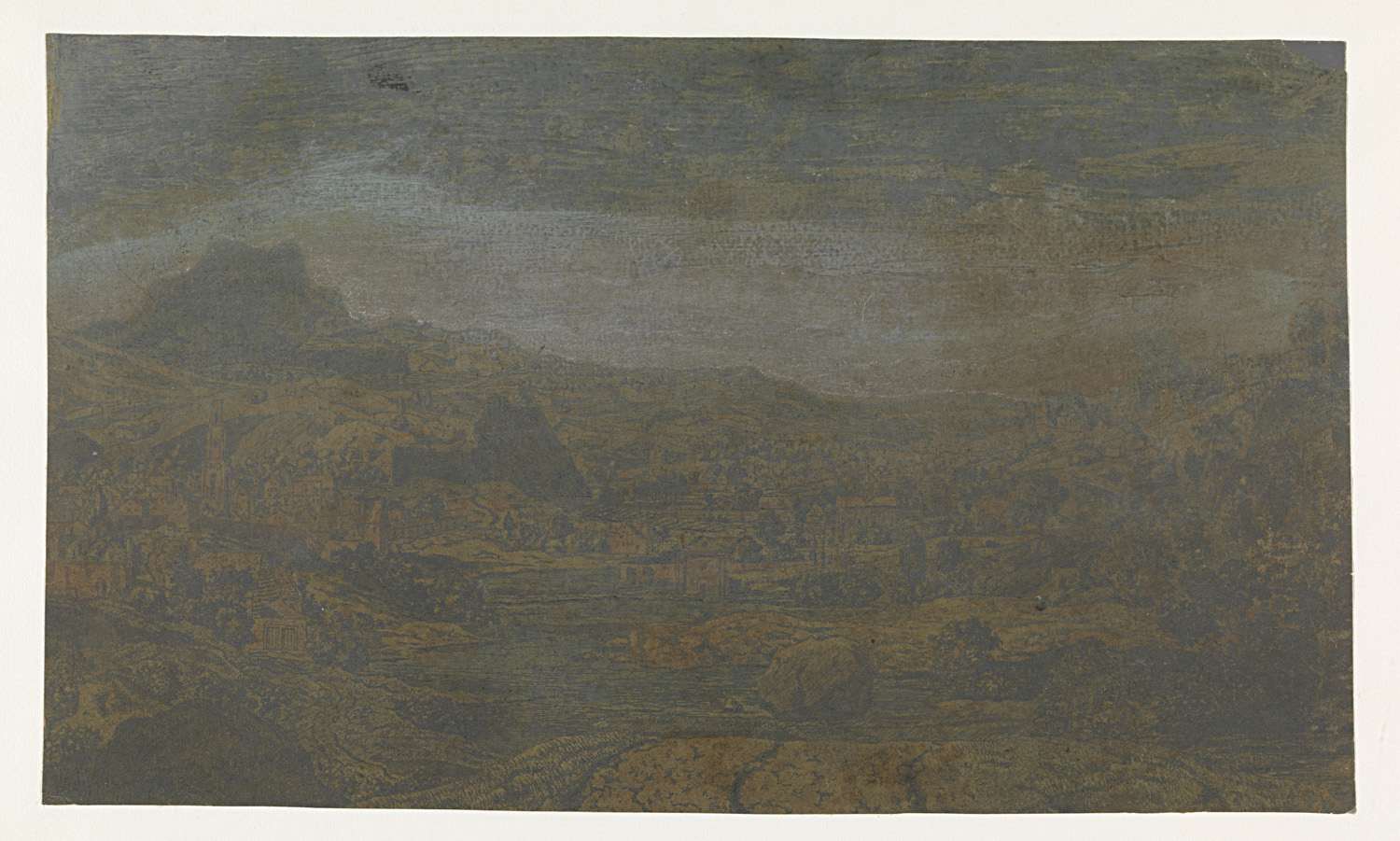
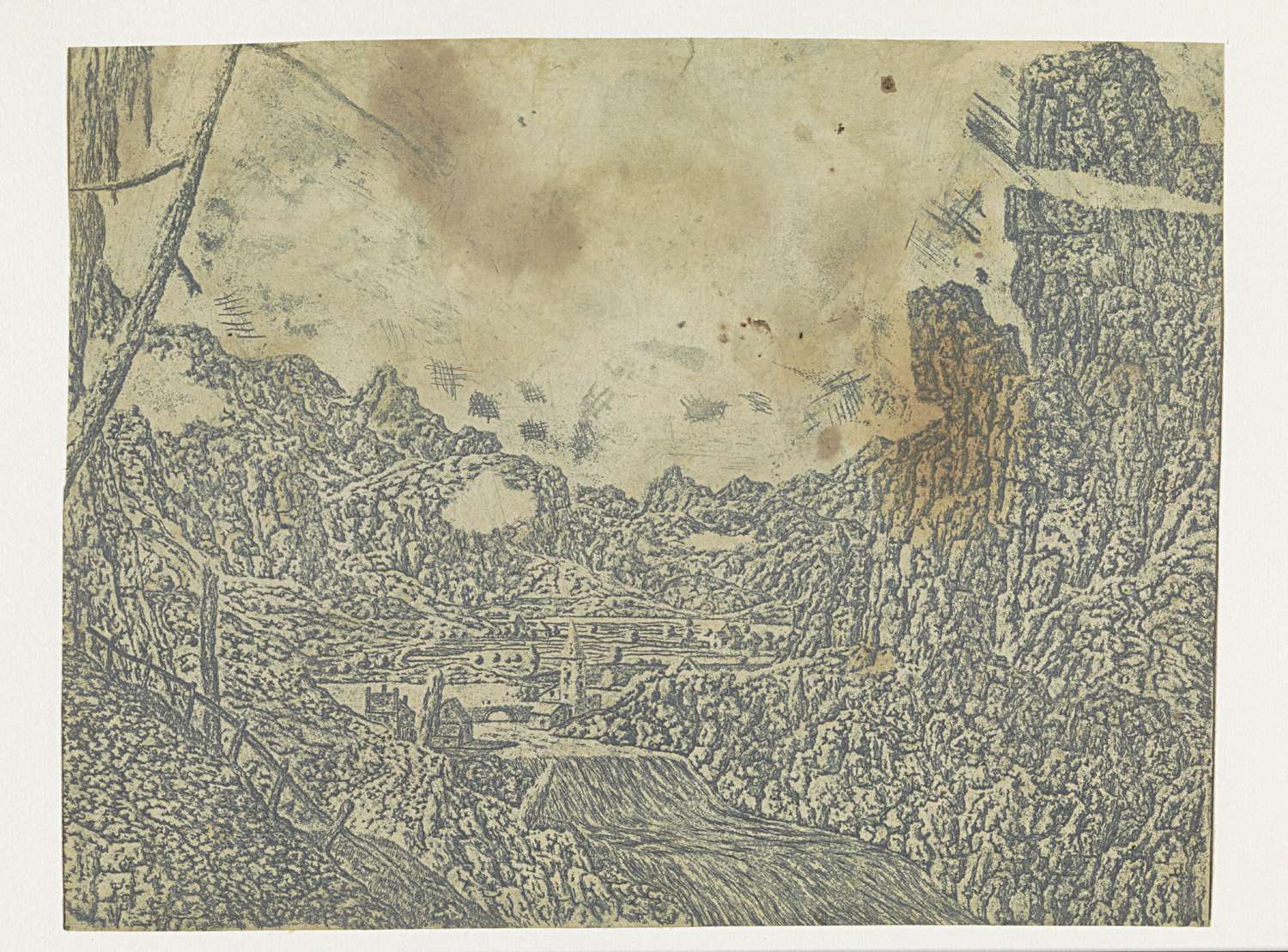
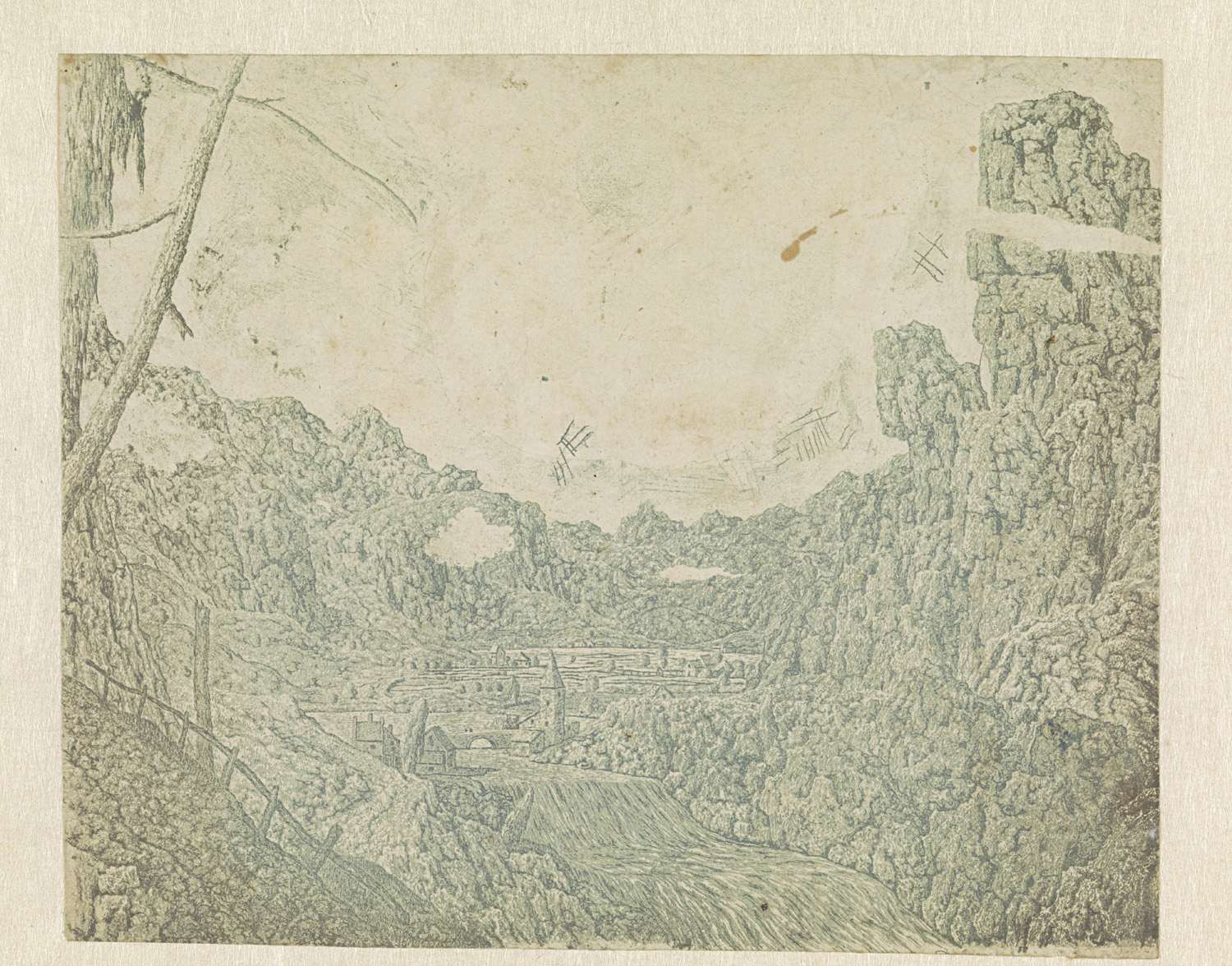
Mountain Valley with Fenced Fields — History & Analysis
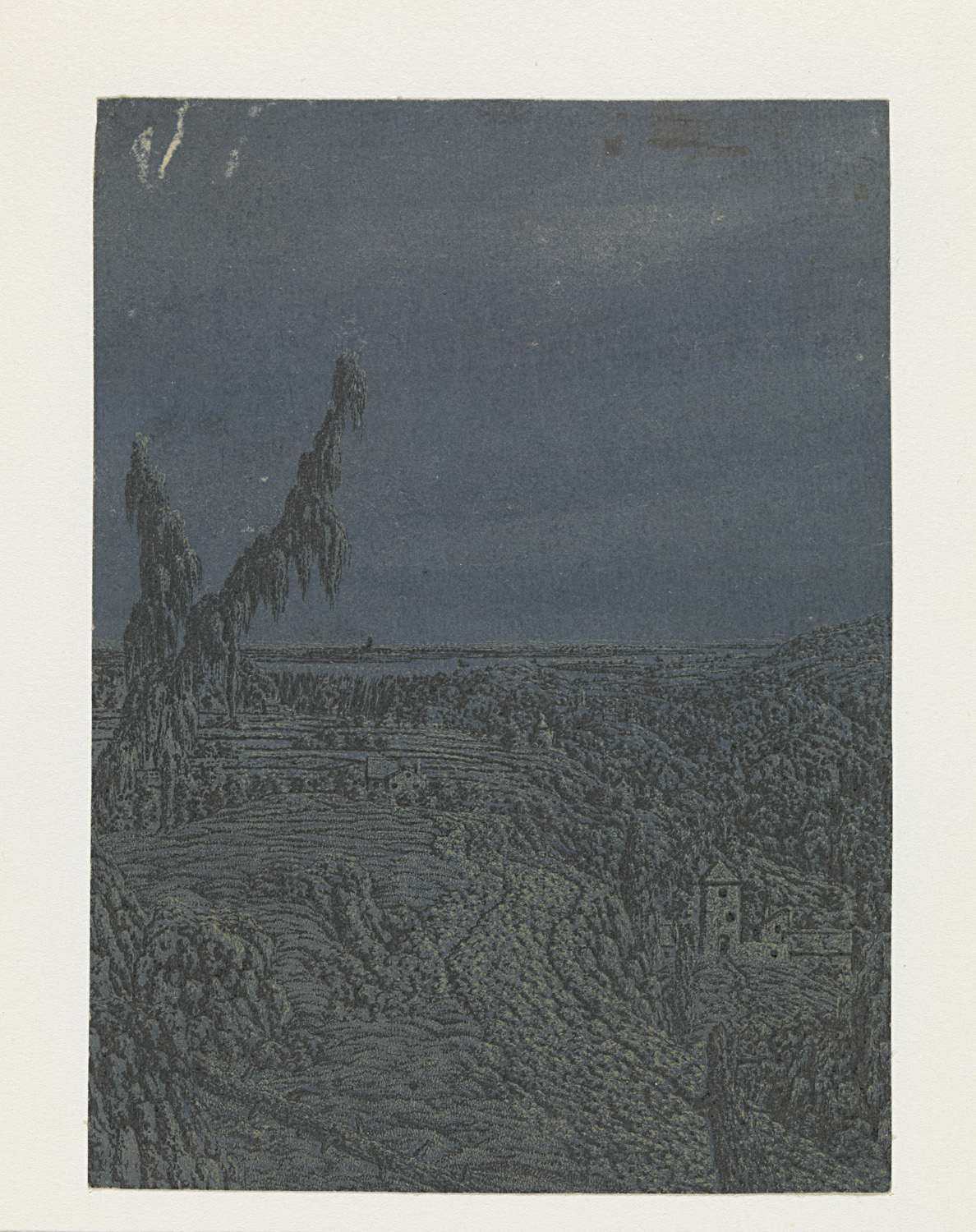
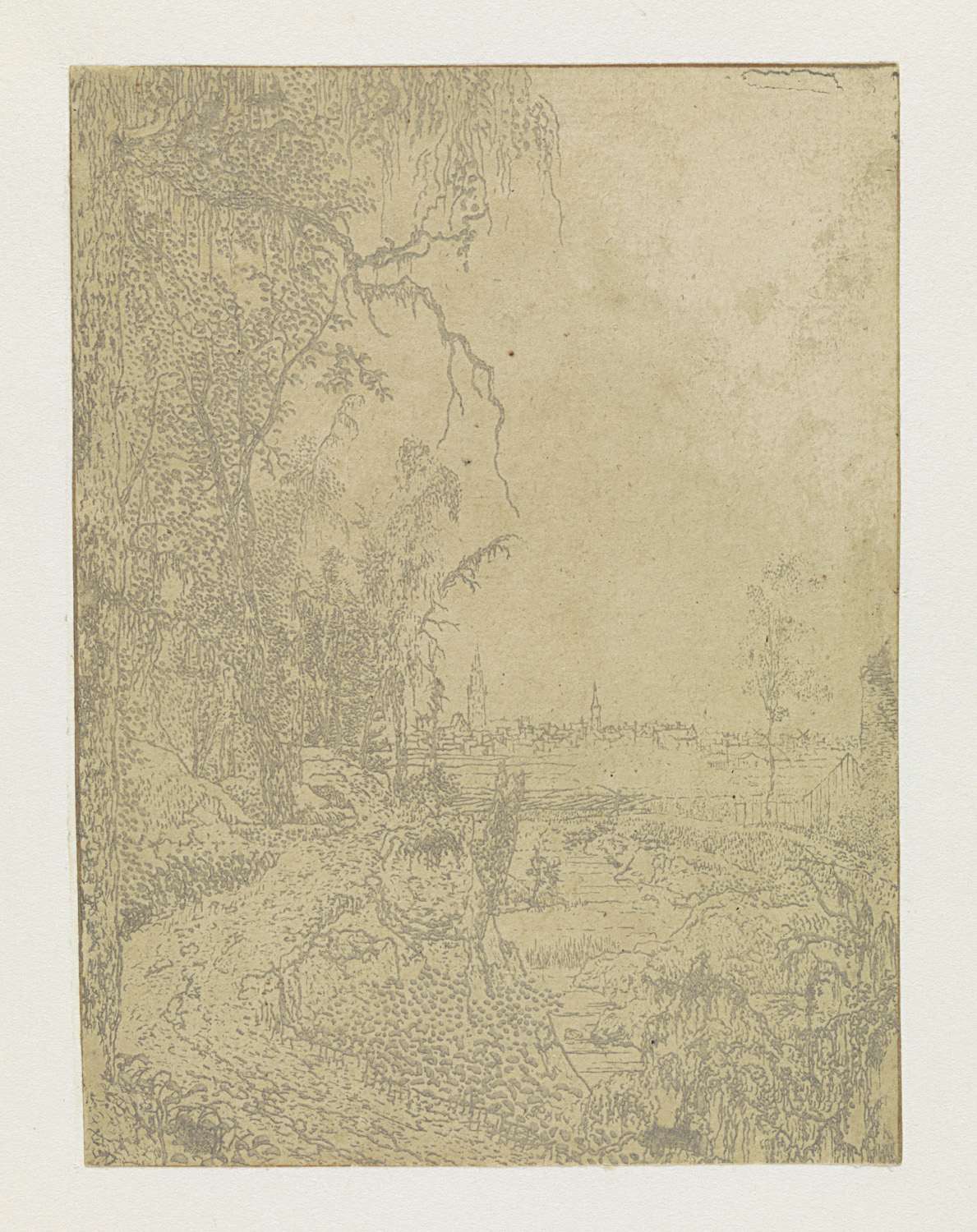
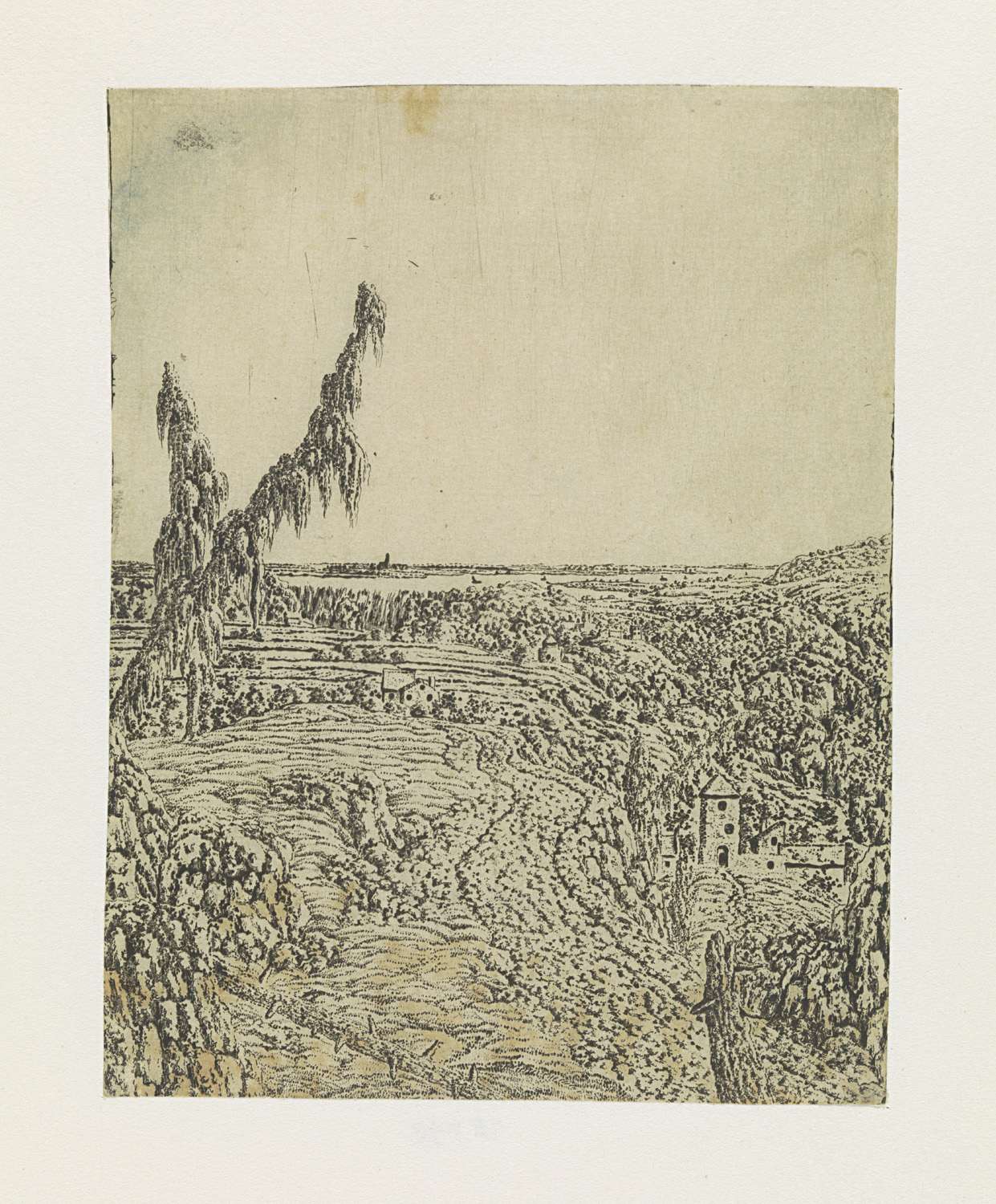
“The canvas doesn’t lie — it simply waits.” In the stillness of a mountain valley, the truth lurks beneath the surface, whispering of betrayals unfathomable. Nature’s grandeur and human fragility intertwine, hinting at stories untold and emotions masked by the serene facade. Look to the foreground where fenced fields stretch across the canvas, their delicate lines guiding your gaze toward the towering mountains beyond. Notice how the verdant greens of the fields contrast sharply with the somber blues and grays of the distant peaks, a reminder of the duality of existence.
The artist’s masterful use of chiaroscuro creates depth, allowing light to dance across the landscape, imbuing it with an ethereal quality that draws you into the scene. Yet, within this picturesque setting lie tensions waiting to be unraveled. The fences, both protective and confining, speak of boundaries and limitations that can lead to isolation. The serenity of the valley belies an undercurrent of unease, suggesting that beauty can mask hidden pain.
Is the viewer a participant in this world, or merely an observer of a betrayal—a disconnection from nature, from oneself? Created in the early 17th century, this work emerged during a transformative period for the artist. Living in the Netherlands, Segers was influenced by the changing dynamics of art and society amidst the backdrop of the Dutch Golden Age. The intricate landscapes he painted reflect his introspective nature, as he grappled with personal and artistic challenges, ultimately capturing the fragile dance between the beauty of the world and the turmoil within it.