Mountains in the Rising Fog — History & Analysis
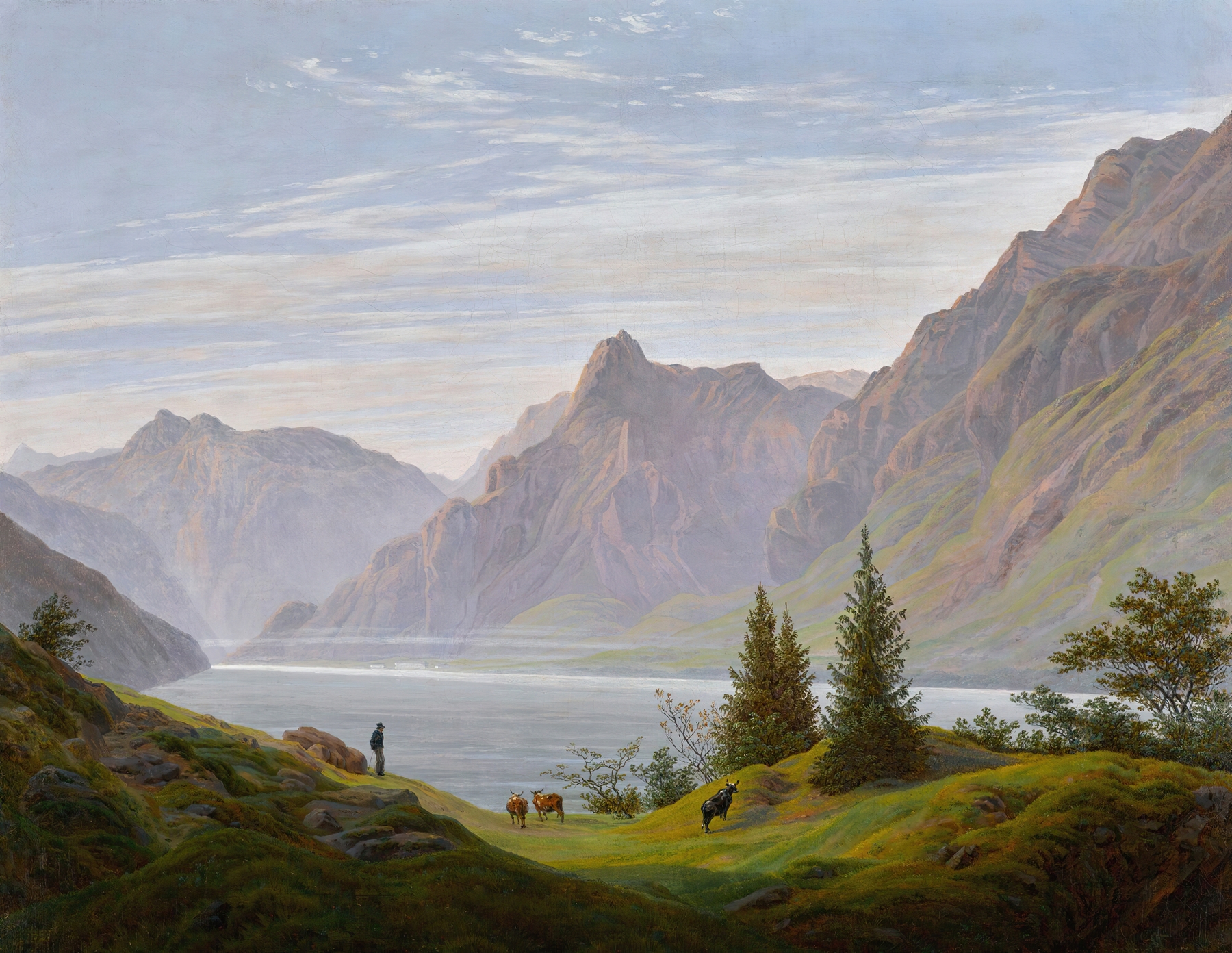
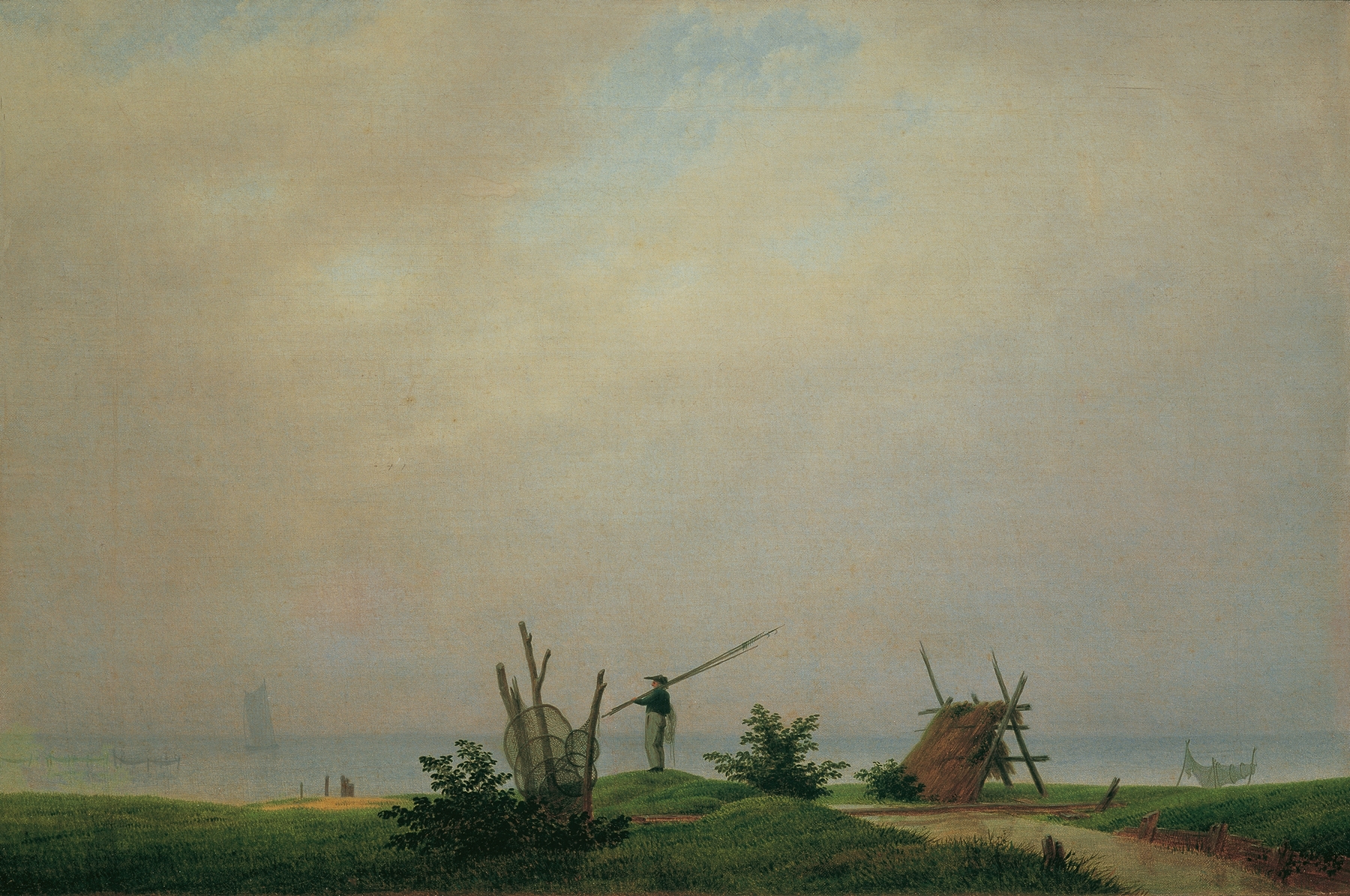
“Every silence here is a confession.” In the midst of towering mountains and veils of rising fog, we confront the ache of absence woven through nature’s fabric. Focus first on the ethereal horizon, where muted blues and grays converge, suggesting both distance and the weight of introspection. Notice how the mist delicately envelops the peaks, concealing their summits while inviting contemplation. The layers of soft, translucent fog contrast sharply with the ruggedness of the mountains, invoking a dialogue between the seen and the unseen, the known and the unknown.
Each brushstroke breathes life into the stillness, coaxing the viewer to pause and immerse themselves in this haunting landscape. Within this composition lies a profound contemplation of loss. The obscured mountaintops signify the unattainable, a metaphor for aspirations forever shrouded in uncertainty. The interplay of light and shadow reveals the duality of existence—hope intertwined with melancholy.
As the fog rises, it serves not only to obscure but to protect, suggesting hidden memories and emotions that linger in the air, waiting to be expressed or acknowledged. Created in 1835, this piece emerged from Friedrich’s deep engagement with Romanticism amidst a period of personal turmoil and a collective European yearning for nature’s sublime beauty. Living in Germany, Friedrich experienced the tension between industrial progress and the sublime tranquility of nature, often reflecting on themes of solitude and introspection in his work. This painting encapsulates that fragile moment where the viewer stands on the precipice of feeling, caught between nature's vastness and the intimate shadows of their own heart.