Nach dem Sturm — History & Analysis
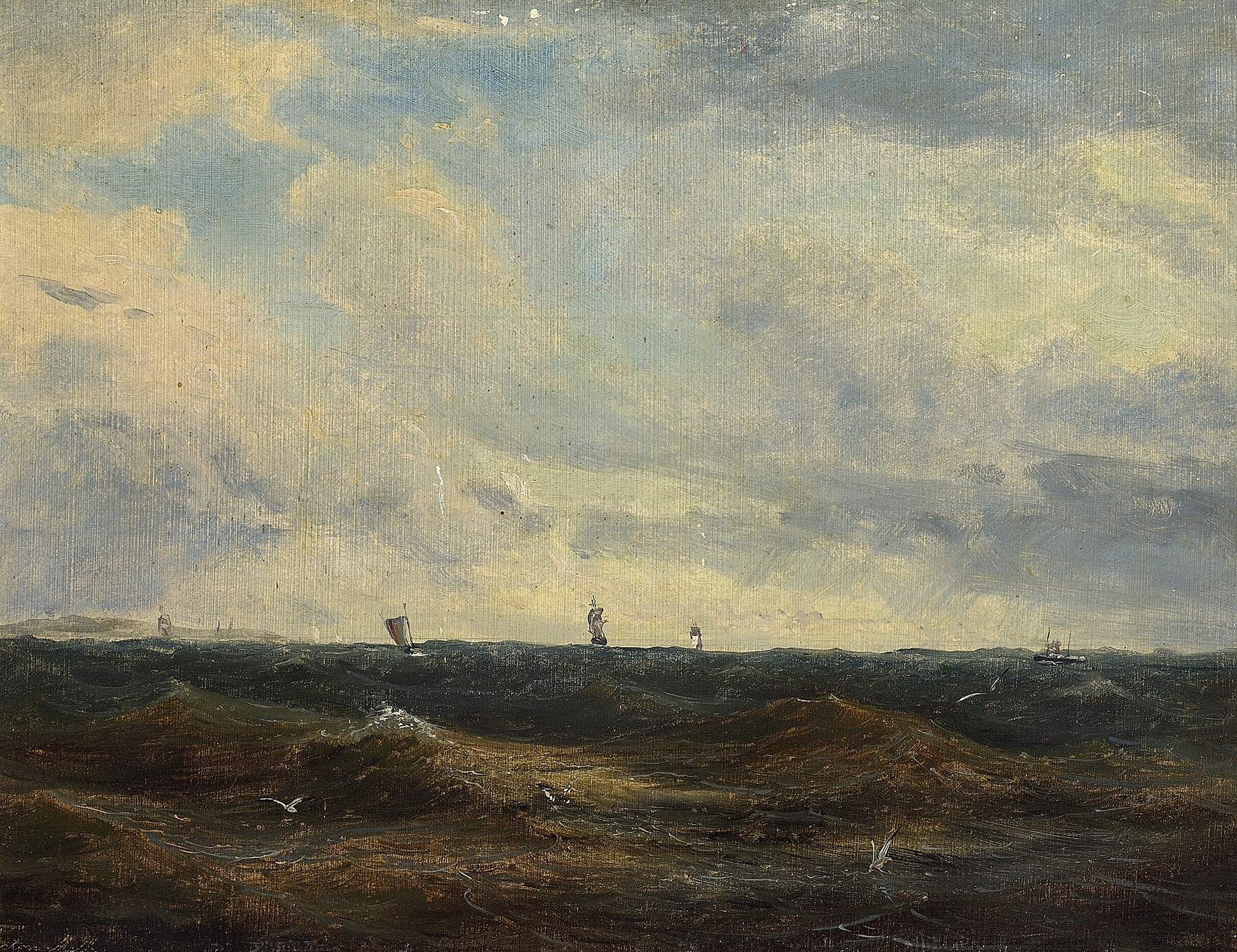
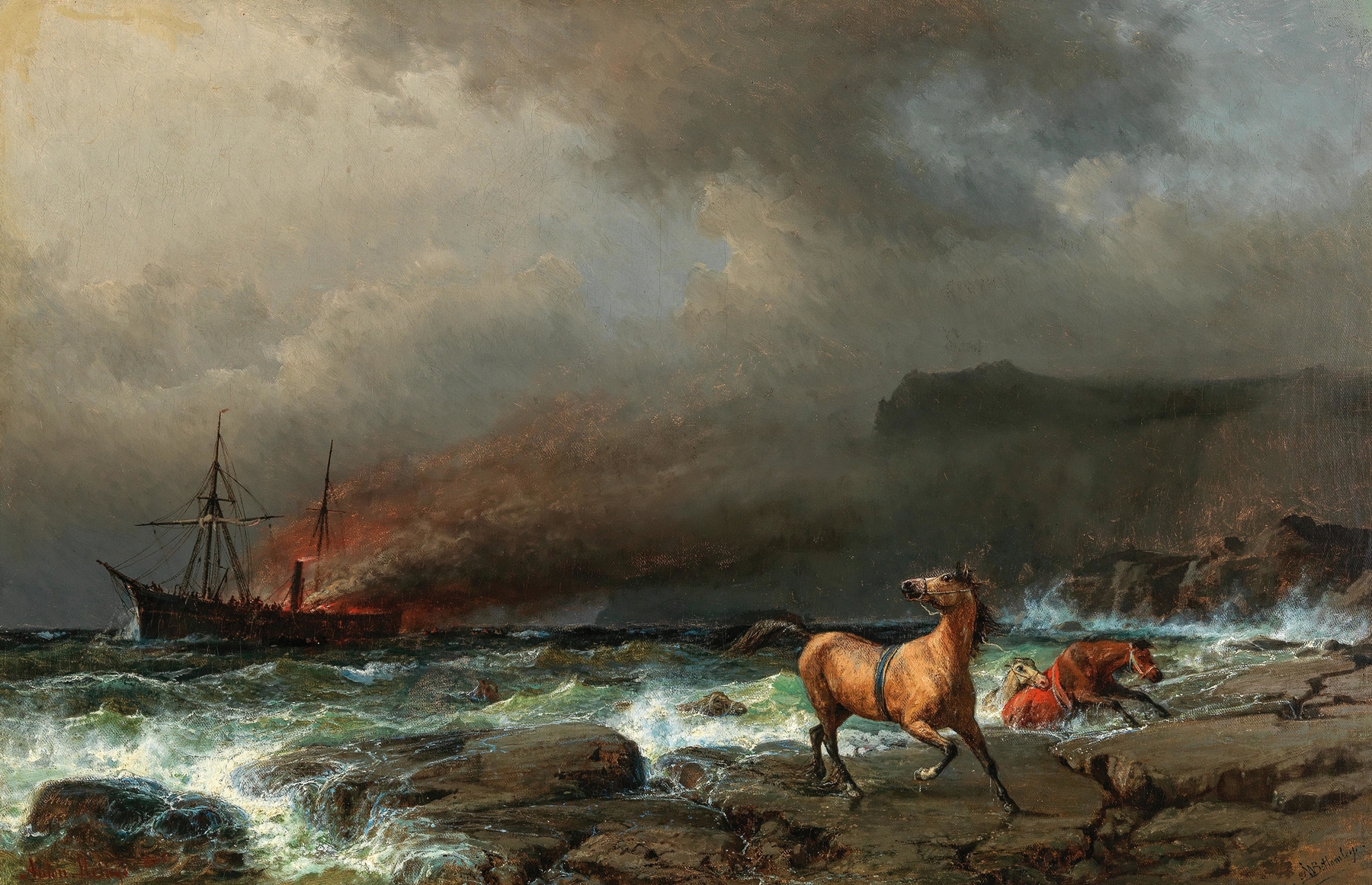
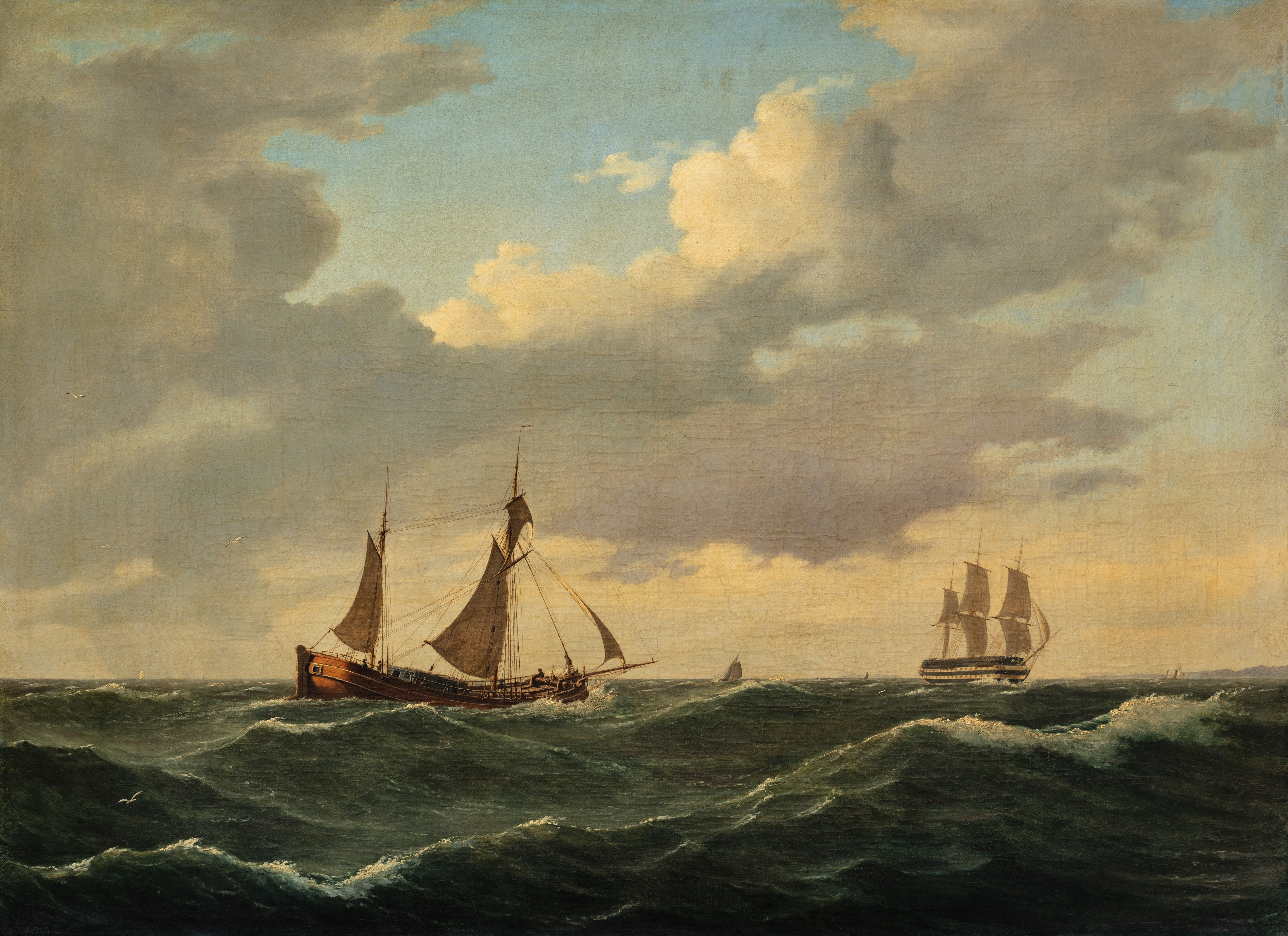
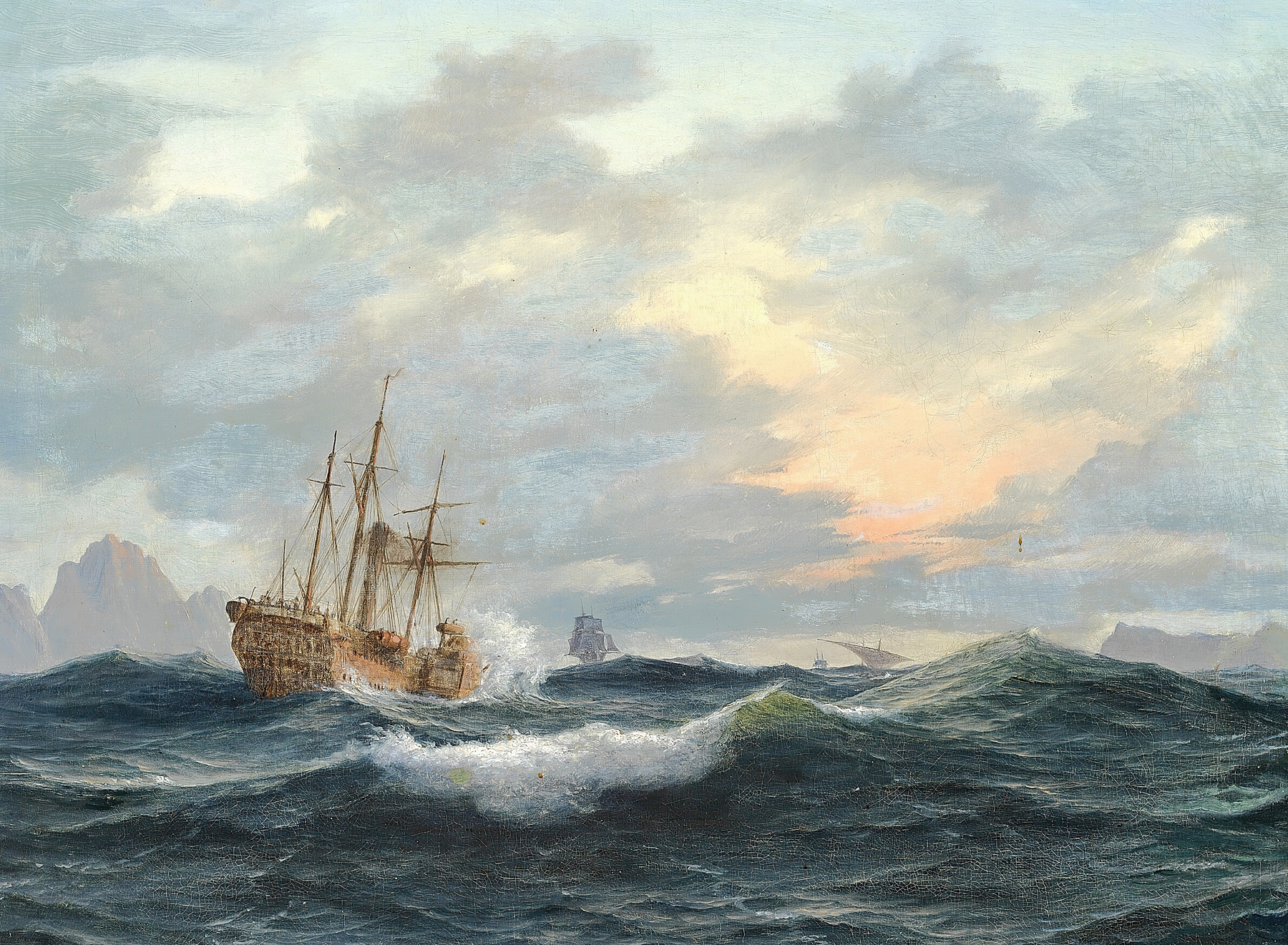
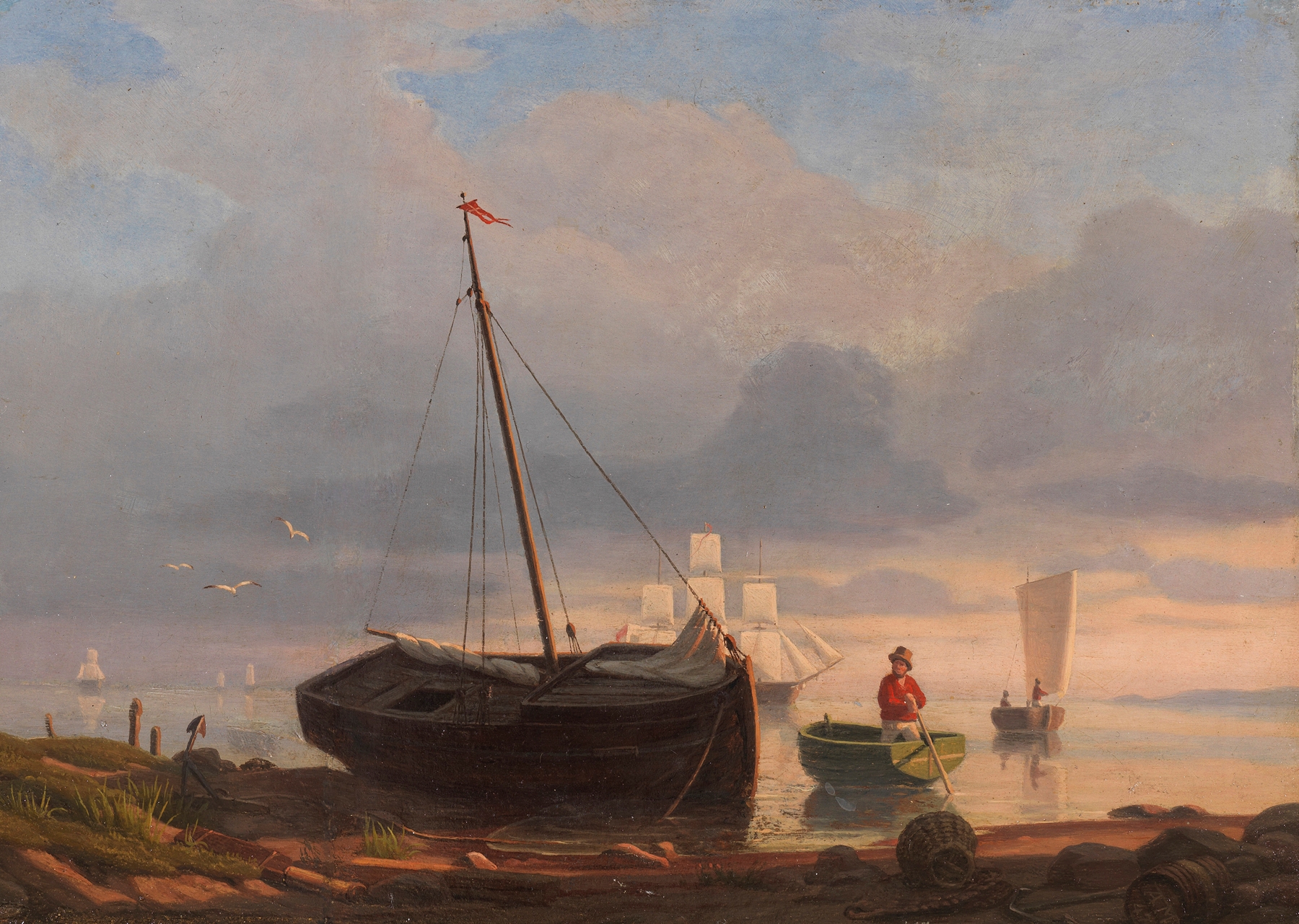
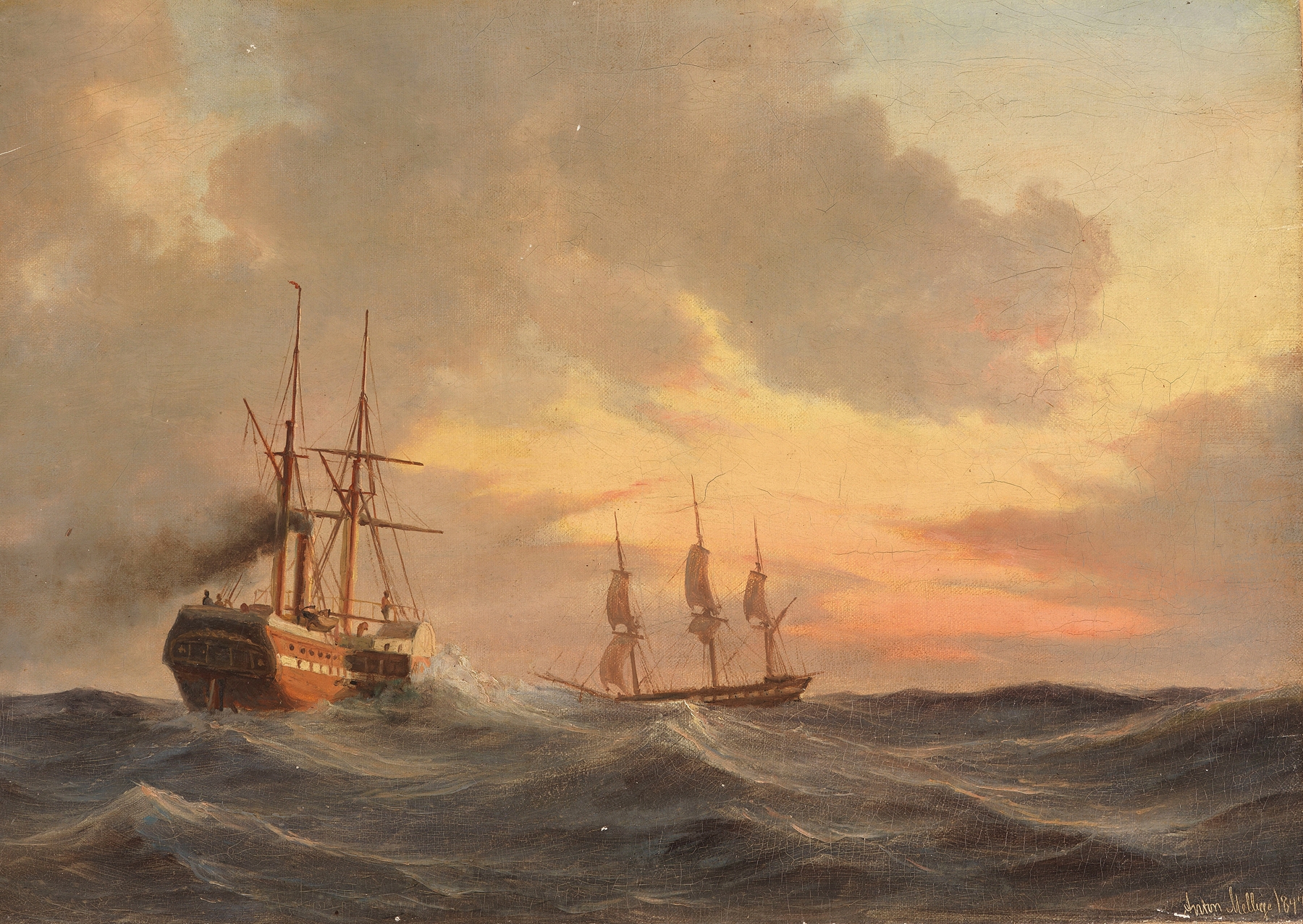
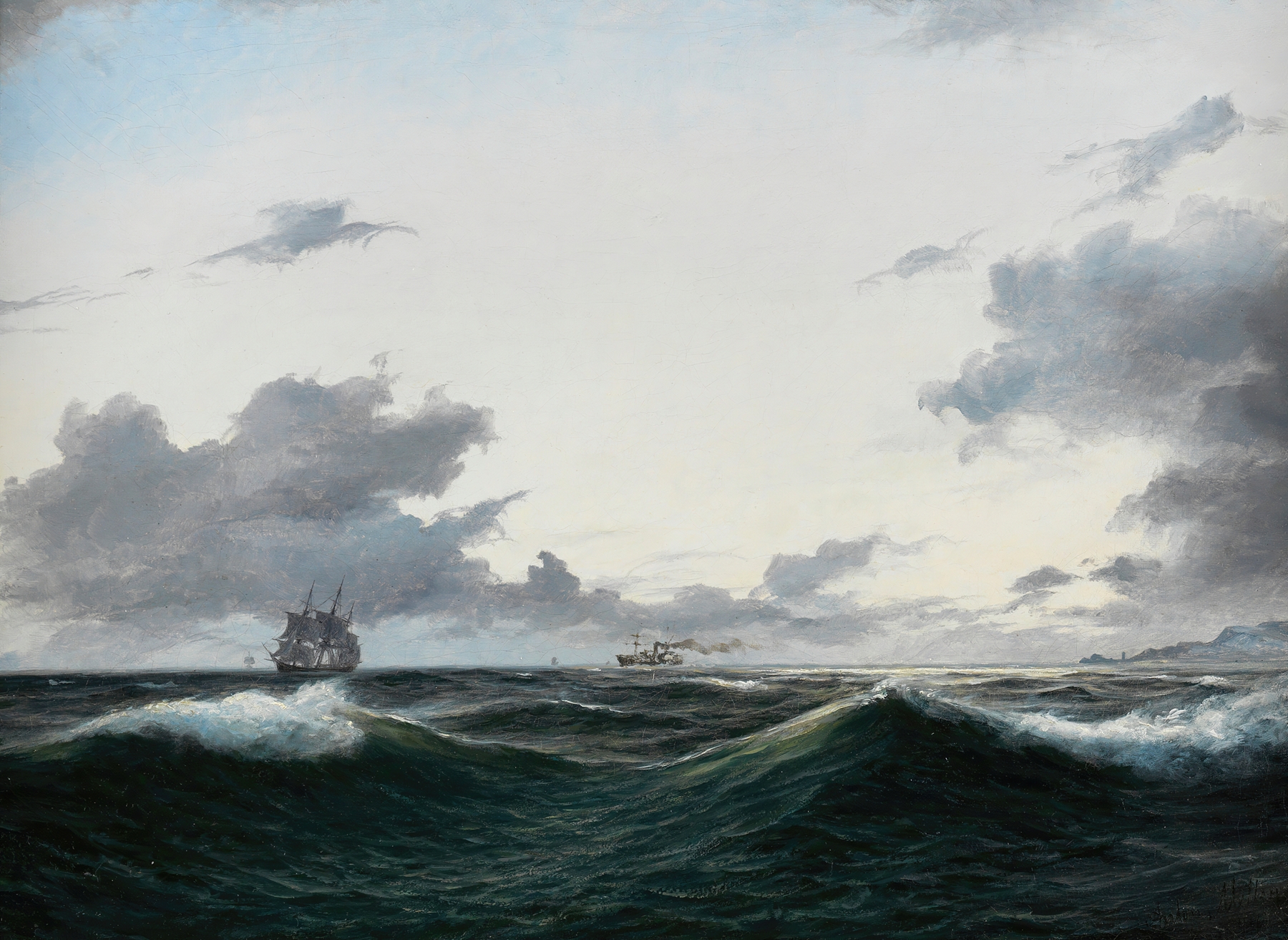
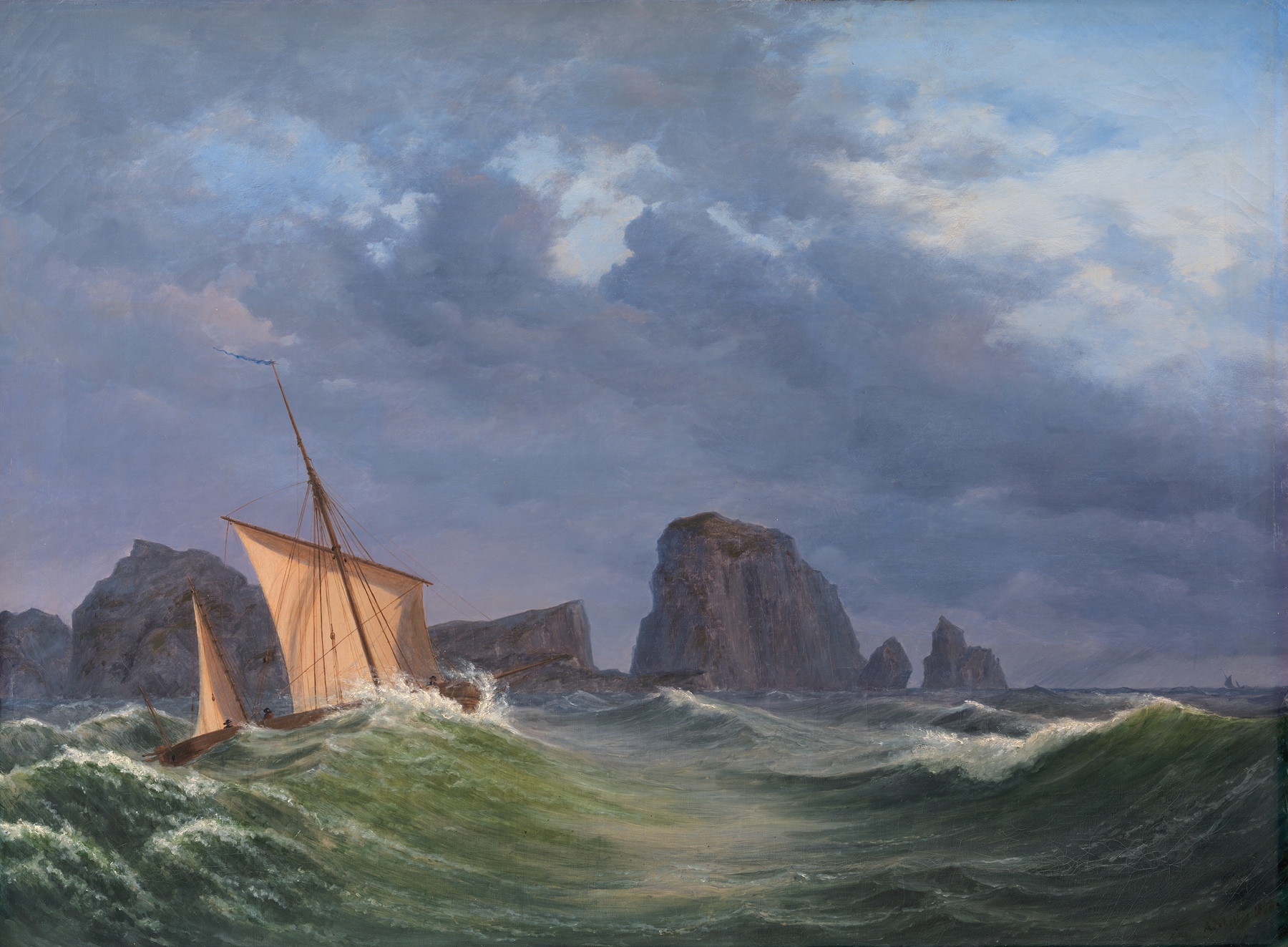
Can beauty exist without sorrow? In the wake of a storm, nature's resilience unveils a revelation that resonates deeply within us all. Look to the horizon, where muted pastels of pink and lavender blend seamlessly into the remnants of dark gray clouds. The calm waters mirror this ethereal sky, creating a tranquil balance that invites contemplation.
Focus on the small boat bobbing gently at the shore, its occupants immersed in the quiet aftermath, their silhouettes softened by the fading light. The artist's brushwork captures both the serenity of the moment and the textures of the landscape, highlighting the delicate interplay between chaos and tranquility. As you delve deeper, notice the subtle juxtaposition of light and shadow; the storm’s departure leaves a bittersweet afterglow. The vibrant colors hint at renewal while suggesting the fragility of peace, evoking a sense of nostalgia for what has been lost.
Small details, like the drifting leaves or the remnants of rain-soaked earth, remind us that beauty often emerges from turmoil, emphasizing the poignant truth that joy is intertwined with sorrow. In 1862, Melbye painted this evocative scene while living in Denmark, a period marked by rapid changes and a growing interest in maritime themes. As he explored coastal landscapes, the artist sought to capture the sublime beauty of nature’s transformations, reflecting the Romantic ideals prevalent in contemporary artistic circles. This work stands as a testament to his ability to convey profound emotions through the interplay of light, color, and composition.