The Wreck of the Anglo Saxon — History & Analysis
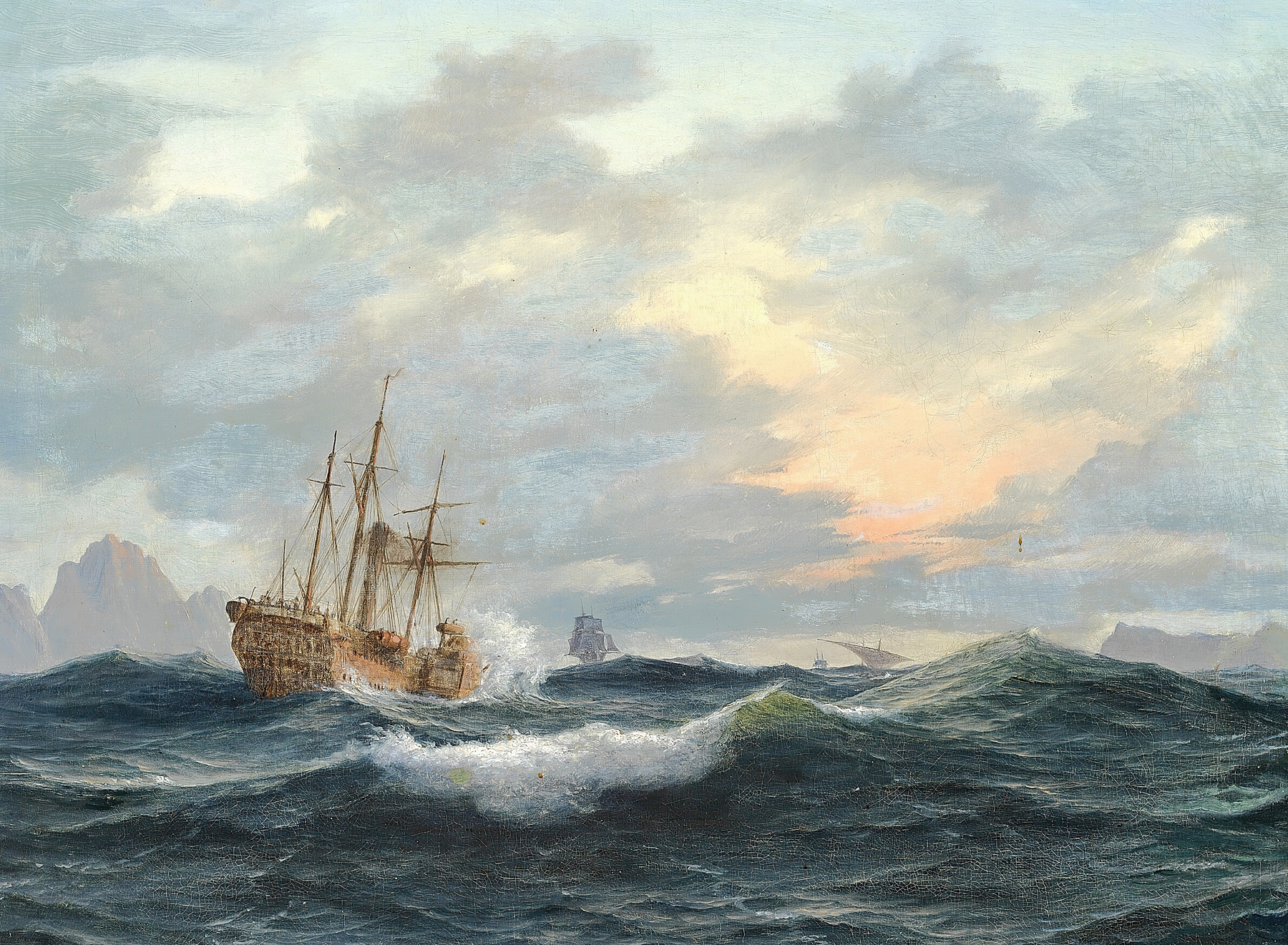
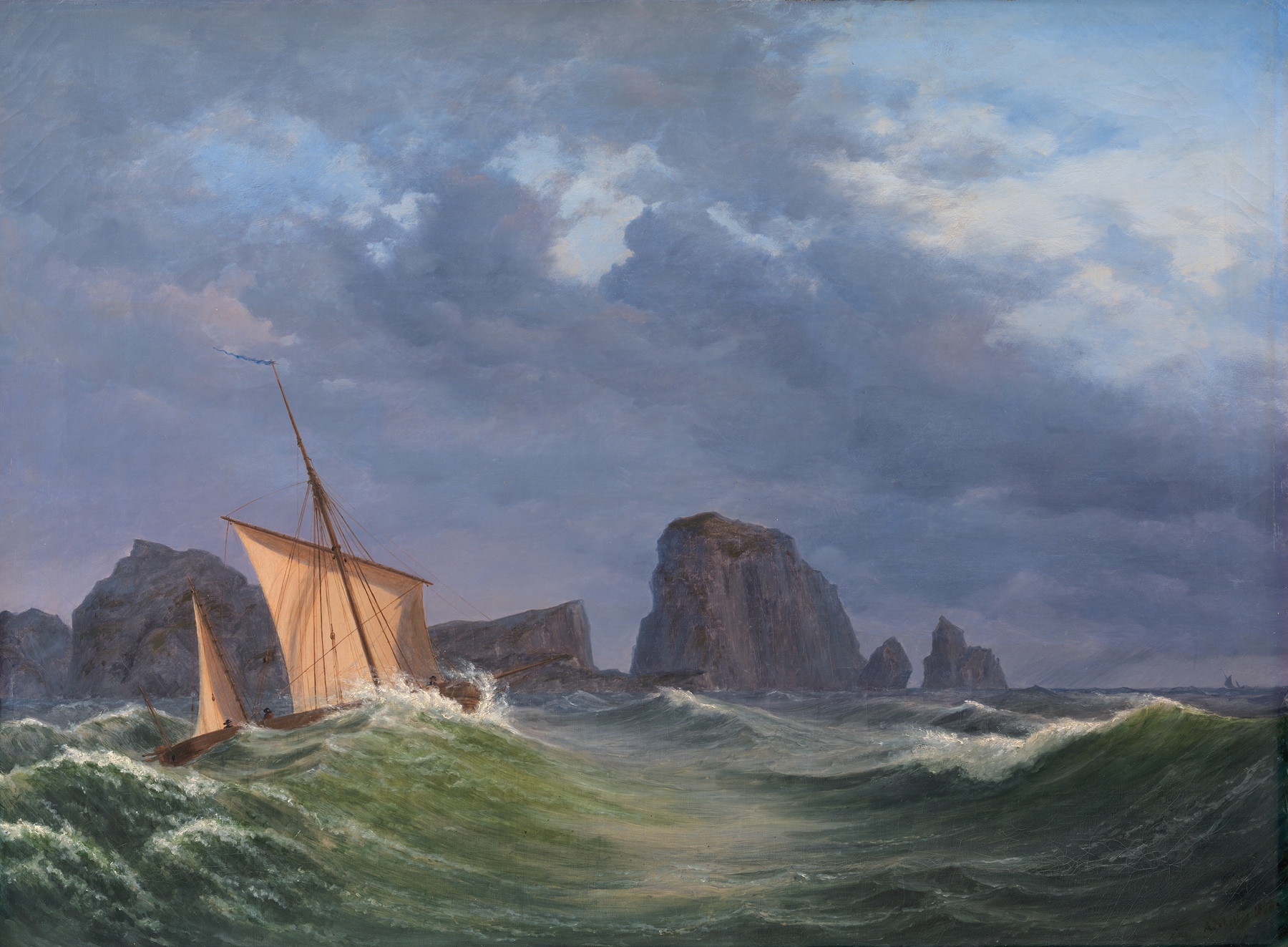
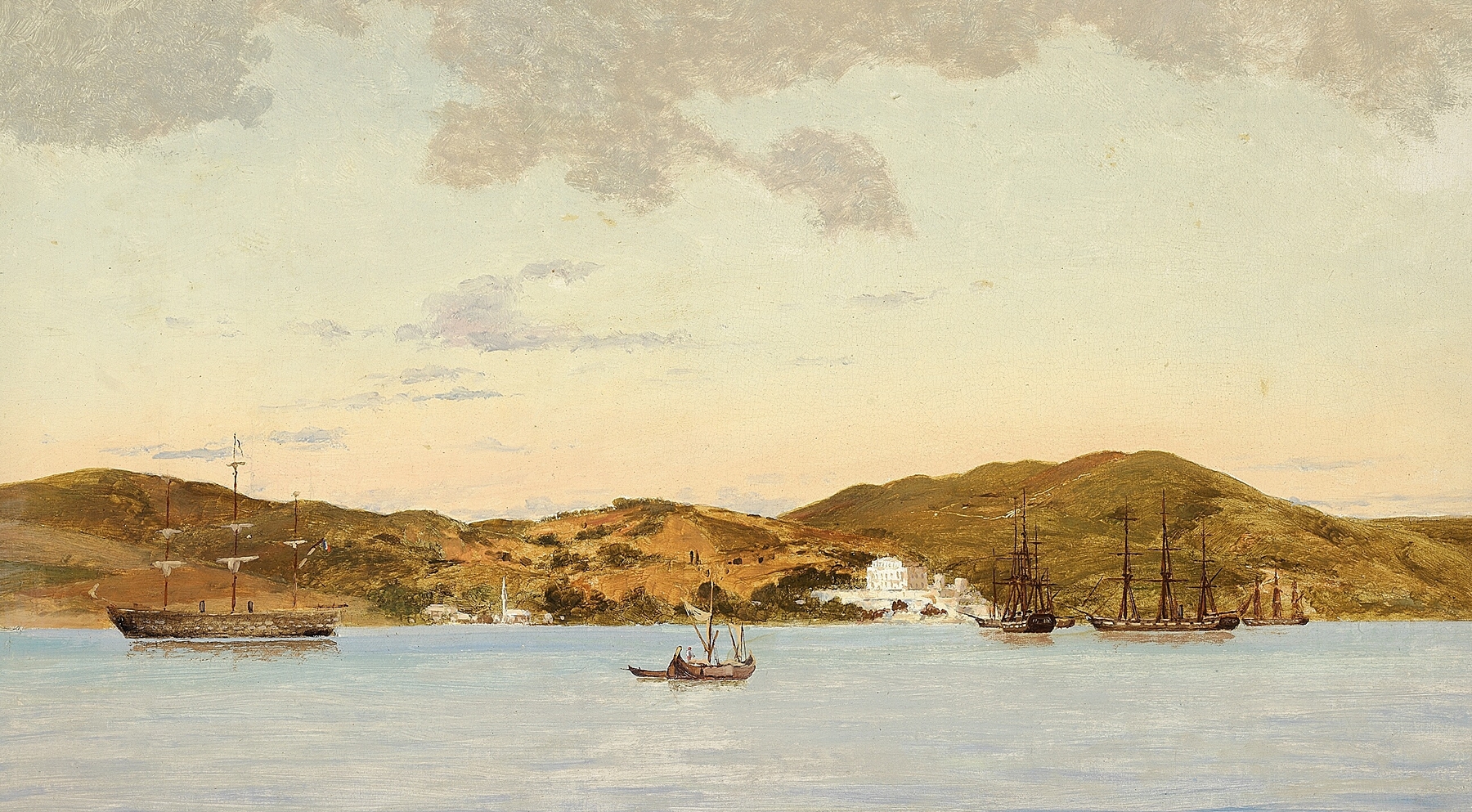
What if silence could speak through light? In The Wreck of the Anglo Saxon, Anton Melbye masterfully captures the balance between chaos and tranquility amidst destruction. Focus first on the foreground, where the remnants of the ship lie scattered across the rocky shore. The muted palette of greys and browns contrasts sharply with the turbulent sea, drawing your eye to the haunting beauty of the shipwreck.
Notice how the sunlight breaks through the clouds, illuminating the broken hull and creating a play of light that dances across the water’s surface, highlighting textures and imbuing the scene with an eerie calmness. Delve deeper into the painting, and you’ll find layers of emotional tension. The shipwreck, a symbol of man’s struggle against nature, evokes both despair and resignation. The calmness of the water surrounds the wreck, suggesting nature’s indifferent acceptance of human folly.
Yet, the rugged cliffs in the background serve as a reminder of the raw power that brought about this destruction, hinting at the precarious balance between beauty and tragedy. In 1863, while Melbye painted this scene, he was deeply engaged in exploring maritime themes influenced by his Scandinavian roots. During this period, the world was witnessing rapid change from industrialization, and artists were beginning to challenge traditional representations of nature. Situated in Europe, Melbye's work reflected both a fascination with the sea and a contemplation of human vulnerability, marking a pivotal moment in the evolution of maritime art.