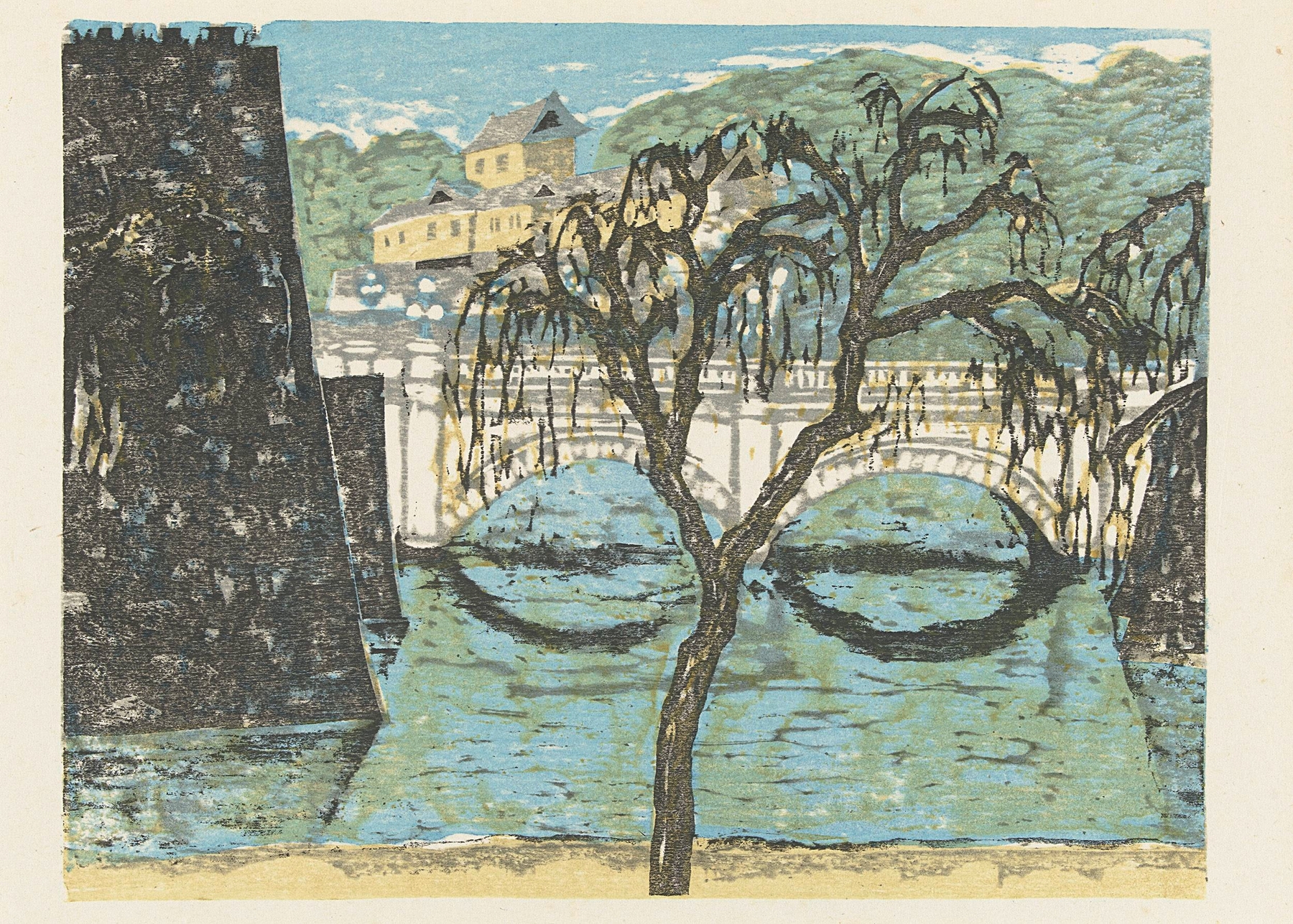
Nijūbashi, from the series ‘Recollections of Tokyo’ — History & Analysis
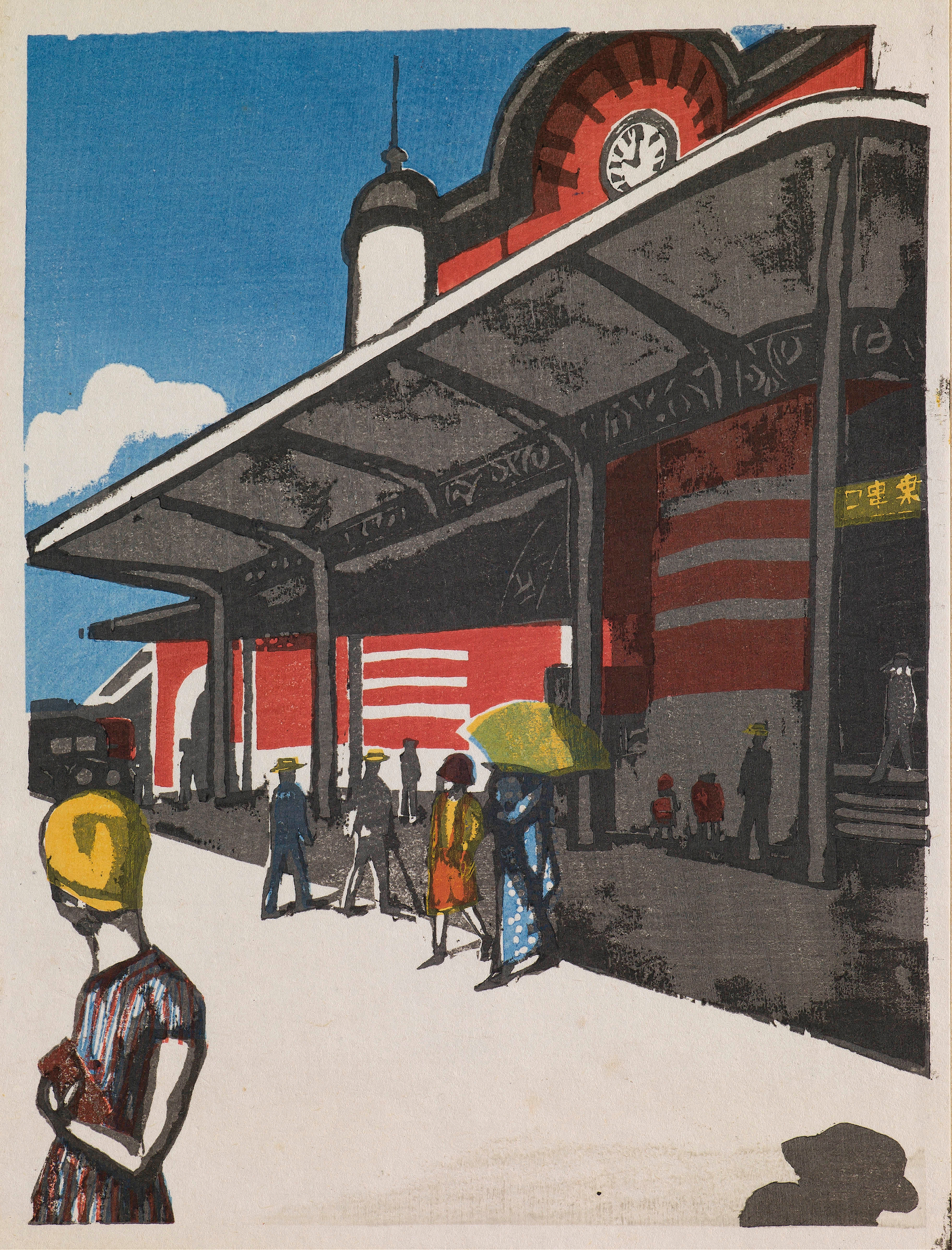
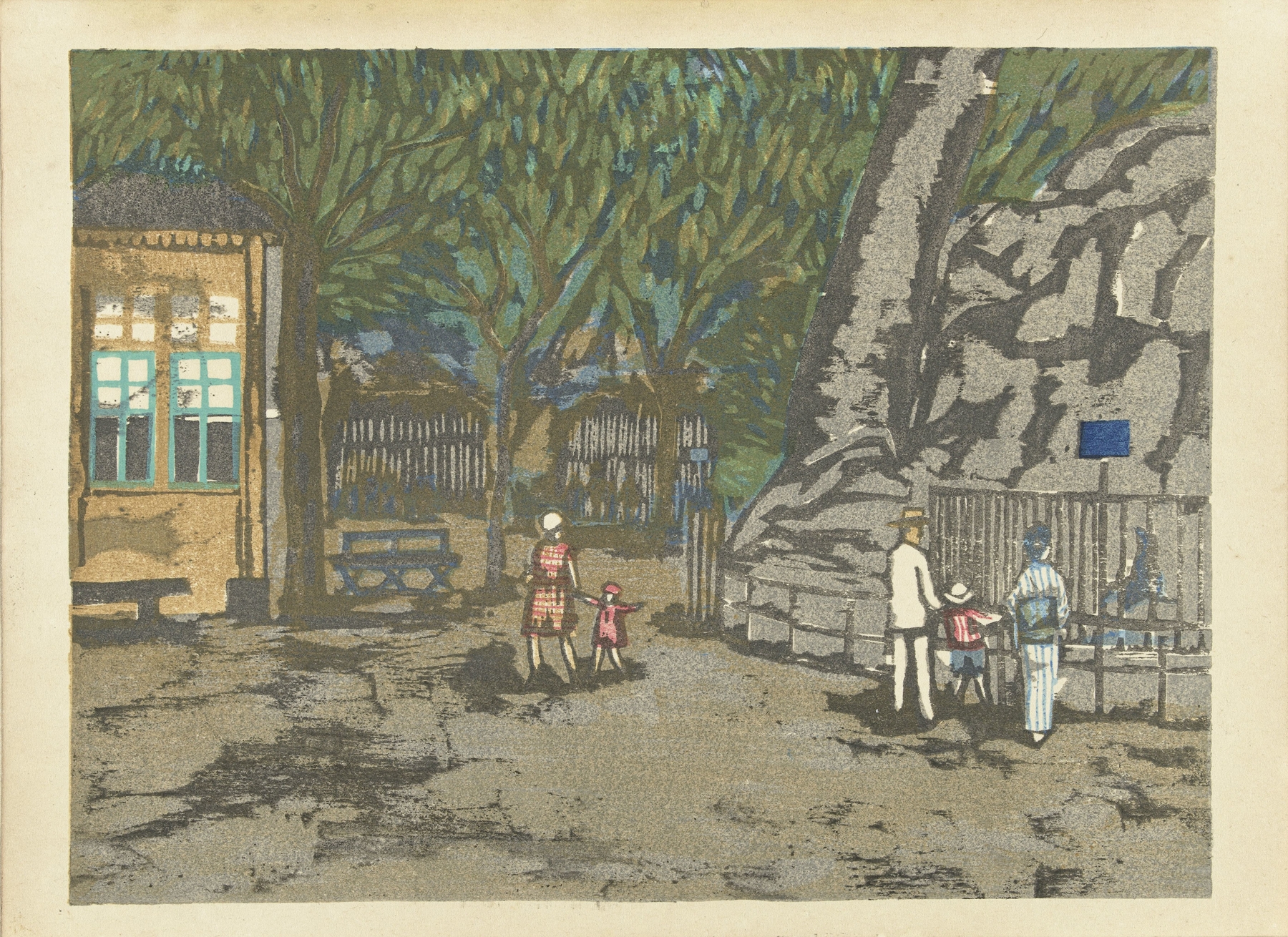
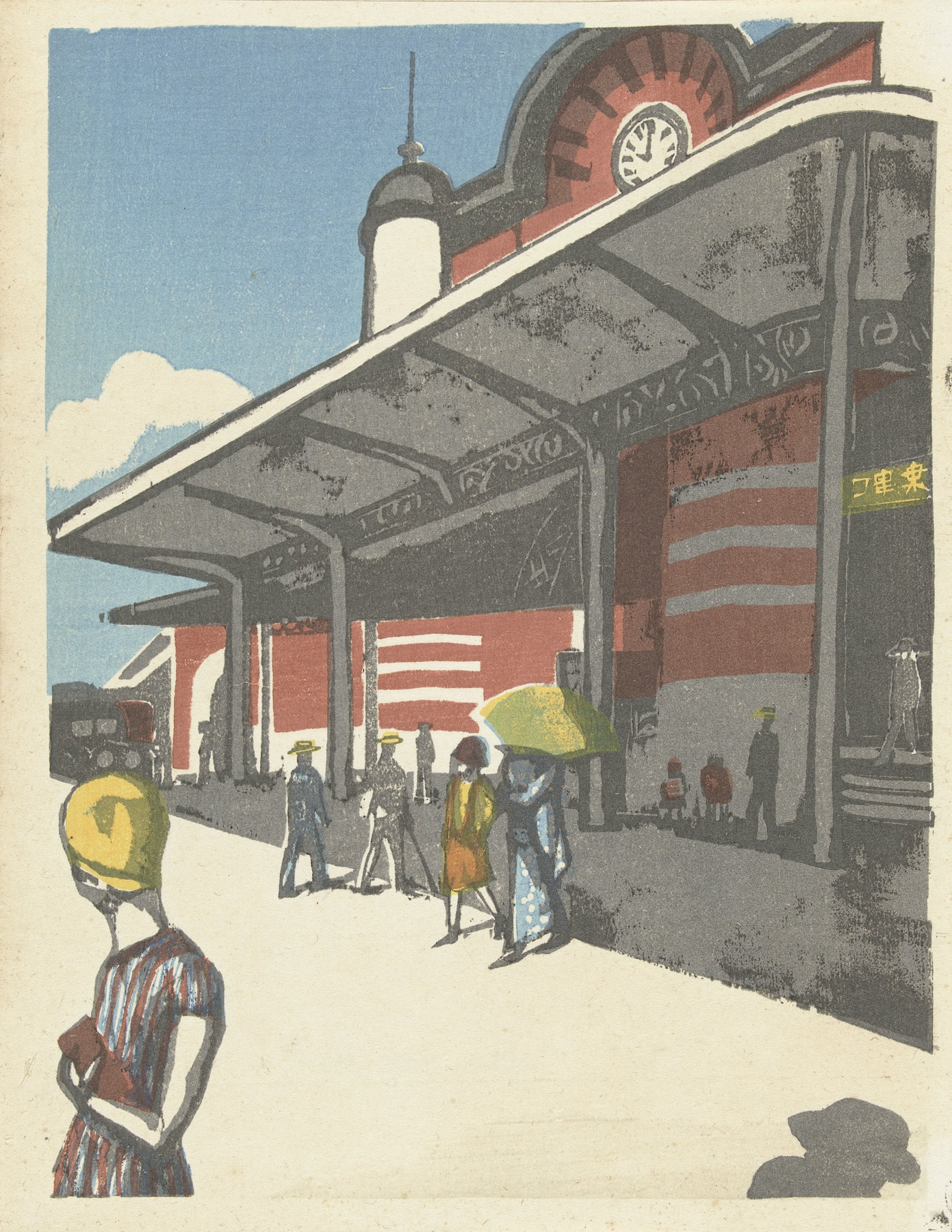
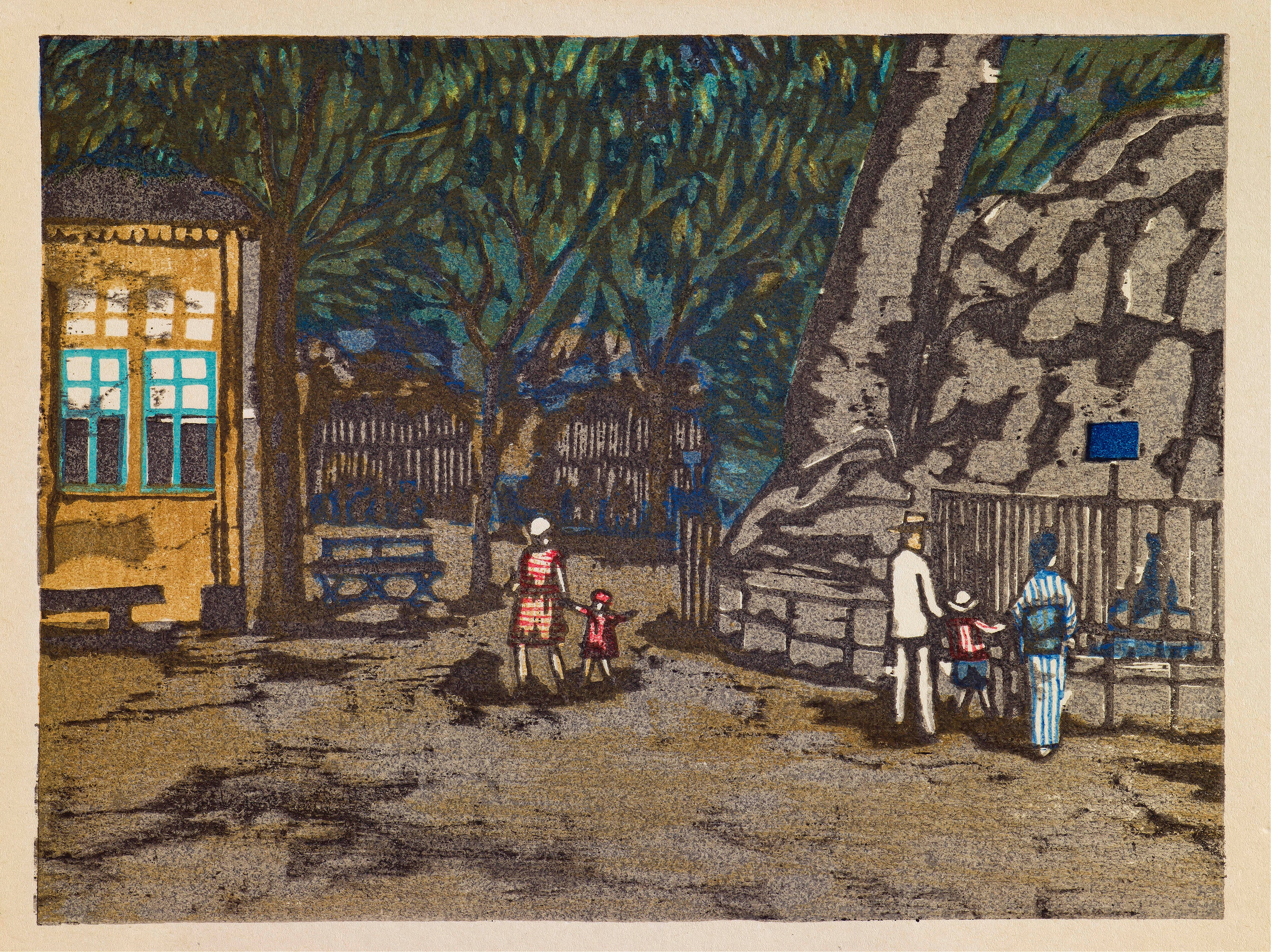
Is this a mirror — or a memory? In the delicate layers of color and texture, a forgotten world whispers tales of beauty and decay, inviting us to ponder what remains when time erodes the vivid edges of existence. Look to the left at the striking blue and green hues swirling across the canvas, creating an ethereal sense of depth. The bridge arches gracefully against a backdrop of muted tones, while reflections shimmer on the water’s surface, hinting at a liquid moment suspended in time.
Notice how the artist’s meticulous brushwork captures both the tranquility of the scene and its underlying fragility, as the gentle lap of water against stone suggests a relentless passage of time. Beyond the surface appeal, the juxtaposition of the vibrant colors against the somber decay speaks to an emotional tension. Each brushstroke reveals a history; the bridge, once a bustling symbol of connection, now stands as a poignant reminder of change and loss. This interplay between vibrancy and deterioration evokes a nostalgia that feels both personal and universal, inviting contemplation on the nature of memory and the impermanence of beauty.
Created in 1945, this work emerged from Onchi Kōshirō's experiences during a tumultuous period in Japan's history. As the nation faced the aftermath of war and destruction, he sought solace in the landscapes of his hometown, transforming them into reflections of resilience. This piece encapsulates not just a moment in time but also the artist's intimate dialogue with his environment, offering a lens through which we can explore the fragility of human experience.