Tokyo Station, from the series ‘Recollections of Tokyo’ — History & Analysis
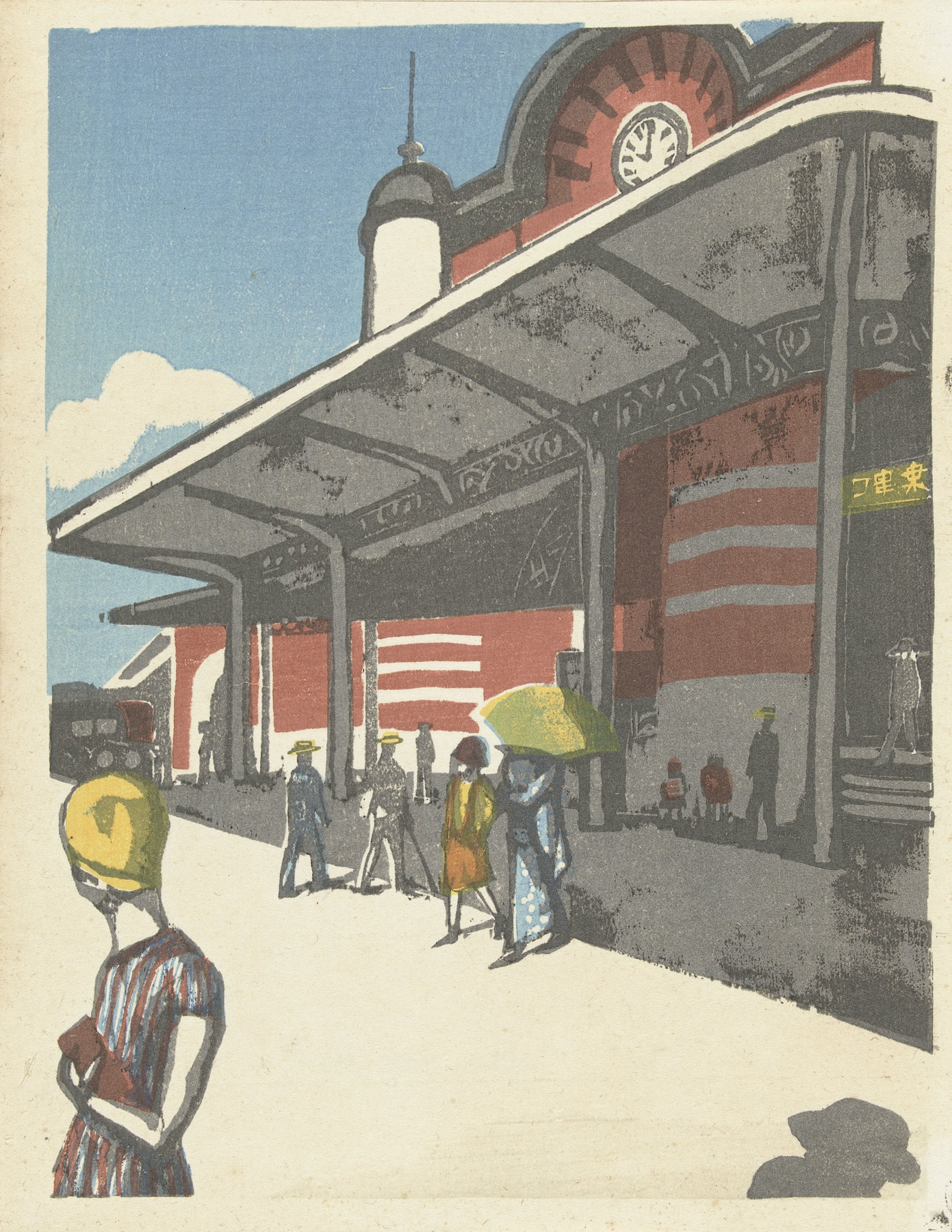
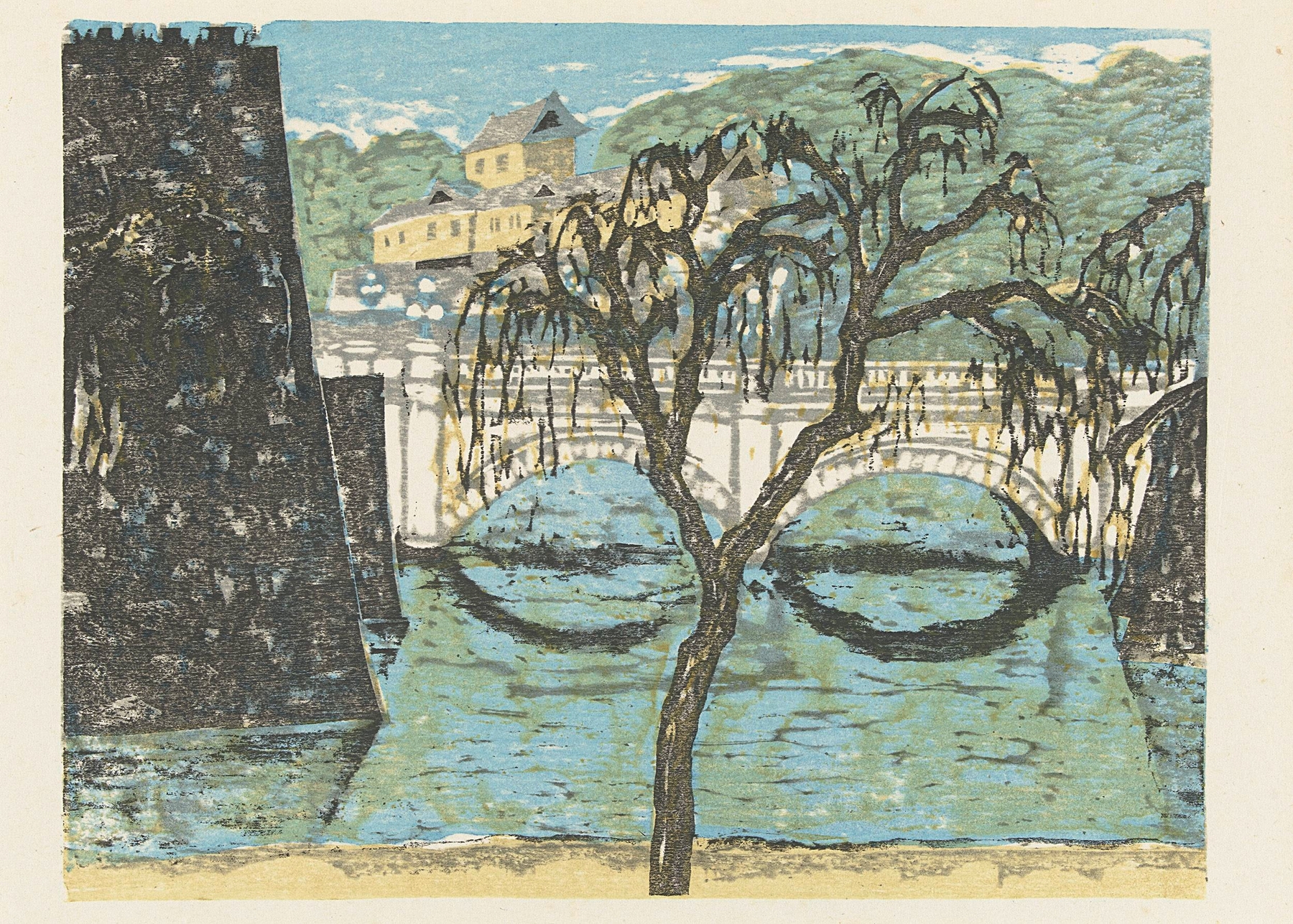
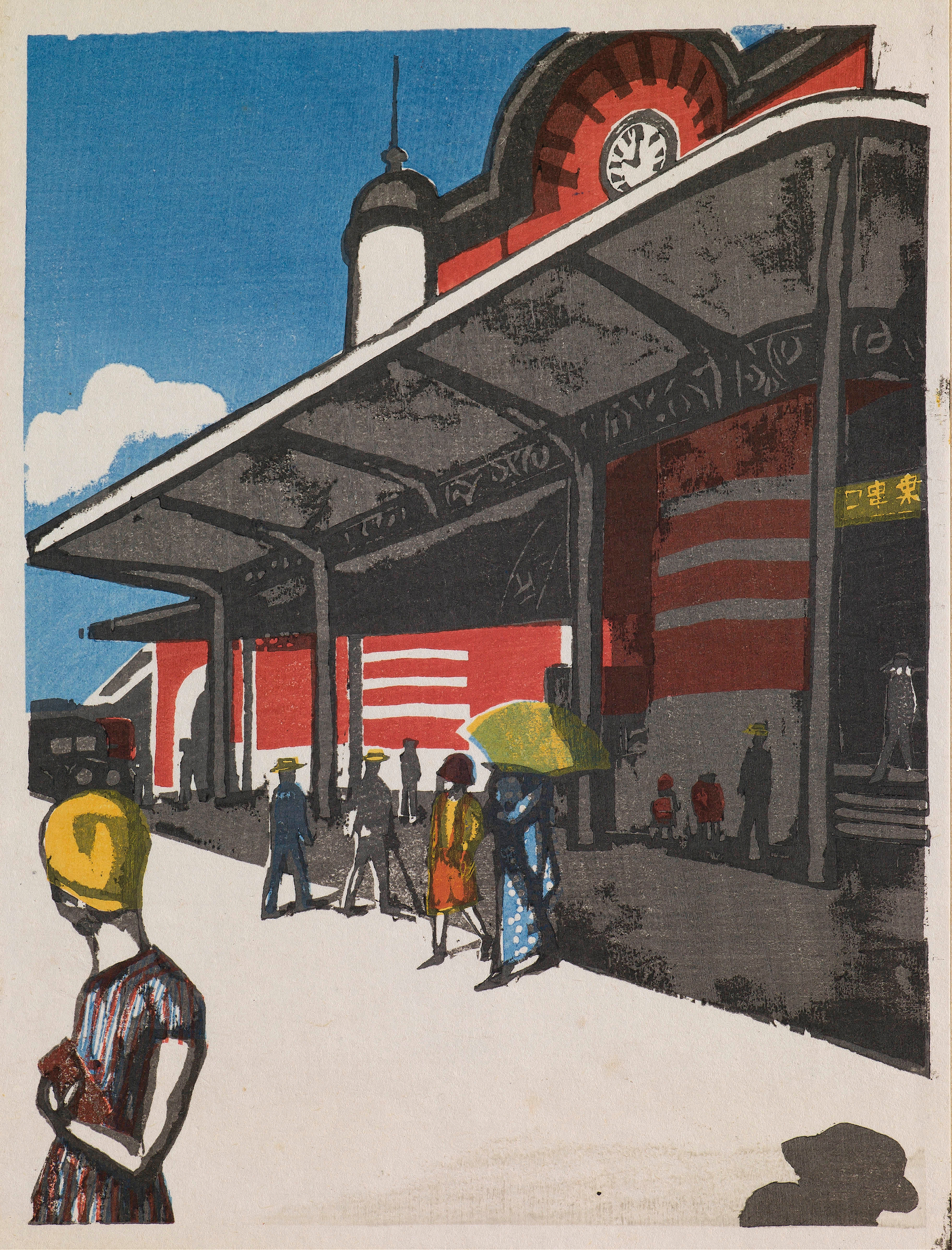
“To paint is to remember what time wants us to forget.” In a world where innocence often falters beneath the weight of memory, the act of creation becomes a sanctuary—one where fleeting moments find permanence. Look closely at the textured layers of Tokyo Station, where a gentle wash of muted colors envelops the scene, inviting you to explore the intersection of past and present. Notice how the bold lines delineate the station's architectural grace, while soft hues evoke a nostalgic warmth, contrasting the bustling life that once thrived within its walls. The careful balance between abstraction and representation draws you deeper, revealing the artist’s deft hand in capturing not just a building, but the essence of a place that cradled countless stories.
Within the composition, emotional tensions pulse beneath the surface. The juxtaposition of sharp, angular forms against the fluidity of color reflects a society on the brink of transformation. Here, innocence is ephemeral—a fleeting reminiscence of the vibrancy that once filled Tokyo, now shadowed by the trials of war. Each brushstroke whispers tales of longing, loss, and the resilience of a city that perseveres, even as memories fade.
Painted in 1945, Tokyo Station emerged during a tumultuous period for Onchi Kōshirō, a time when Japan was grappling with the aftermath of World War II. Living in a country steeped in recovery and change, the artist’s works encapsulated the collective yearning for renewal and understanding of a past that shaped the present. This series, Recollections of Tokyo, became a poignant reflection of both personal and national identity, as Kōshirō sought to articulate the essence of a city he cherished amidst the chaos.