Tokyo Station — History & Analysis
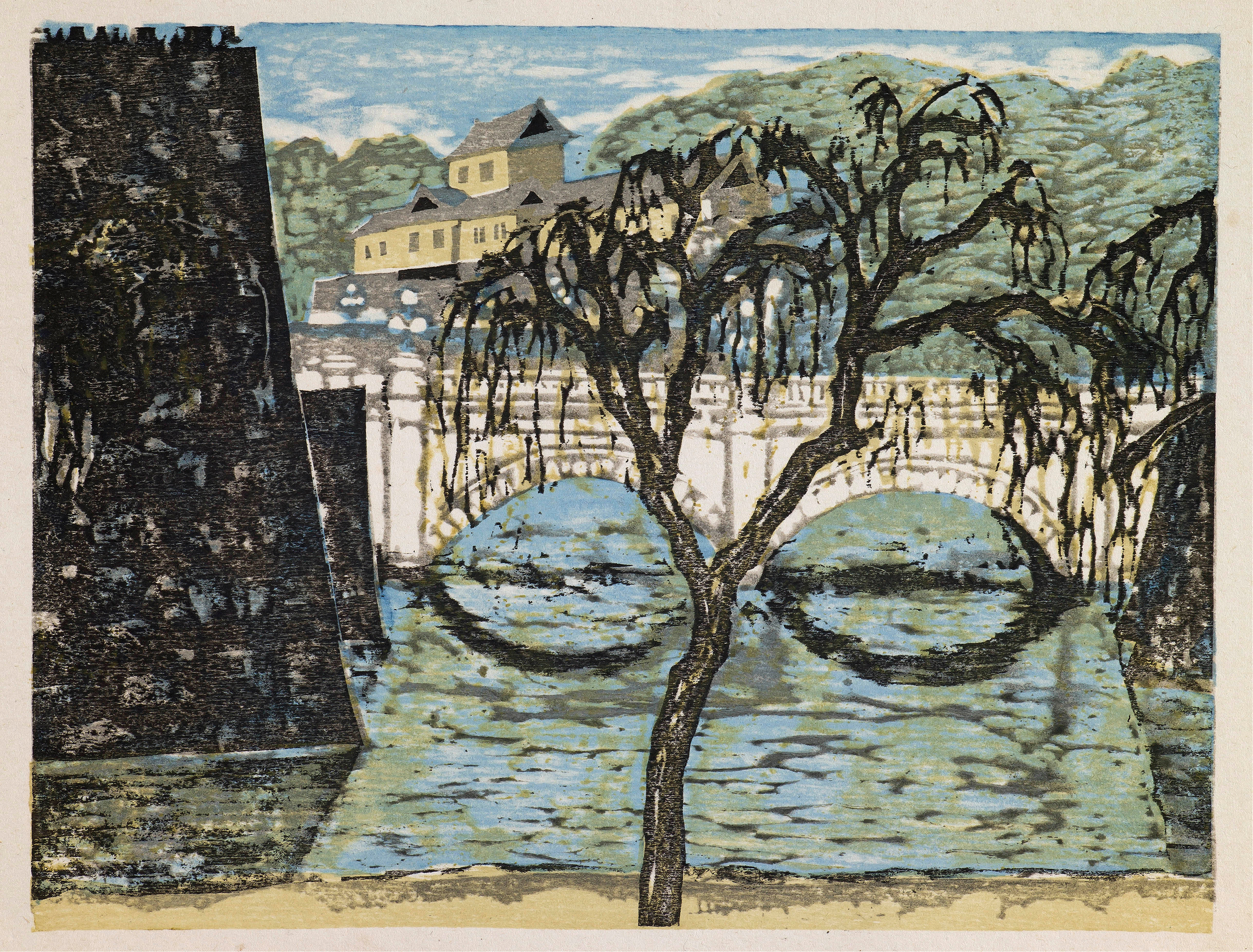
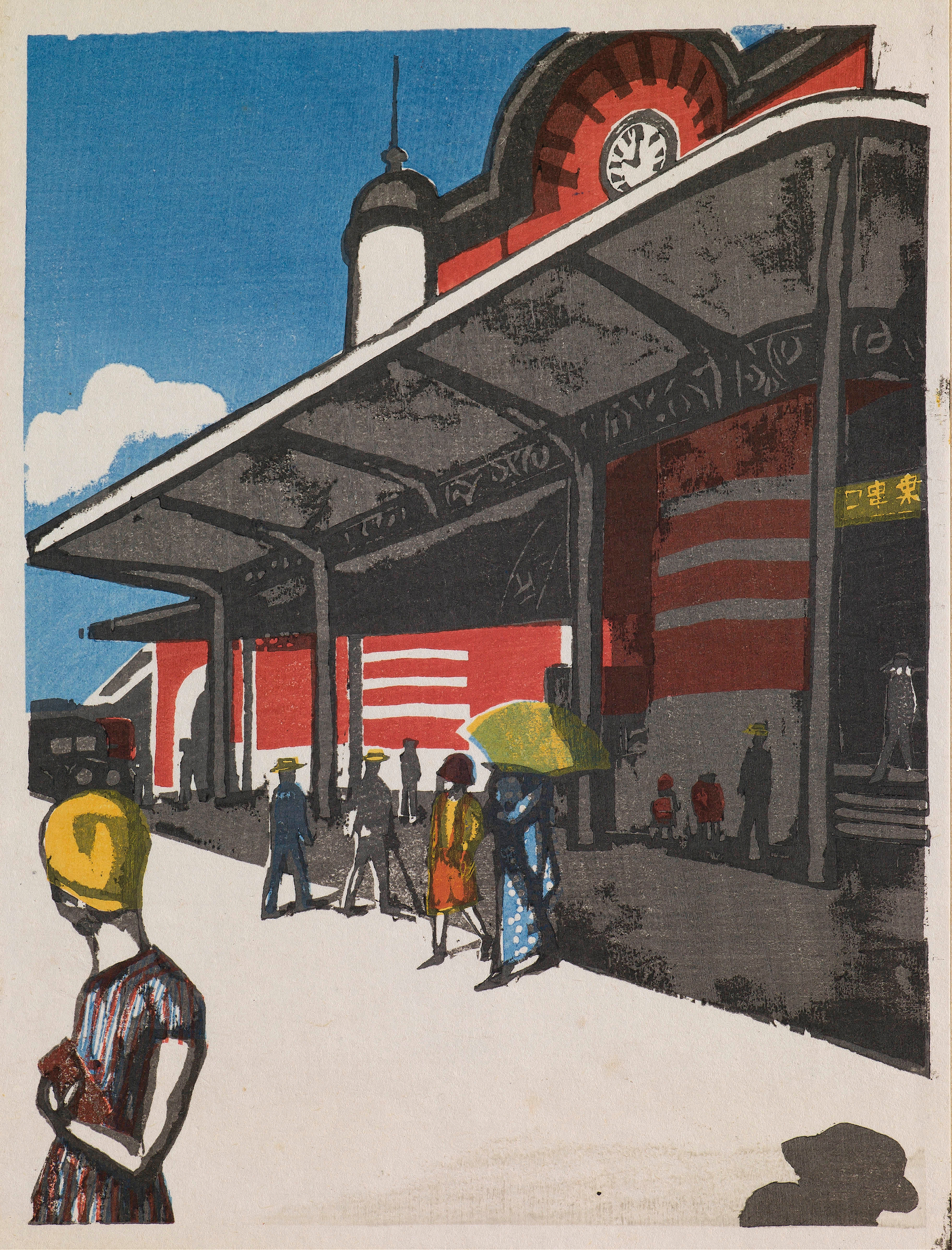
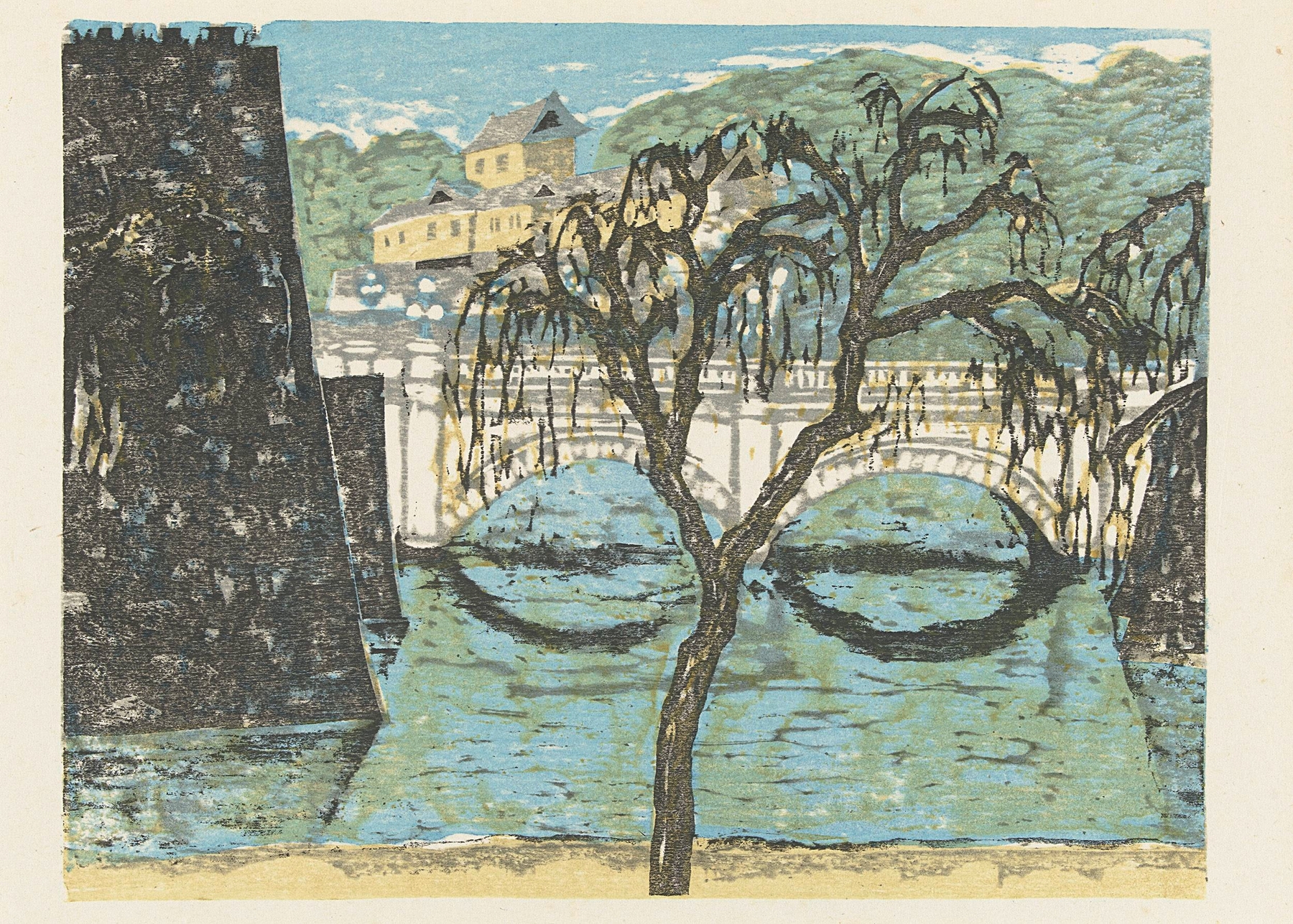
“Between color and silence, truth hides.” In a world rendered chaotic by conflict, the yearning for connection whispers through the layers of paint, inviting a moment of reflection on our shared humanity. Look to the center, where a stylized interpretation of Tokyo Station emerges, its bold lines and forms juxtaposed against softer hues. The artist’s deliberate use of color creates an interplay between warmth and coolness, guiding our eyes across the piece. Notice the gentle gradients that suggest the passage of time, while sharp angles and geometric shapes hint at the rigid structure of the station itself, a symbol of both movement and stillness.
Delve deeper into the delicate contrasts that lie within this work. The balance of light and shadow captures an emotional tension, embodying both the vibrancy of urban life and the haunting echoes of absence. Each stroke conveys not just a physical structure but the nostalgia of a city and its stories, evoking a longing for what was and what might never be again.
Created in 1945, during a tumultuous period in Japan following World War II, the piece reflects Onchi Kōshirō's profound engagement with the changing landscape of his country. As abstract expressionism began to take hold, he was part of a movement that sought to redefine art and cultural identity amid the ruins of war. In this work, he encapsulates a moment of quiet introspection, intertwining the personal and collective experiences of loss and hope.