Ueno Zoo — History & Analysis
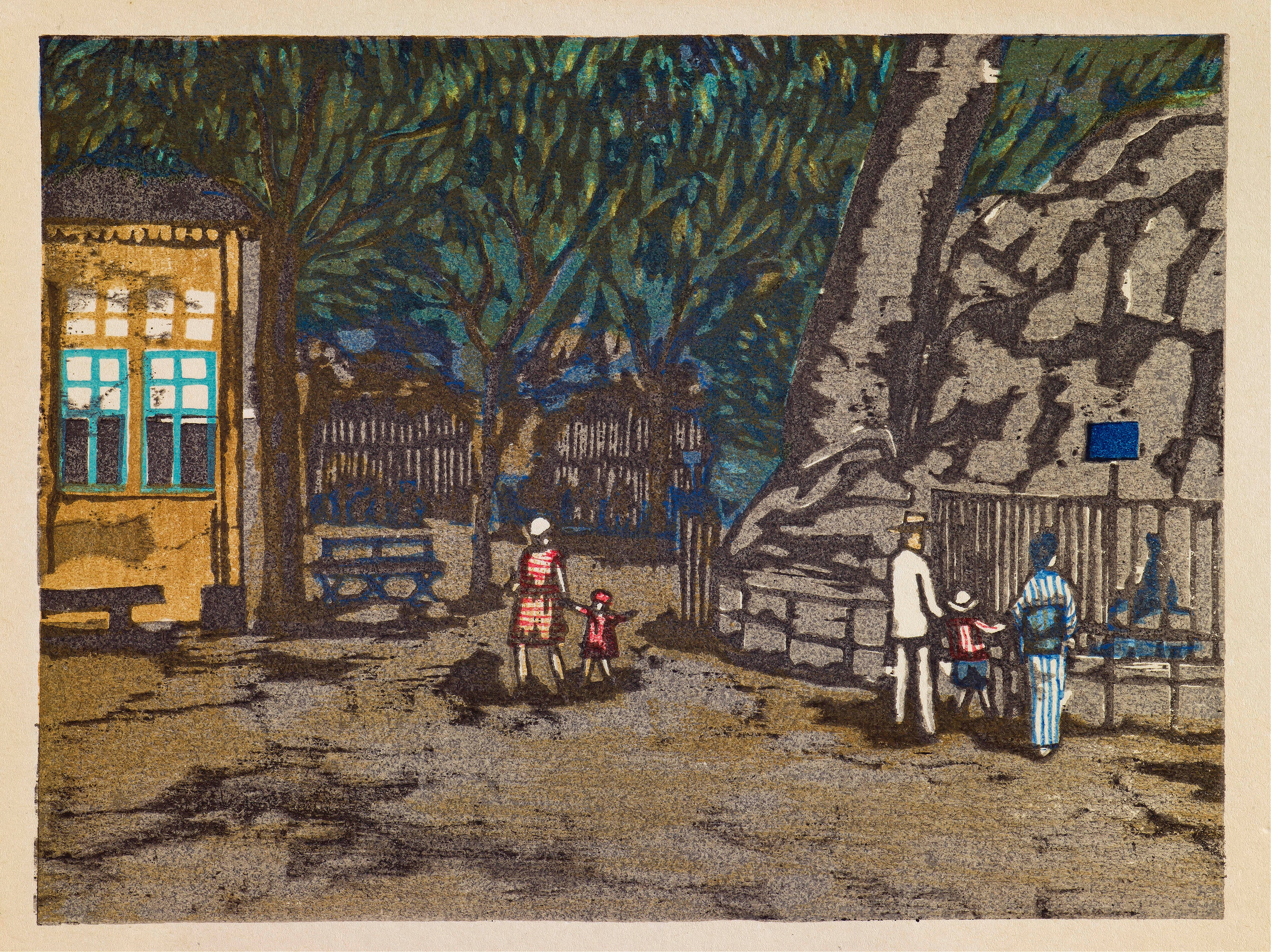
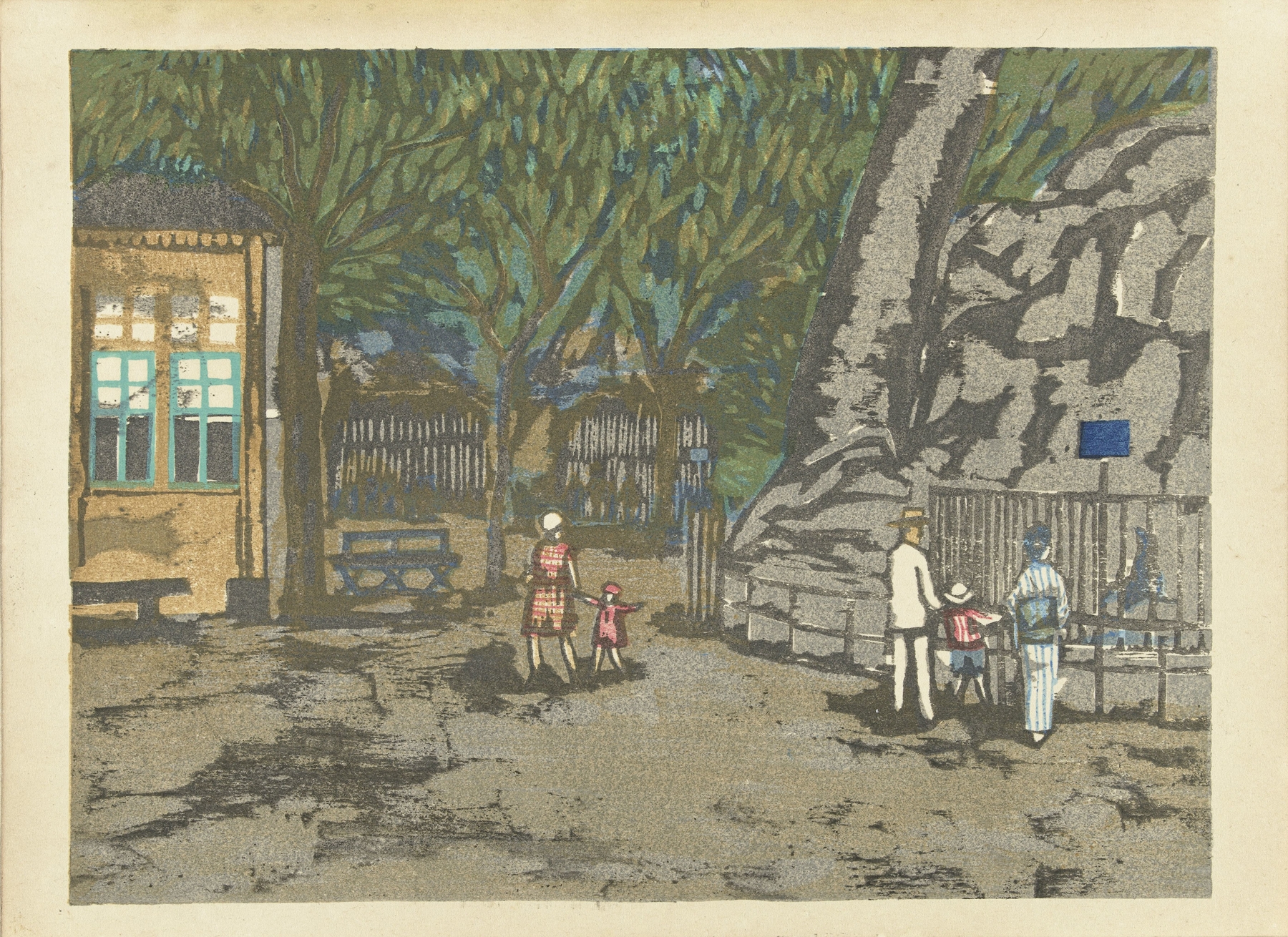
“Between color and silence, truth hides.” In the stillness of Ueno Zoo, the palette whispers of solitude and introspection, inviting the viewer into a realm where vibrant life meets a hushed melancholy. Look to the left, where a solitary figure stands in the foreground, seemingly dwarfed by the expansive canvas. The muted greens and browns of the landscape envelop the character, creating a poignant contrast against the brighter hues of the flora. The brushstrokes are delicate yet deliberate, capturing both the softness of the foliage and the weight of the moment, as light filters through the trees, casting dappled shadows that evoke a sense of yearning.
Beneath this serene exterior lies a deeper emotional current; the lack of animated life signifies both absence and longing. The figure’s posture suggests contemplation, perhaps reflective of a post-war society grappling with loss and the search for hope among the remnants of a once vibrant environment. The juxtaposition of the lively colors and the solitary figure encapsulates a profound tension between exuberance and desolation, hinting at the fragility of life and joy in a world forever altered.
Painted in 1945, Ueno Zoo emerged during a turbulent period in Japan, where the aftermath of World War II left indelible marks on both the country and its artists. Onchi Kōshirō, navigating a landscape of change and uncertainty, created this work at a time when traditional forms were giving way to modern interpretations, reflecting a nation in flux. This painting stands as both a testament to personal and collective melancholy during a pivotal moment in history.