Northern Landscape,Spring — History & Analysis
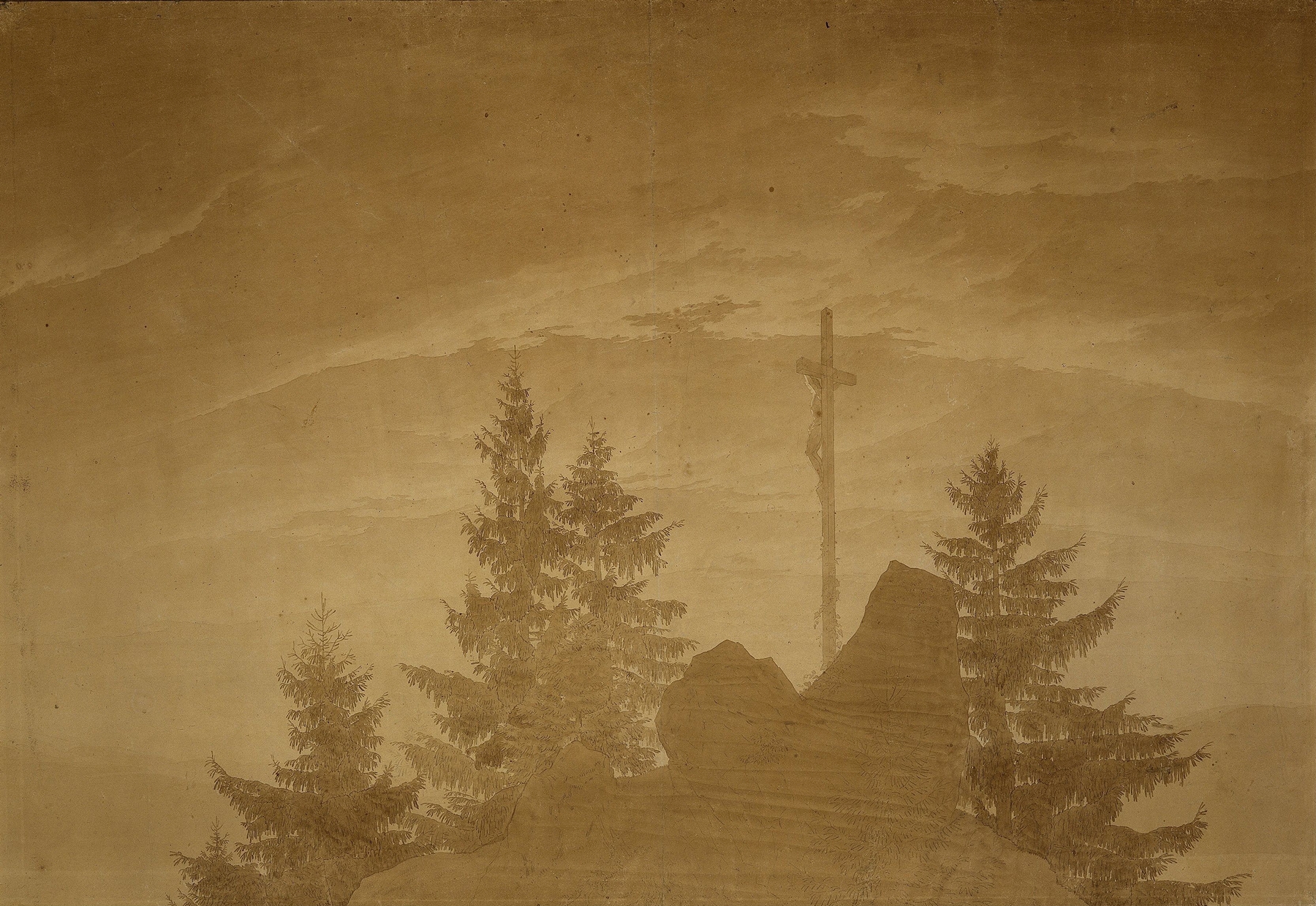
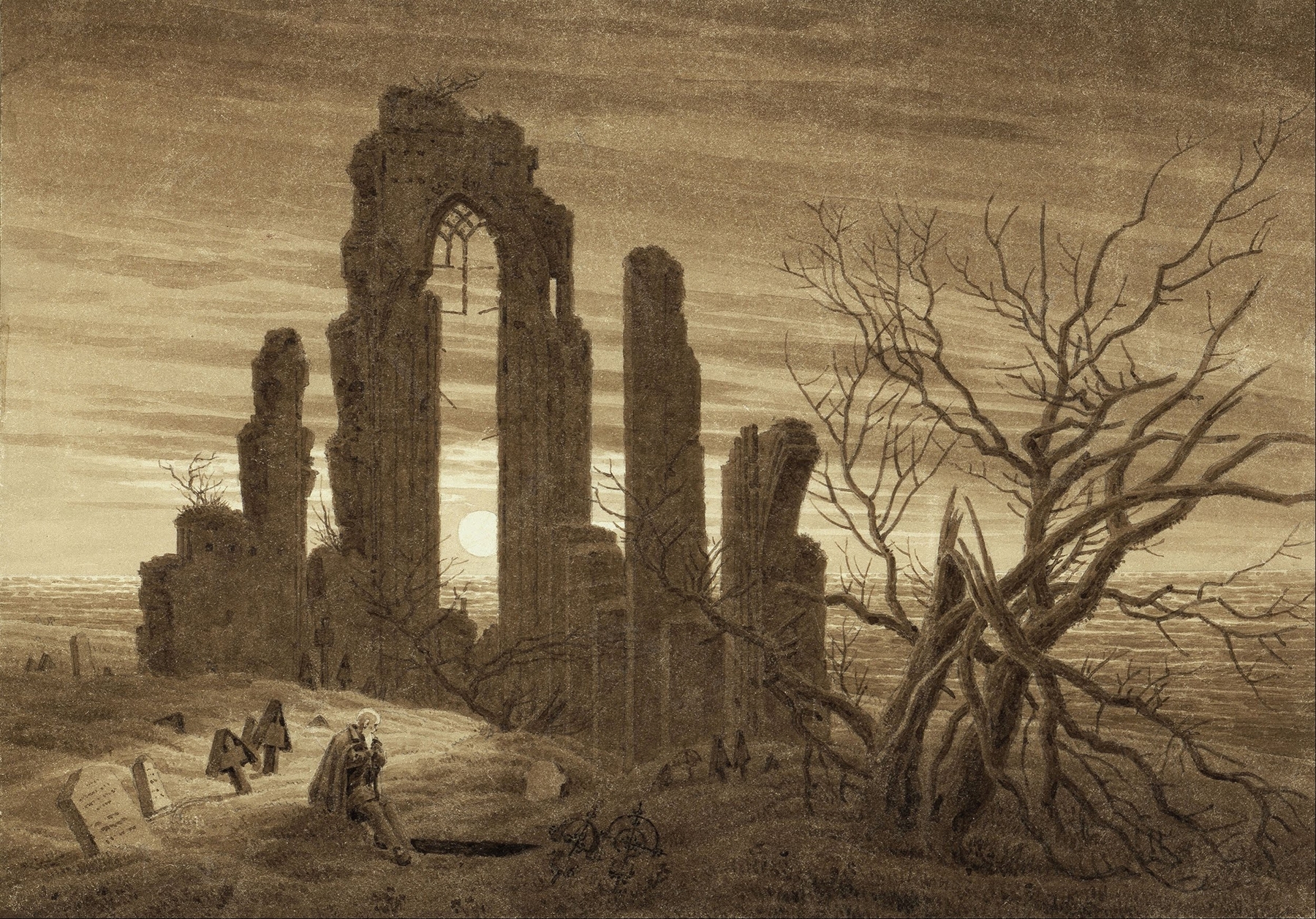
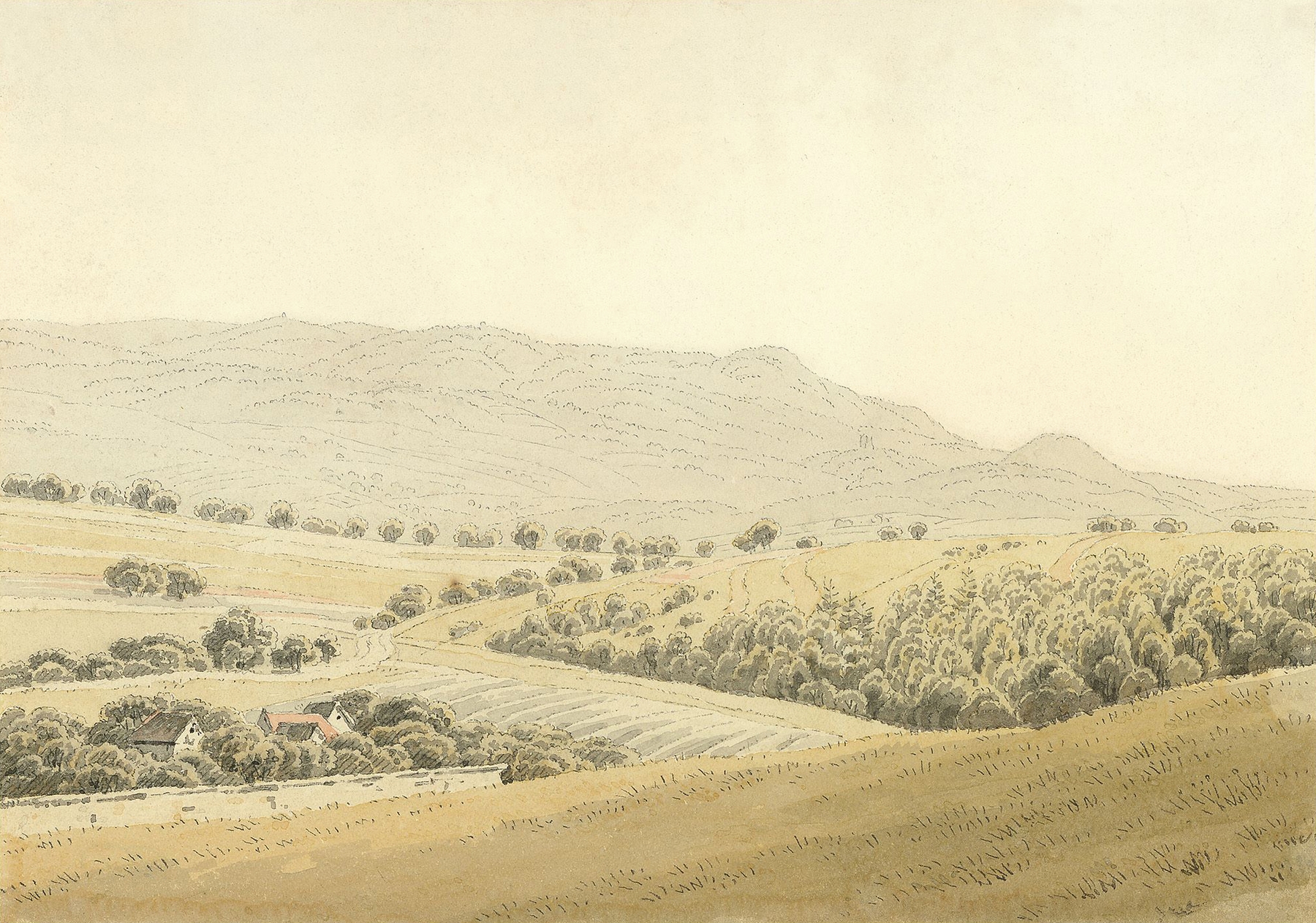
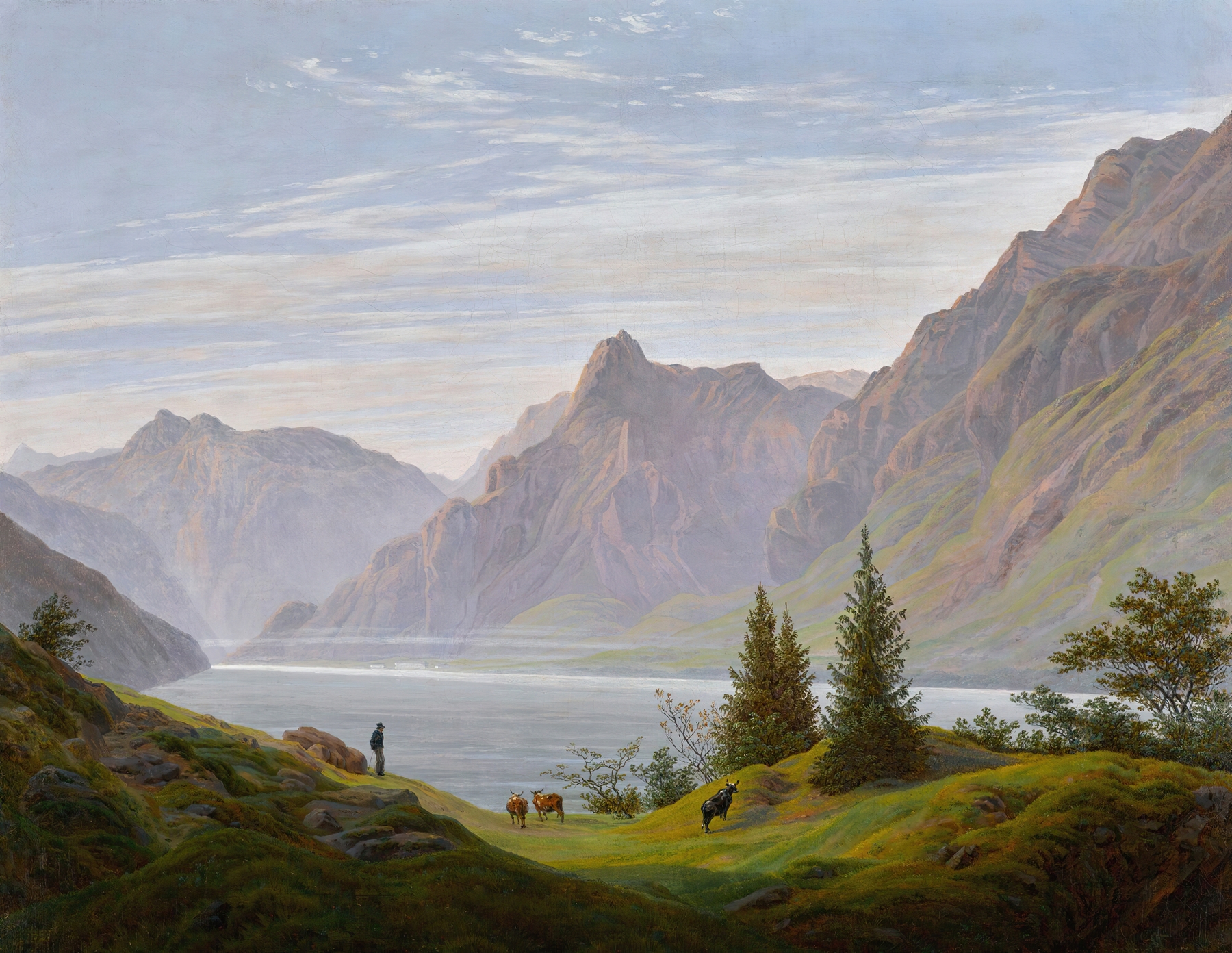
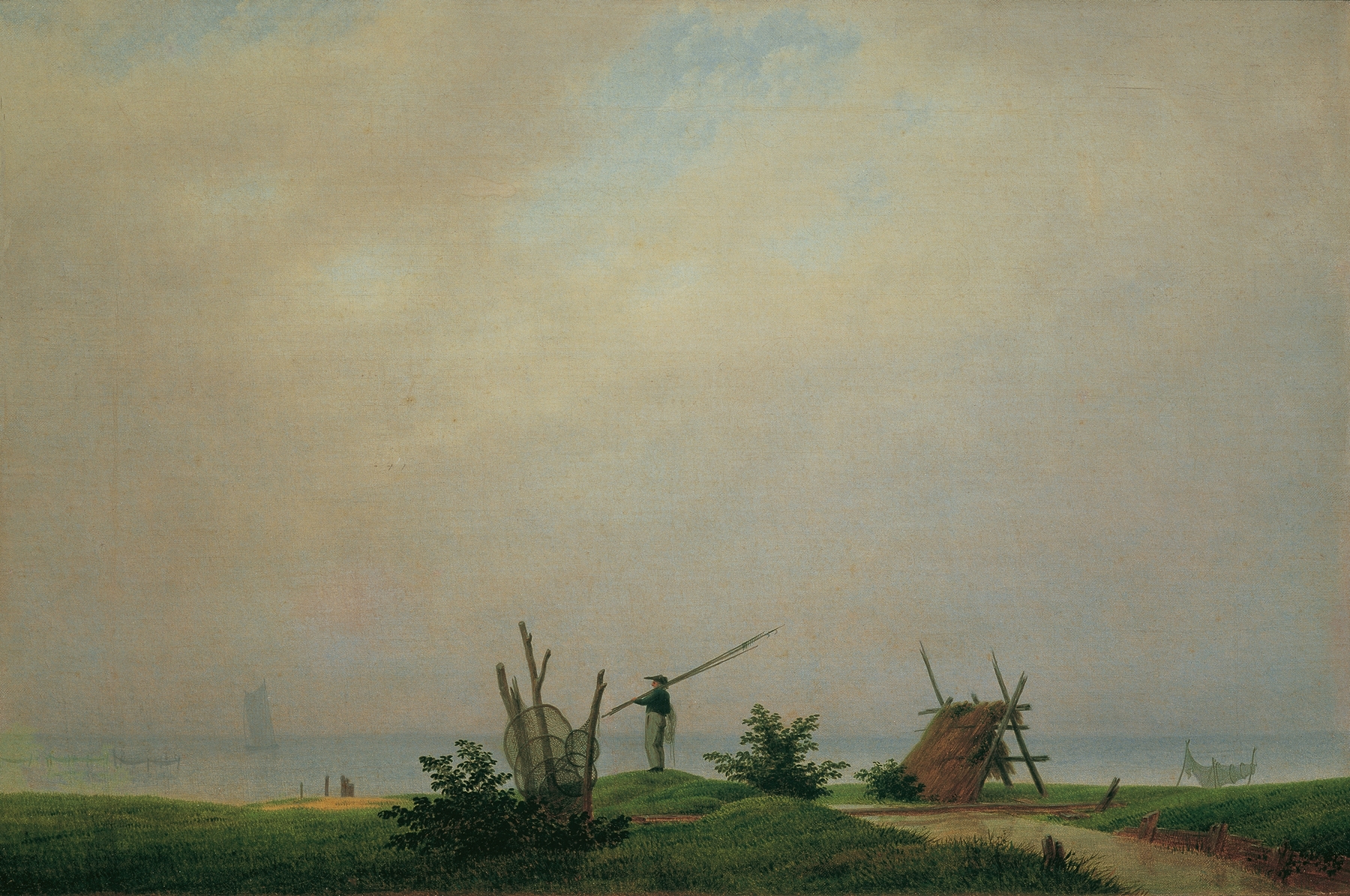
Could a single brushstroke hold eternity? In the quiet expanses of Northern Landscape, Spring, one feels both the weight of nature's beauty and the underlying fear of its impermanence. Look to the horizon, where distant mountains loom like the ghosts of memories. The muted palette of greens and browns draws you into the vastness, while a soft, golden light bathes the scene, hinting at renewal.
Notice how the delicate interplay between shadow and sunlight breathes life into the grassy foreground, inviting you to wander into this world. The meticulous brushwork reveals the artist’s reverence for nature, each stroke a testament to both detail and the subtle grandeur of the landscape. Within this serene vista, contrasts linger—life teeters on the edge of silence. The gentle curve of the river, reflecting the sky's light, speaks to the cycle of rebirth, yet the towering, dark trees remind us of looming shadows and the passage of time.
The tranquility evokes a profound sense of solitude, while the landscape itself seems to grapple with an unspoken dread, hinting at the fragility of existence amidst the beauty. In 1825, Friedrich was deeply entrenched in the Romantic movement, painting from his studio in Dresden, where he sought to express the ineffable through landscapes. The era was marked by a fascination with nature and the sublime, but also by personal struggles and the collective anxiety of a rapidly changing world. Through works like this, he captured not just the physical beauty before him, but the emotional undercurrents that connect the viewer to the vast and unpredictable forces of nature.