Old England – Frontispiece — History & Analysis
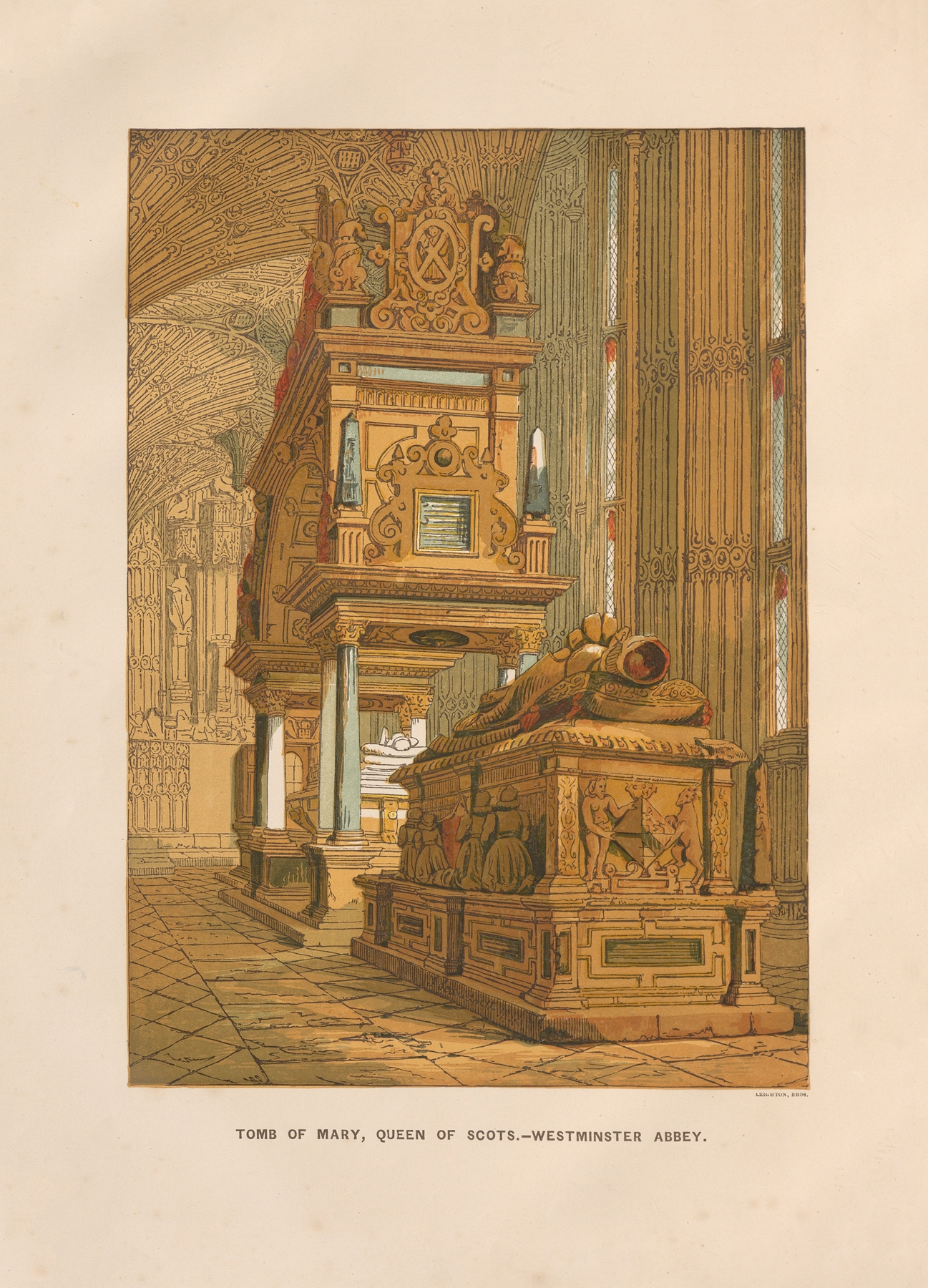
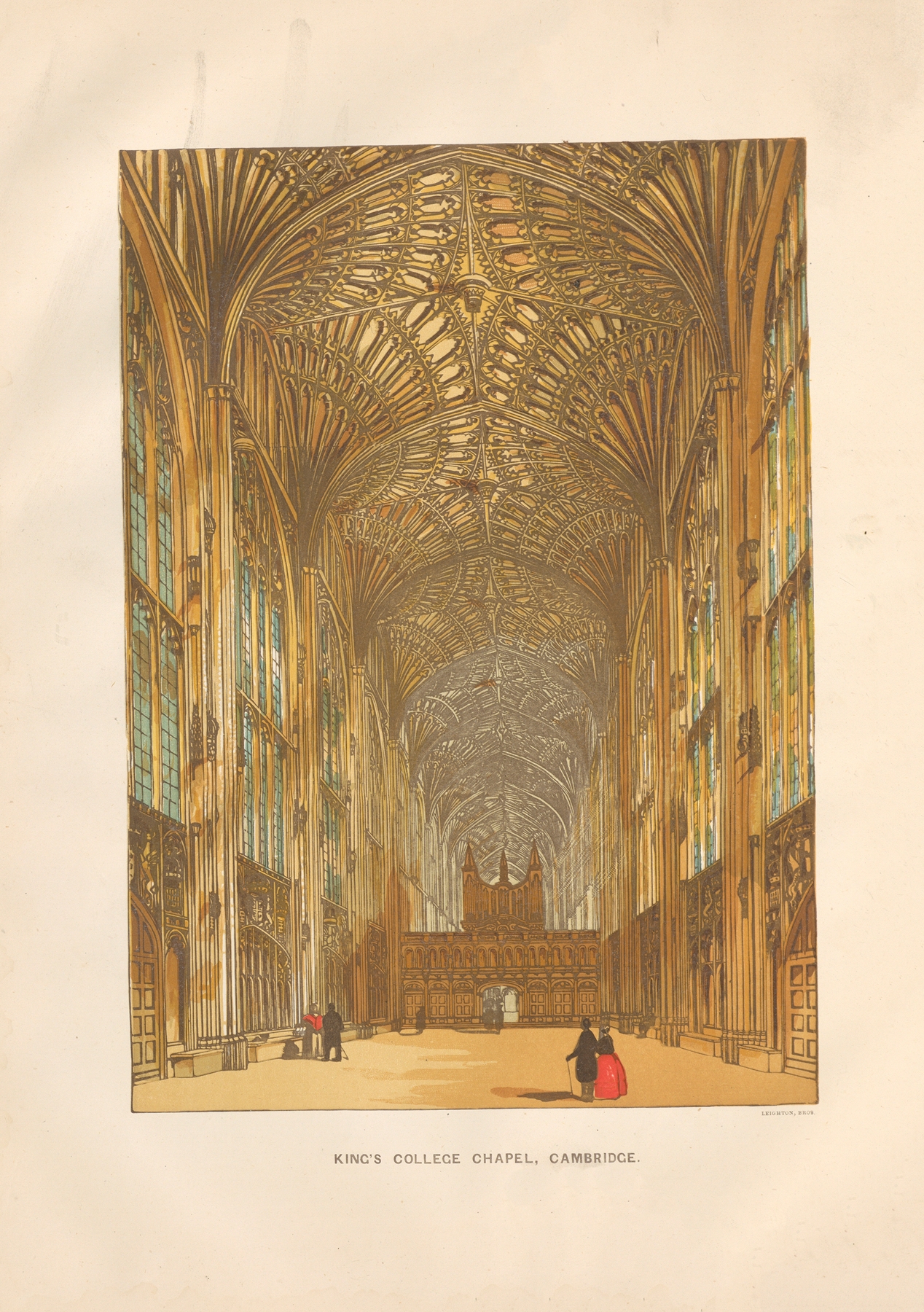
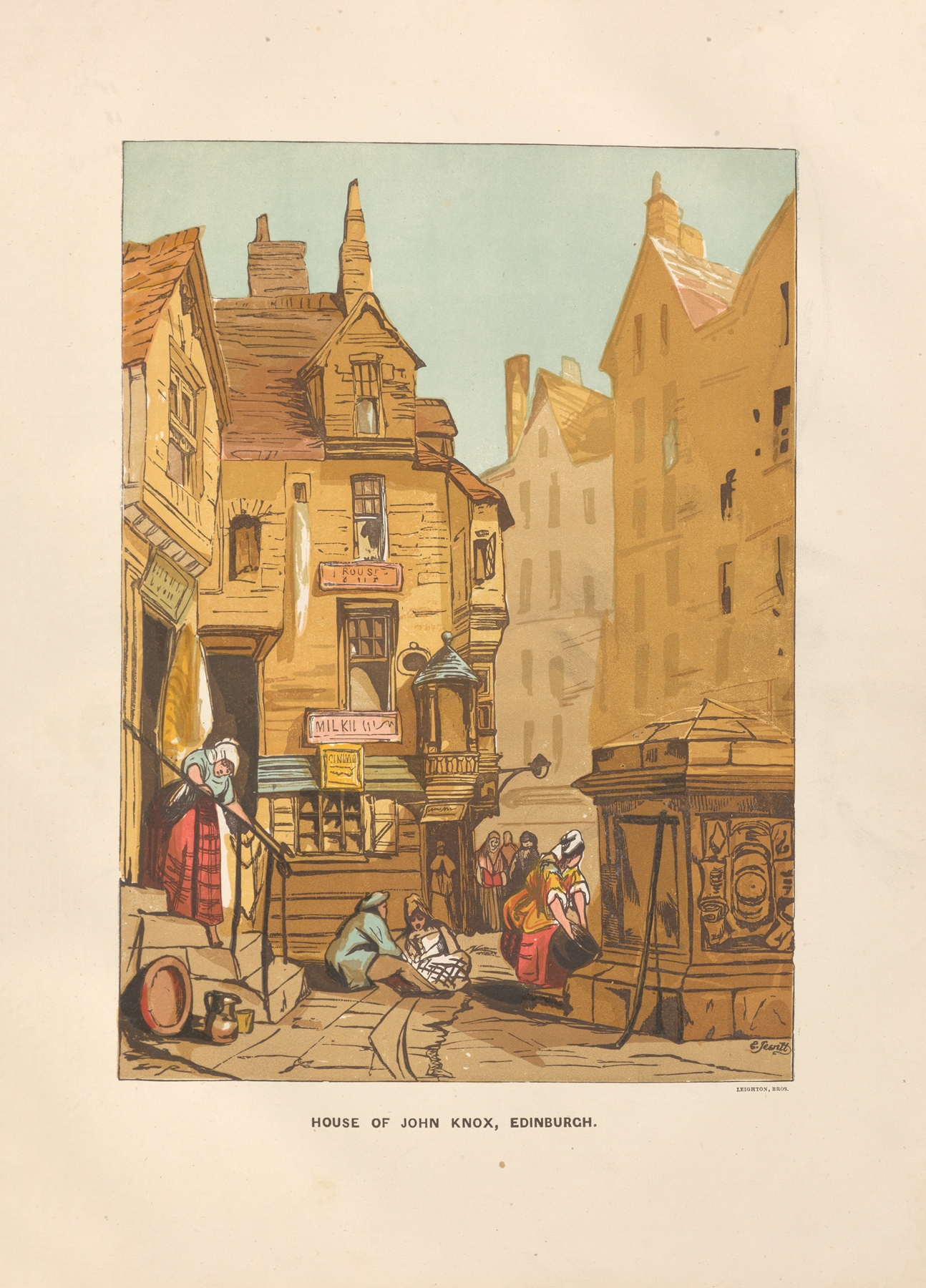
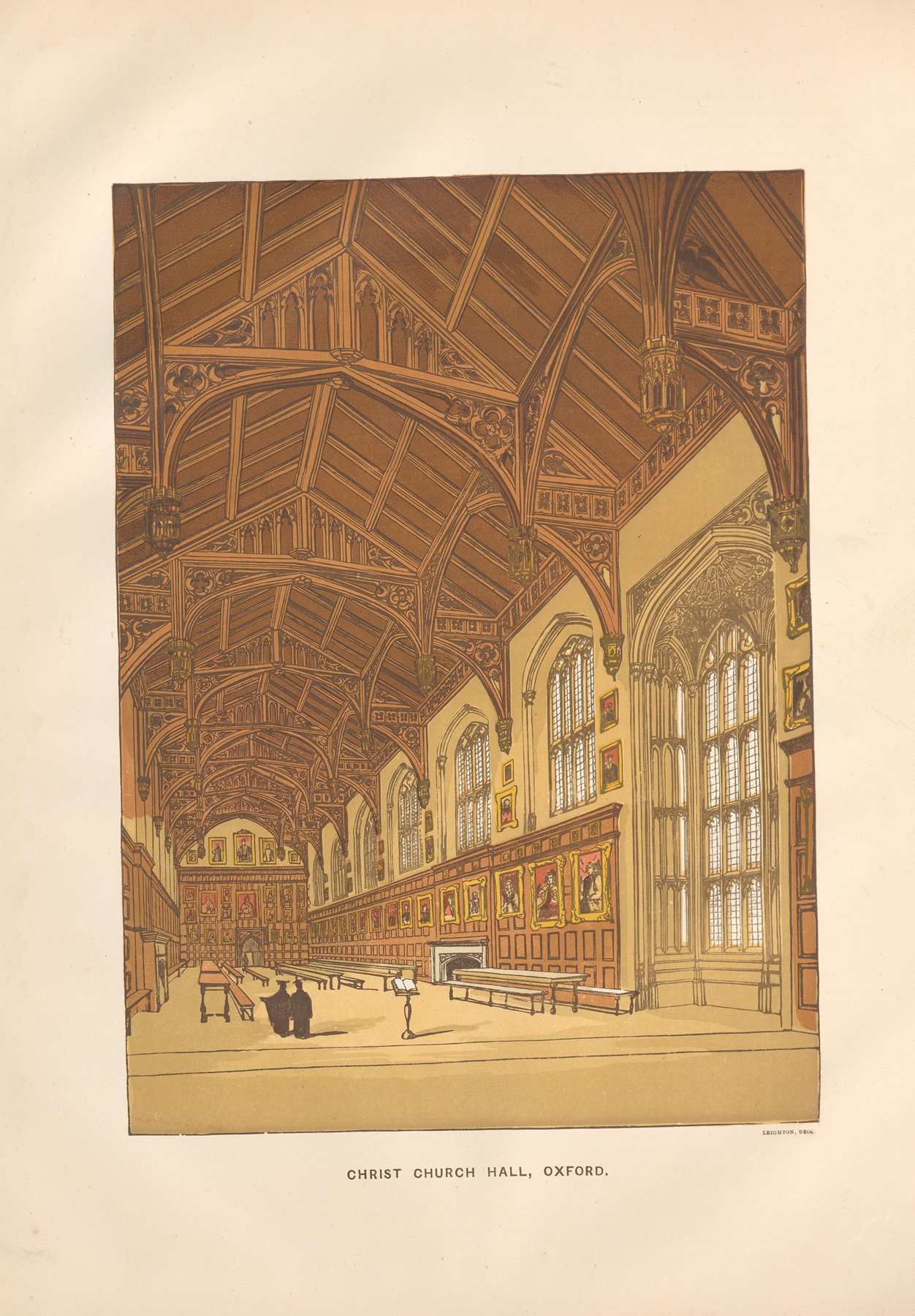
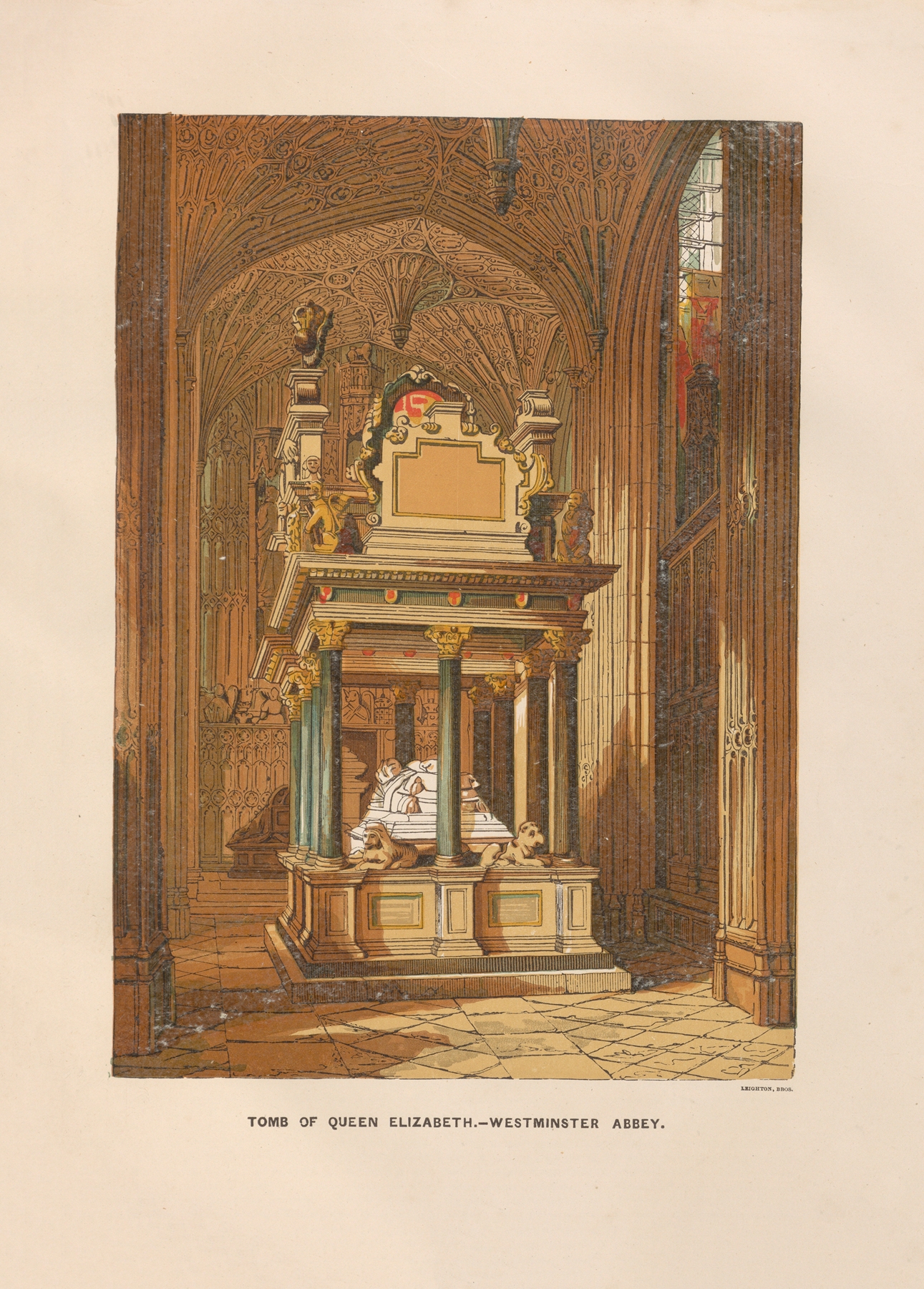
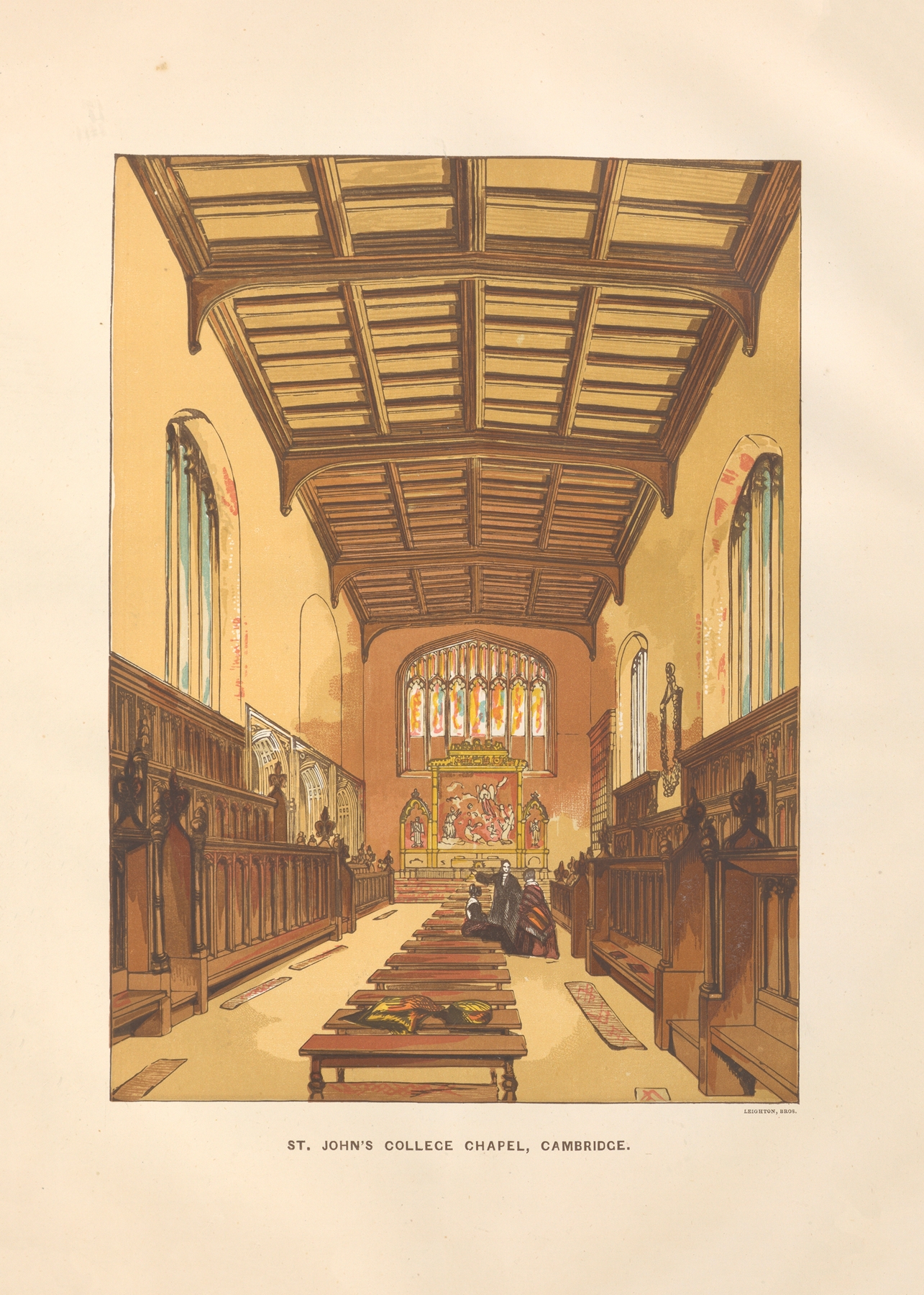
“Every silence here is a confession.” In the stillness of Old England – Frontispiece, the void of absence speaks volumes, inviting the viewer into a world stripped of extravagance yet rich in history and contemplation. Look to the center where the delicate lines of architecture frame a solemn landscape, evoking a sense of nostalgia. The muted palette — soft browns and grays — settles into a tranquil ambiance, inviting an introspective gaze. Notice how the intricately drawn details of the buildings stand in stark contrast against the empty spaces, each stroke suggesting stories untold, lives lived, and dreams abandoned.
Beneath the surface lies a tension between past and present as the void becomes almost tangible. The absence of human figures creates a poignant sense of loneliness, yet that silence also serves as a canvas for memory. Each building, with its weathered stones, becomes a testament to resilience, while the sweeping emptiness around them echoes the relentless passage of time, urging viewers to reflect on their own existence within this vast landscape.
In 1864, Charles Knight was immersed in a period of artistic transition in England, marked by the Industrial Revolution's encroachment on pastoral landscapes. This work was conceived during a time when the romanticized views of rural England were increasingly challenged by modernity, prompting Knight to explore the dichotomy of nostalgia and progress. His careful rendering captures not only the architecture of his homeland but also a collective yearning for what once was.