St. John’s College Chapel, Cambridge — History & Analysis
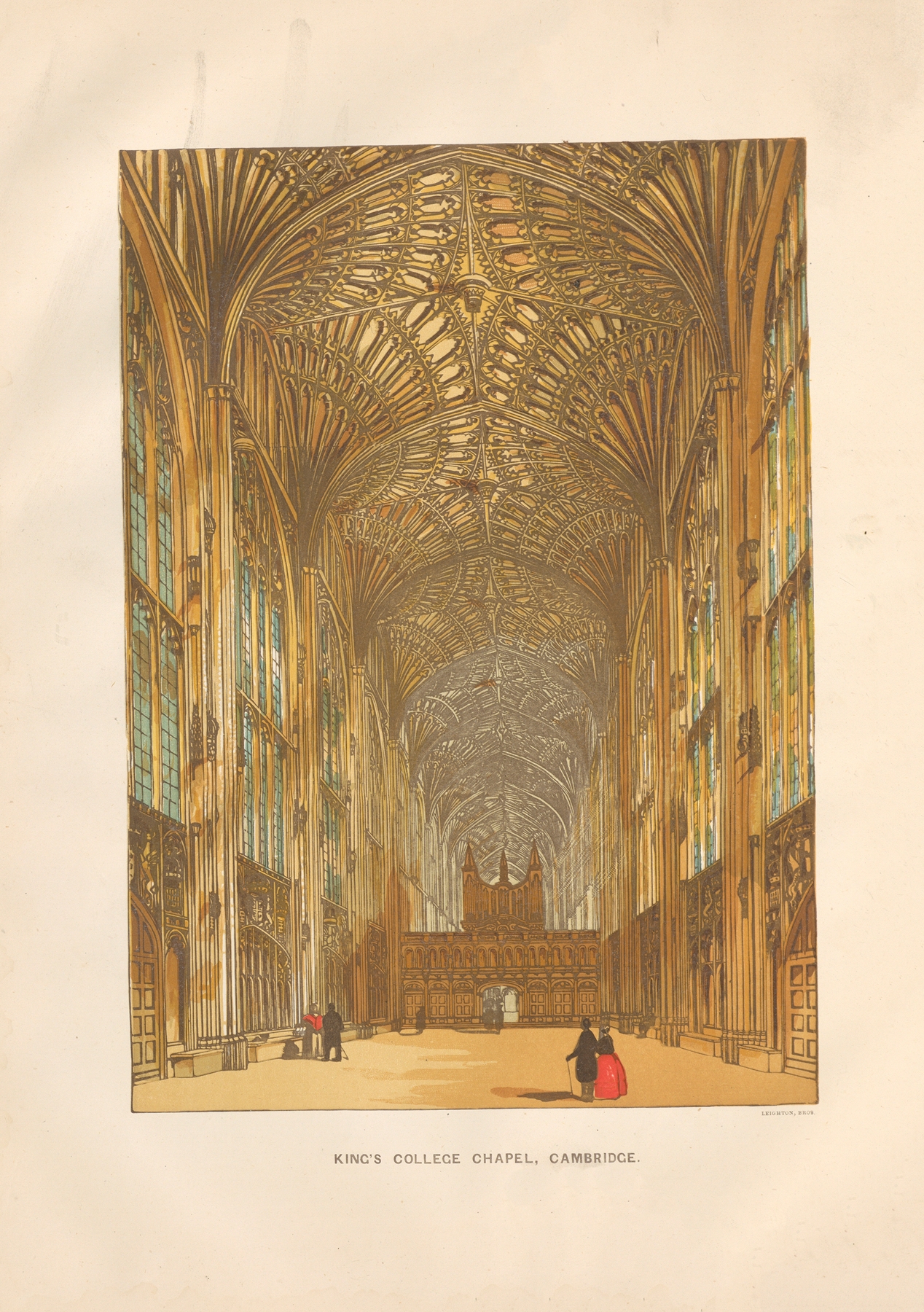
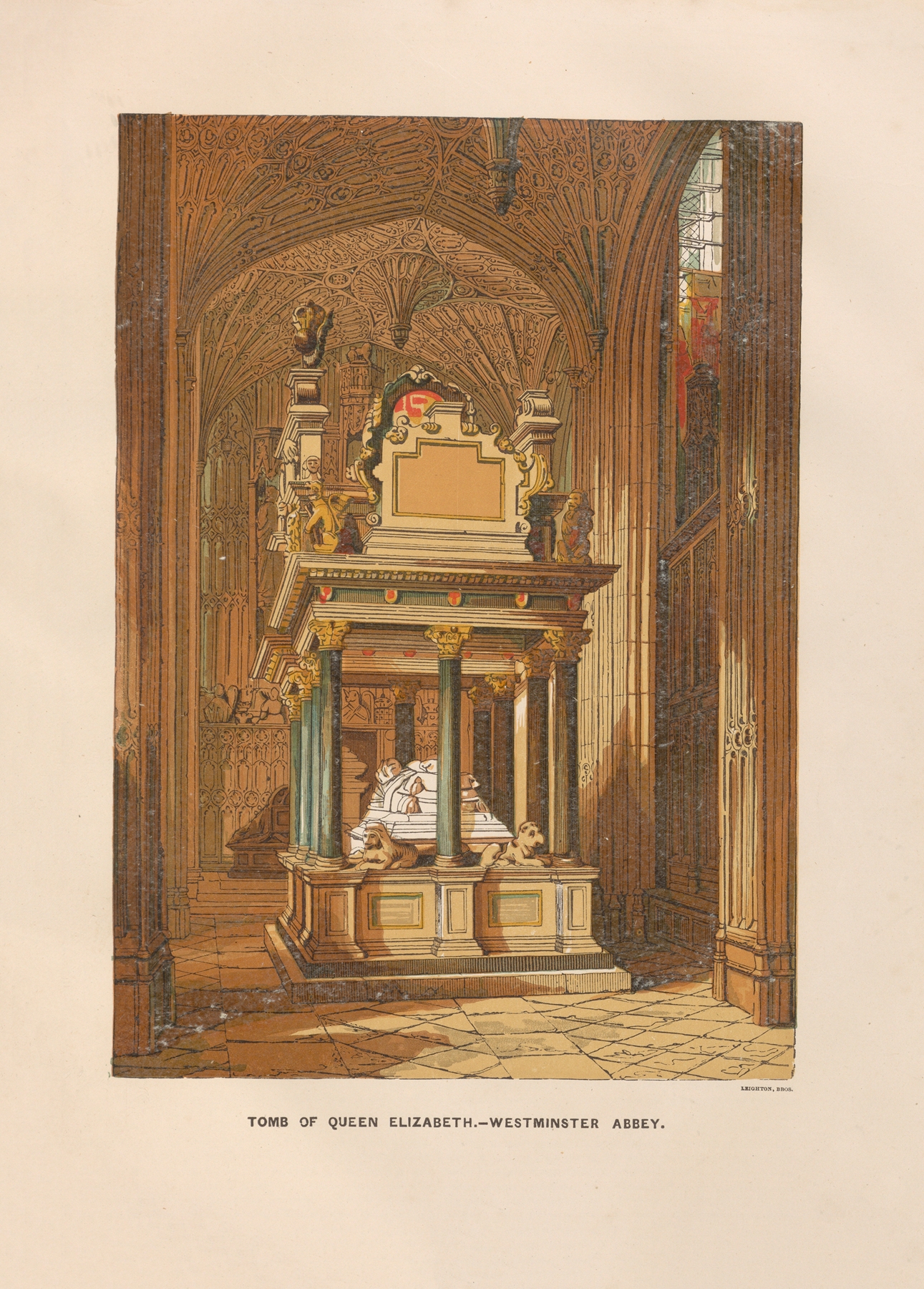
Did the painter know this moment would outlive them? A single beam of ethereal light spills through the stained glass, illuminating the intricate details of a sacred space—a moment frozen in time, echoing the whispers of countless souls who have wandered here. Focus on the center of the canvas where the chapel's towering arches reach skyward, their grandeur enhanced by the warm hues of the light filtering in. Notice how the luminescence plays across the stonework, casting ethereal shadows that dance along the floor, inviting the viewer to step into this serene world.
The palette, rich with golds and deep blues, invokes a sense of tranquility that contrasts with the imposing architecture, drawing the eye upward to the heavens. The delicate interplay between light and shadow unveils deeper meanings—the light signifies hope, a divine presence piercing through the mundane, while the shadows hint at the uncertainties of life and faith. This juxtaposition creates an emotional tension, suggesting that within the sacred, there exists a duality of enlightenment and ambiguity.
The viewer is left contemplating the cyclical nature of existence in this hallowed space—the eternal versus the ephemeral. In 1864, Charles Knight painted this masterpiece during a period marked by a burgeoning interest in the Gothic revival and a renewed appreciation for religious architecture. Positioned in Cambridge, a hub of intellectual pursuit, Knight was influenced by the cultural currents of the time, capturing not just the chapel's beauty but also reflecting the era's complex relationship with faith and tradition.