
Tomb of Queen Elizabeth – Westminster Abbey — History & Facts
Is this a mirror — or a memory? In the stillness of Westminster Abbey, the solemnity of stone speaks volumes, inviting us to contemplate the delicate balance between history and homage. Focus on the intricate carvings that adorn the tomb, where each detail invites the eye to linger. The soft interplay of light and shadow caresses the surface, emphasizing the elegance of Elizabeth’s effigy. Notice how the artist employed subdued hues to evoke a sense of reverence, while the meticulous craftsmanship captures the gravity of a life once lived, now interred in this sacred space. Hidden meanings emerge in the juxtaposition of the fierce queen and the serene repose of her final resting place.
The contrast between her regal attire and the haunting stillness of marble suggests a dialogue between power and vulnerability, life and death. Each element, from the delicate floral motifs to the solemn inscriptions, weaves a narrative of legacy, celebrating the balance of strength and grace. In 1864, Charles Knight was immersed in a cultural milieu that sought to redefine historical narratives through art. His exploration of this iconic figure during a time of burgeoning national pride and identity reflected the Victorian fascination with the past.
The monument stands not only as a tribute to a monarch but as a moment in art history that bridges the chasm between personal and collective memory.
More Artworks by Charles Knight

Statue of Charles I. at Charing Cross
Charles Knight
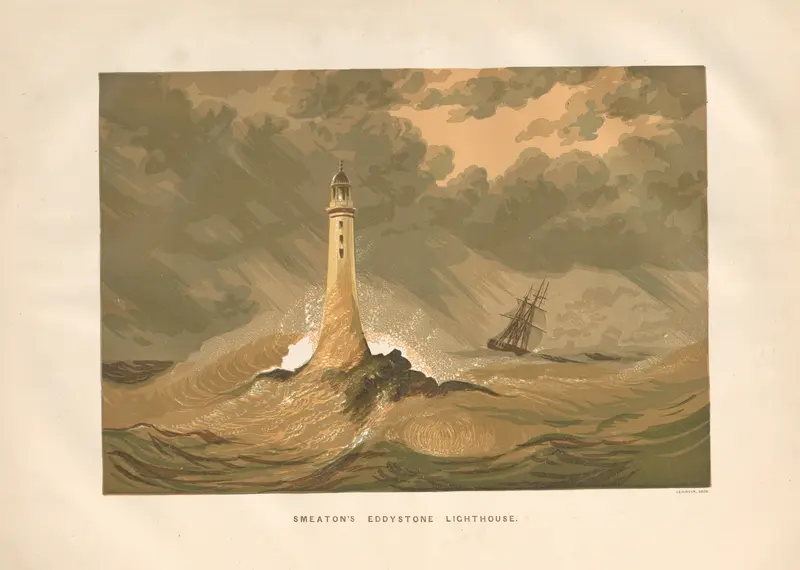
Smeaton’s Eddystone Lighthouse
Charles Knight
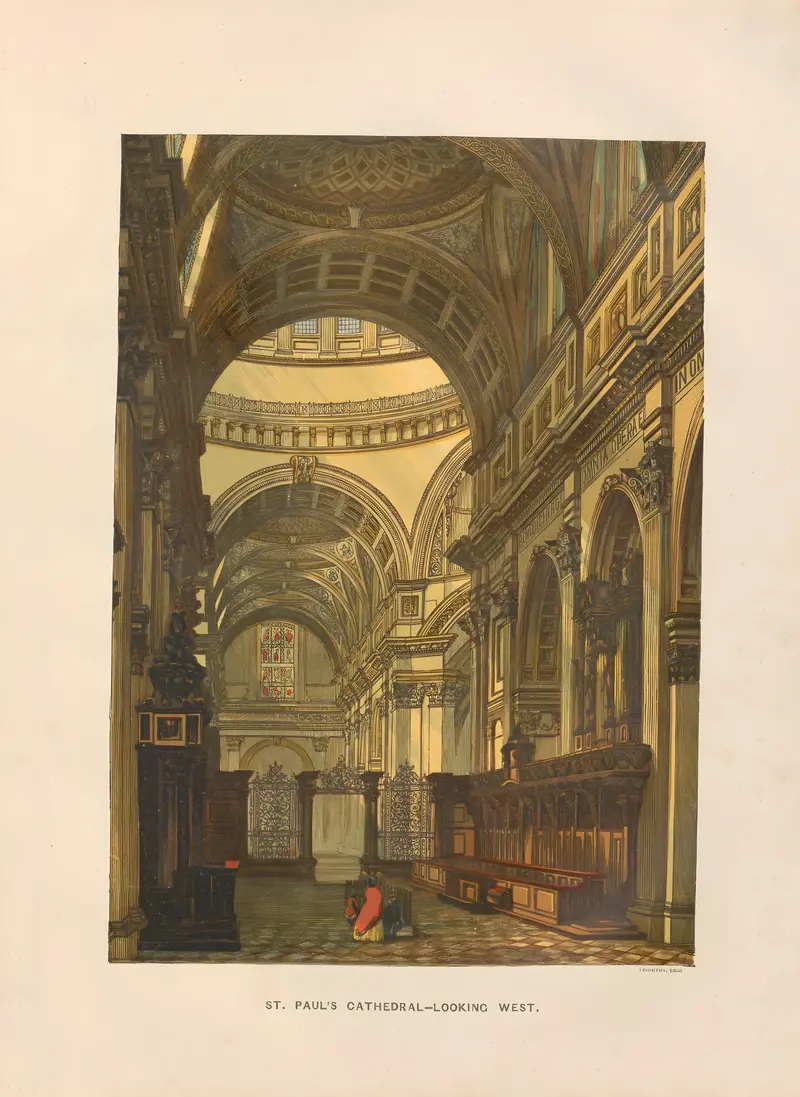
St. Paul’s Cathedral, Looking West
Charles Knight
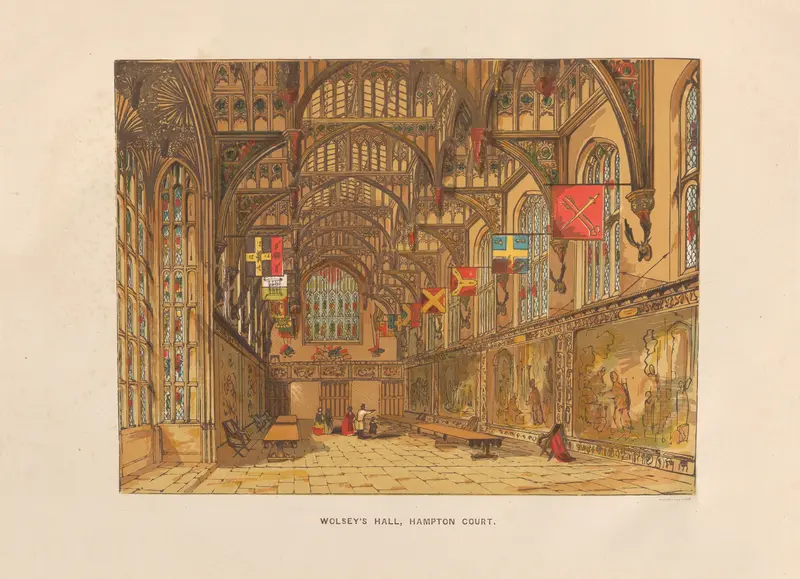
Wolsey’s Hall, Hampton Court
Charles Knight
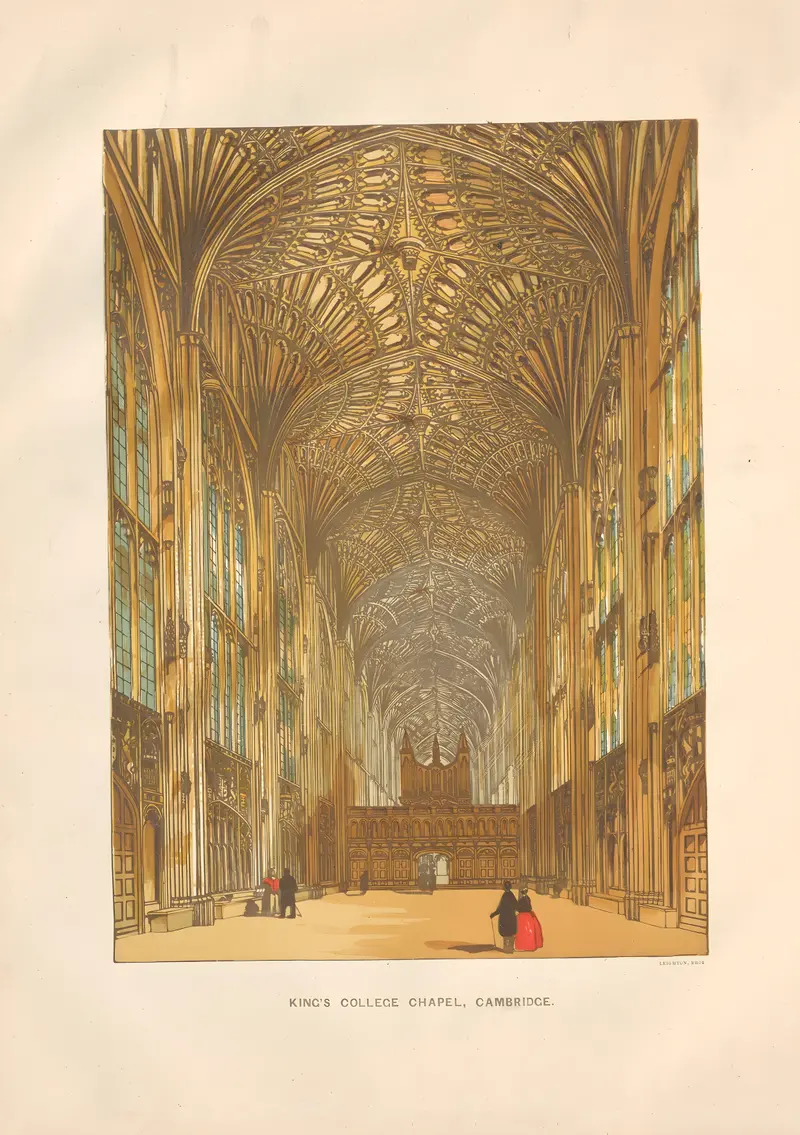
King’s College Chapel, Cambridge
Charles Knight
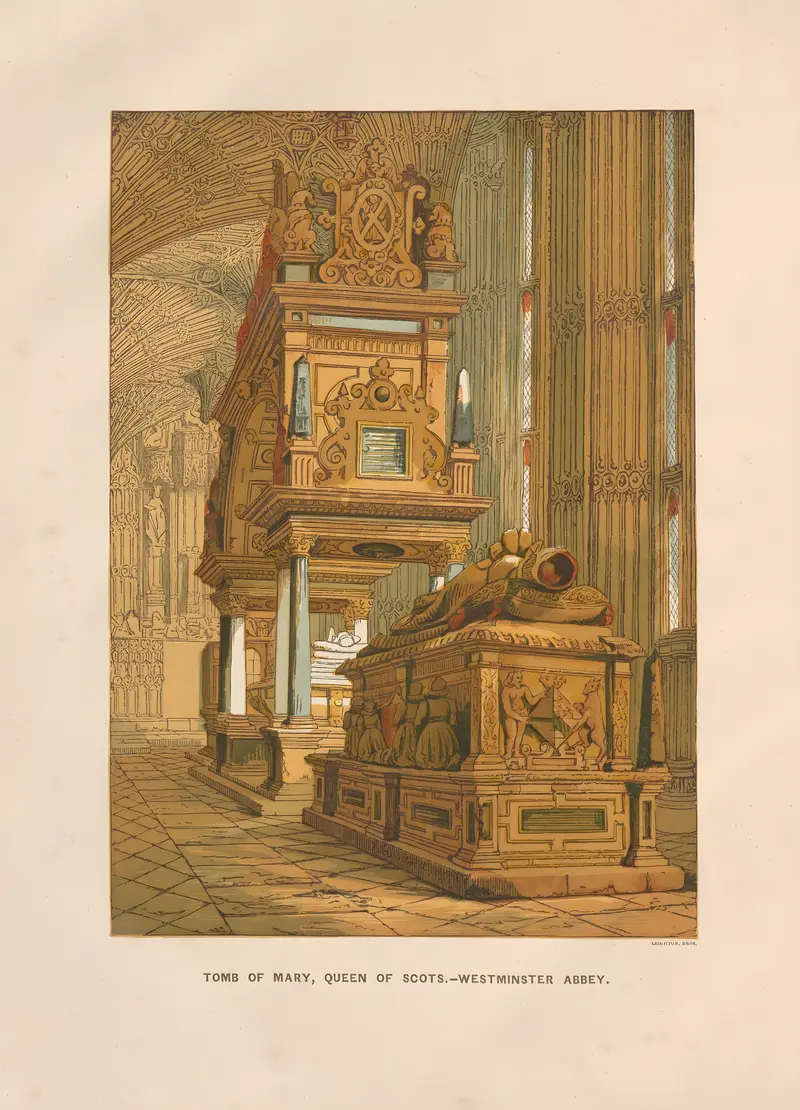
Tomb of Mary, Queen of Scots – Westminster Abbey
Charles Knight
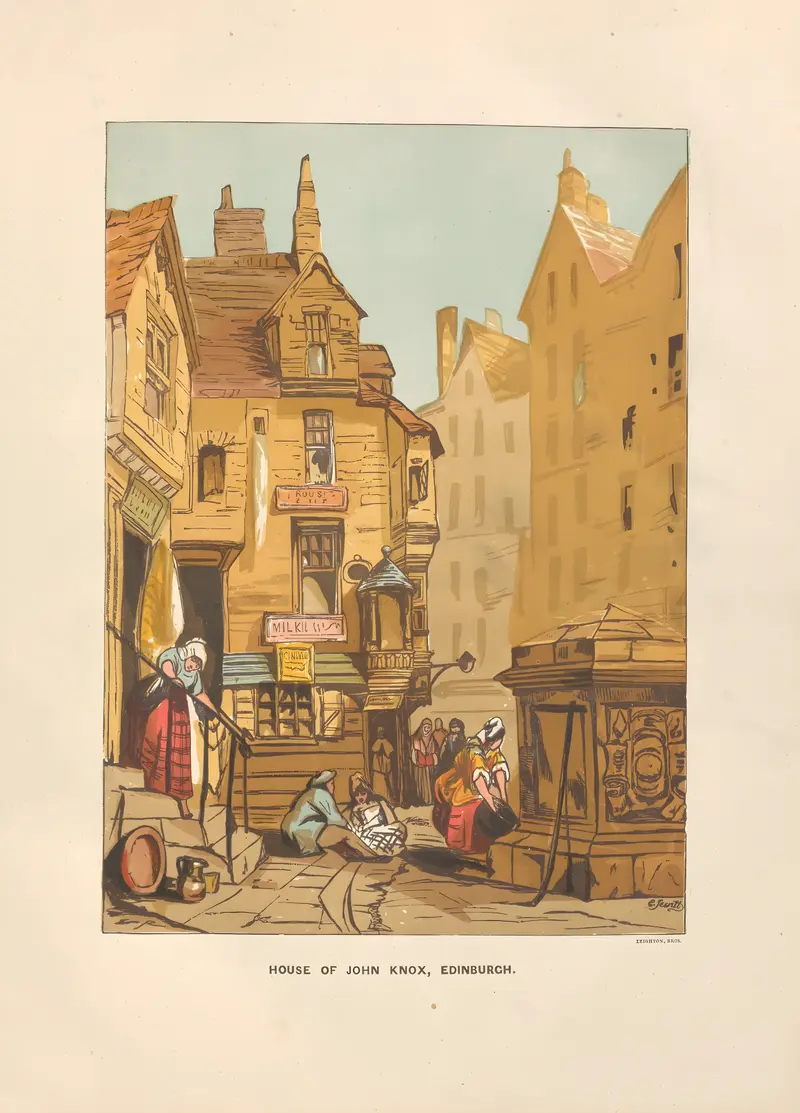
House Of John Knox, Edinburgh
Charles Knight
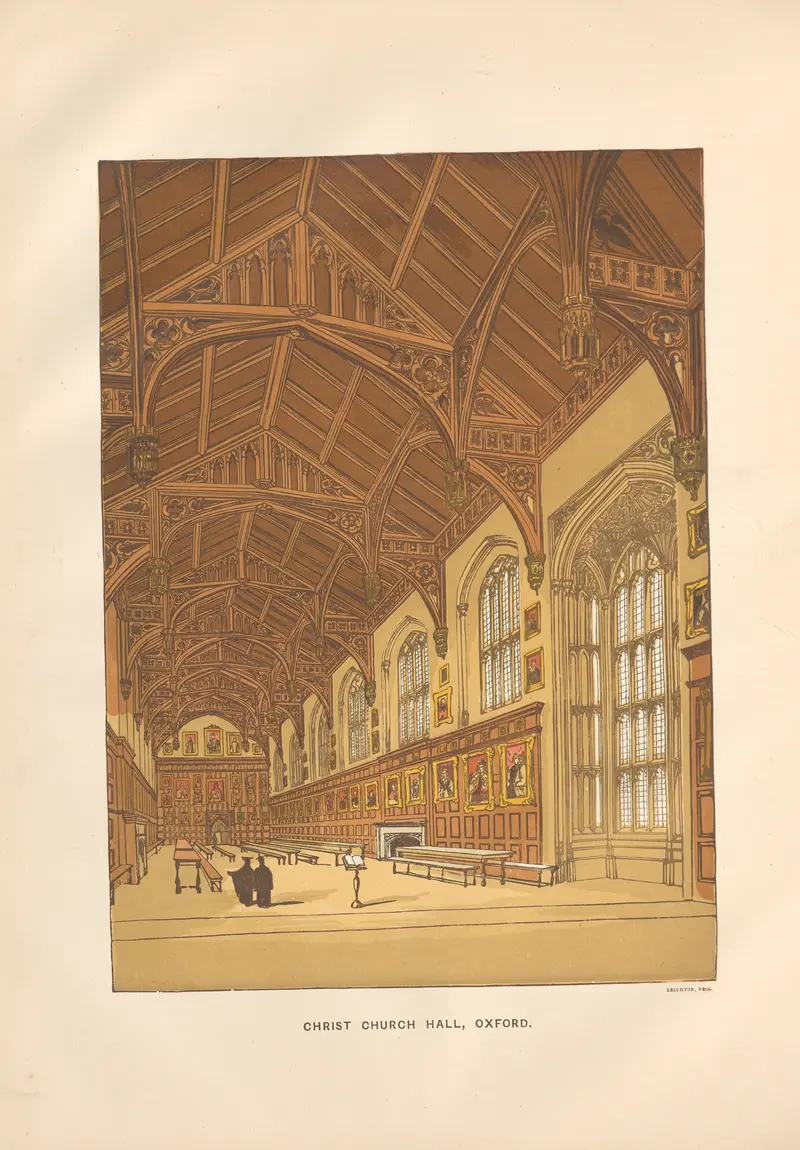
Christ Church Hall, Oxford
Charles Knight
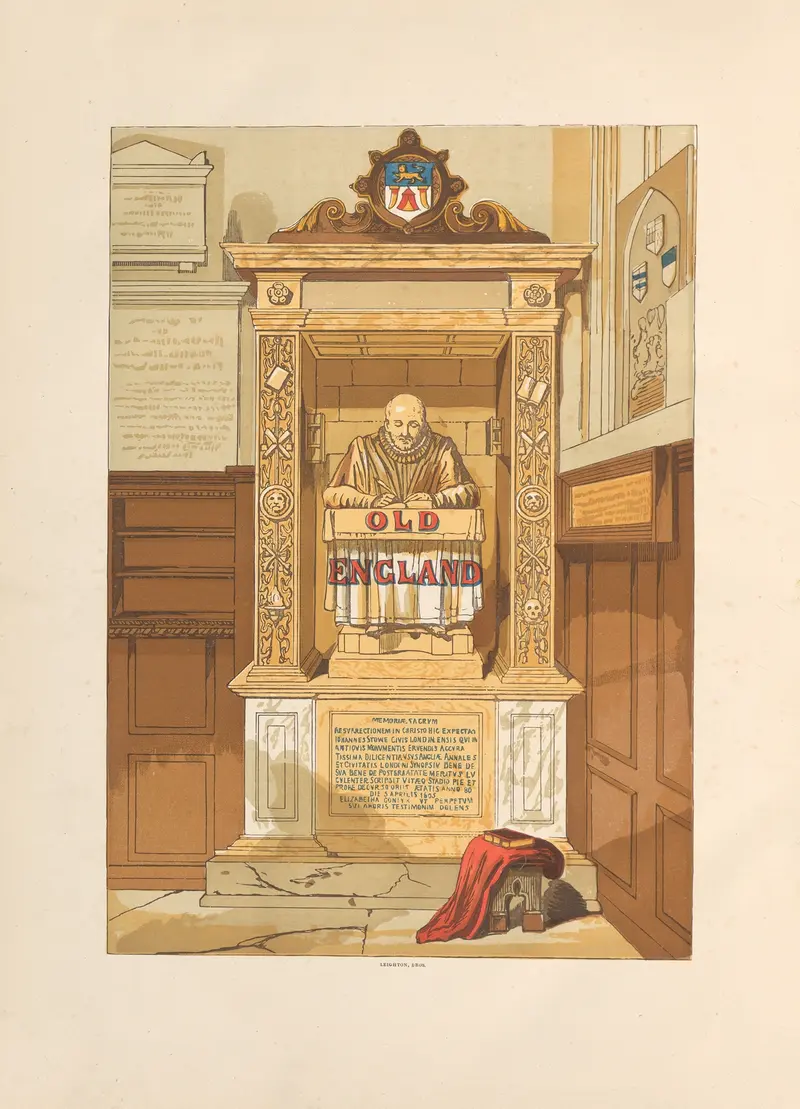
Old England – Frontispiece
Charles Knight
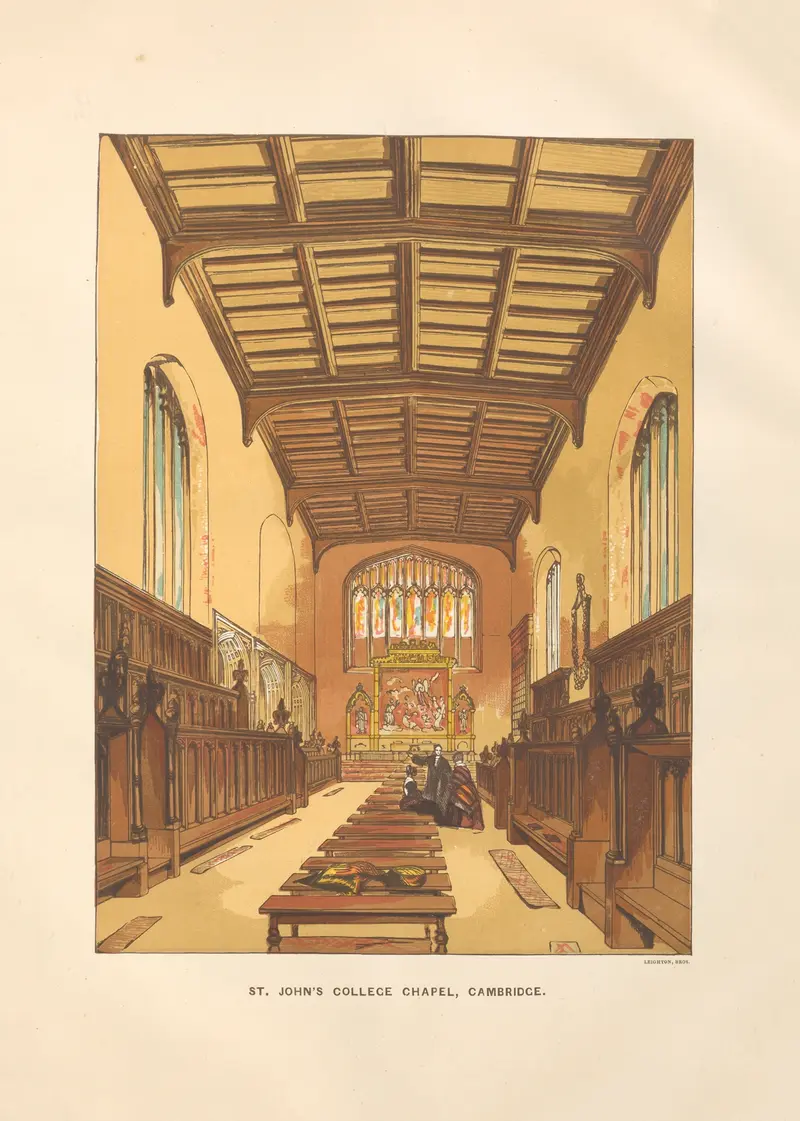
St. John’s College Chapel, Cambridge
Charles Knight





