Tomb of Mary, Queen of Scots – Westminster Abbey — History & Analysis
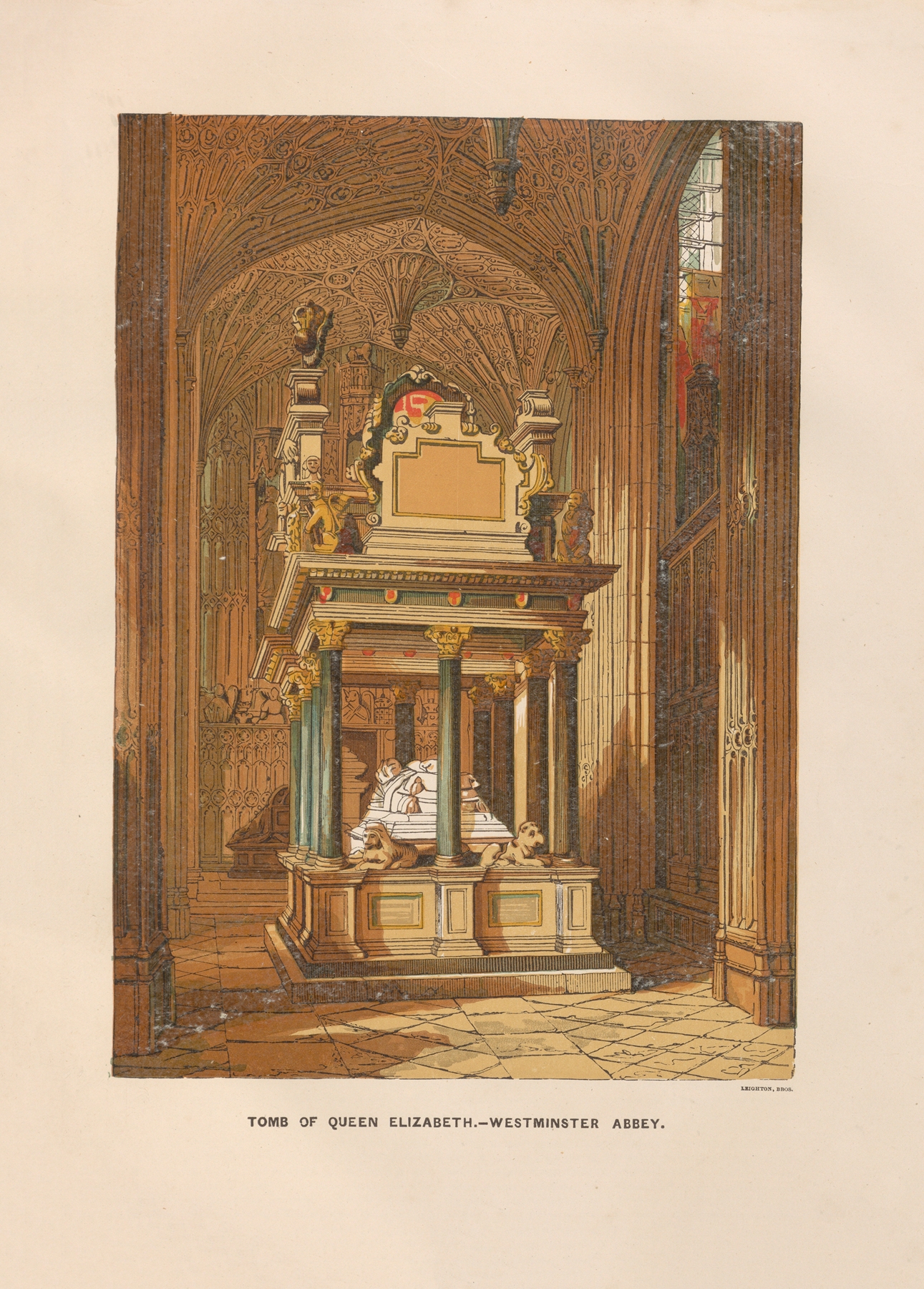
“Sometimes beauty is just pain, disguised in gold.” Here, the opulence of the tomb belies a story steeped in violence and tragedy, whispering the echoes of a life once lived amidst political intrigue. Look to the intricate carvings on the sarcophagus, where the artist's meticulous attention to detail draws your gaze first. The rich gold and deep russet hues contrast starkly with the cold, stoic marble, creating a sense of tension. Notice how the effigy of Mary Queen of Scots lies in serene repose, hands clasped in prayer, her visage both regal and haunting.
The delicate folds of her gown cascade over the tomb, capturing light in a way that evokes both beauty and sorrow, while the elaborate ornamentation surrounding her hints at the tumultuous history that enveloped her life and death. The tomb's symbolism runs deeper: the crowns and swords etched into the stone serve as reminders of the violence that punctuated her reign, the struggles for power, and the ultimate betrayal that led to her execution. Each flourish and curve of the design embodies the dichotomy of her life — a queen revered and yet reviled, loved and loathed. The lavishness of the memorial speaks to her status but also becomes a stark commentary on the price of ambition and the fragility of peace.
In 1864, Charles Knight created this visual testament while England was undergoing a period of reflection on its historical figures and their legacies. The Victorian fascination with royalty and the past compelled him to craft this homage to a turbulent queen, whose life story remained a poignant reminder of the violent currents that shaped the course of history. In this context, the tomb transcends mere artistry, becoming a vessel of collective memory and emotion.