Old Gable — History & Analysis
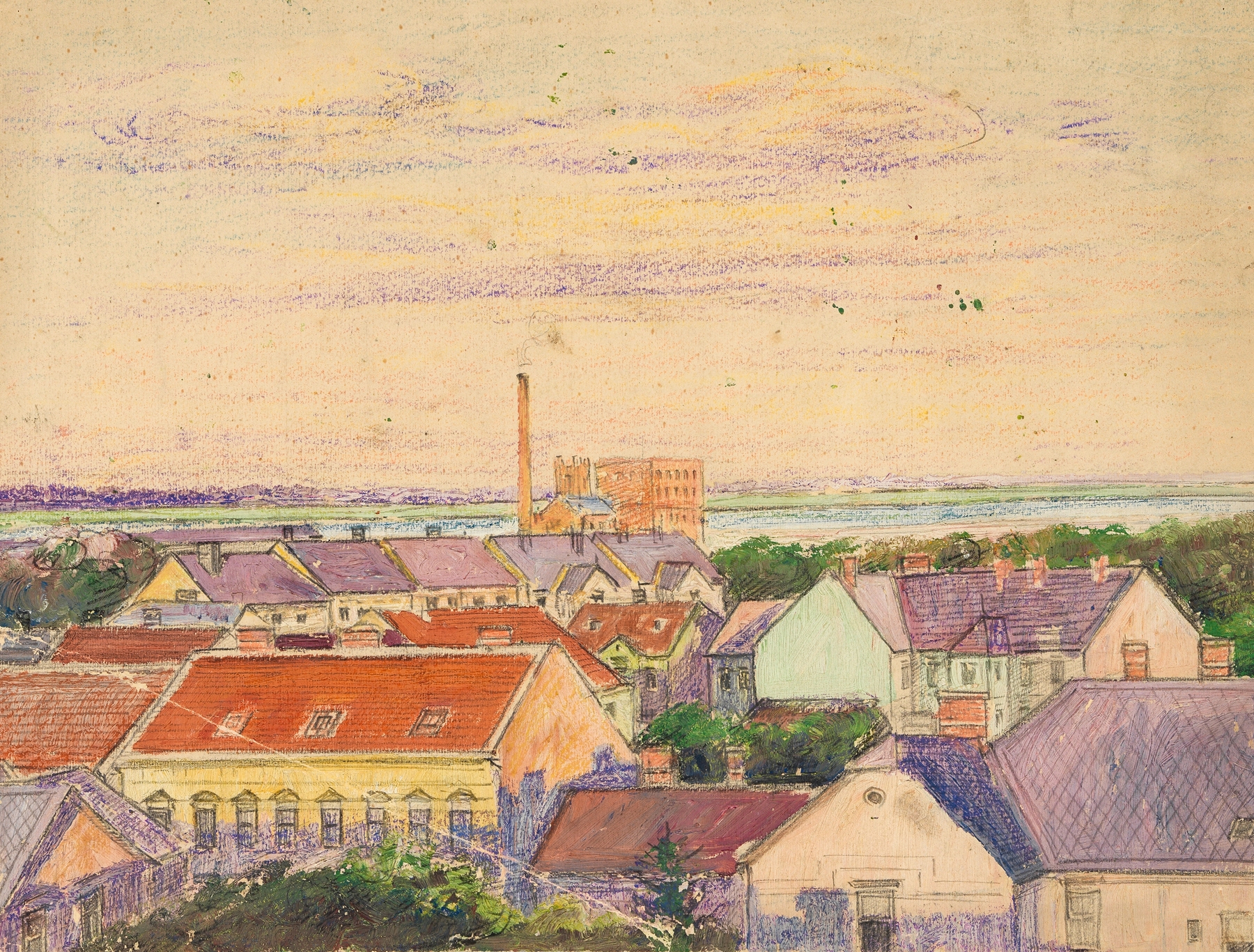
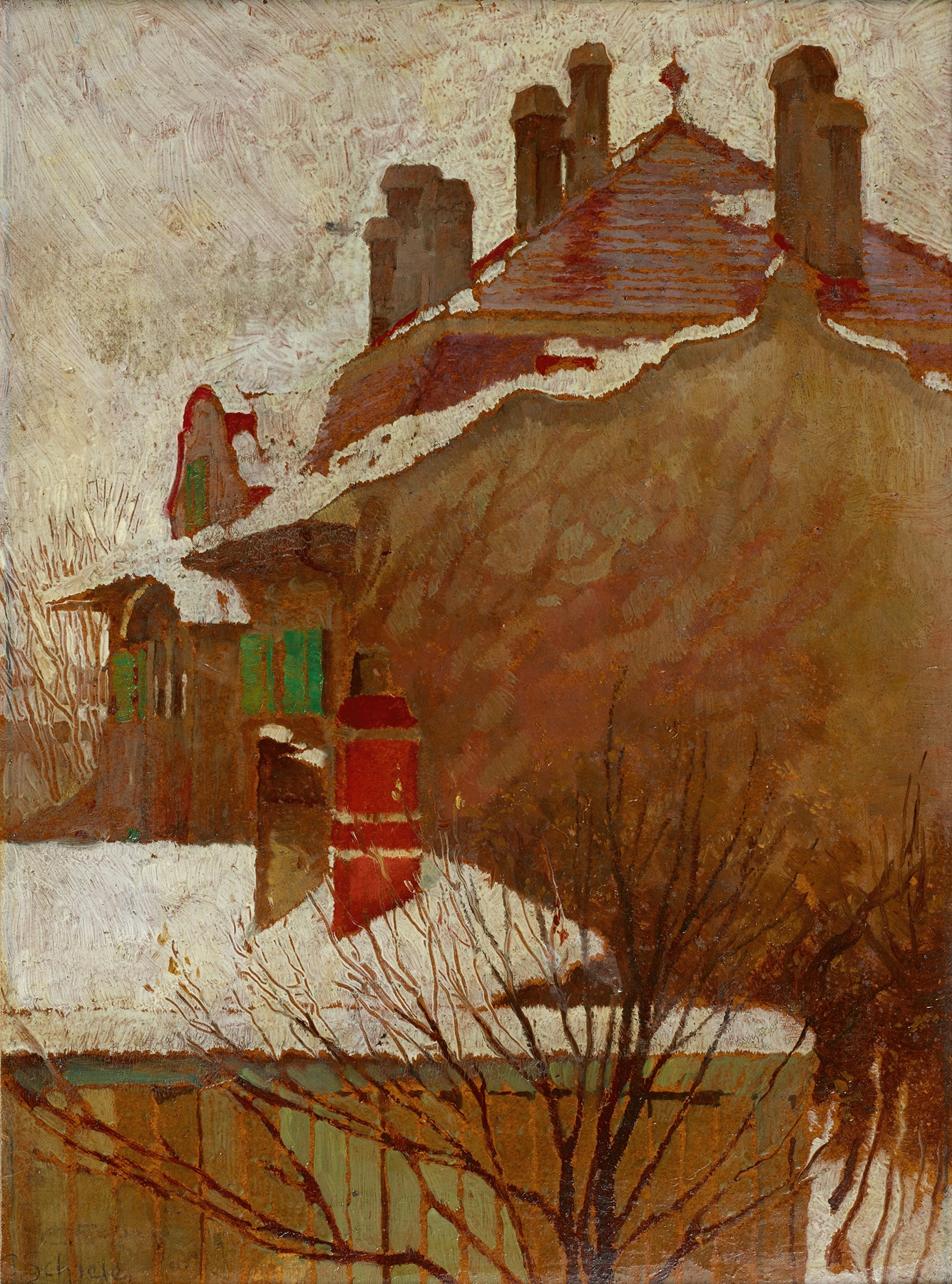
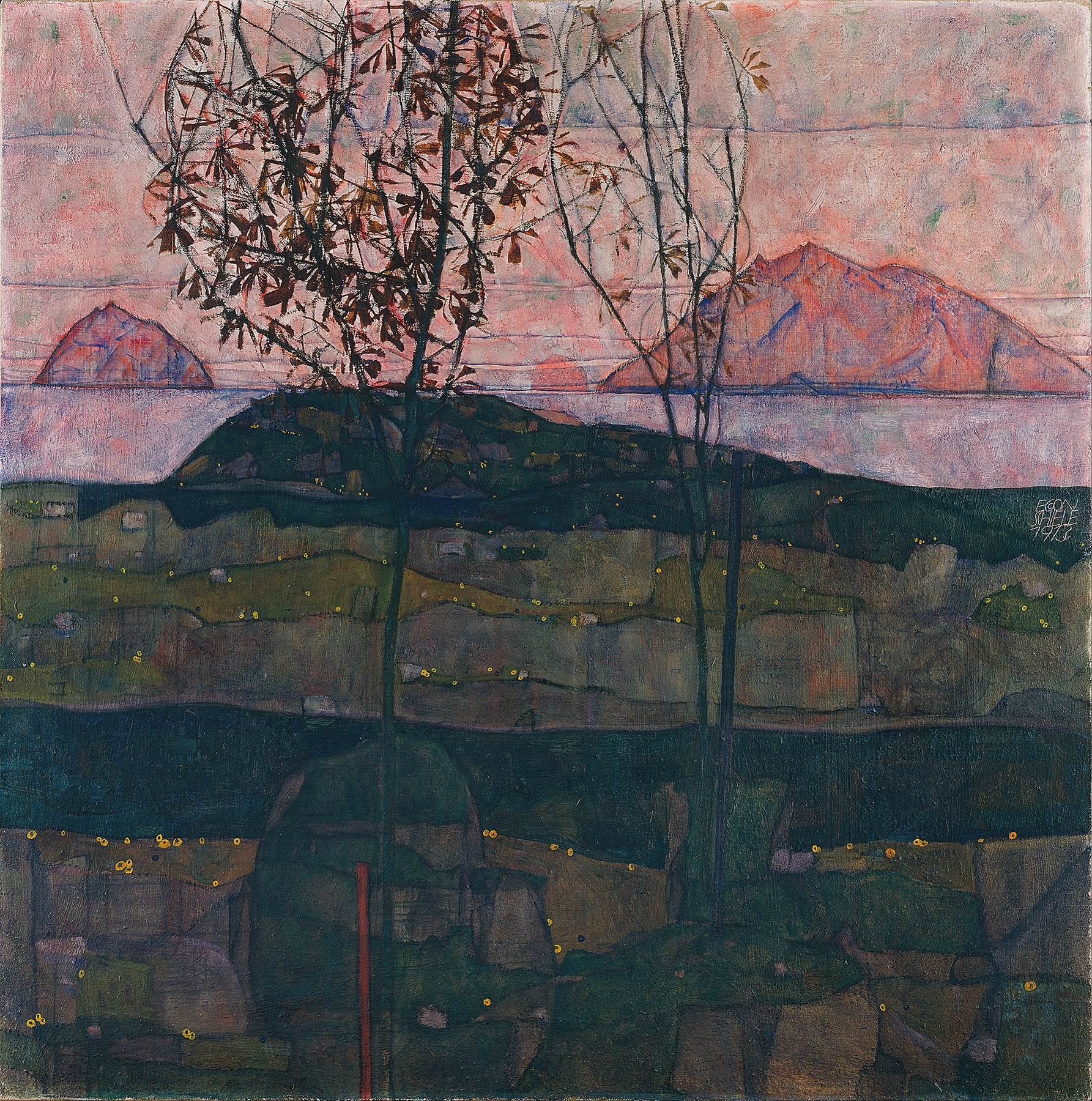
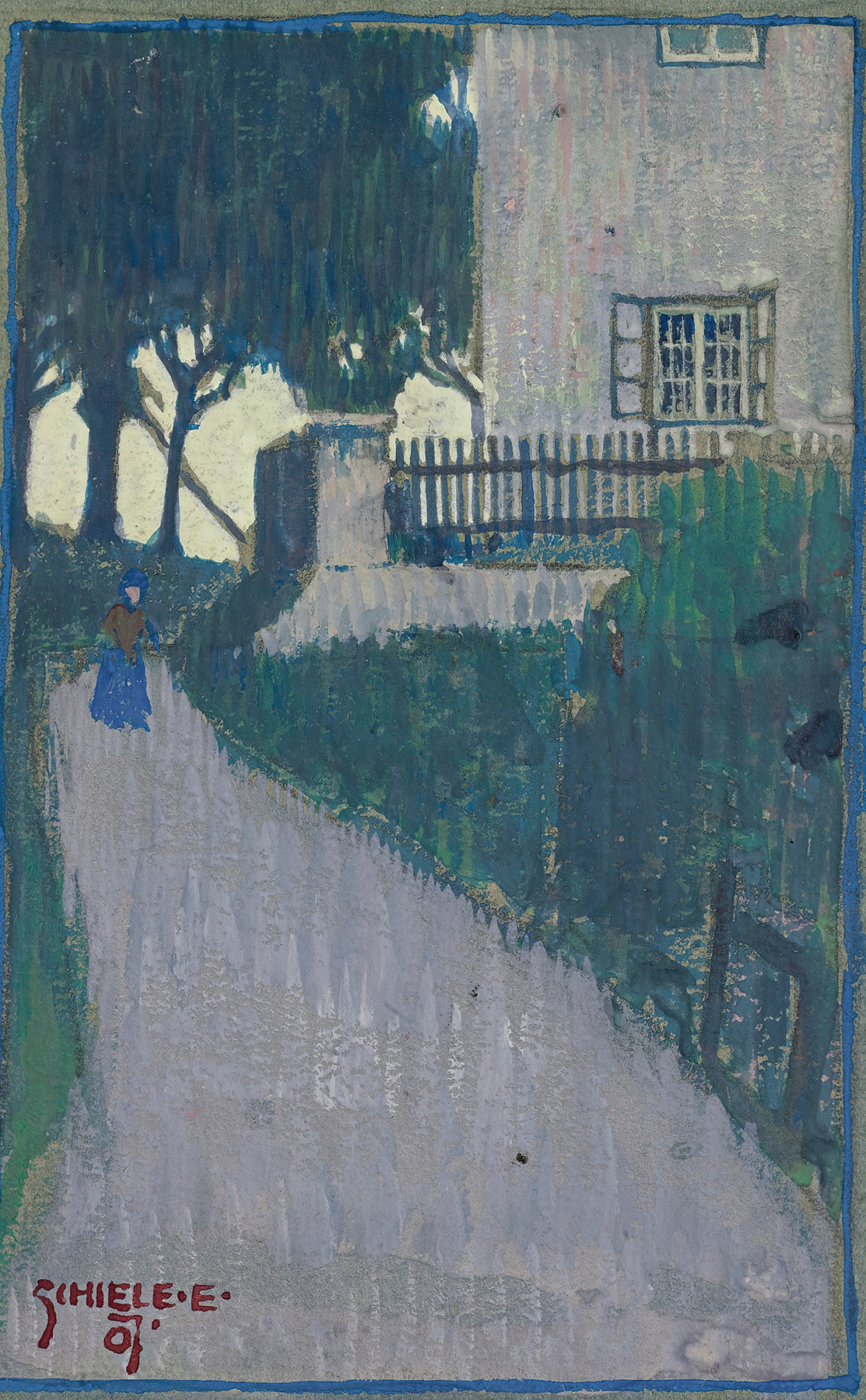
Is this a mirror — or a memory? The question lingers, evoking a sense of longing intertwined with hope, as we confront the fragile remnants of a life once lived. Look to the left at the gable, its sharp angles reaching upward, painted in muted earth tones that evoke a sense of nostalgia. The stark lines contrast beautifully with the gentle curves of the sky above, a soft wash of blues and whites. Notice how Schiele’s use of thick, expressive strokes builds texture, allowing the viewer to feel the weight of the gable’s presence while simultaneously suggesting its disrepair.
The interplay of light and shadow emphasizes the passage of time, drawing us into a dialogue between the past and the present. In this piece, we can find the tension between decay and resilience. The gable, weathered yet steadfast, embodies hope — a symbol of what remains even in vulnerability. Small details, like the peeling paint and the uneven roofline, suggest a story steeped in both loss and endurance, urging us to reflect on our own memories.
The emotional resonance is palpable, inviting us to explore our own narratives of restoration and the fundamental human experience of finding beauty amidst imperfection. In 1913, Egon Schiele was deeply immersed in the avant-garde movement in Vienna, grappling with themes of identity and existential longing. This period of his life was marked by personal turmoil and societal change, as traditional norms were being challenged by modern ideas. Old Gable stands as a testament to his evolving style, reflecting the artist’s preoccupation with emotional depth and the fragility of human experience during a transformative time in both his life and the art world.