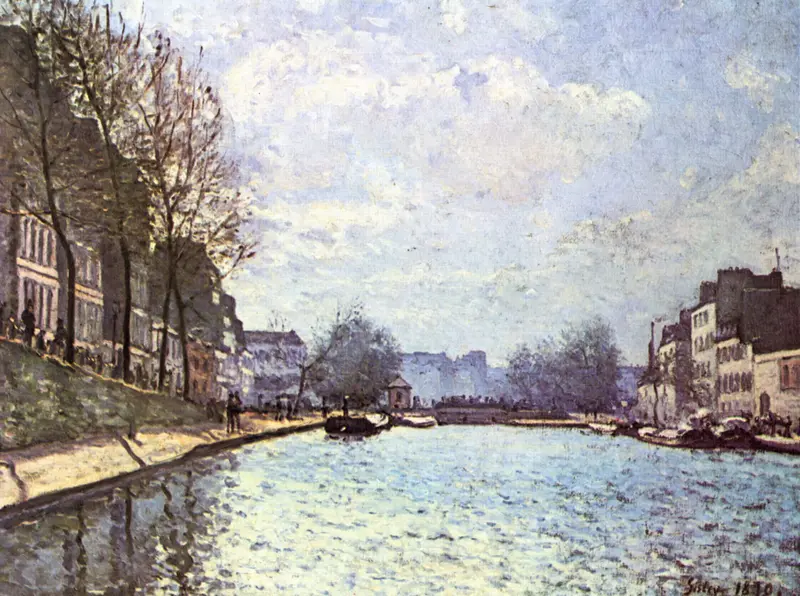
Haus In Hütteldorf (House In Hütteldorf) — History & Facts
In the stillness of Haus In Hütteldorf, the passage of time feels palpable, whispering secrets of lives lived within its walls. Look to the center of the canvas where a stark yet inviting house stands, its angular form almost cradled by the surrounding landscape. The muted earth tones create a sense of groundedness, while the daubs of green evoke a fleeting memory of nature’s embrace. Notice how the light plays delicately across the roof, hinting at the warmth of the interiors, suggesting a life just out of view, beyond the canvas' edge. Delve deeper into the contrasts present within the scene: the rigid structure of the house juxtaposed with the fluidity of the natural elements surrounding it.
There’s a tension between stability and transience; the house stands firm against the ephemeral play of light and shadow, reminding us that despite the comforts of shelter, time brings inevitable change. Observe, too, the nearly empty space around the house, which speaks volumes about solitude and the quiet moments that linger when life is paused. In 1907, the artist was living in Vienna, navigating the tumultuous landscape of early 20th-century art movements. This period marked a turning point for him, as he moved away from the influence of traditional forms, embracing a more expressive and raw approach.
Amidst this exploration, Haus In Hütteldorf emerges as a testament to both his personal journey and the broader quest for identity within the evolving art world.
More Artworks by Egon Schiele

Lovers
Egon Schiele
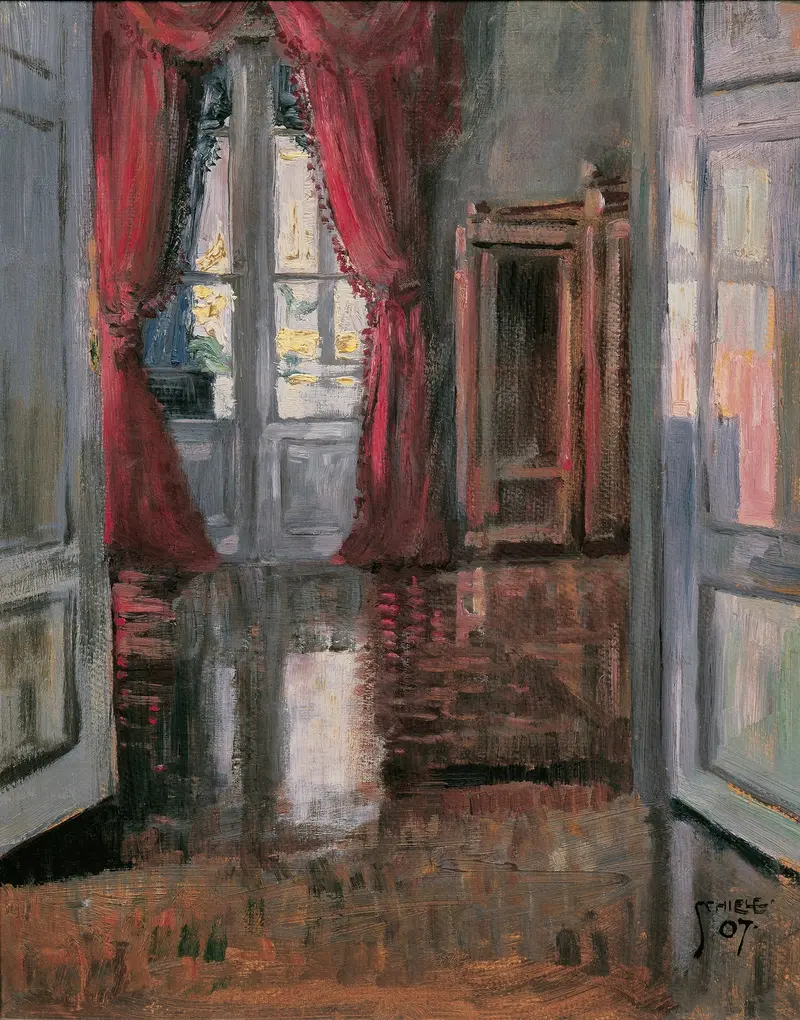
Blick in die Wohnung von Leopold und Marie Czihaczek
Egon Schiele
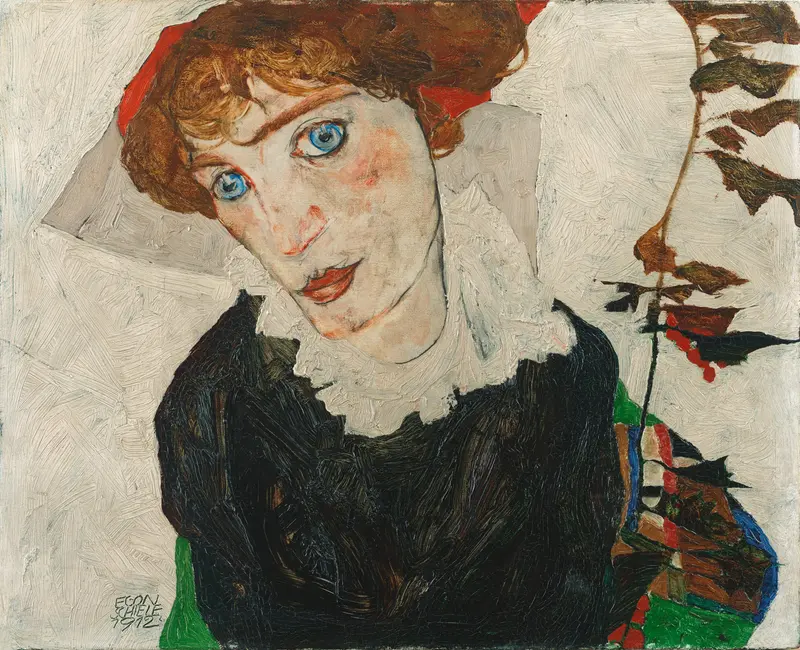
Portrait Of Wally Neuzil
Egon Schiele
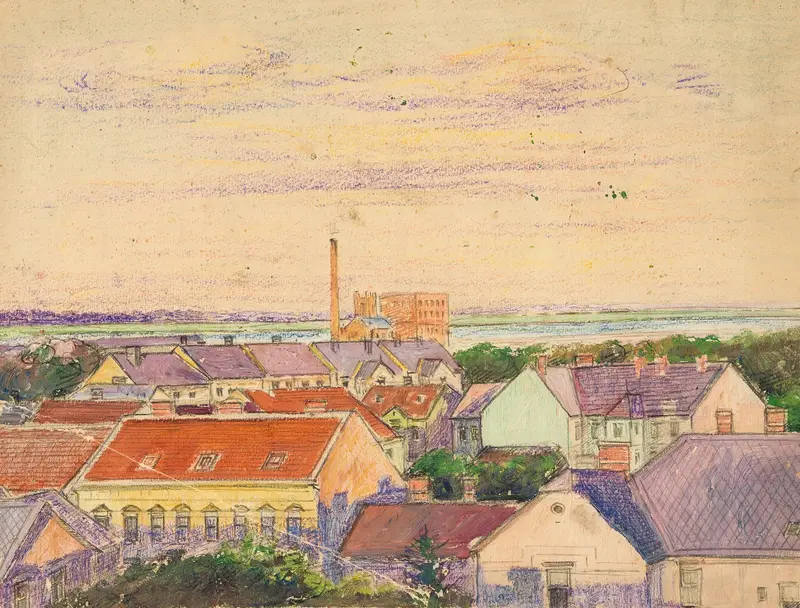
Stadtansicht
Egon Schiele
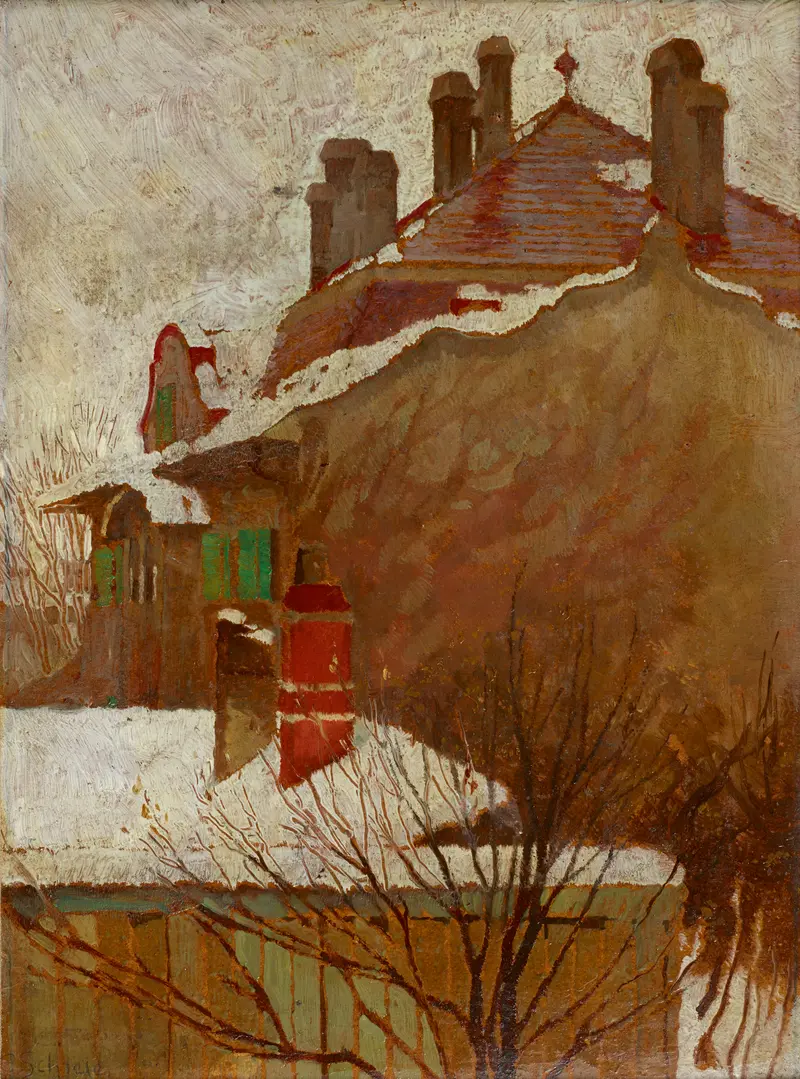
Häuser im Winter (Blick aus dem Atelier)
Egon Schiele
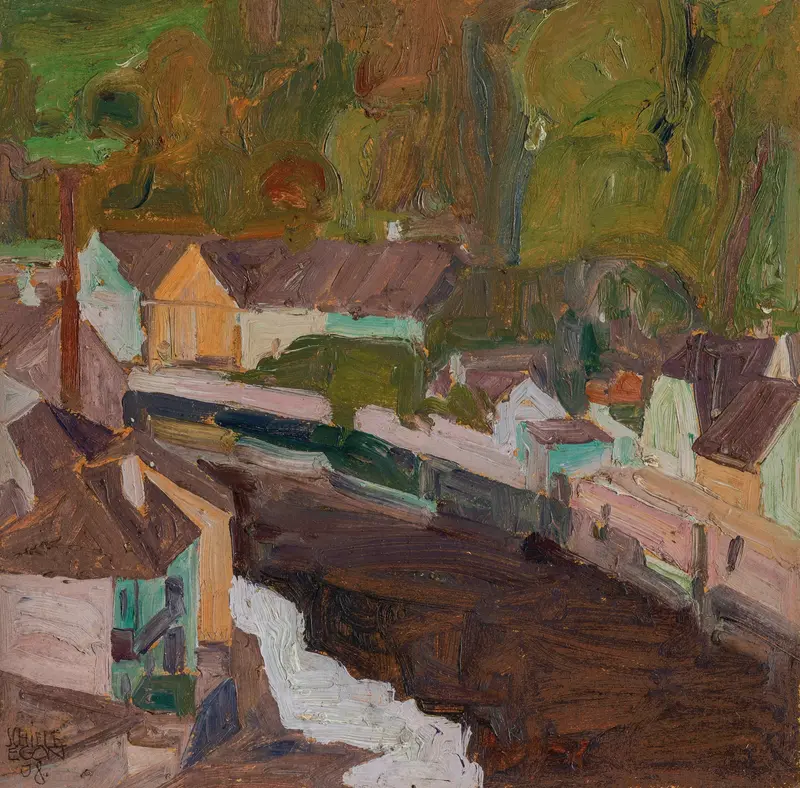
Dorf am Fluss II
Egon Schiele
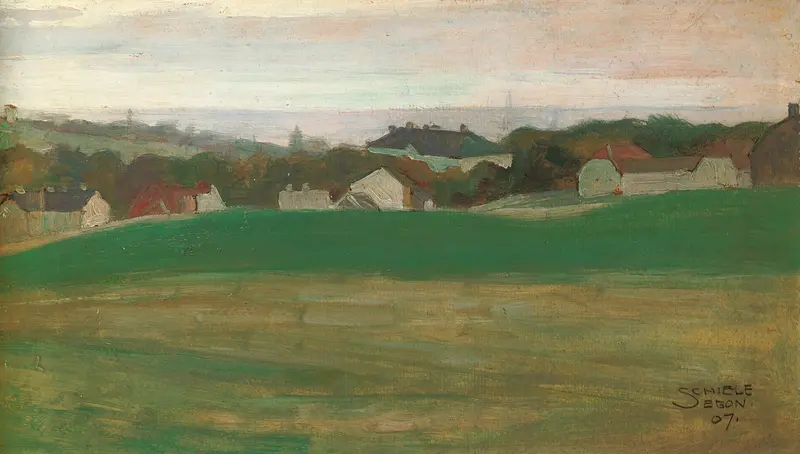
Wiese mit Dorf im Hintergrund II
Egon Schiele
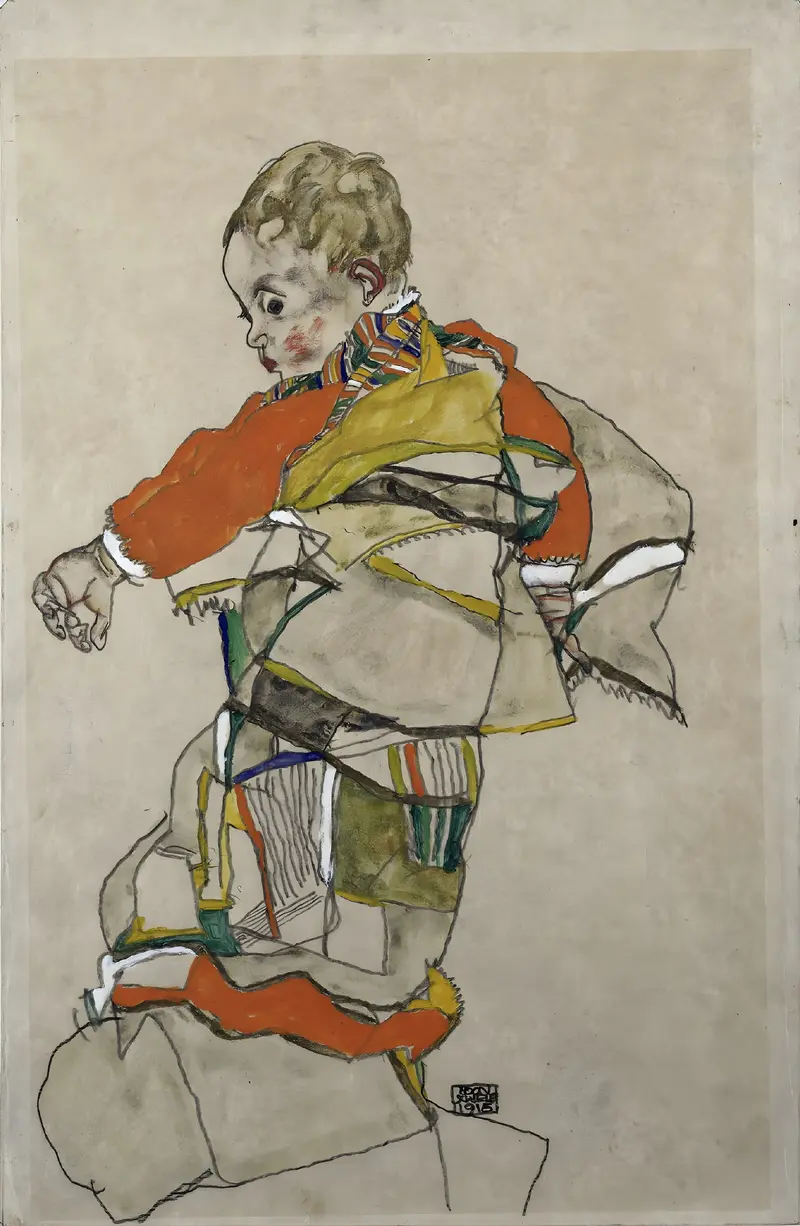
Portrait of a Child (Anton Peschka, Jr.)
Egon Schiele
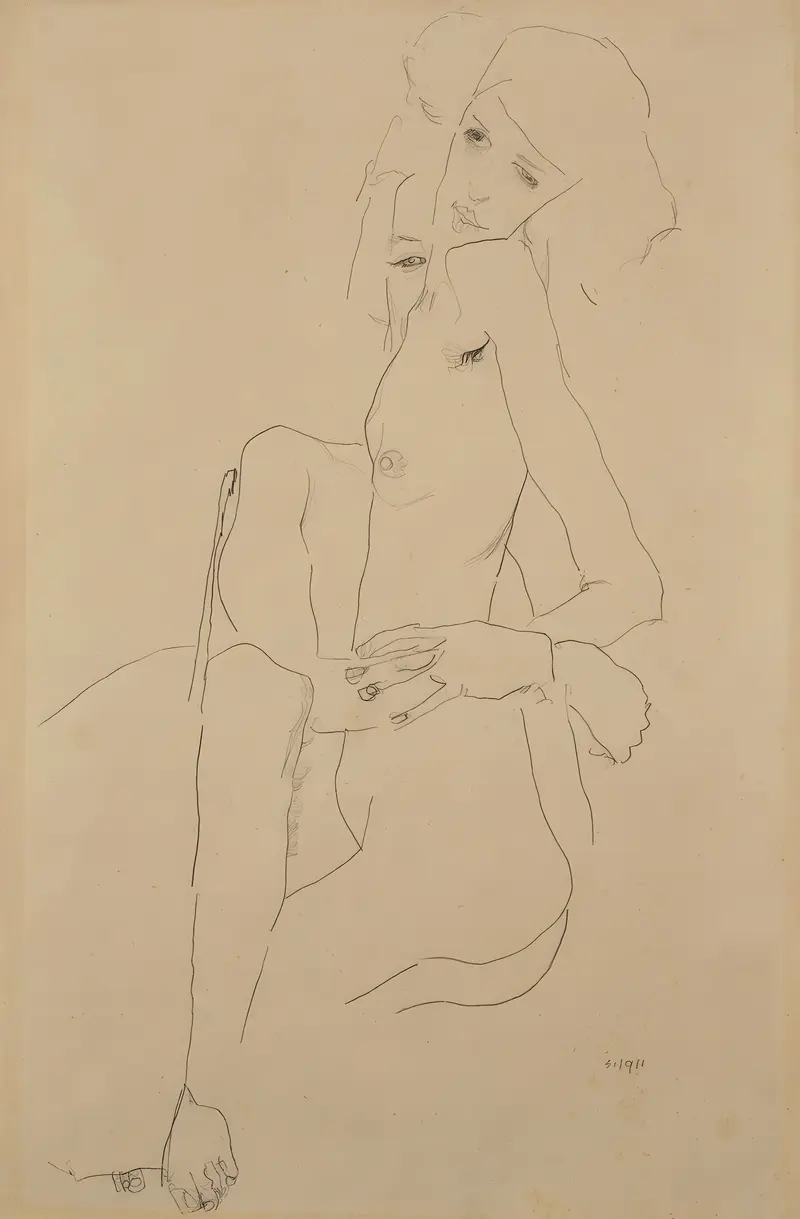
The Embrace
Egon Schiele
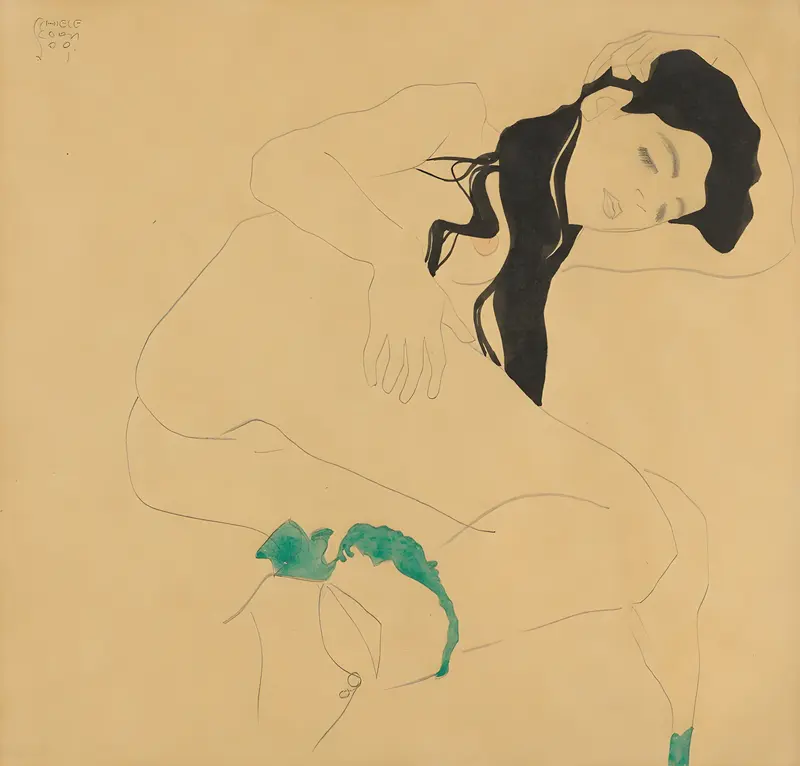
Liegender Mädchenakt
Egon Schiele