Setting Sun — History & Analysis
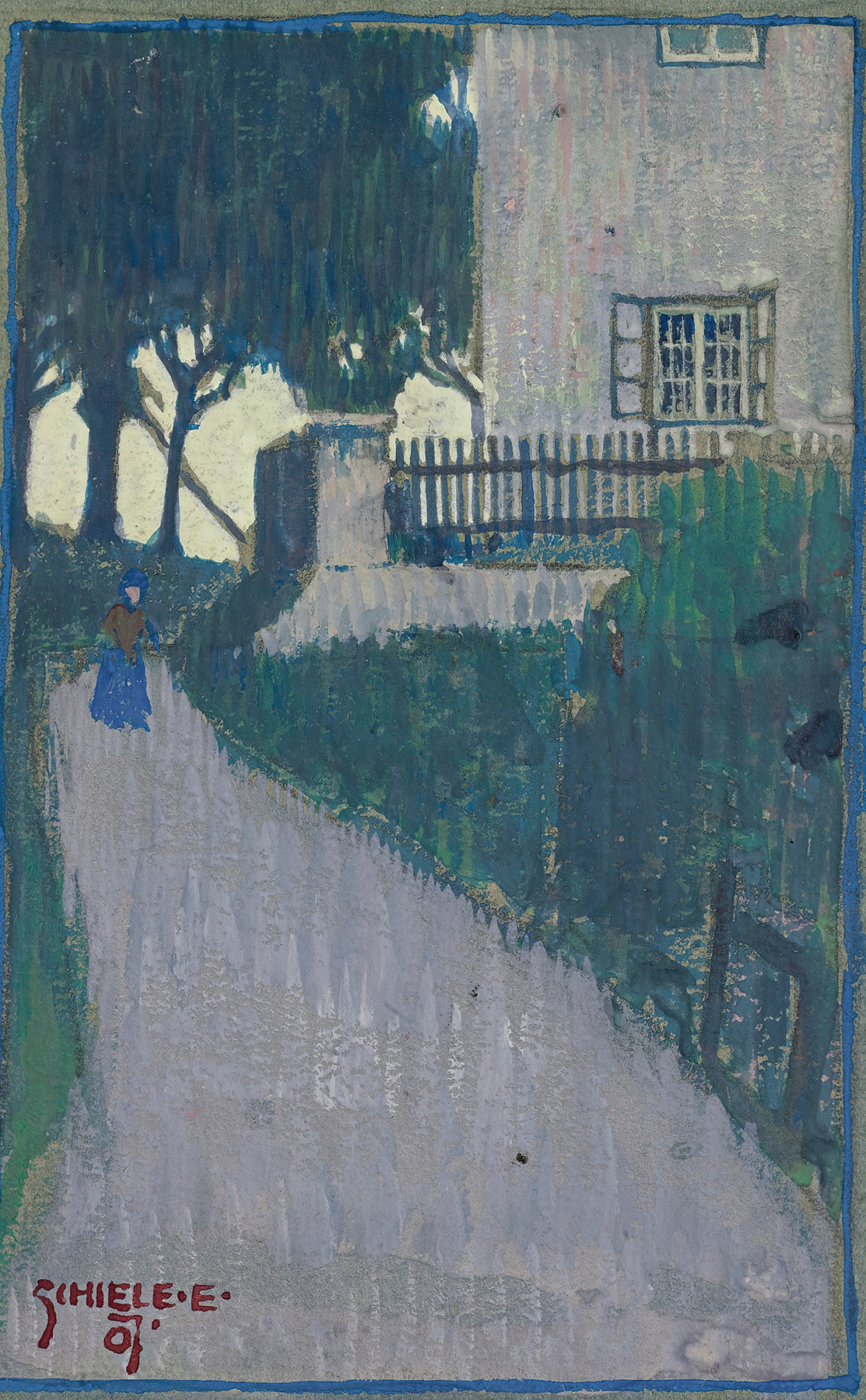
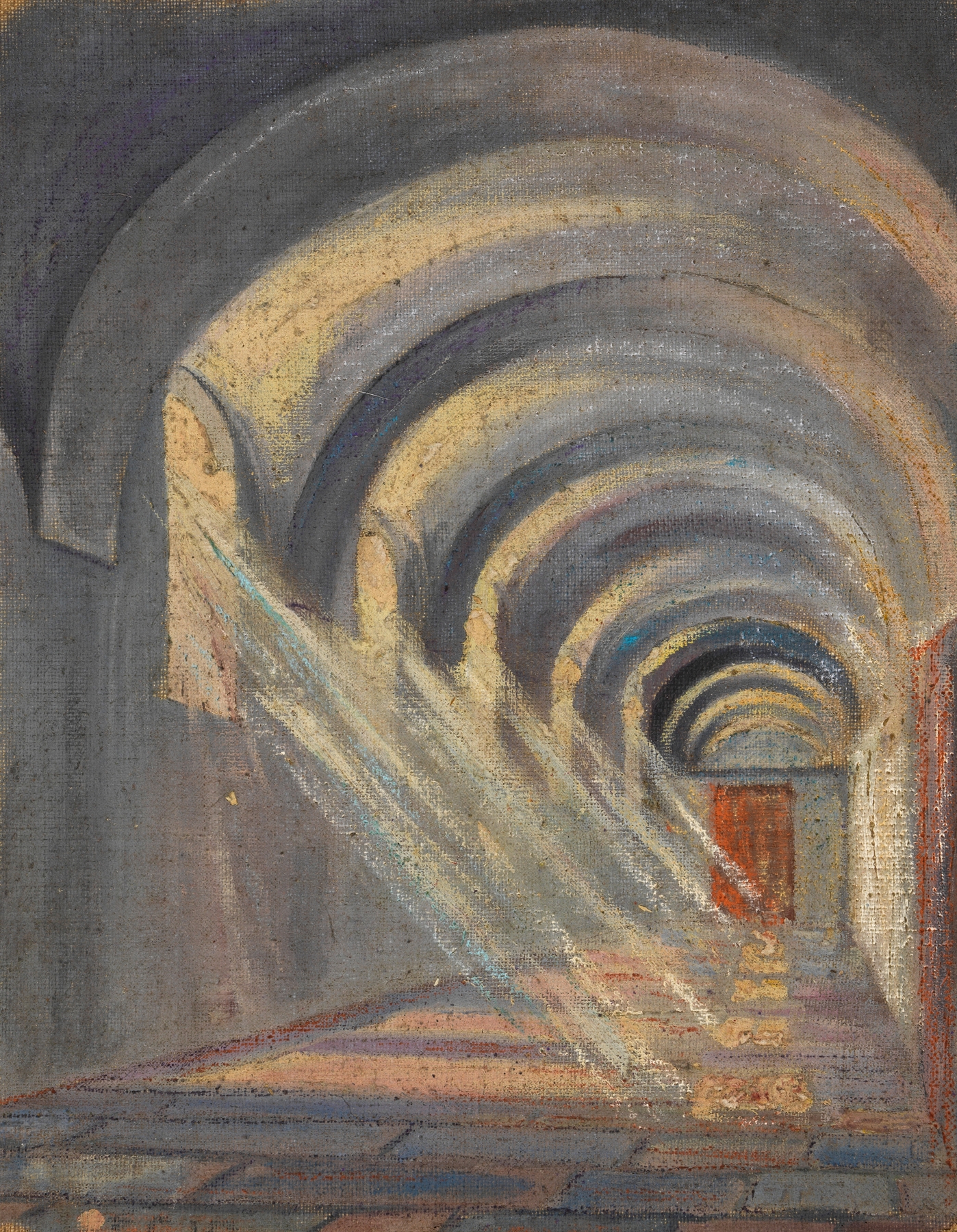
“Every silence here is a confession.” In the stillness of twilight, we confront the weight of destiny, wrapped in the delicate threads of time and emotion. Look to the left at the haunting, skeletal trees silhouetted against the crimson sky. Their gnarled branches reach out like desperate hands, grasping for something just beyond their reach. Notice how the vibrant reds and oranges clash with the cool blues and greens of the horizon, creating a tension that vibrates through the canvas, mirroring a moment suspended between hope and despair.
The bold strokes and expressive lines radiate a visceral energy, capturing the fleeting essence of a day slipping away. In the foreground, a solitary figure looms, embodying isolation and reflection. The emptiness surrounding them speaks volumes; it represents the weight of choice and the unknown future. The juxtaposition of the figure's dark outlines against the luminous sunset serves as a reminder of the fragility of existence, the thin veil separating dreams from reality.
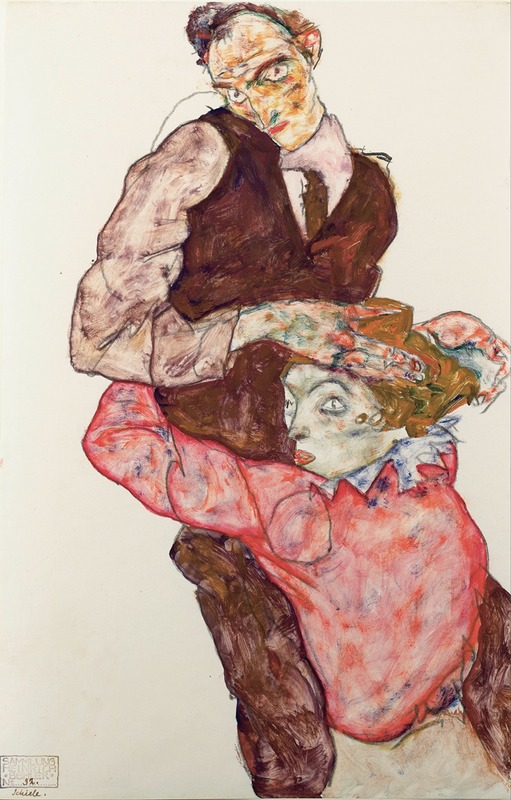
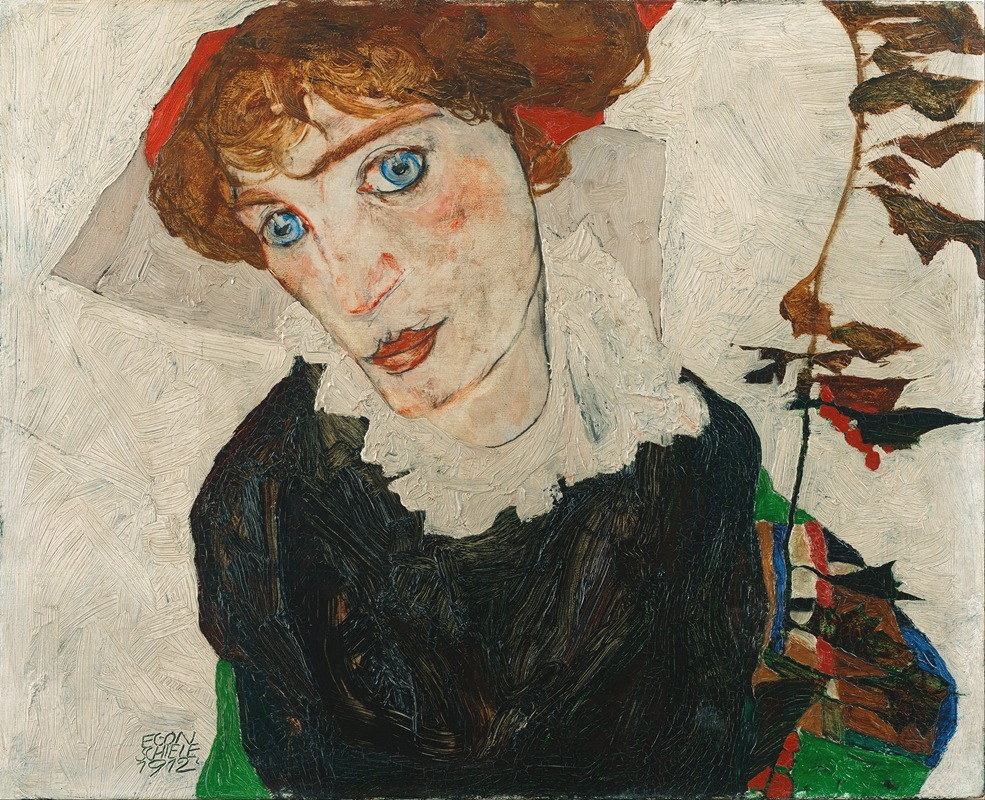
Each brushstroke whispers of fate, echoing the artist's internal struggles and the broader existential questions that haunt us all. In 1913, Egon Schiele was navigating the tumultuous waters of early 20th-century Vienna, both personally and artistically. As he painted Setting Sun, he was at a pivotal point, grappling with themes of identity and mortality that permeated his work. It was a time marked by artistic rebellion and a burgeoning modernist movement, reflecting a world on the brink of profound change, which would soon shatter old conventions and redefine destinies.