Dorf am Fluss II — History & Analysis
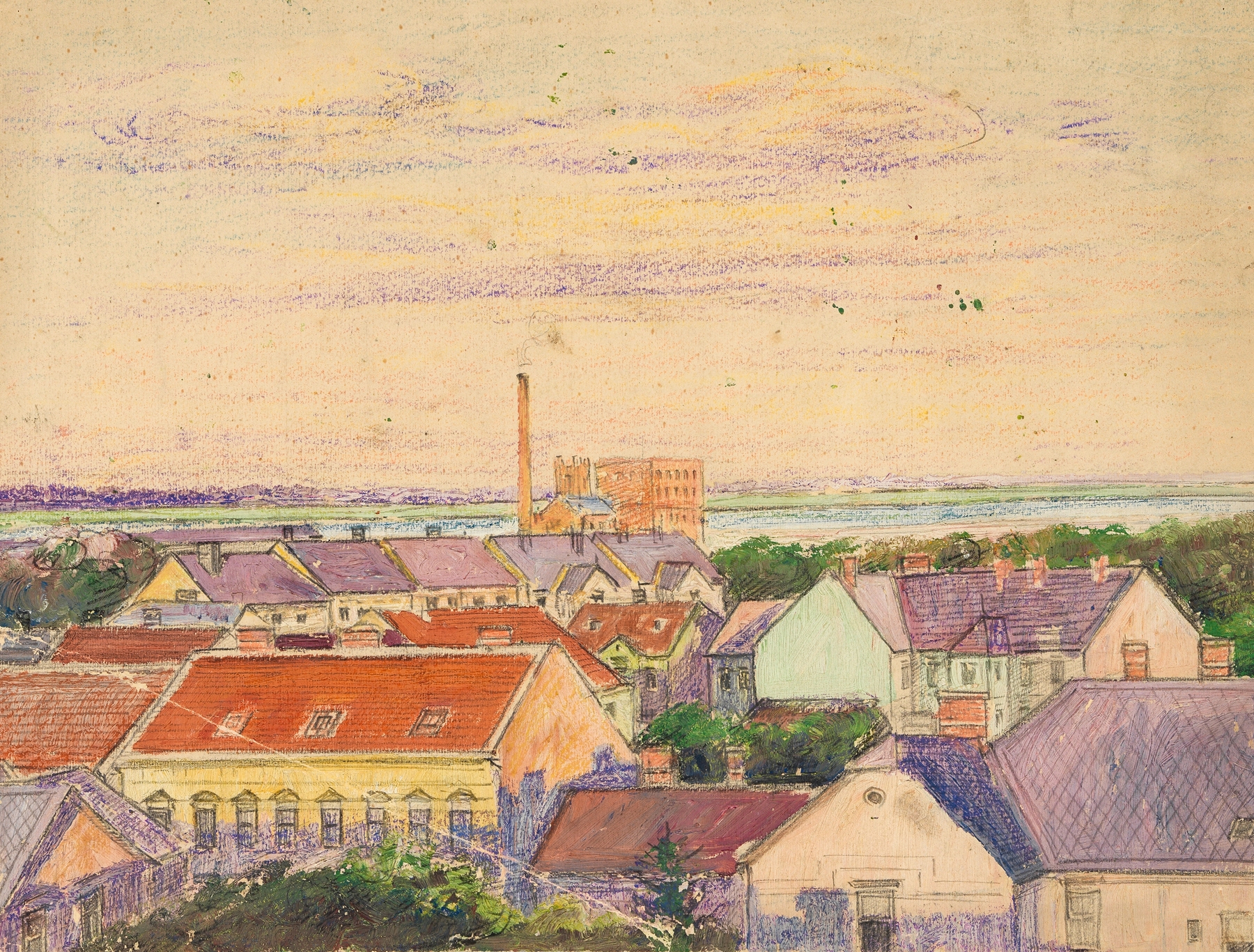
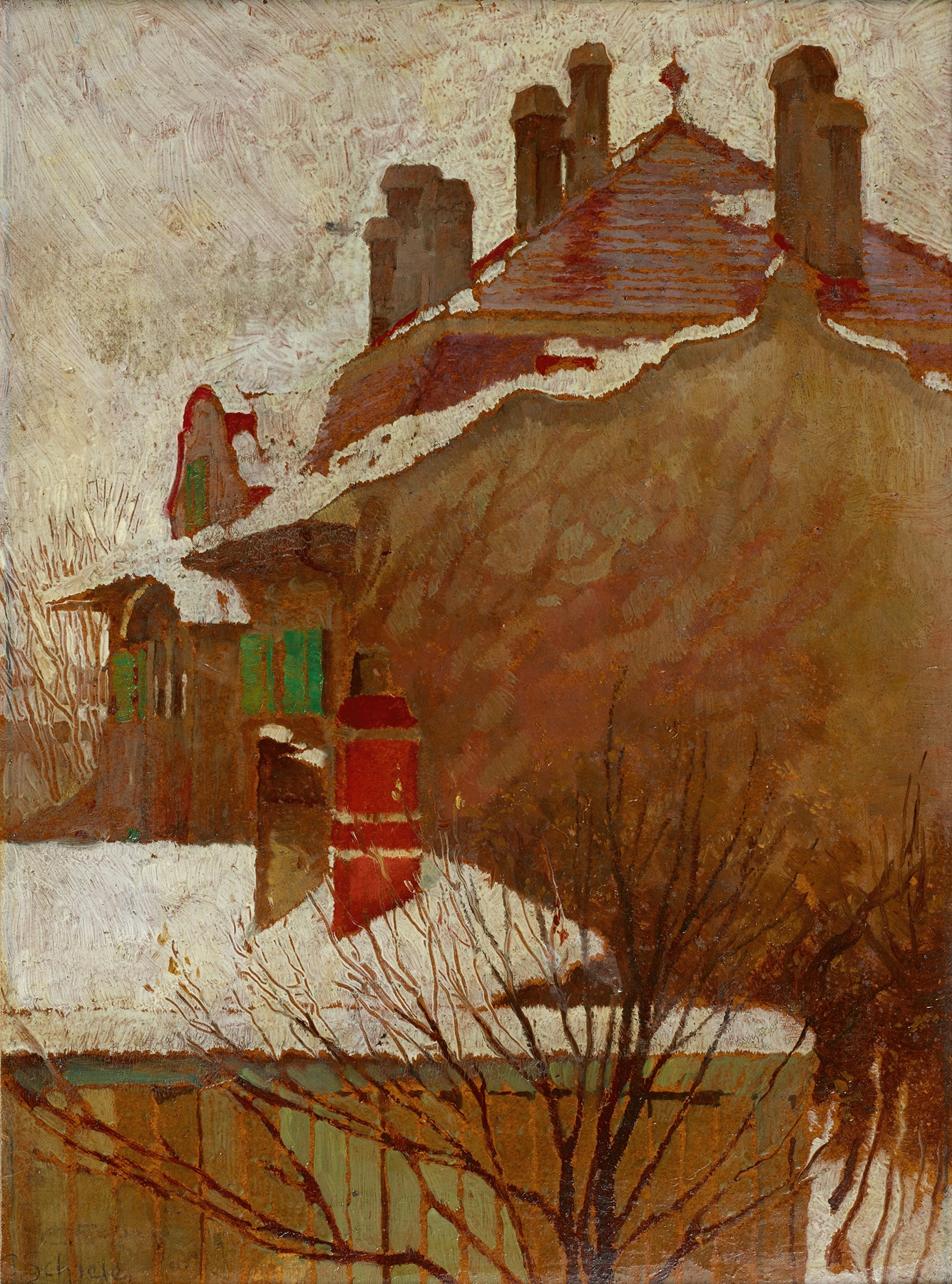
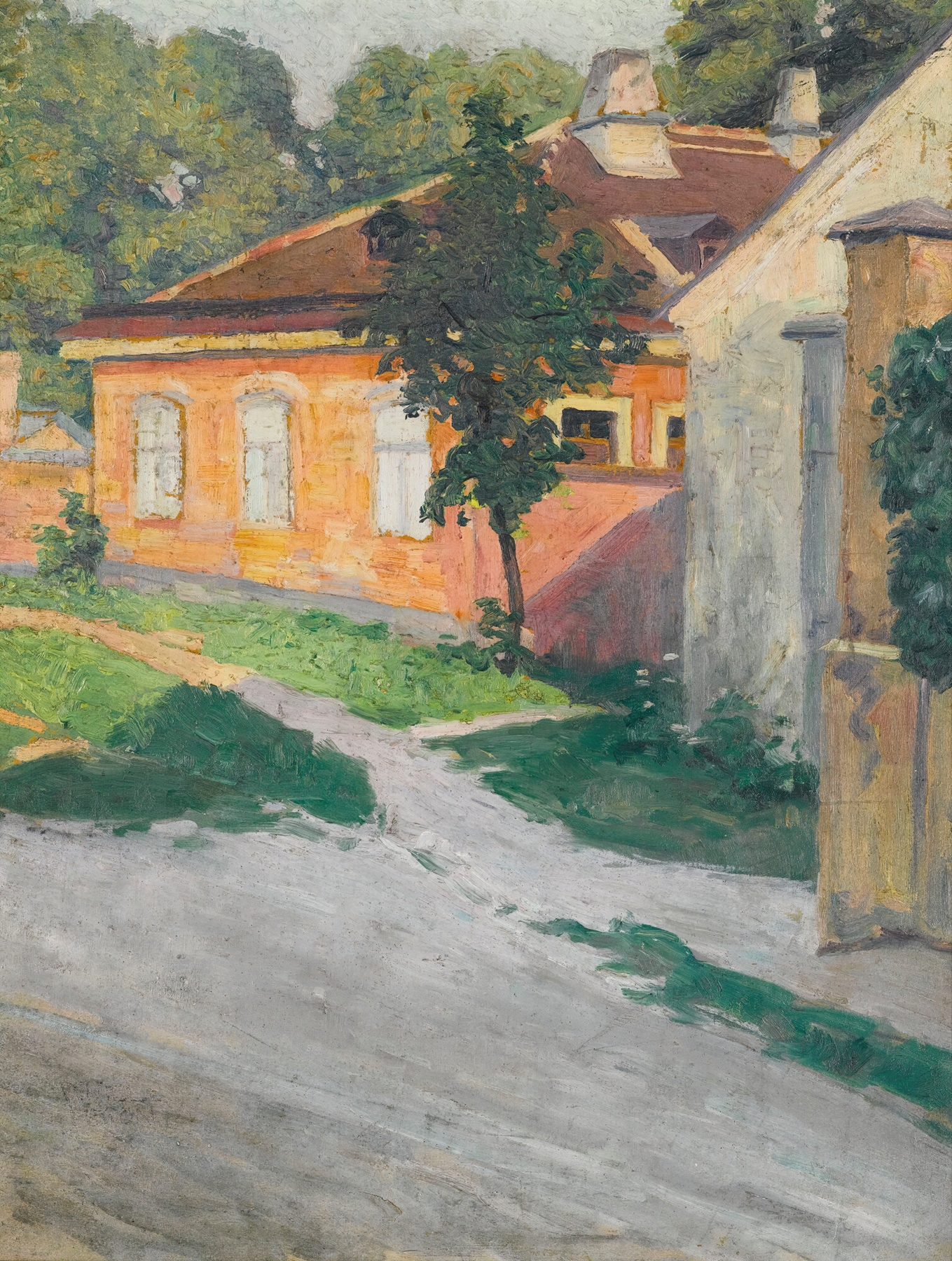
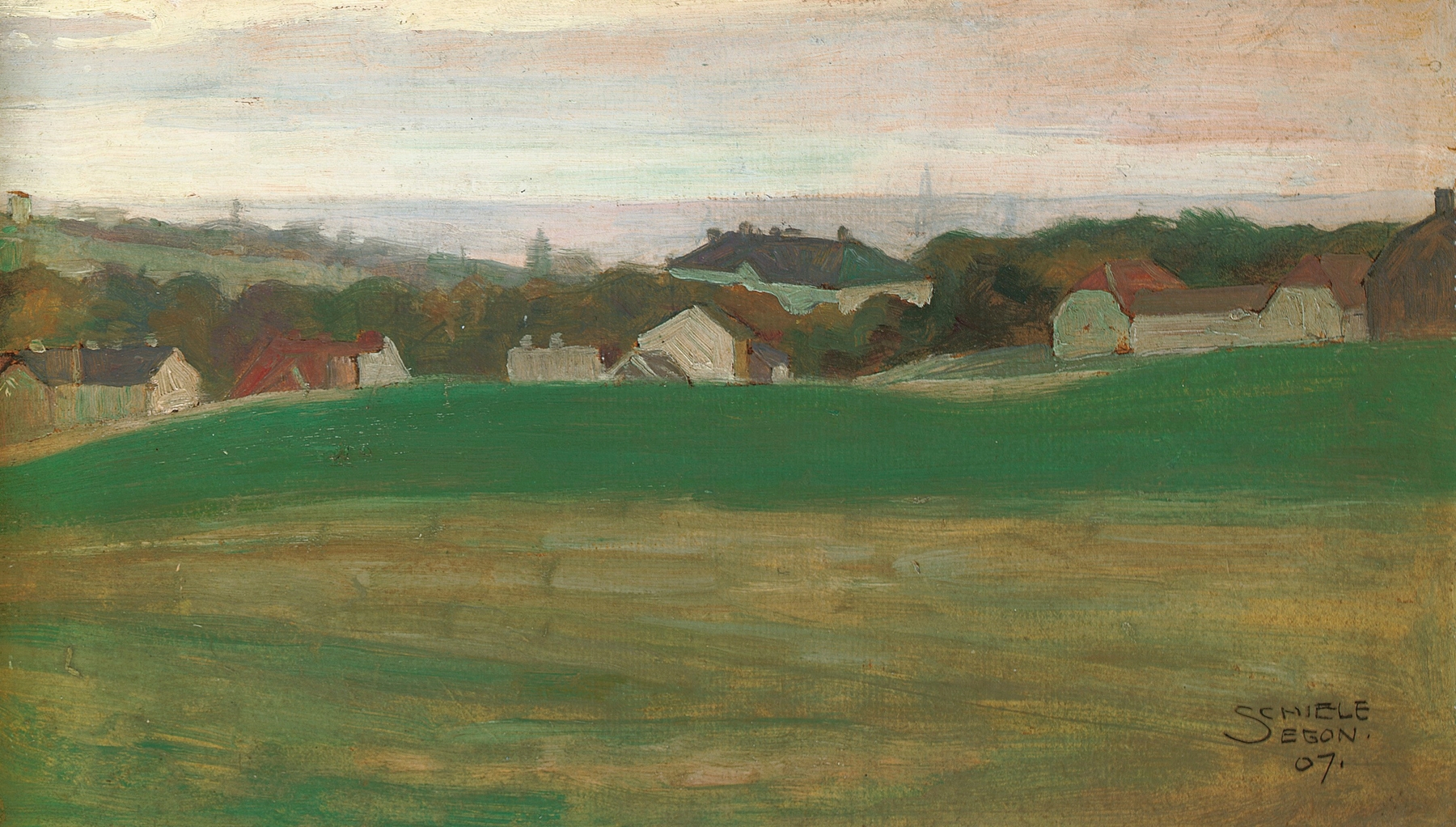
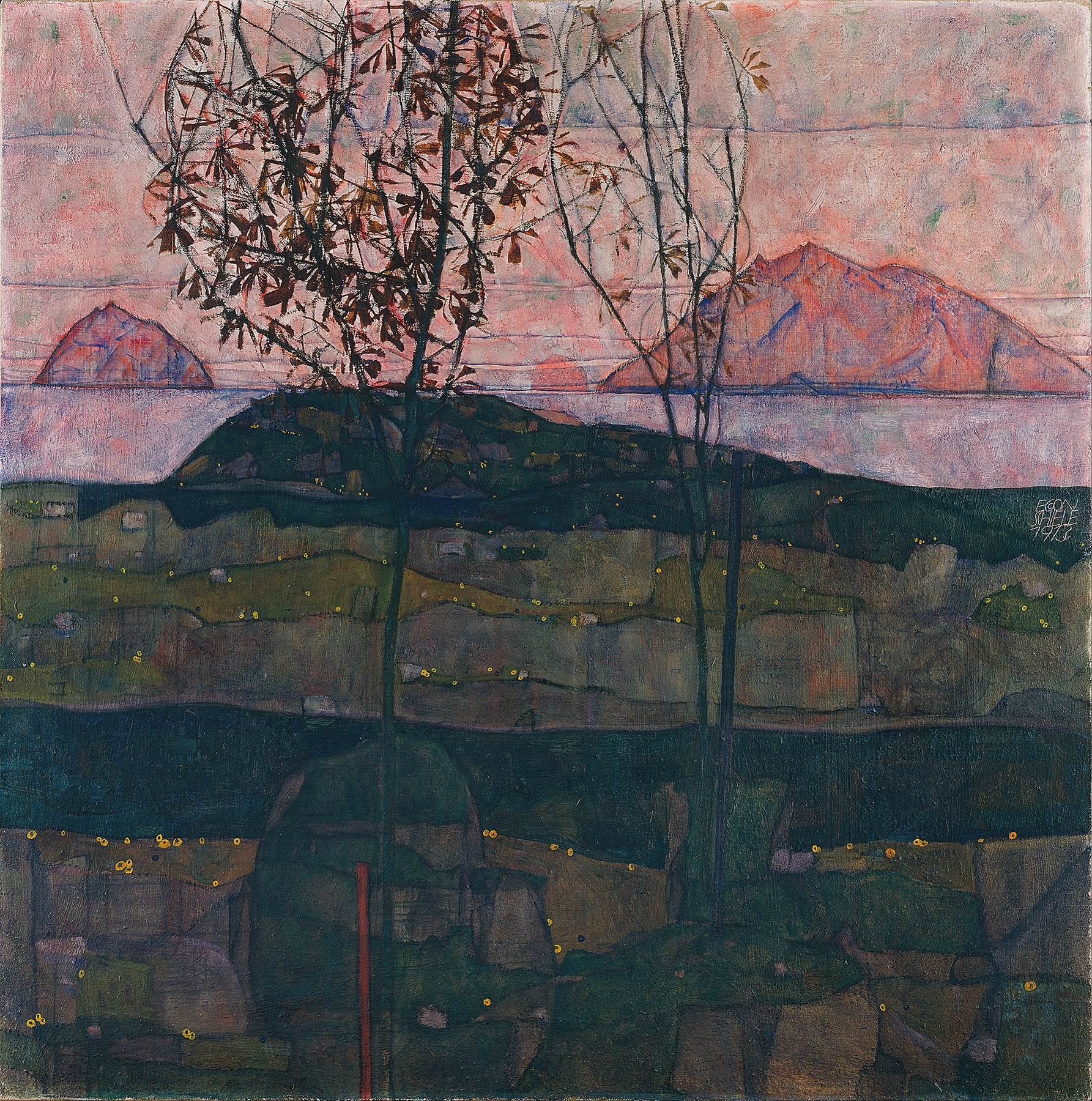
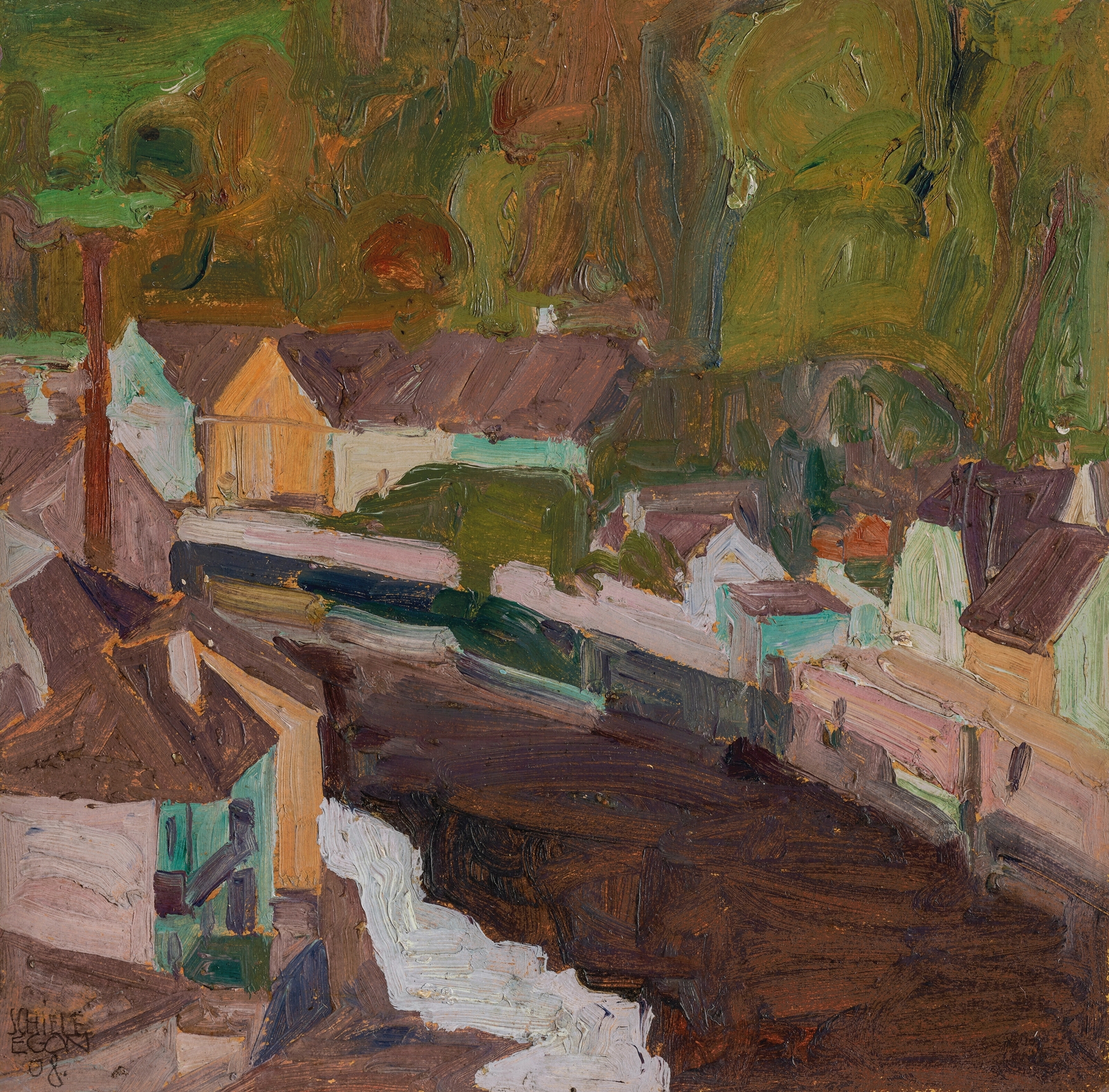
What if silence could speak through light? The ethereal glow of dawn seems to whisper secrets, revealing the quiet strength inherent in faith. Look to the center of the canvas, where a gentle river meanders through a serene village. The tranquil waters reflect a golden hue, capturing the soft light that breaks the dawn.
Notice how the brushstrokes ebb and flow, creating a rhythm that guides your eye across the landscape. The contrasting earthy tones of the village, with its humble structures, stand in stark elegance against the vast sky, a testament to the resilience found in simplicity. In the foreground, a lone figure gazes contemplatively at the river, embodying a moment of introspection. This solitude speaks volumes about the relationship between man and nature, evoking a sense of faith in the enduring cycles of life.
The vibrant colors and the interplay of light and shadow highlight the emotional undercurrents of searching and longing, suggesting a deeper connection nestled within the fabric of everyday existence. Egon Schiele created Dorf am Fluss II in 1908 while living in Vienna, a city steeped in artistic fervor. At this time, he was exploring new expressions of identity and emotion through his work, navigating the tensions within a rapidly changing world. The painting reflects not only Schiele's personal journey but also the broader currents of modernism that sought to capture the essence of human experience.