On the Bosphorus, Sultanahmet beyond — History & Analysis
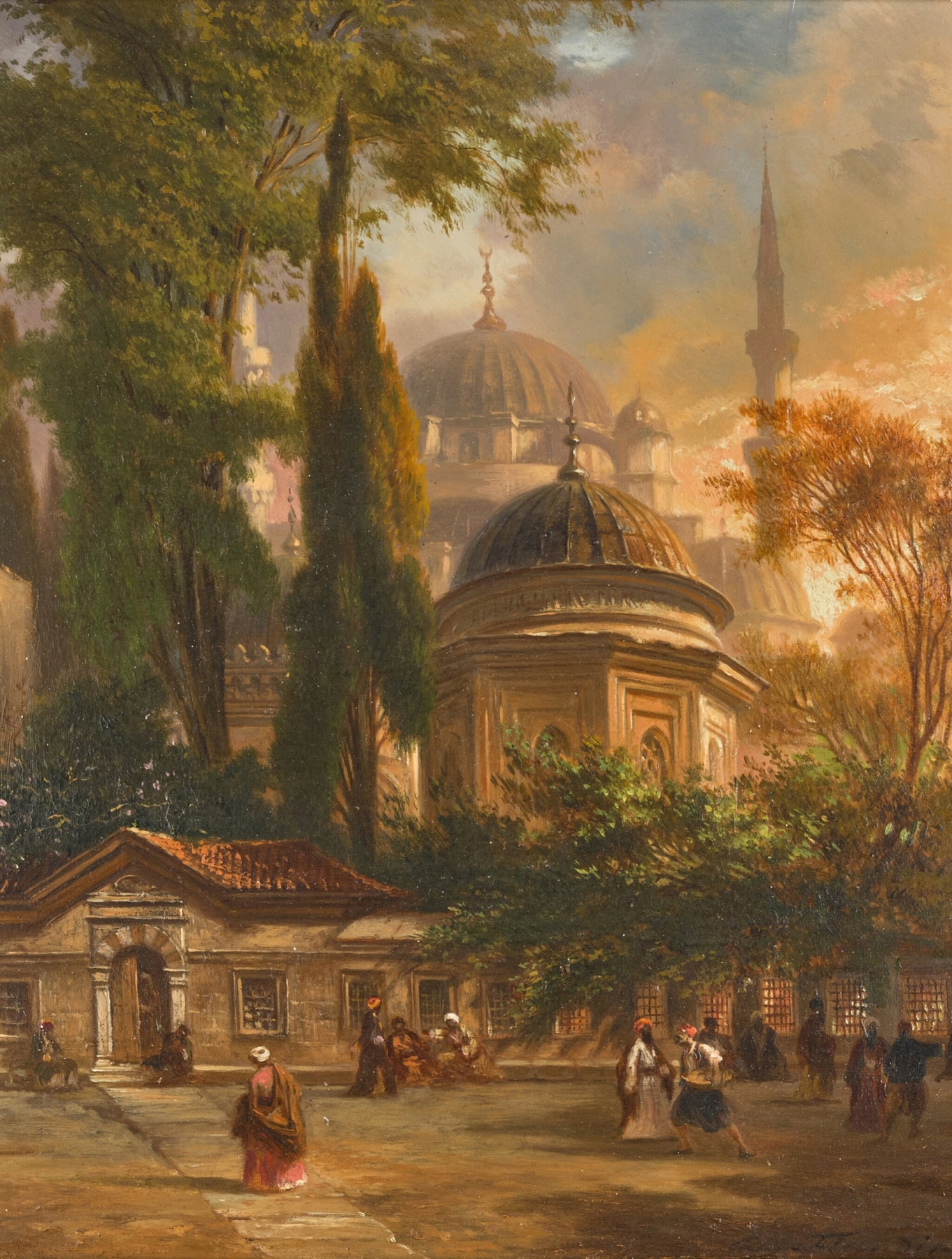
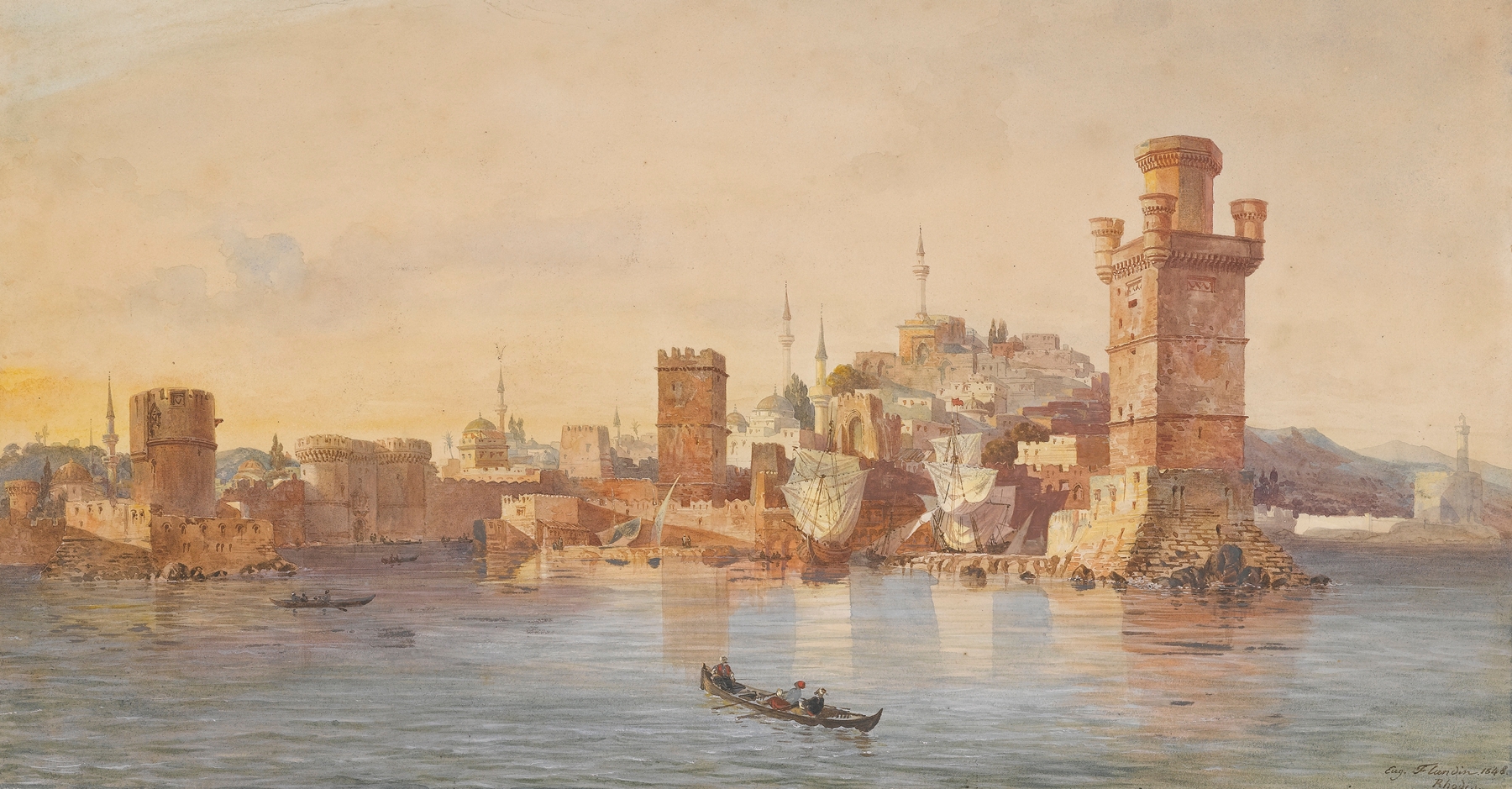
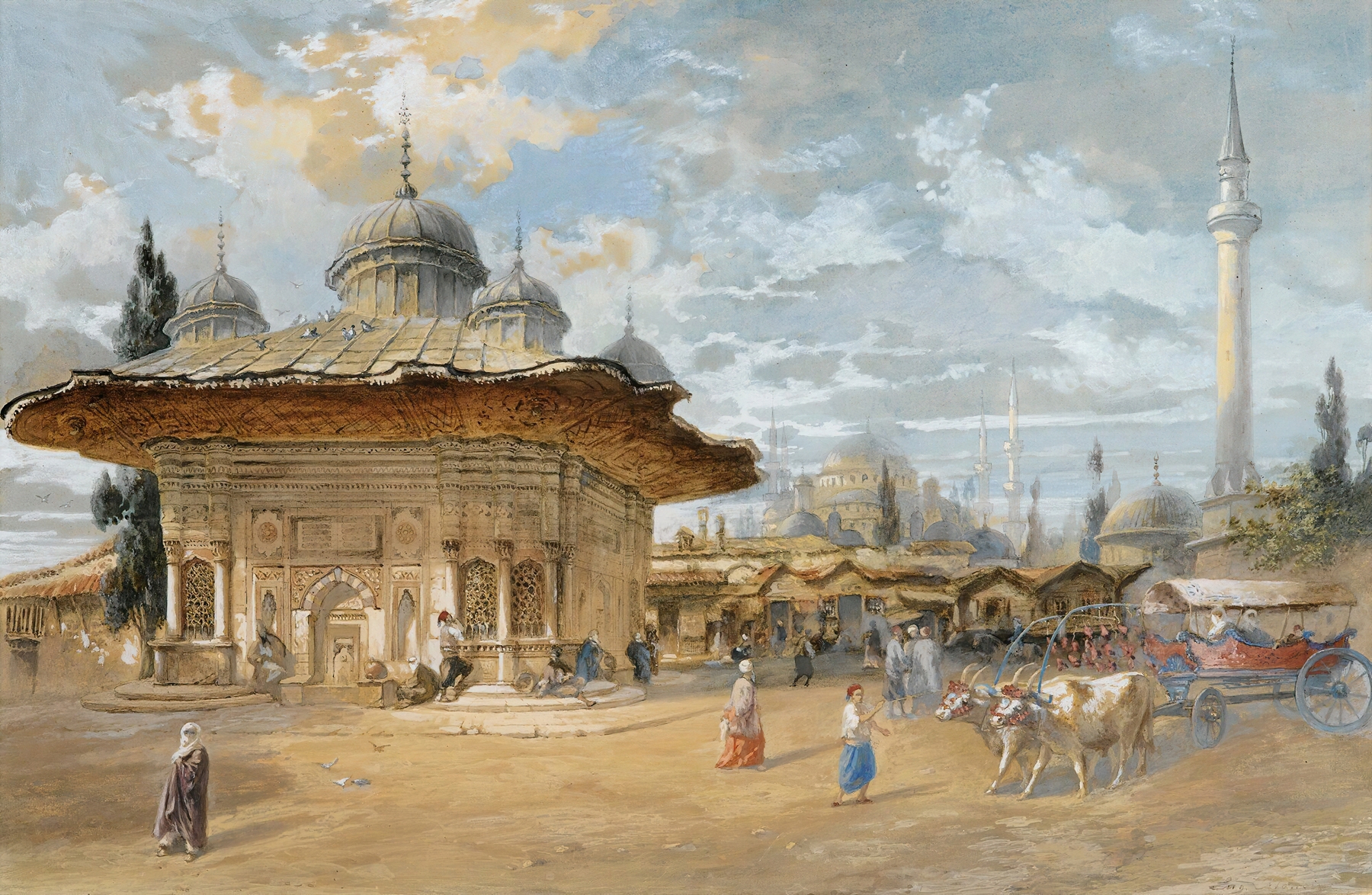
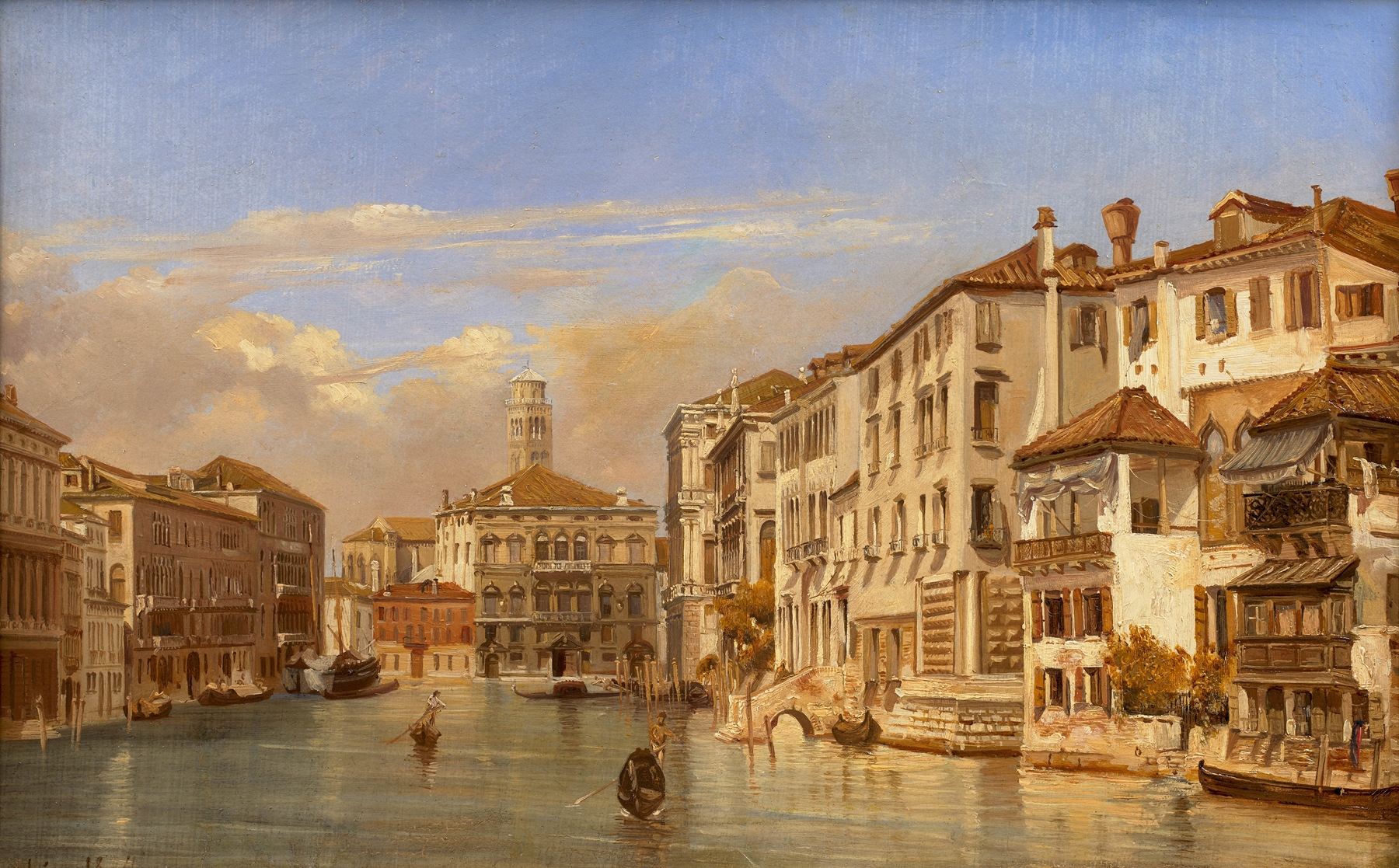
“Under the brush, chaos becomes grace.” In this captivating artwork, loneliness takes on a visual form, inviting contemplation of the human experience amidst nature’s vastness. Focus on the tranquil waters of the Bosphorus, where the gentle ripple suggests both serenity and isolation. Notice how the distant silhouette of Sultanahmet rises softly against the horizon, its minarets piercing the sky like whispers of a forgotten past. The color palette is a blend of muted blues and grays, evoking a sense of melancholic beauty, while the interplay of light creates shadows that dance along the water’s surface, emphasizing the transient nature of the scene.
As you delve deeper, consider the emotional dichotomy present in the painting. The boats floating aimlessly seem to echo a longing for connection yet are separated from the bustling city just beyond the water’s edge. The horizon—both inviting and isolating—raises the question of what lies beyond our immediate grasp, reflecting a universal sense of yearning. The delicate brushwork captures not only the physical landscape but also the nuanced solitude that accompanies it, suggesting the profound yet quiet struggle within the human spirit.
Eugène Flandin painted this work during the mid-19th century, a time when Europe was engulfed in cultural shifts and artistic exploration. Living in Istanbul for several years, he was influenced by the rich textures and colors of the East, yet he often felt the weight of solitude as an outsider in a vibrant city. This painting serves as a testament to that experience, an intersection of beauty and loneliness, inviting viewers to ponder their own places within the tapestry of life.