The Old Boat Bridge, Baghdad — History & Analysis
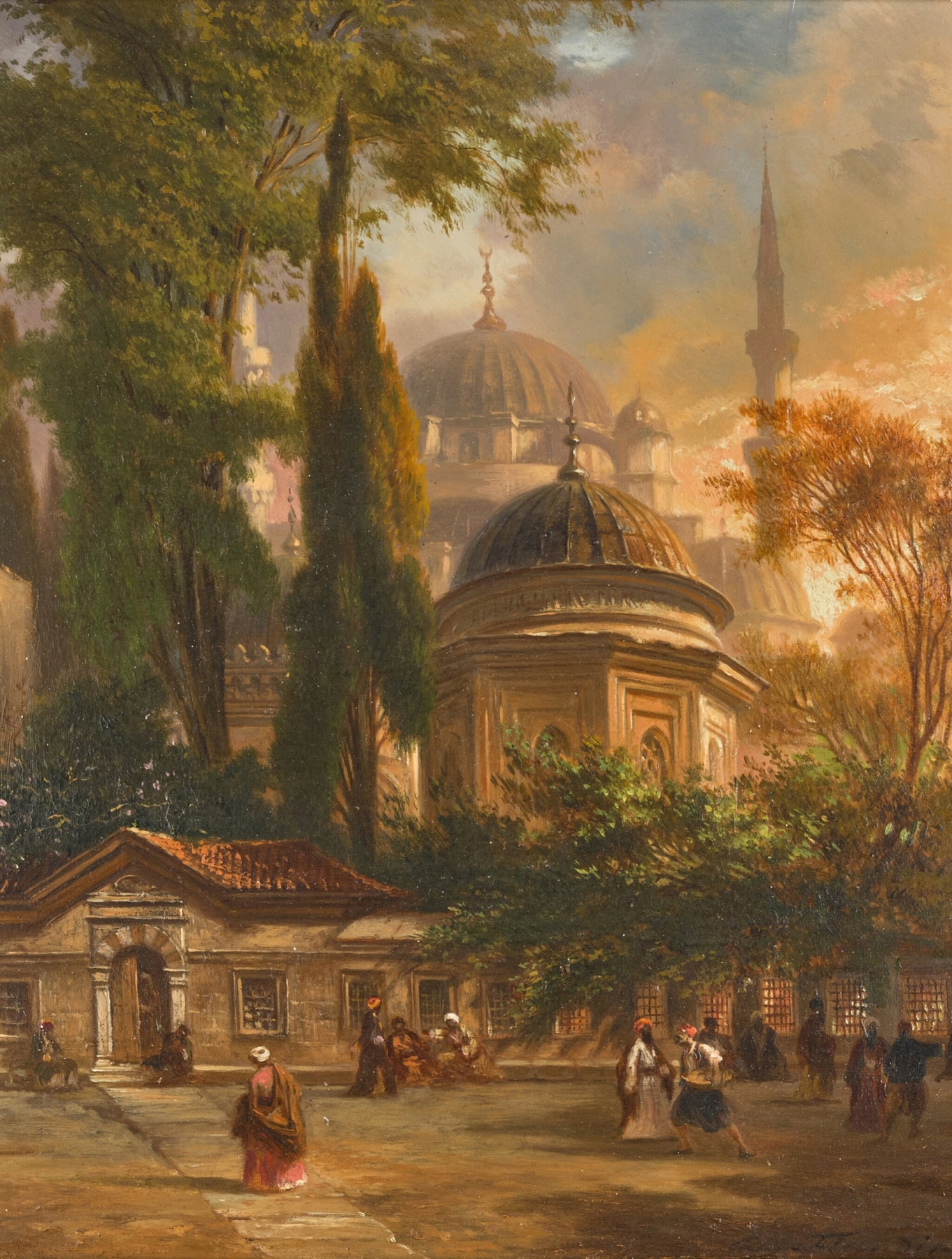
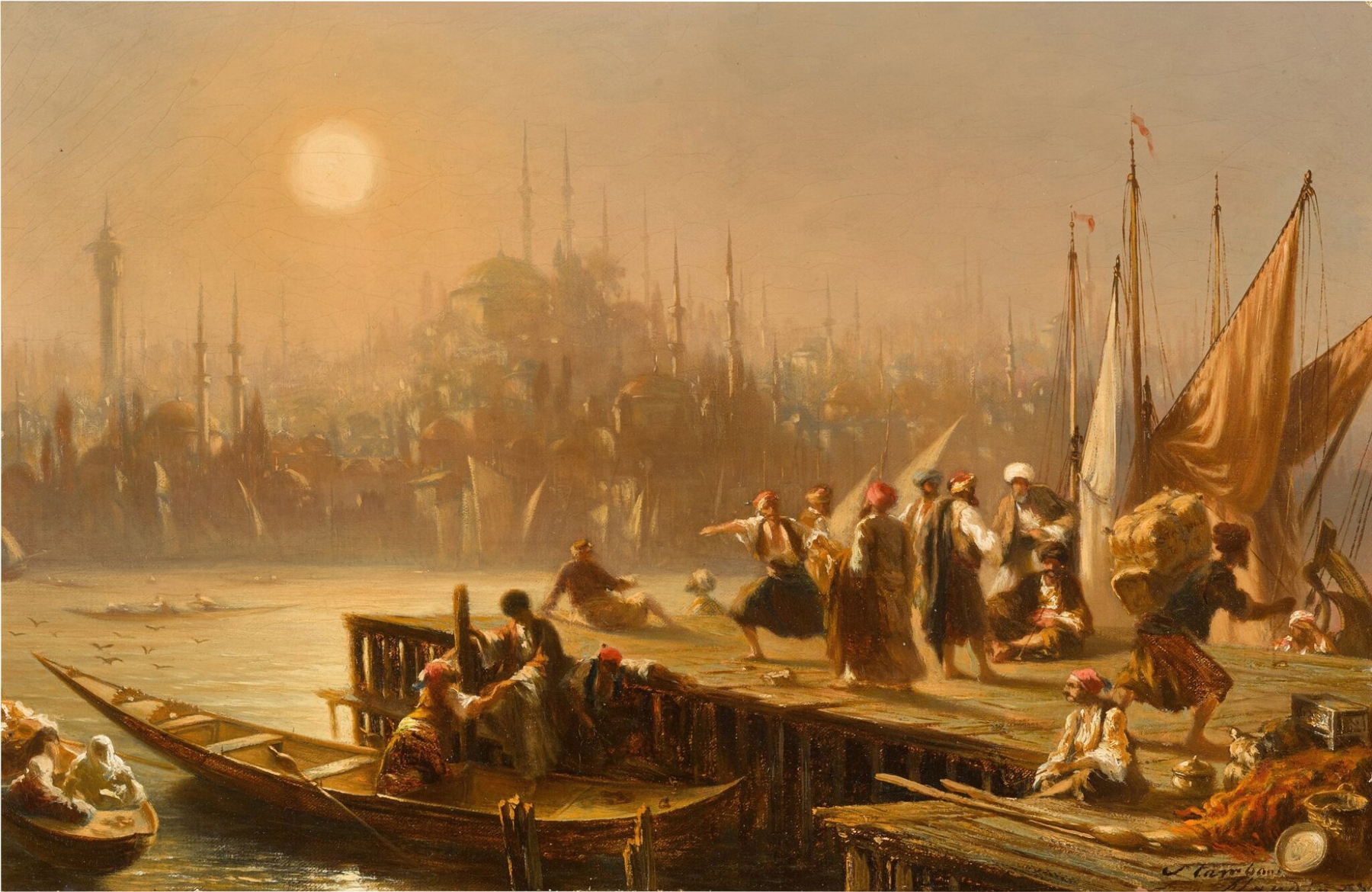
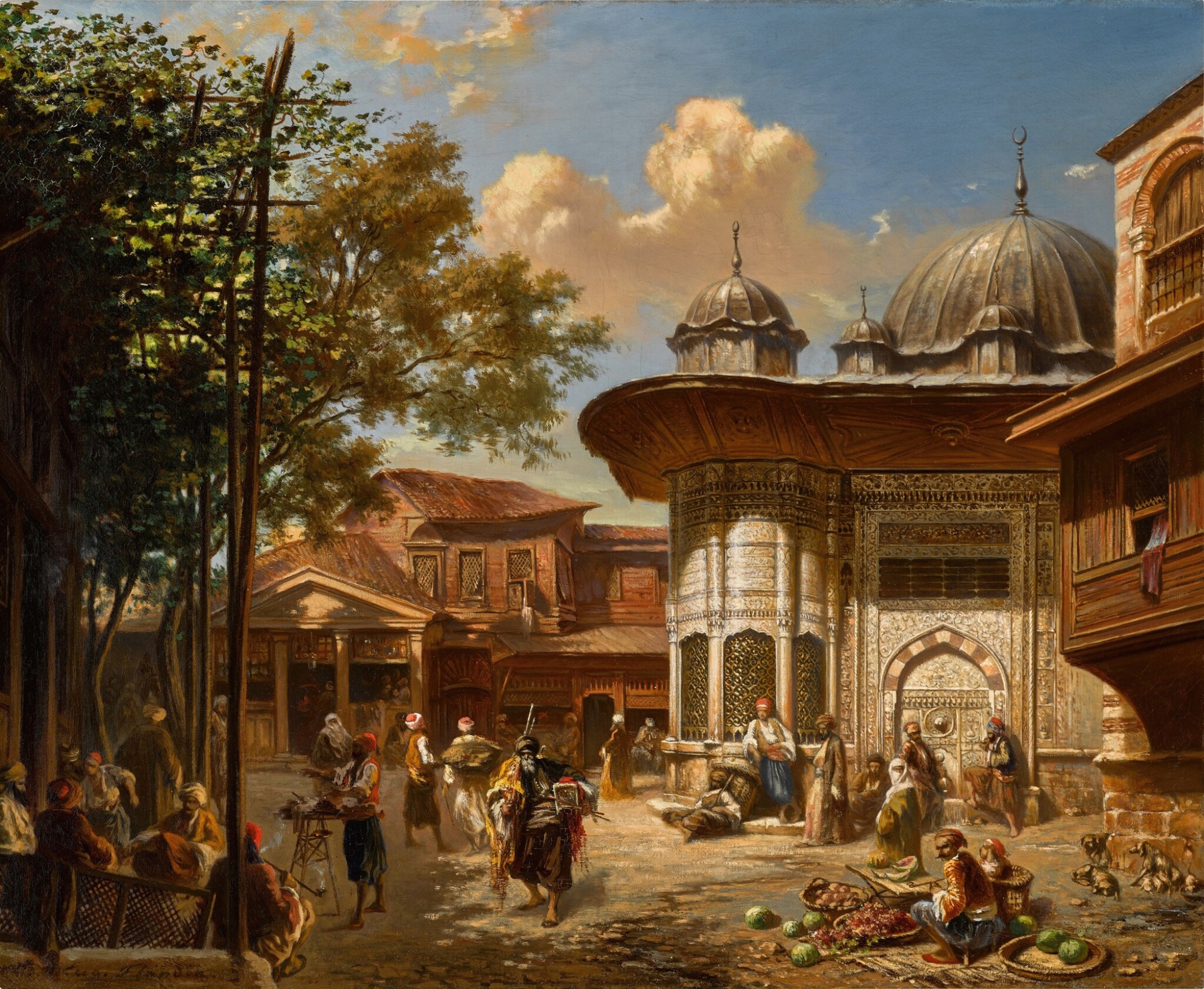
When did color learn to lie? In the world of art, hues often transcend their physical reality, weaving narratives of desire and longing beneath their vibrant surfaces. Focus on the delicate interplay of blues and ochres that breathe life into the scene. The crumbling structure of the bridge, bathed in a warm afternoon light, invites your gaze first to its weathered beams, where time seems to whisper secrets of passage and abandonment.
Notice how the artist employs loose brushwork, creating a dreamlike quality that softens the edges of reality and evokes nostalgia for what once was. The calm waters below reflect this color palette, acting as a mirror to the emotions entwined within the very fabric of the landscape. Within this artwork lies a poignant contrast between the sturdy, yet eroding bridge and the tranquil water, representing the transient nature of life and human endeavor. The bridge stands as a testament to past connections and shared journeys, while its degradation hints at the inevitable decay of time.
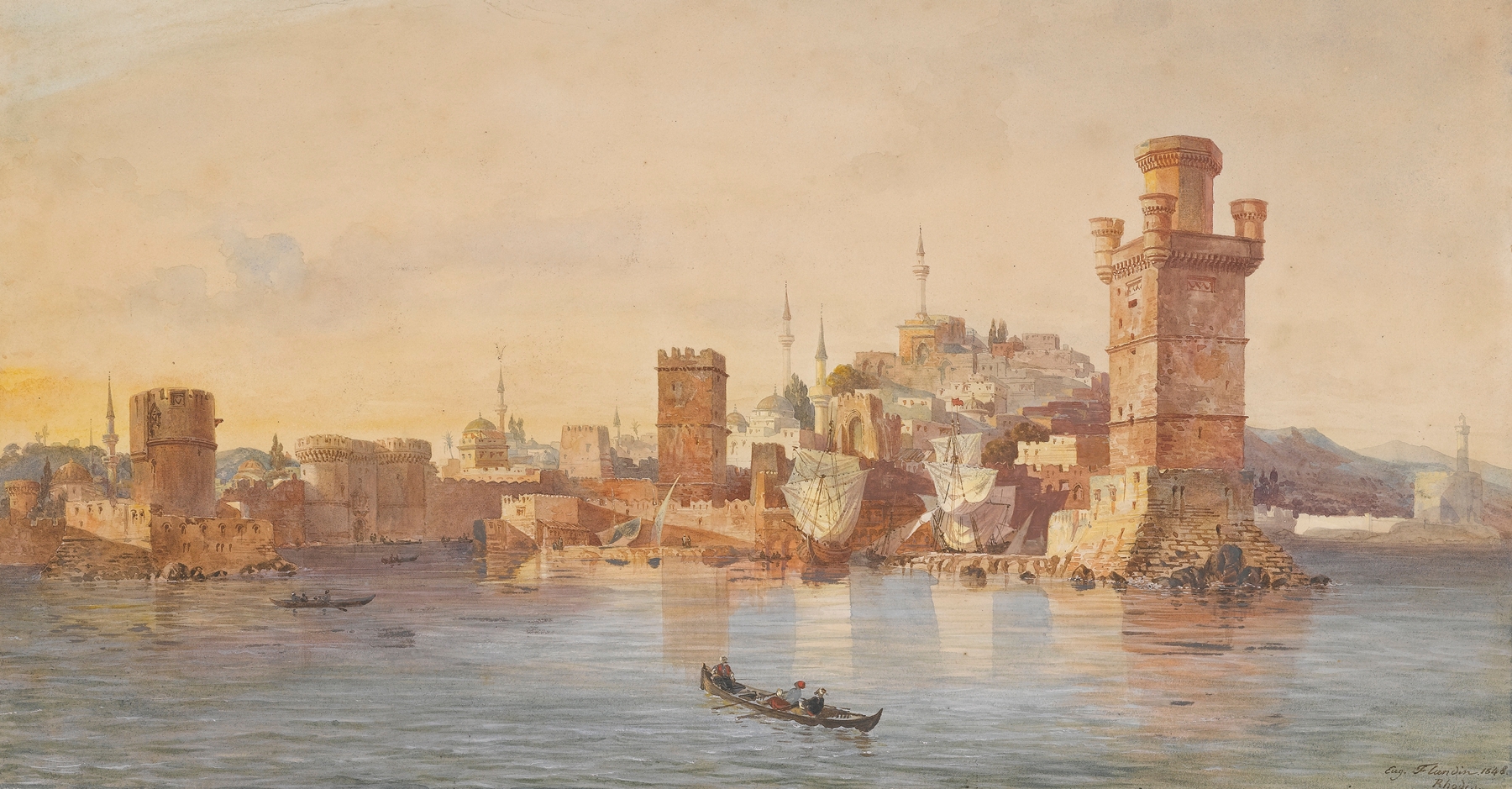
Each brushstroke captures not just the physicality of the scene, but also a yearning for connection, evoking a sense of loss intertwined with the beauty of memory. Created in 1841, the artist found inspiration in Baghdad during a time of political and social transformation in the region. Eugène Flandin was deeply influenced by the rich cultures he encountered and sought to capture the essence of the landscapes and their histories. This piece emerges from a period when Western artists were beginning to explore the East, each brushstroke carrying the weight of discovery and the complexities of desire, both for the land and for the stories it held.