On the Clyde, 1917-1918; The Tuscania at Glasgow — History & Analysis
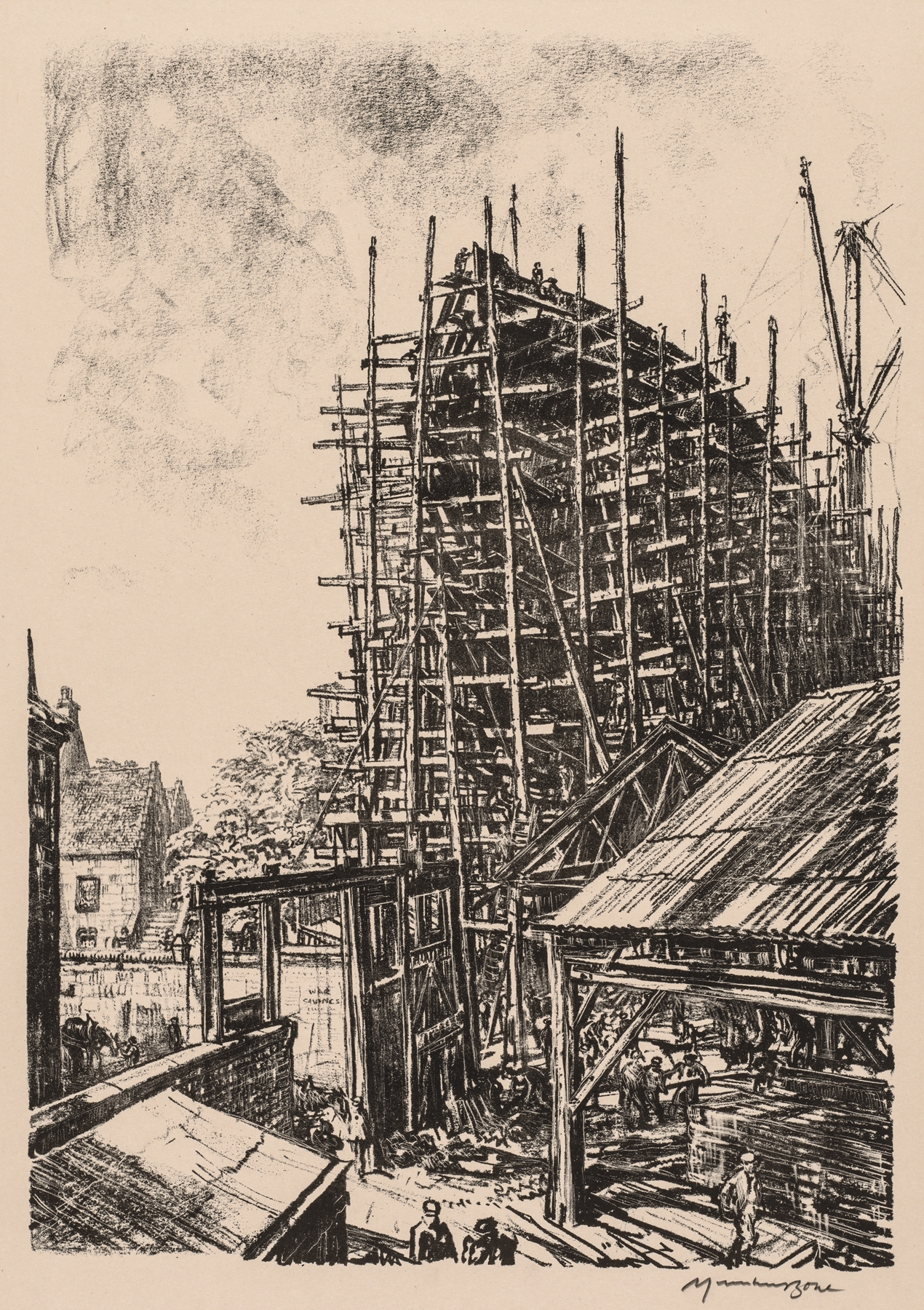
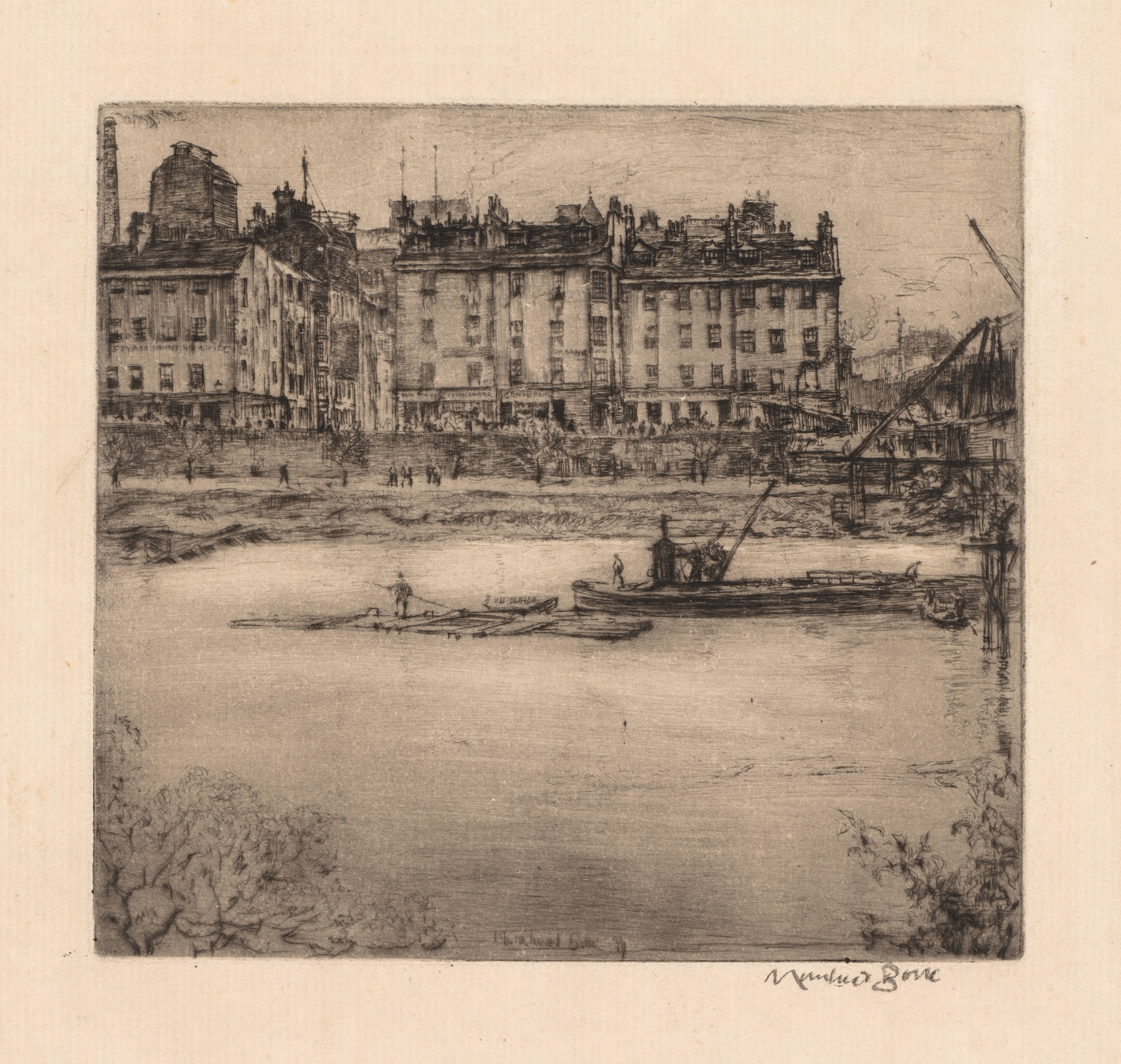
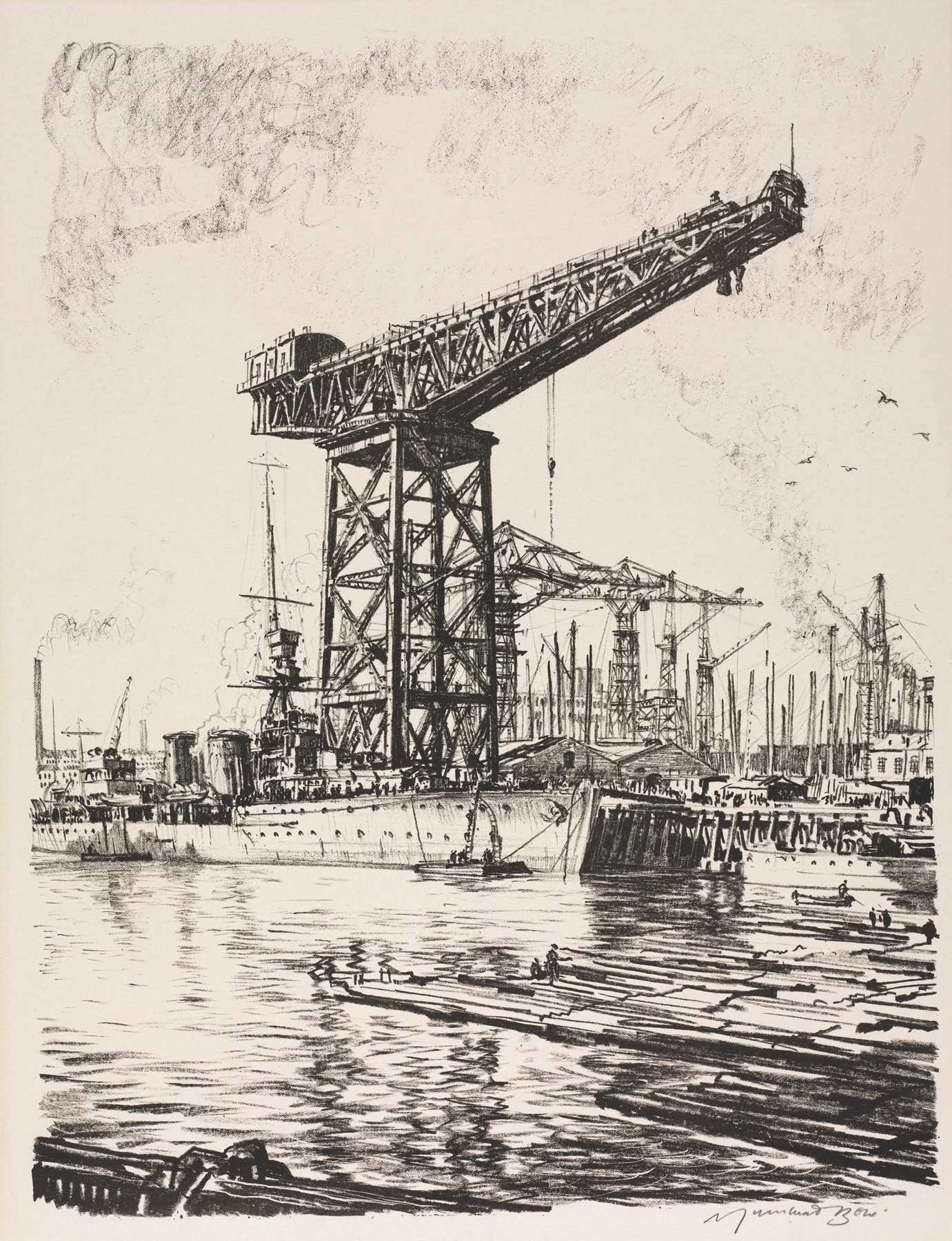
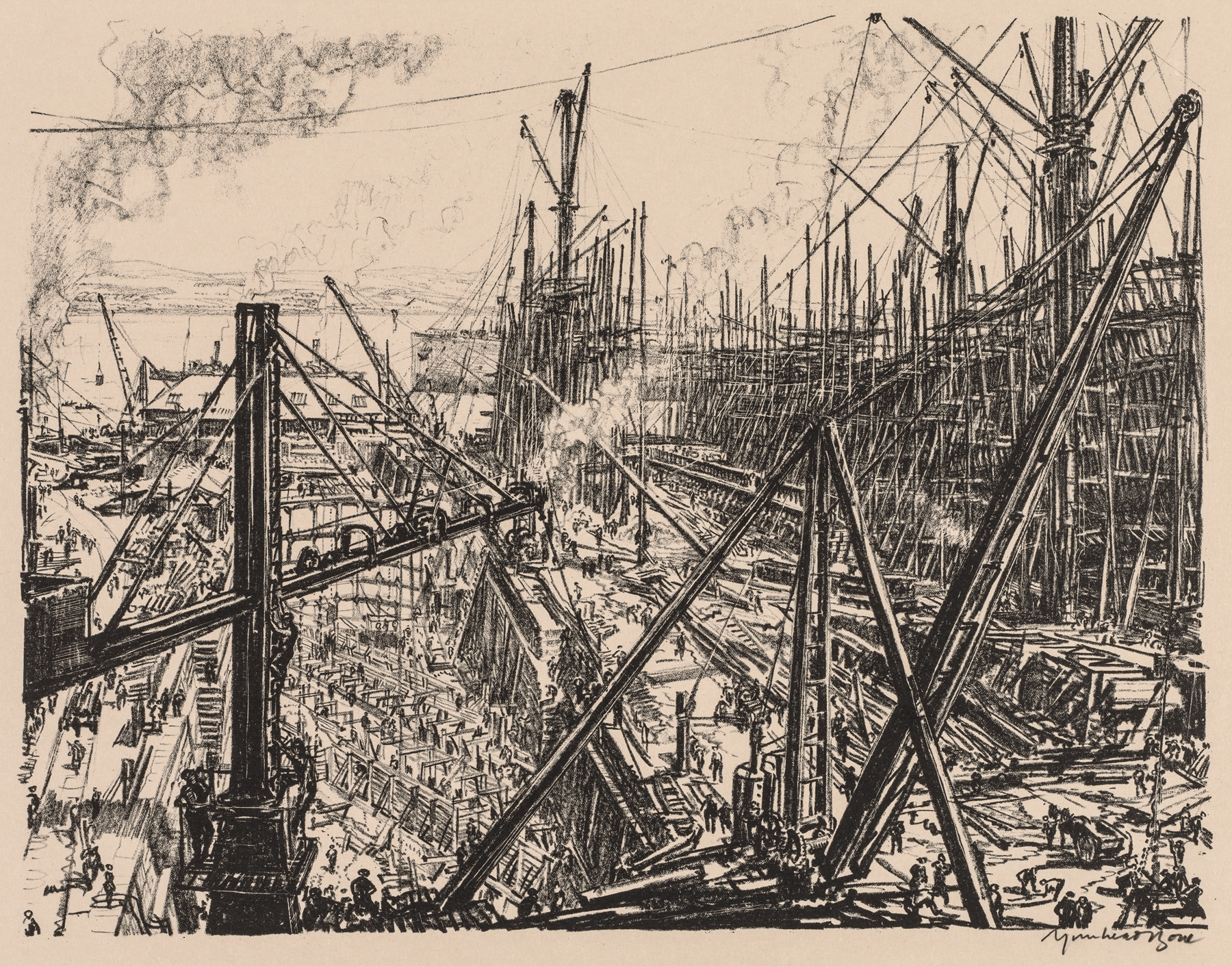
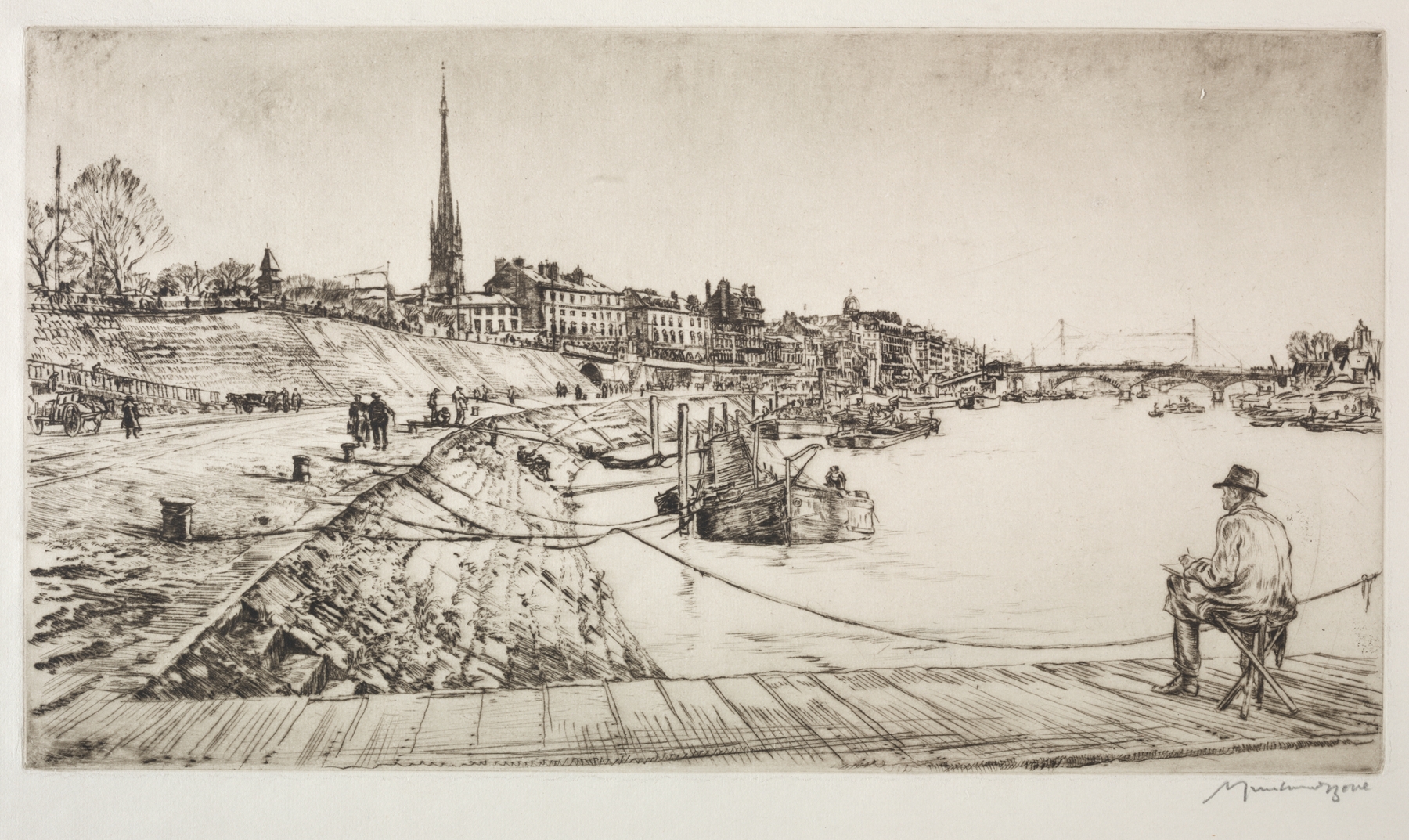
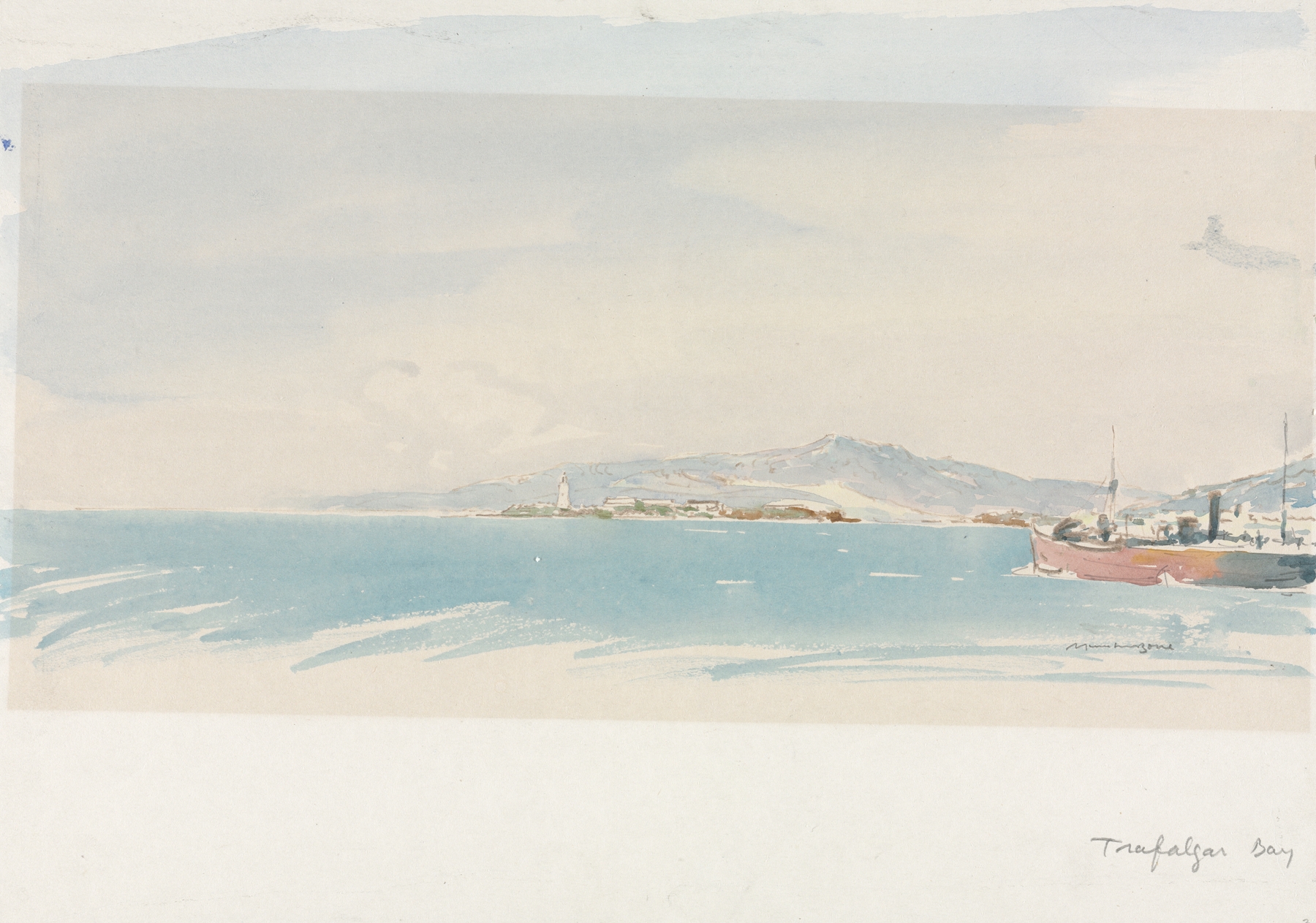
“Under the brush, chaos becomes grace.” In the hands of a master, tumultuous moments transform into stunning beauty that resonates through time. Each stroke captures not just the scene but the very essence of existence amidst turmoil, revealing layers of meaning that invite deep contemplation. Look to the foreground, where the ship, Tuscania, stands prominently against the harbor. Its stoic presence is contrasted by the whirling energy of the surrounding activity, painted with bold strokes that suggest movement.
Notice how the light dances across the water, creating shimmering reflections that mirror the chaos of the moment. The palette of muted grays and earthy tones is punctuated by bursts of color, drawing your eye and evoking a sense of urgency amid the tranquility that the vessel represents. Delve deeper into the painting’s heart, where contrasts abound: the solid, unwavering ship against the ephemeral play of light and shadow, signifying stability in a world forever altered by war. The figures scattered throughout the scene embody a myriad of emotions—anticipation, resignation, and hope—each quietly contributing to the narrative of a time steeped in uncertainty.
The juxtaposition of the industrial landscape with the human element emphasizes both the monumental and the intimate, reminding us of the shared experiences that shape our collective memory. Created between 1917 and 1918, this work emerged during a period of intense personal and global upheaval for Muirhead Bone. Living in Britain amidst the devastation of World War I, he was deeply influenced by the scenes of resilience and determination he encountered. As a pioneering war artist, he sought to document the profound effects of conflict, capturing both the grace and the grit of humanity against the backdrop of history.