Orchard — History & Analysis
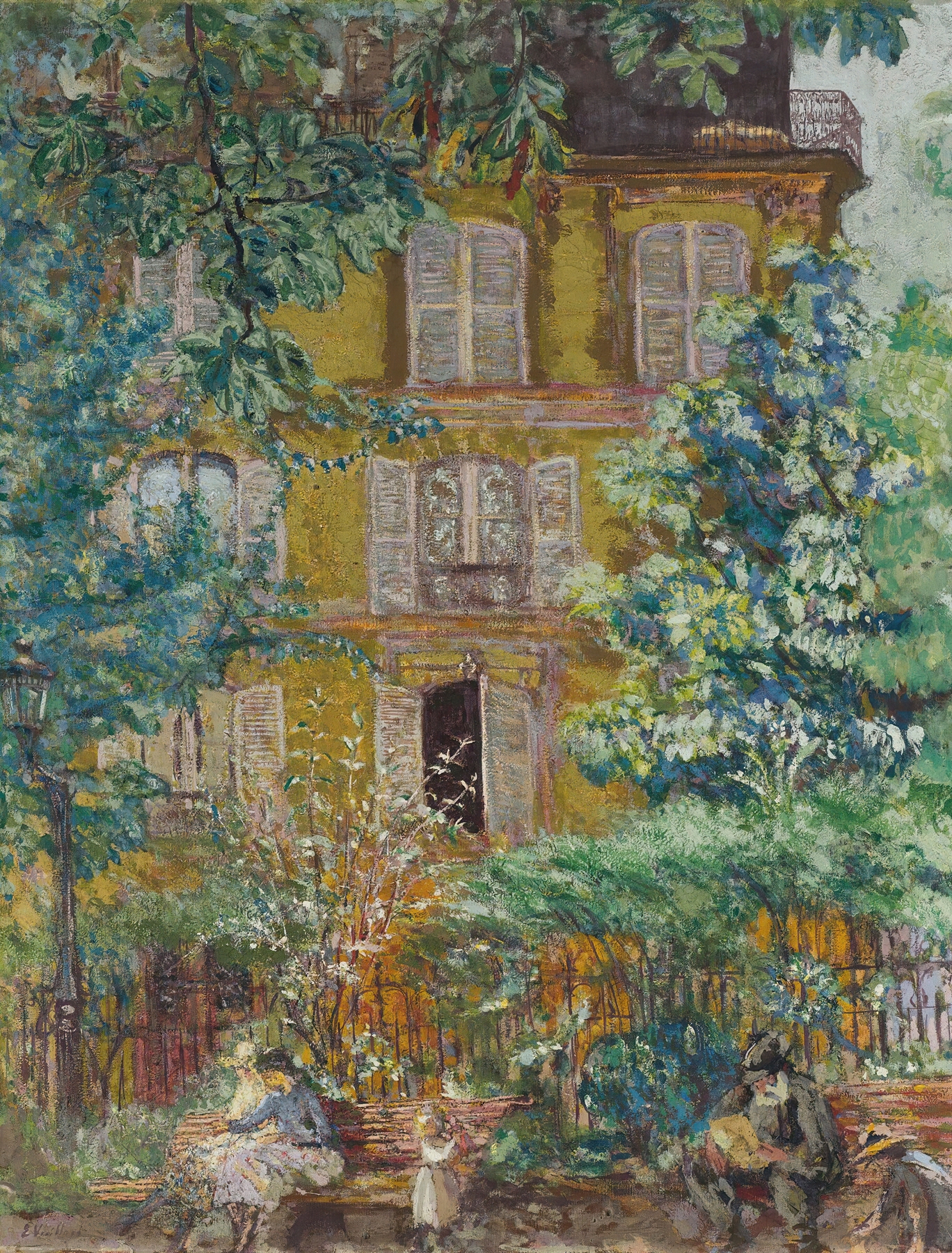
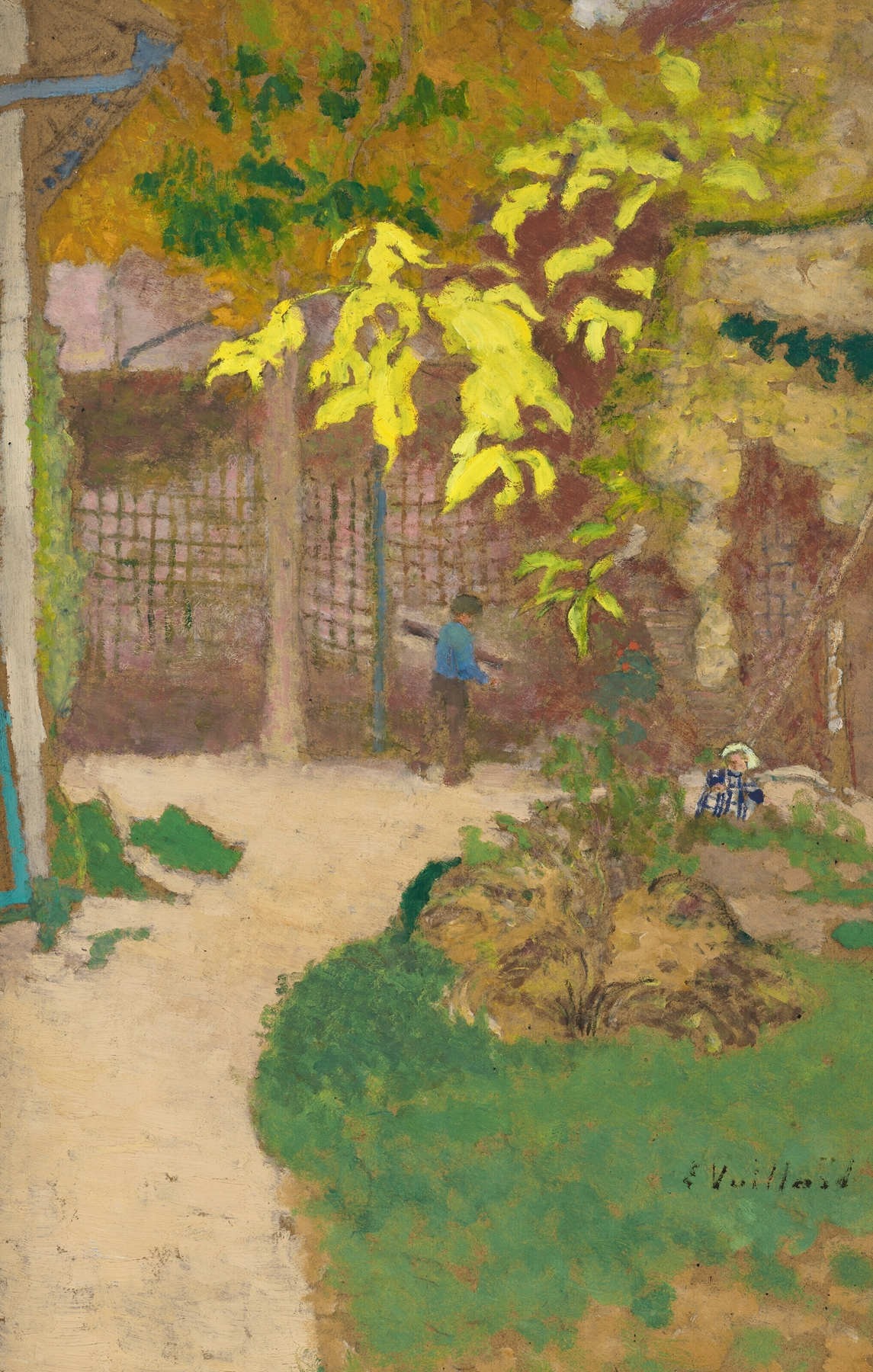
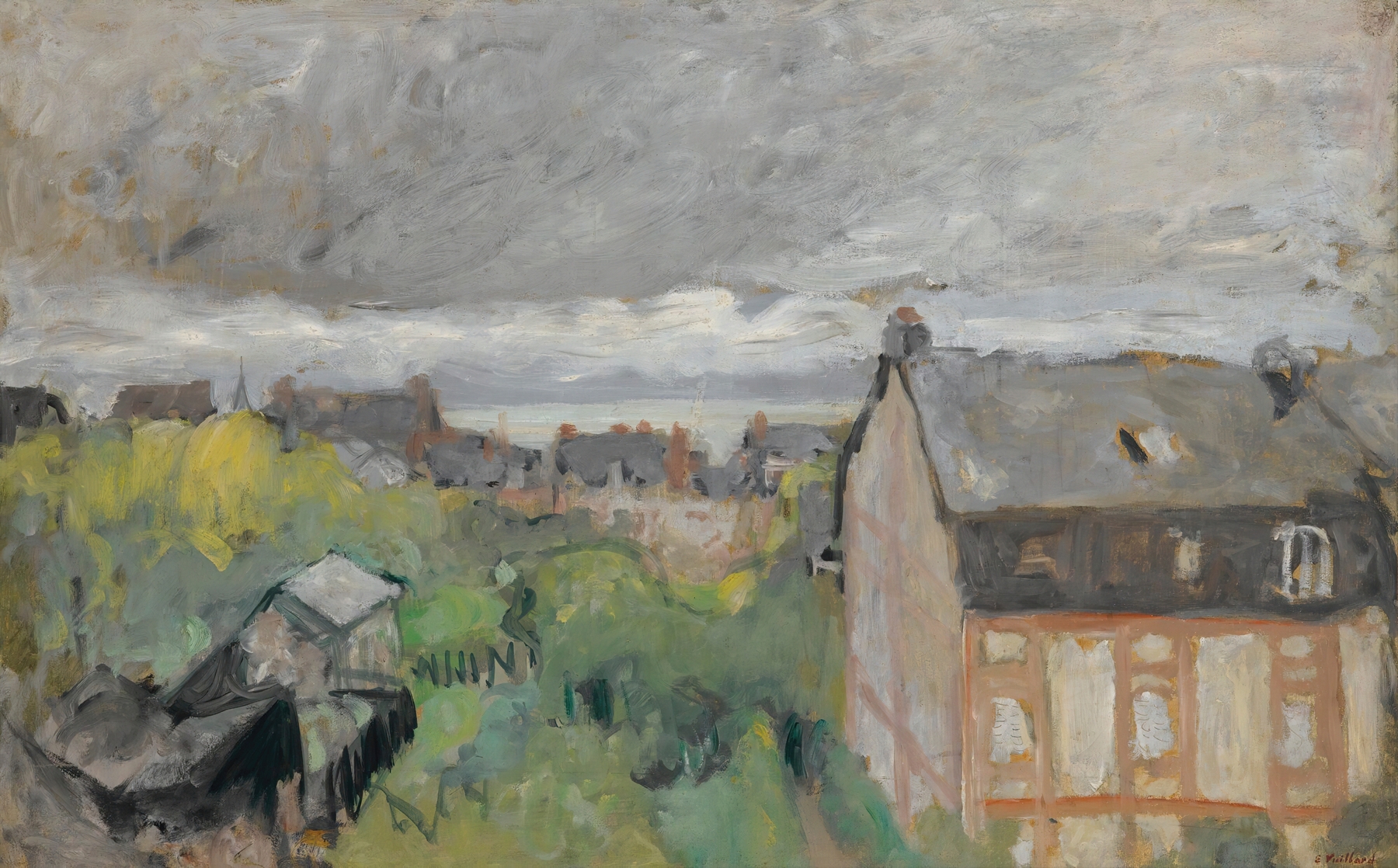
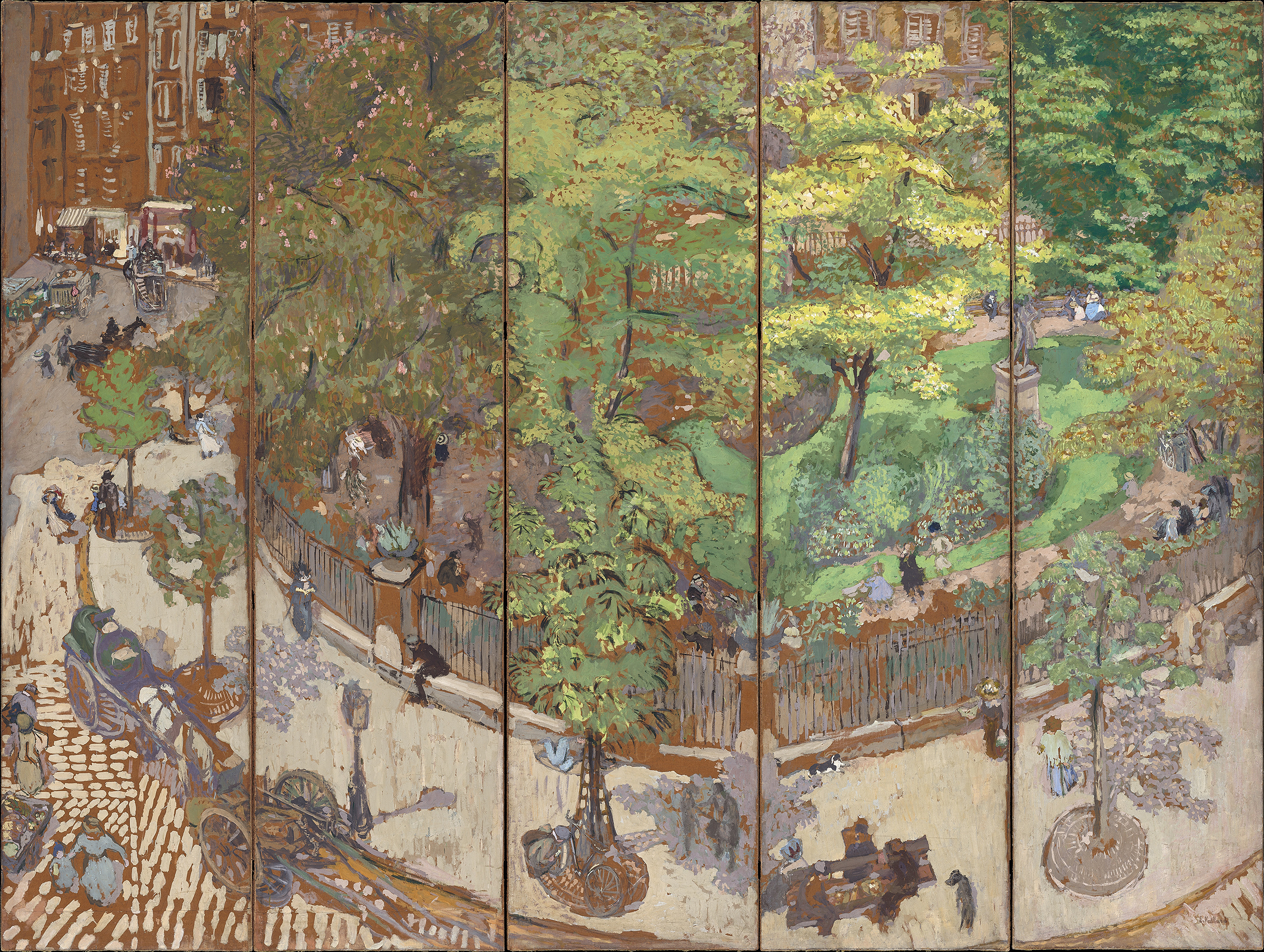
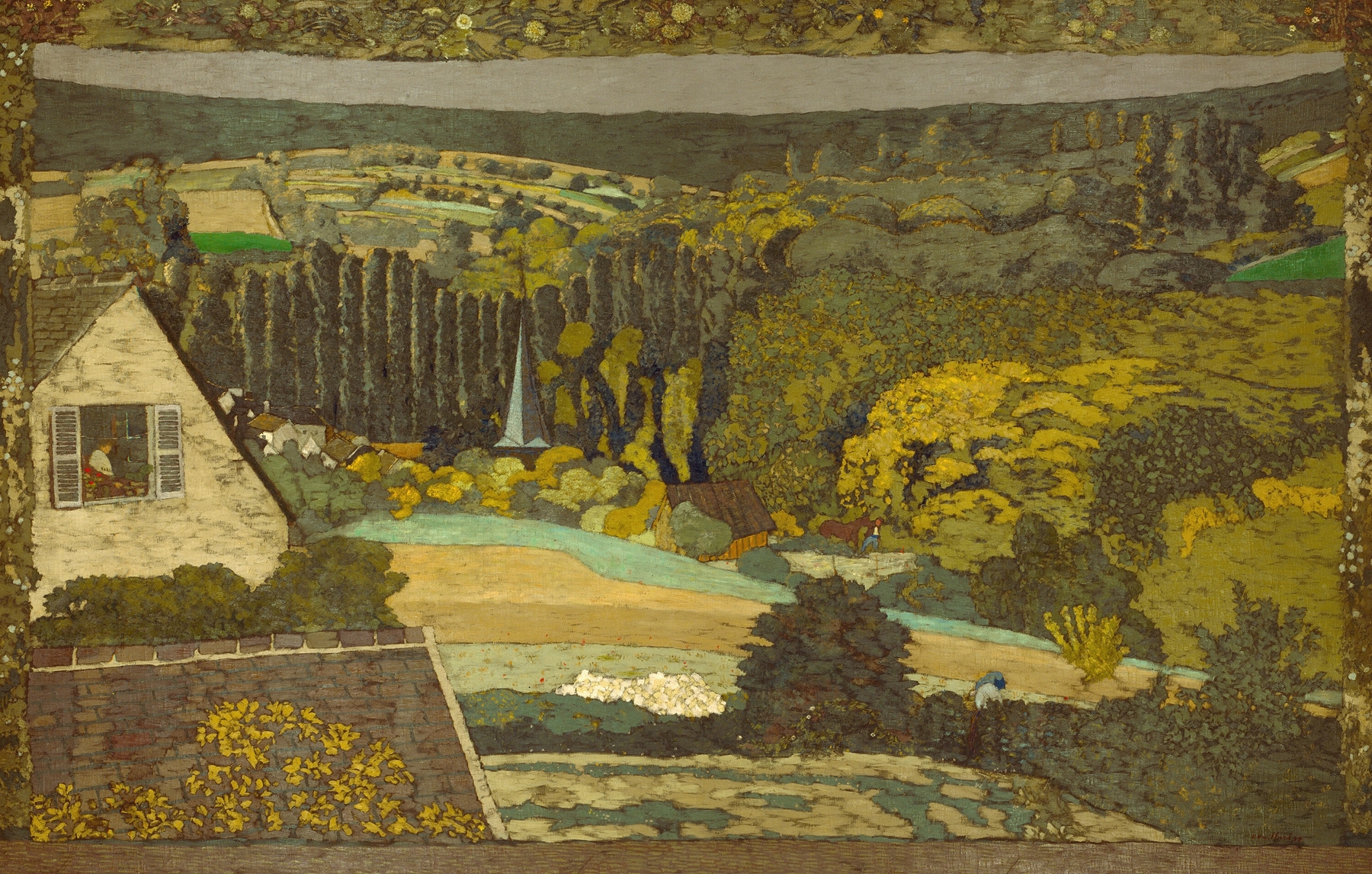
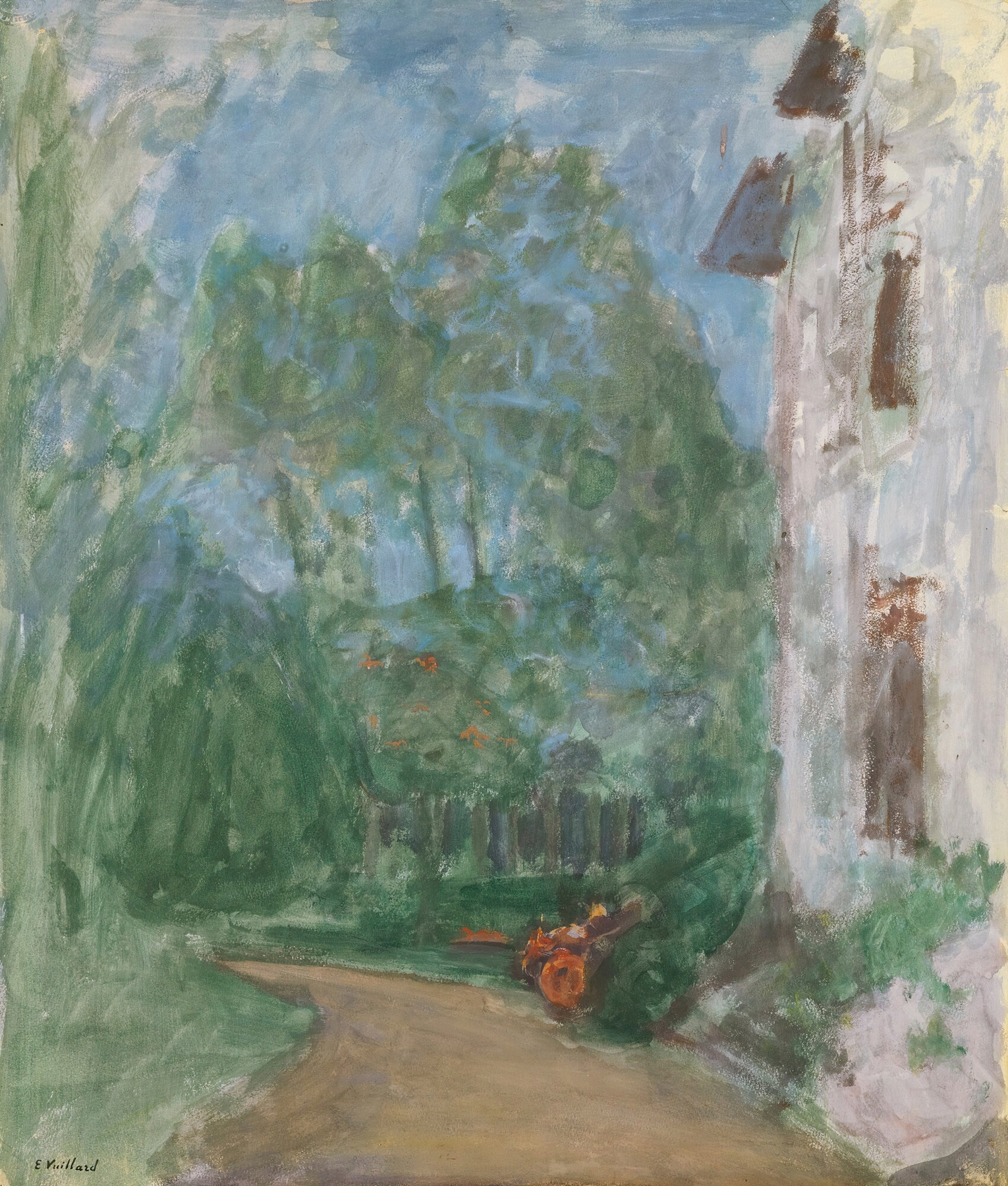
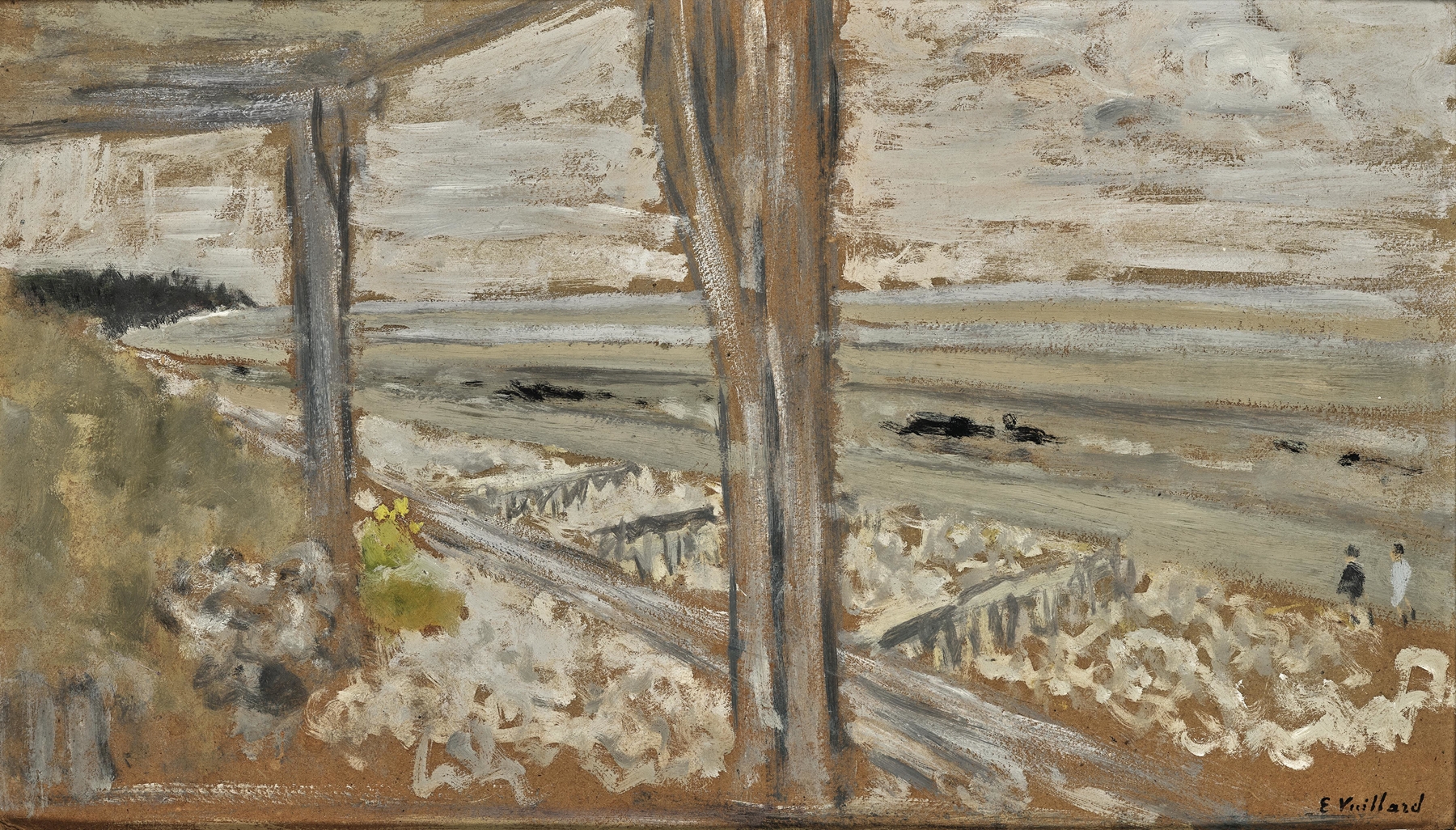
“Under the brush, chaos becomes grace.” In the delicate strokes of Édouard Vuillard, art transcends the mundane, inviting viewers to lose themselves in a world where nature whispers secrets and colors unite in harmony. Look to the center of the canvas where an array of blossoming trees bursts forth in an explosion of greens and soft pinks. The gentle light filters through the leaves, casting dappled patterns on the ground, where the textures are meticulously rendered, each brushstroke a testament to the artist's devotion to detail. Notice how the interplay of light and shadow creates a rhythm that draws the eye deeper into the scene, evoking an atmosphere of serenity and quiet reflection.
As you explore further, the composition reveals a poignant dialogue between presence and absence. The lush foliage seems to envelop the viewer, yet there’s a sense of solitude in the absence of human figures. This emptiness amplifies the emotional weight of the orchard, suggesting a longing for connection to nature or perhaps a meditation on the transitory beauty of life itself. Each tree stands not merely as a subject but as an emblem of resilience, reflecting the fleeting nature of joy and the profound stillness that follows.
In 1897, during a period marked by vibrant experimentation in the art world, Vuillard painted this piece amidst the rise of the Nabis movement in France. His focus on intimate domestic scenes and the integration of decorative elements heralded a new chapter in modern art. He was deeply influenced by the Symbolist movement, seeking to express a deeper emotional resonance through color and texture, paving the way for the modern sensibilities that would follow.