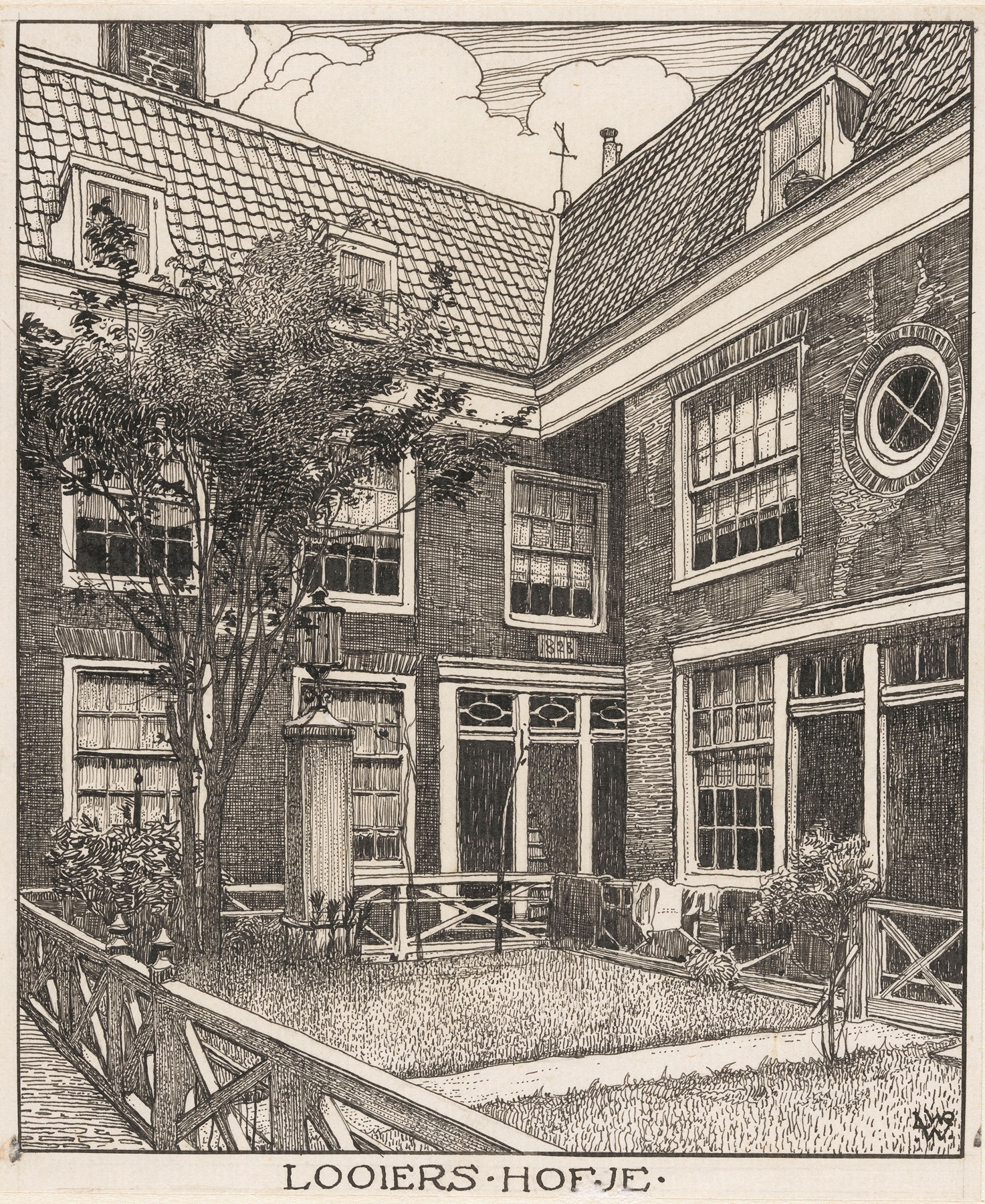
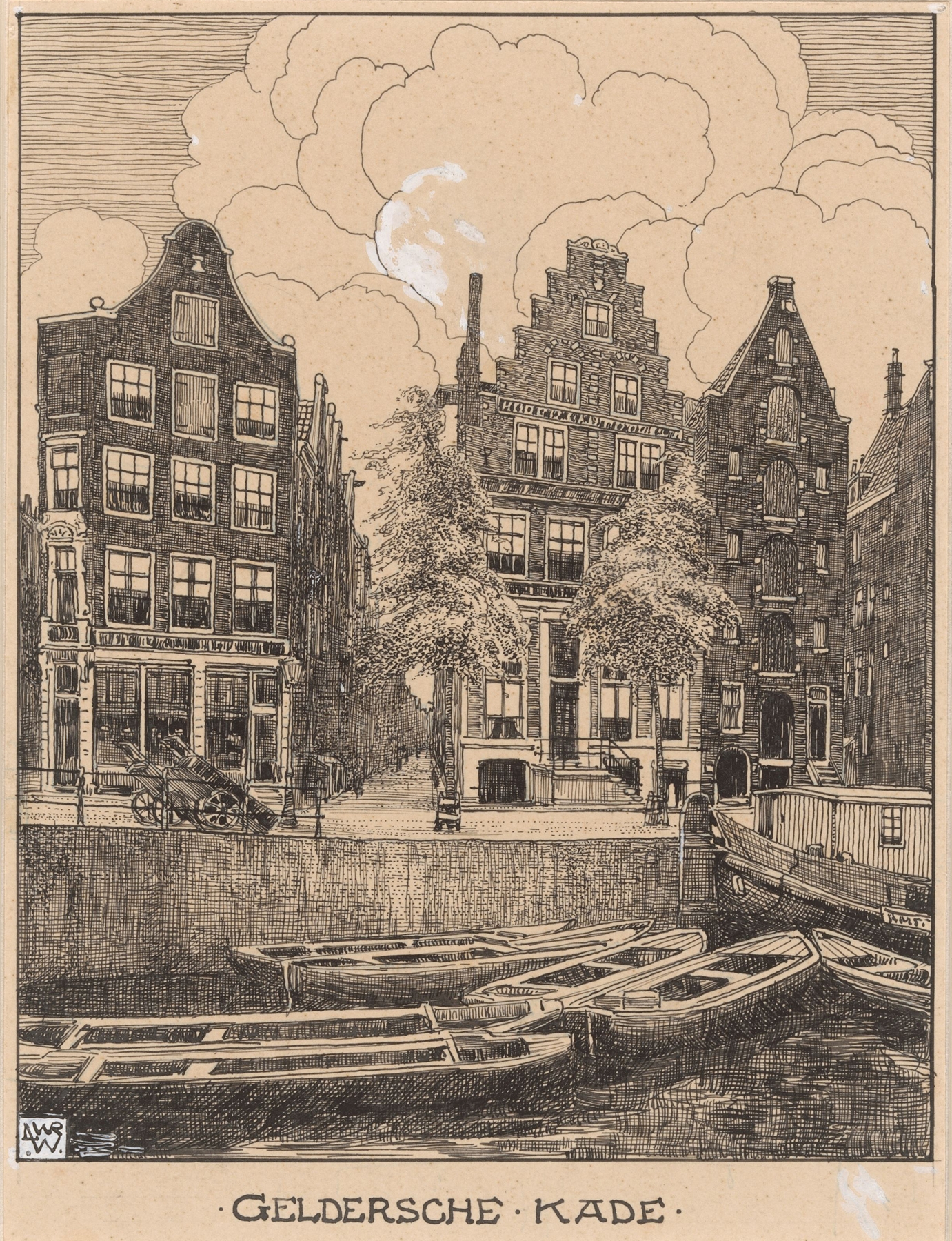
Oude huisjes aan de Egelantiersgracht te Amsterdam — History & Analysis
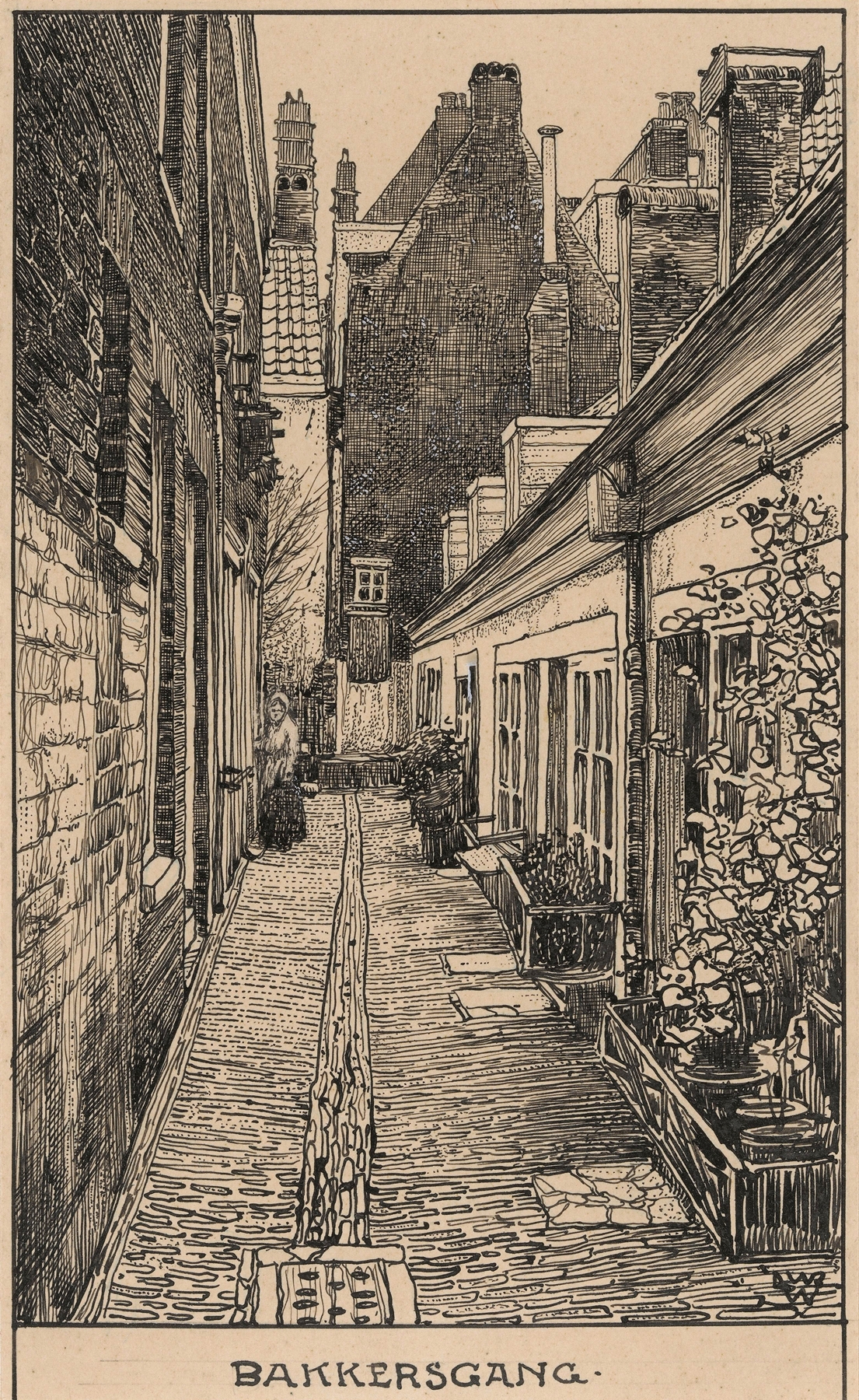
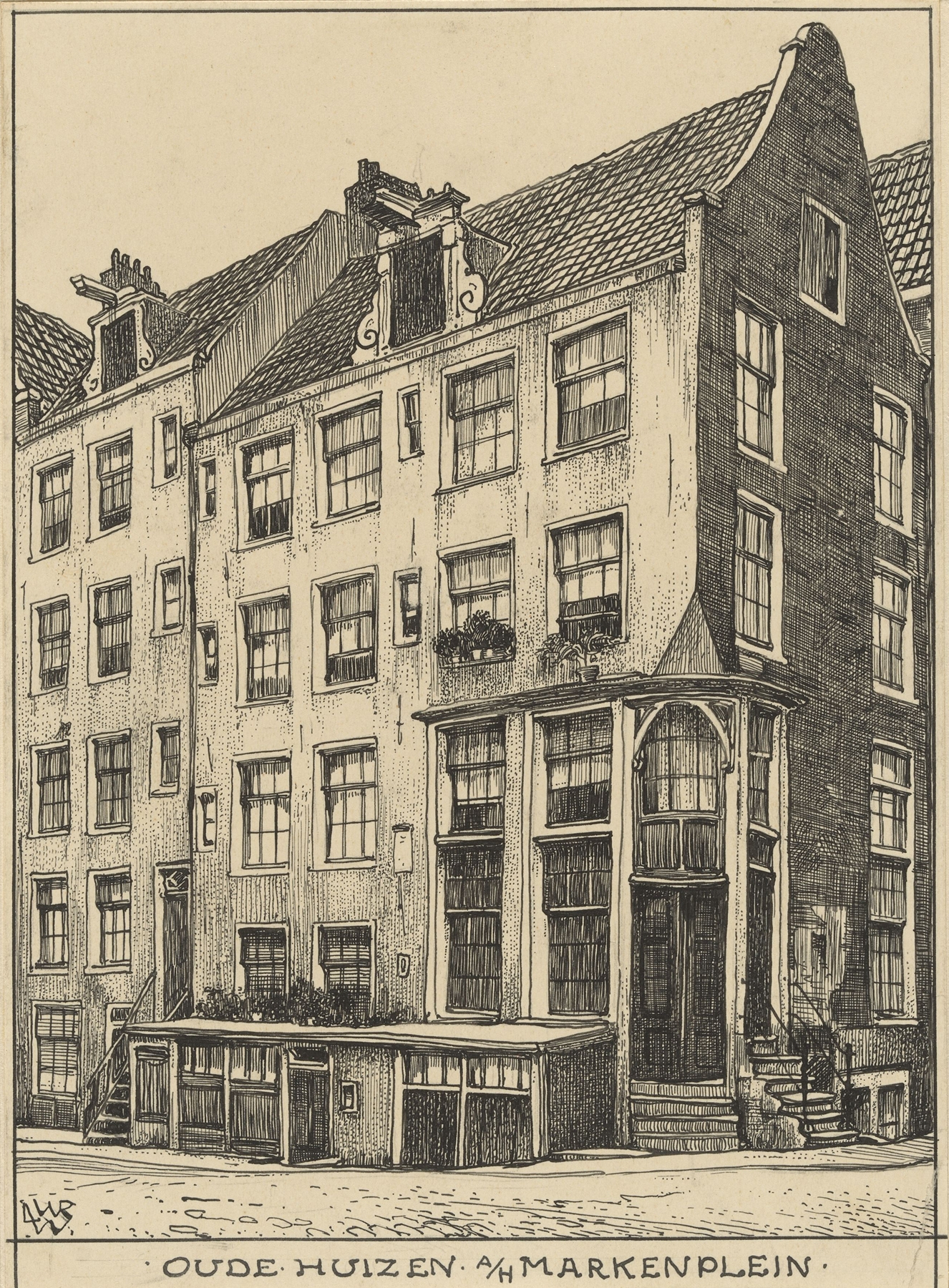
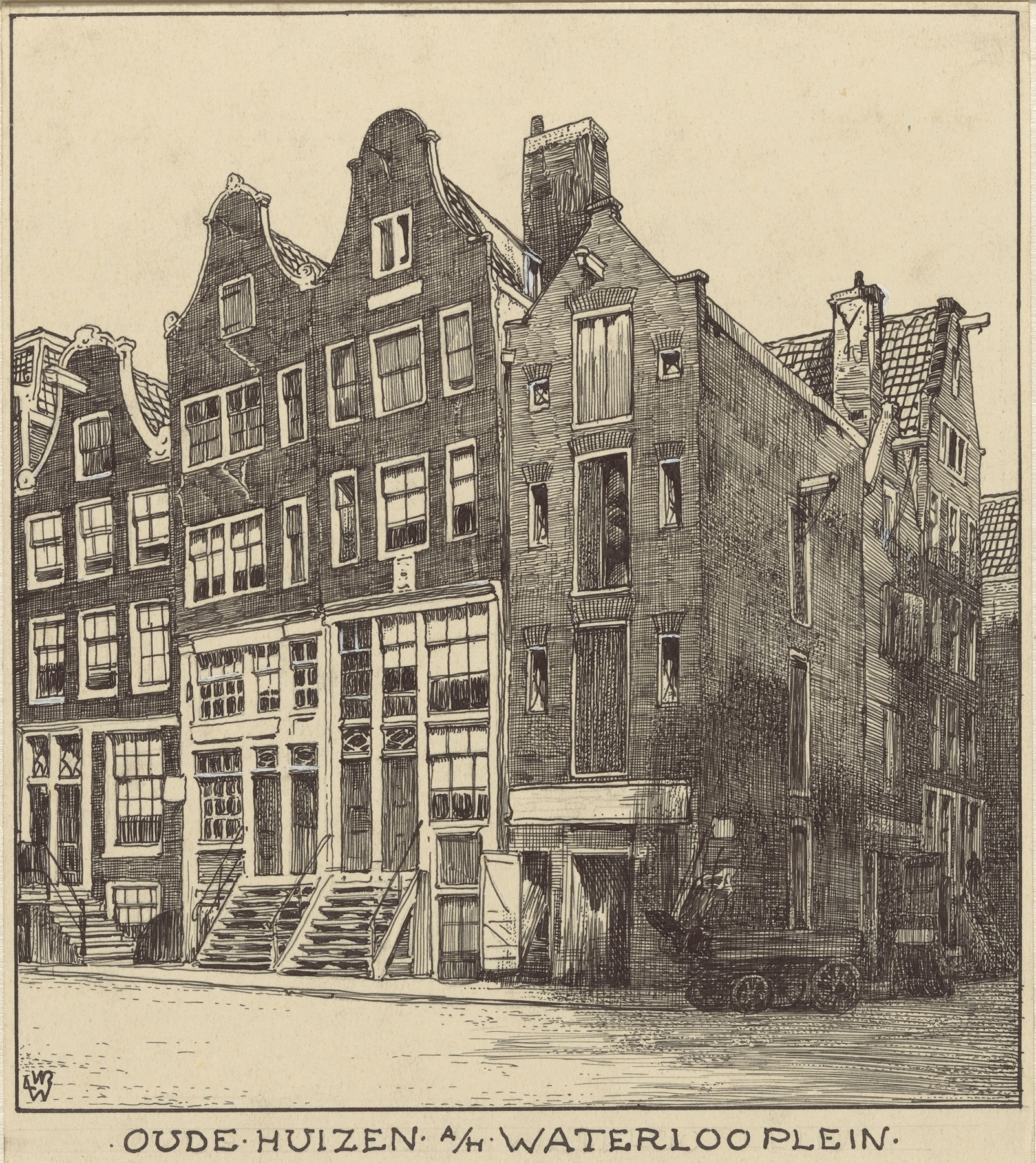
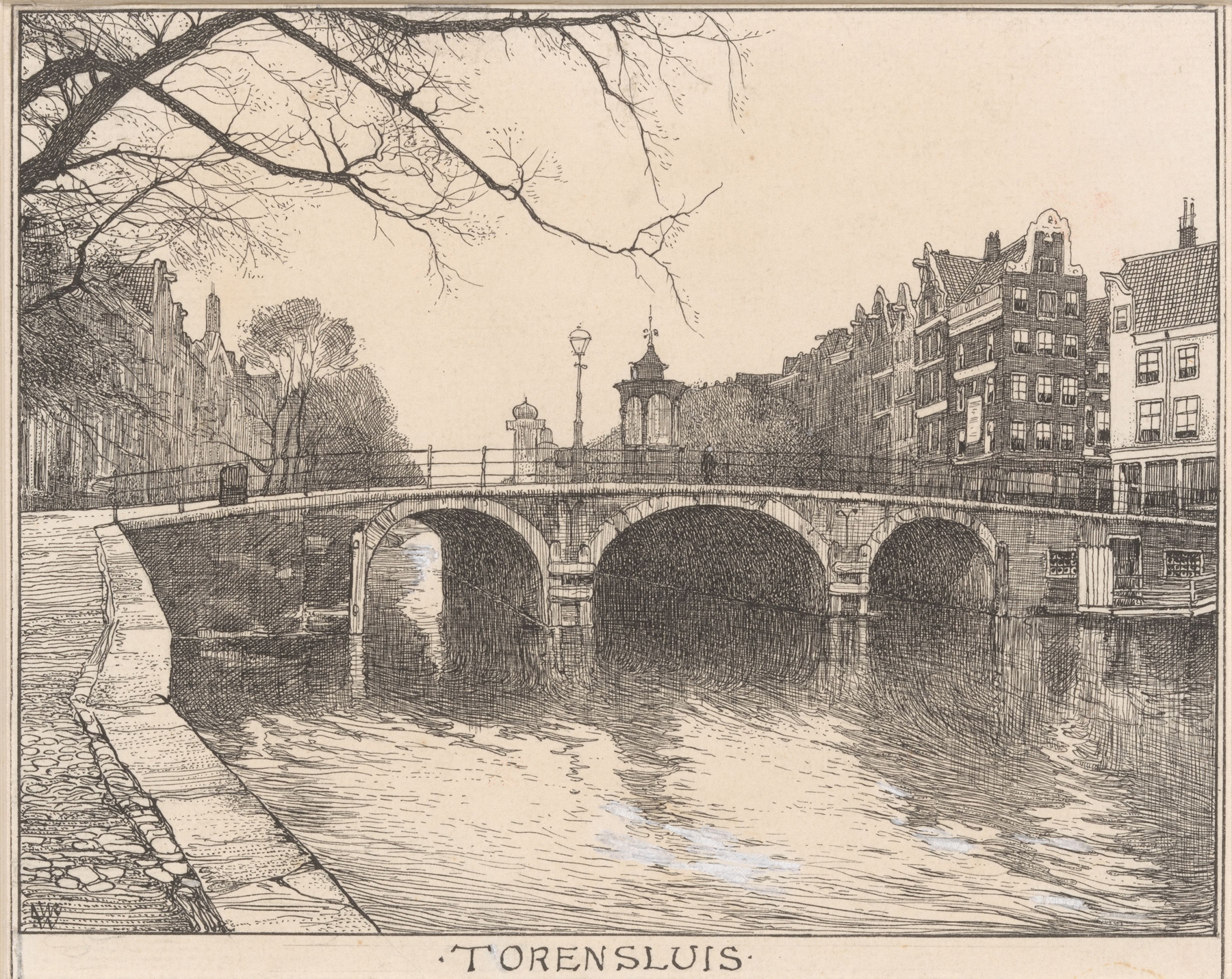
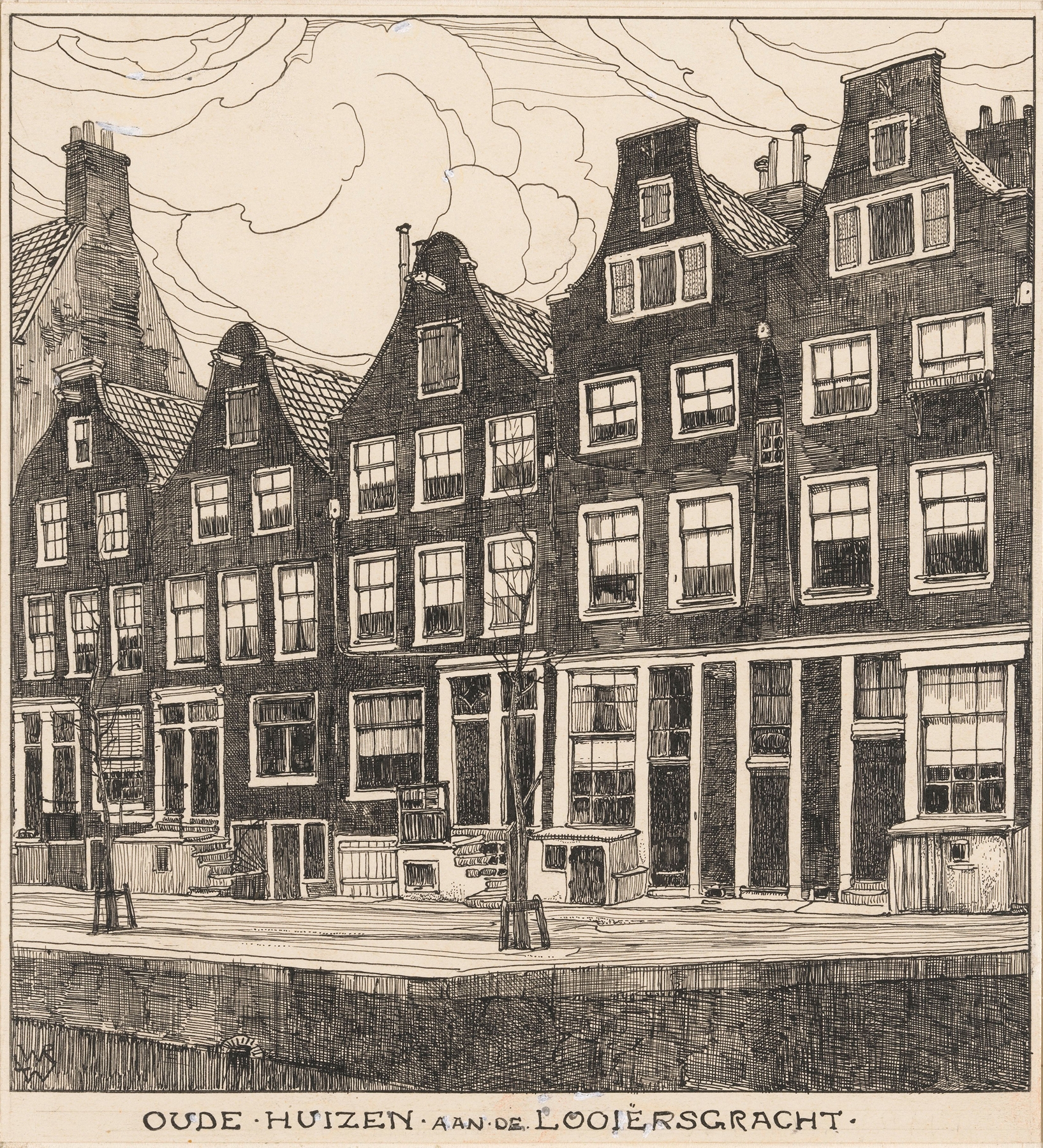
What secret hides in the quiet of the canvas? Beneath the tranquil surface of Oude huisjes aan de Egelantiersgracht te Amsterdam, a legacy whispers through the stillness of time. Look to the left, where the aged brick façades lean into the narrow canal, their weathered surfaces telling stories of decades past. The muted color palette, dominated by soft ochres and gentle grays, creates a sense of nostalgia, inviting the viewer to linger.
Notice how the subtle reflections ripple in the water, blurring the boundaries between reality and memory. A delicate interplay of light and shadow frames the scene, enhancing the sense of calm and contemplation. In this work, the contrast between the crumbling houses and the serene water evokes an emotional tension—an acknowledgment of decay alongside the beauty of resilience. Each window, with its half-drawn curtains, suggests untold narratives of the lives once lived within those walls.
The composition of the painting creates a dialogue between the physical structure and the intangible essence of history, urging viewers to reflect on their own legacies and the passage of time. Willem Wenckebach created this piece in the 20th century, a period when Amsterdam's historical architecture was cherished amidst rapid modernization. The artist, known for his dedication to capturing urban landscapes, sought to preserve the essence of places that seemed to fade into oblivion. During this time, reflections on heritage and identity were essential, as artists like Wenckebach documented the delicate balance between the past and the present.