Oude huizen aan het Leidscheplein te Amsterdam — History & Analysis
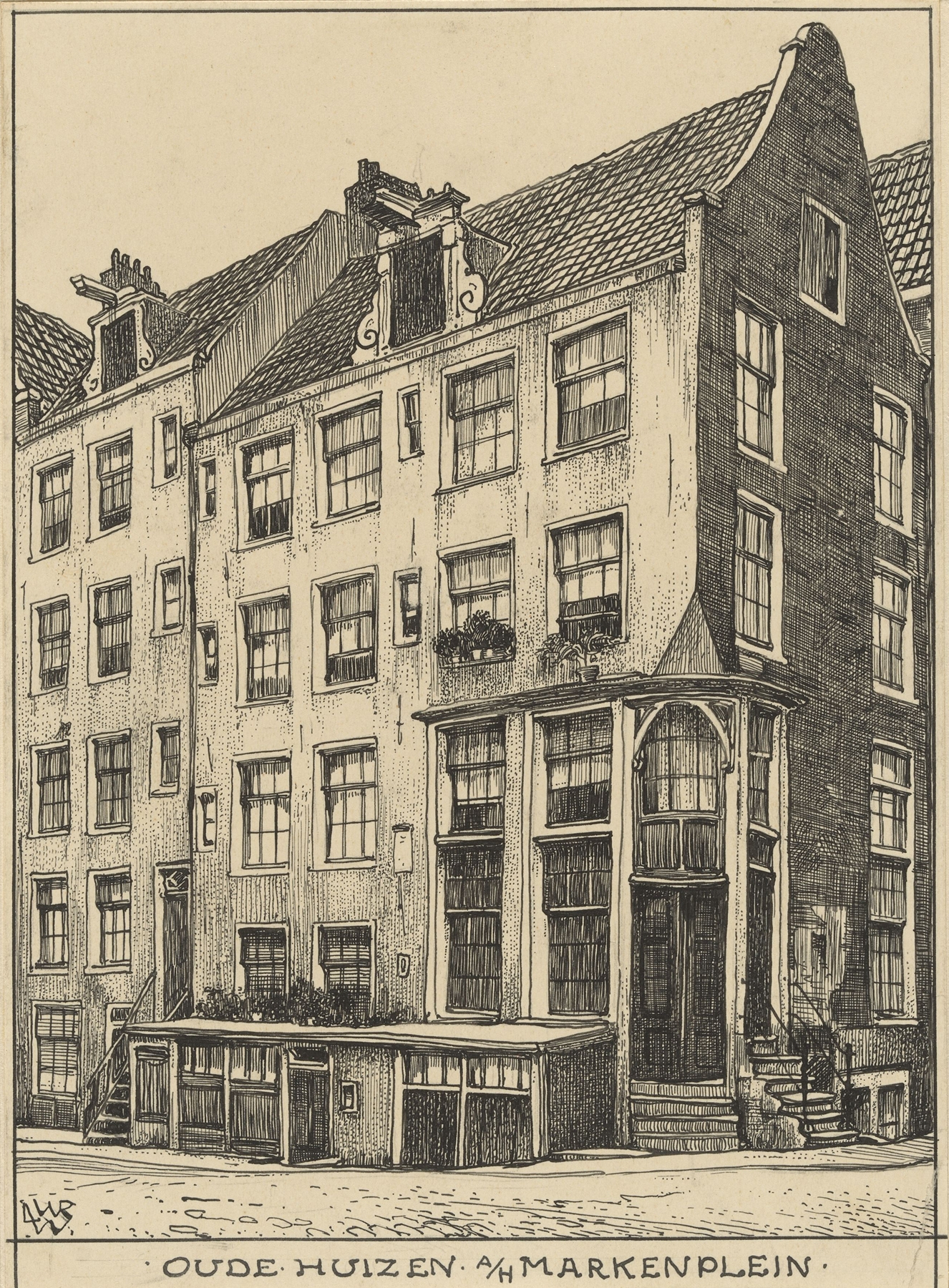
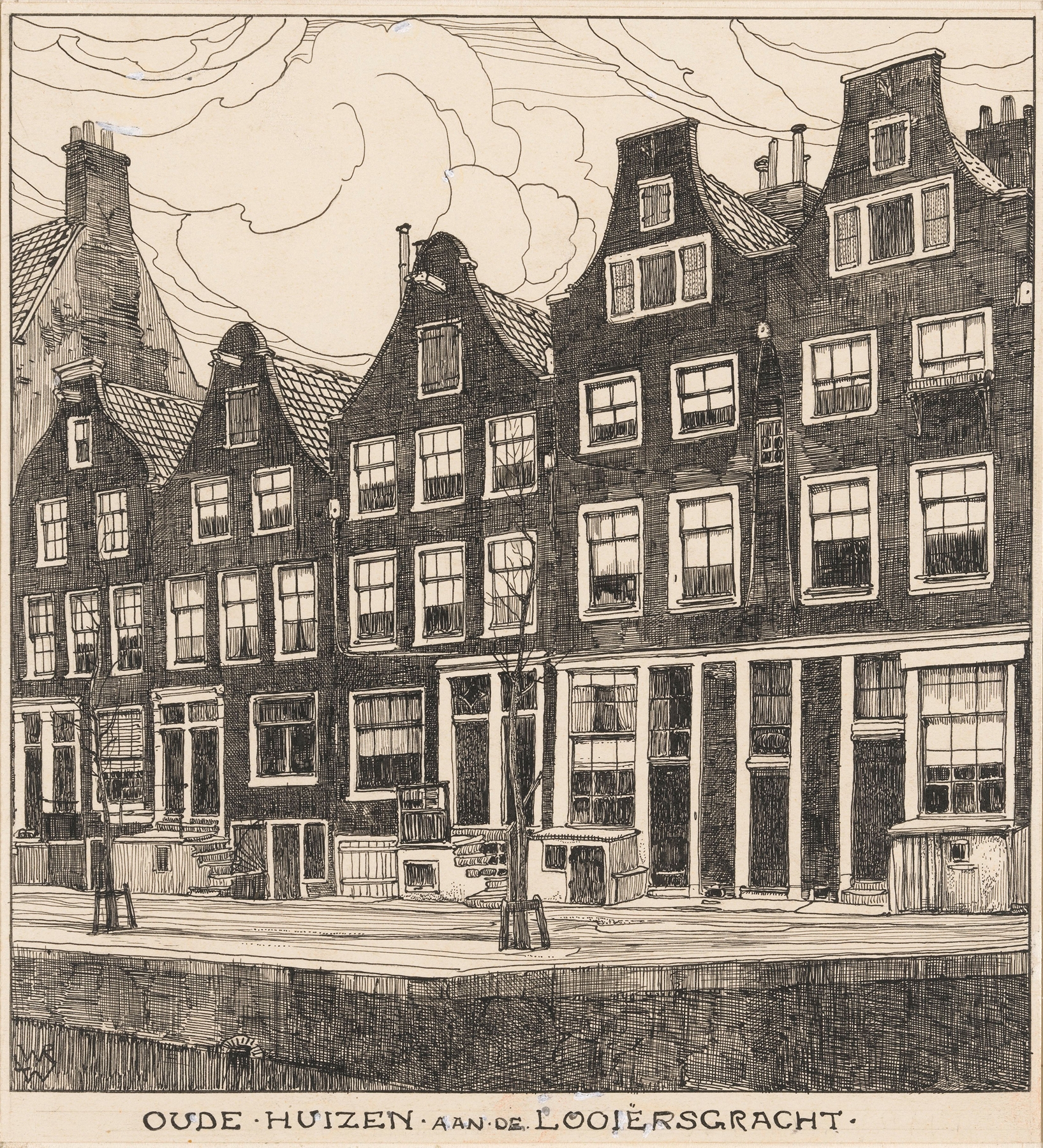
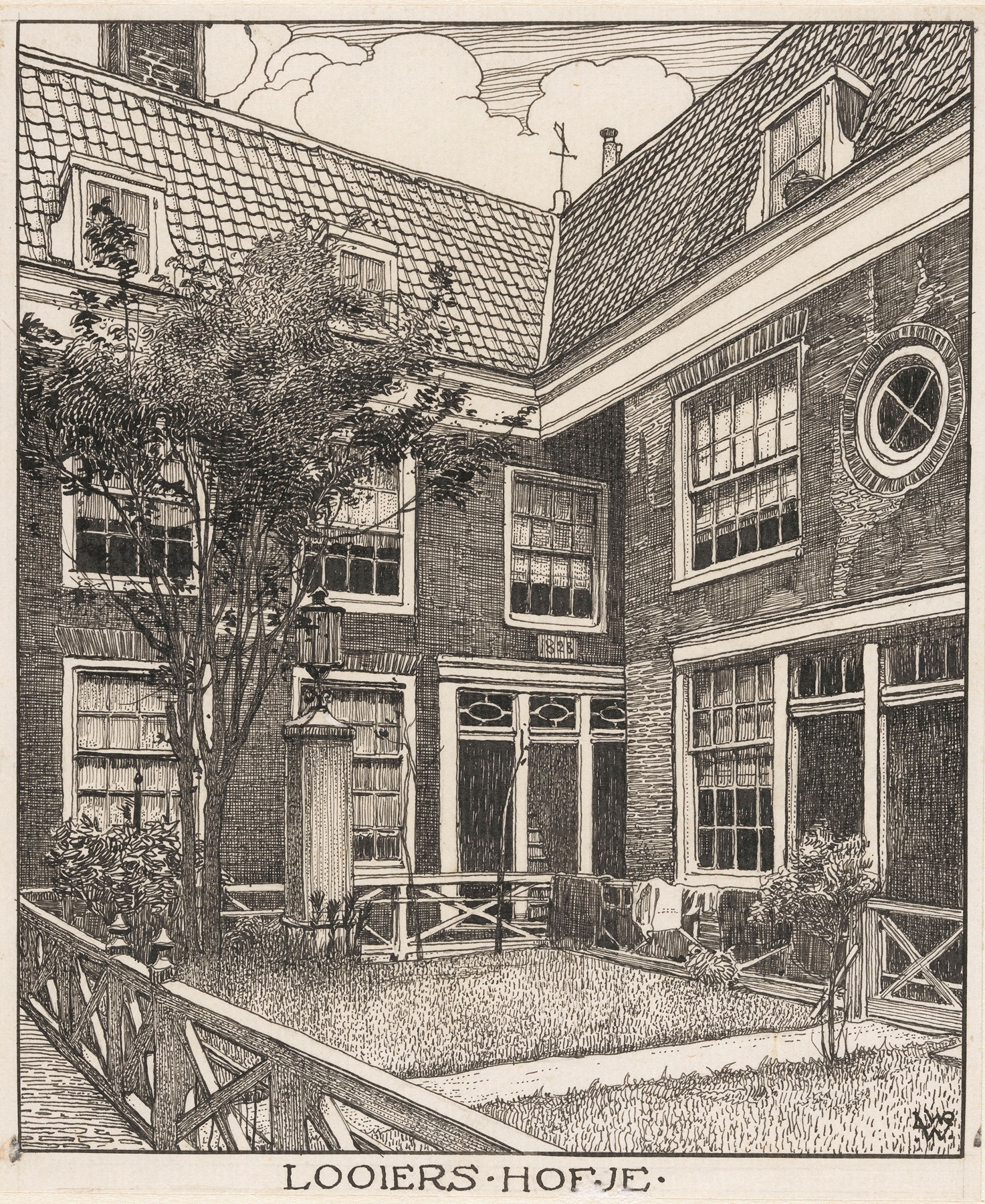
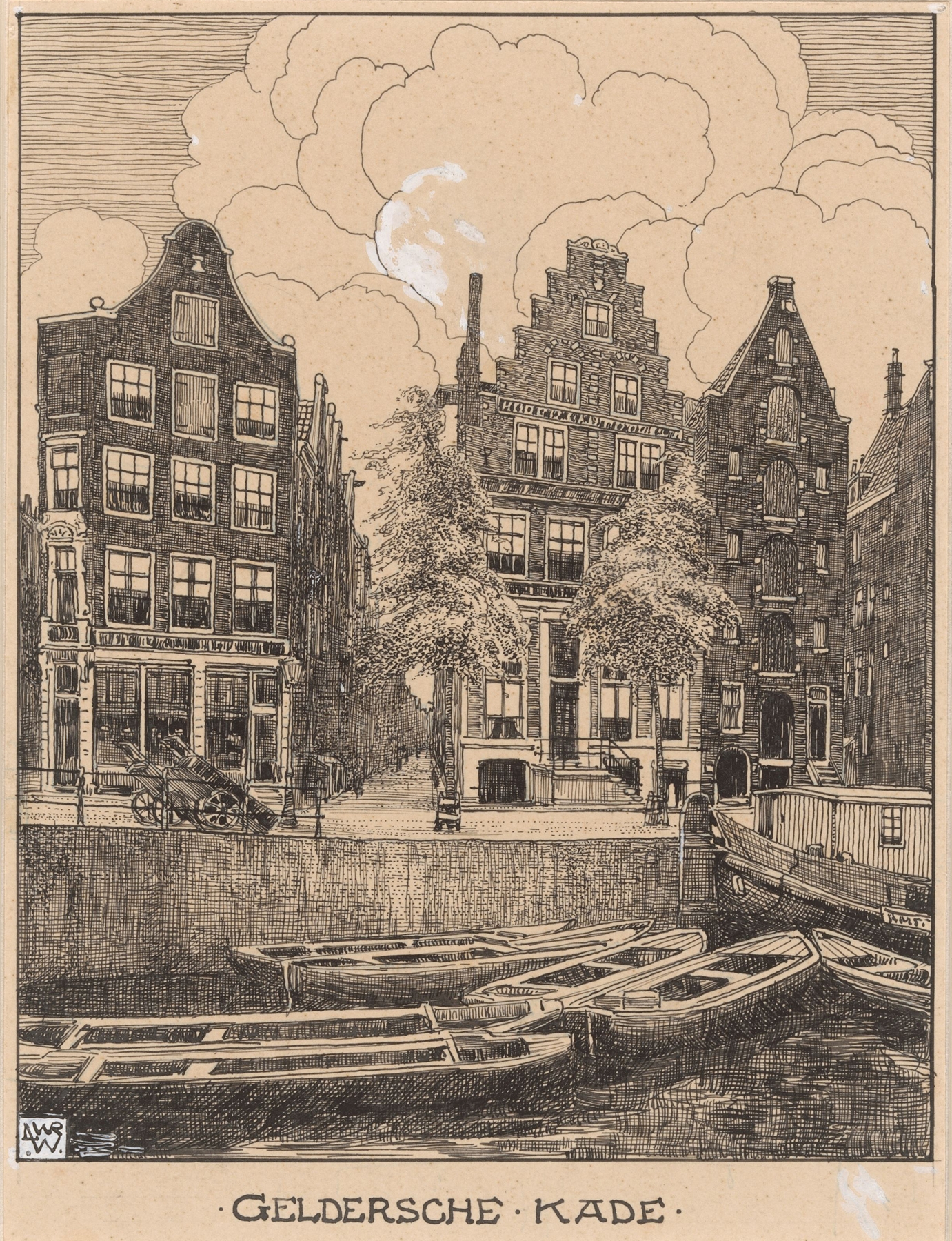
“Sometimes beauty is just pain, disguised in gold.” This sentiment echoes through the quiet streets captured in the painting, revealing layers of divinity hidden beneath the surface of everyday life. Look to the left where the warm, golden light bathes the intricate facades of the houses, their weathered bricks telling stories of time and resilience. Notice the subtle play of shadows that evoke a sense of history, each angle a whisper of the past. The artist’s delicate brushwork revitalizes the scene, lending an ethereal quality to the buildings, as if they are sentinels guarding untold secrets.
Yet, beneath the charming exterior lies a profound contrast between beauty and transience. The graceful lines of the architecture are juxtaposed with the echoes of lives once lived within those walls. The tranquil setting invites contemplation, suggesting that each house holds memories of joy and sorrow, evoking the complexity of human experience. The divinity of the ordinary emerges, reminding us that the familiar can harbor unexpected depth.
Wenckebach created this piece in the 20th century while immersed in the cultural shifts of post-war Europe. Living in Amsterdam, he was influenced by both the city's rich history and the evolving art scene around him. This painting reflects his engagement with the interplay of light and shadow, as well as his desire to capture the essence of daily life, reminding viewers of the beauty that exists in our shared spaces and experiences.