Oude man met baard — History & Analysis
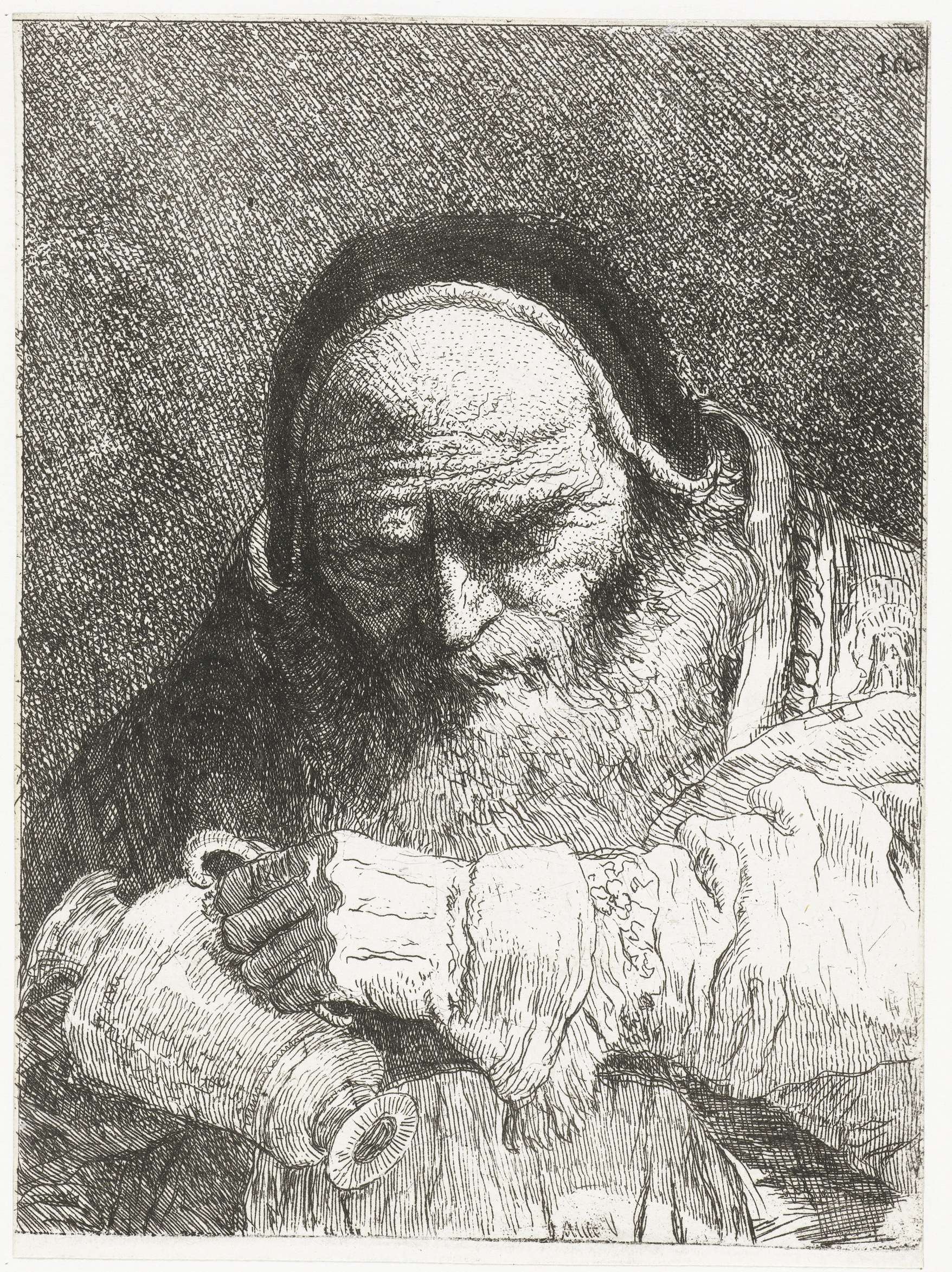
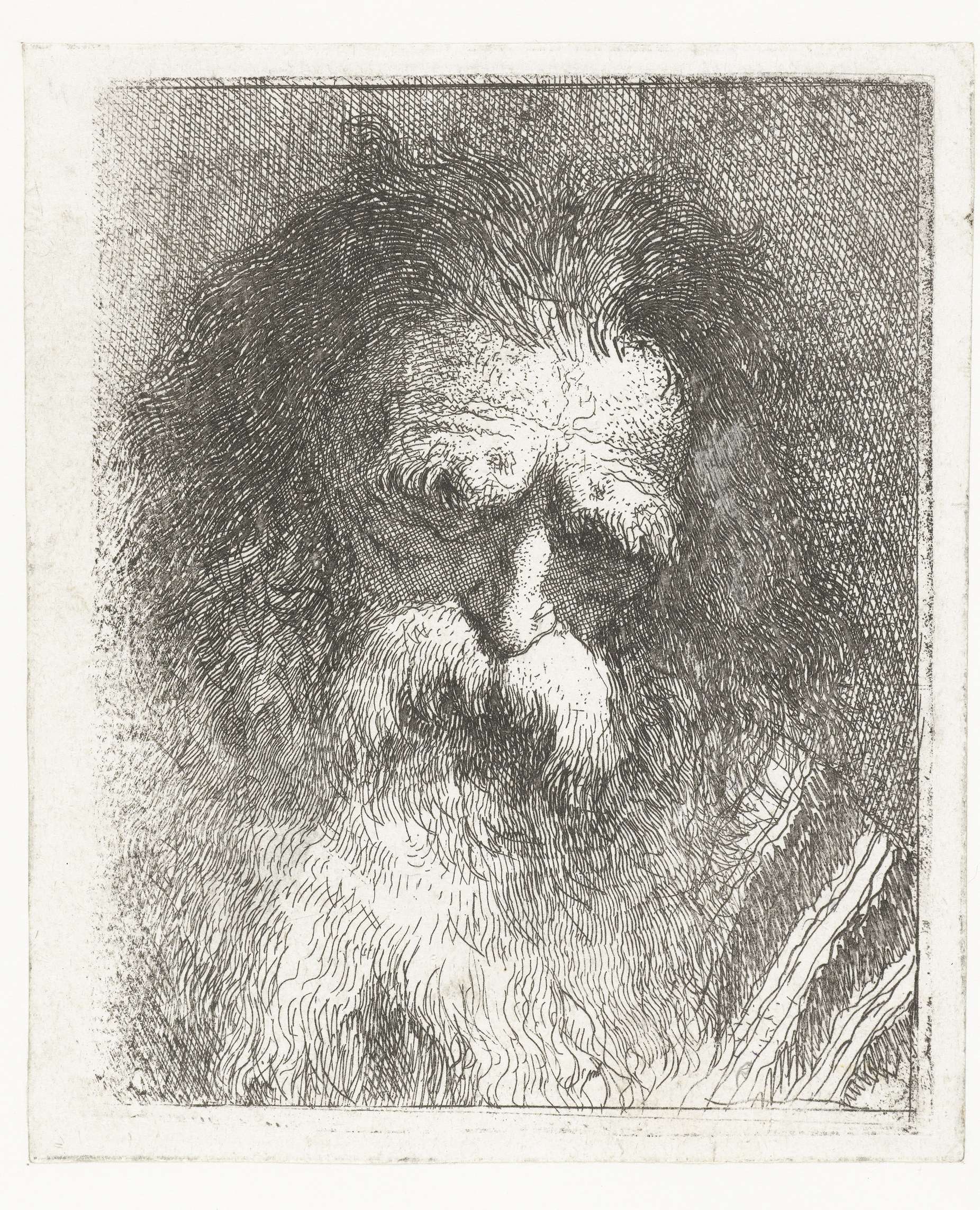
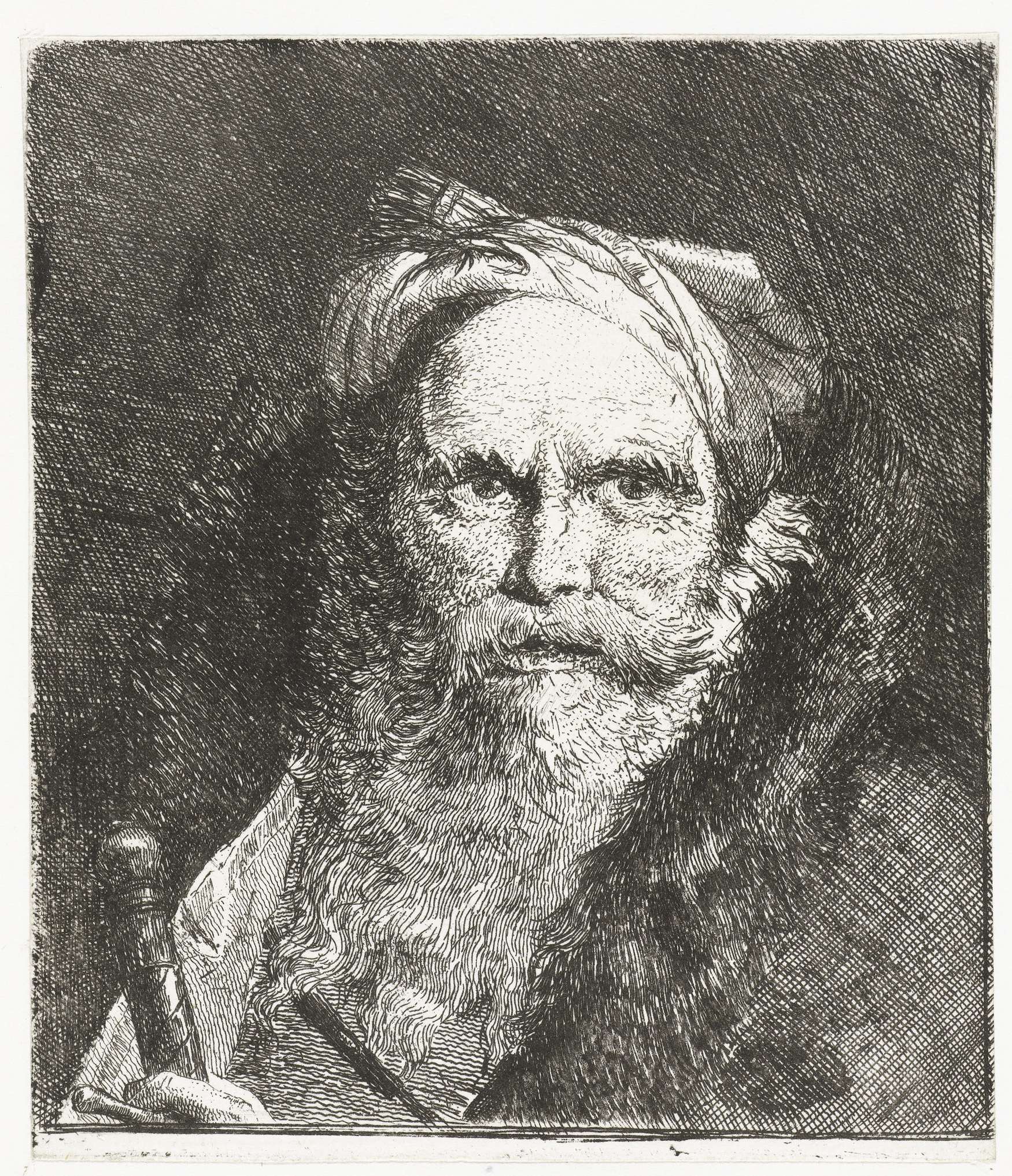
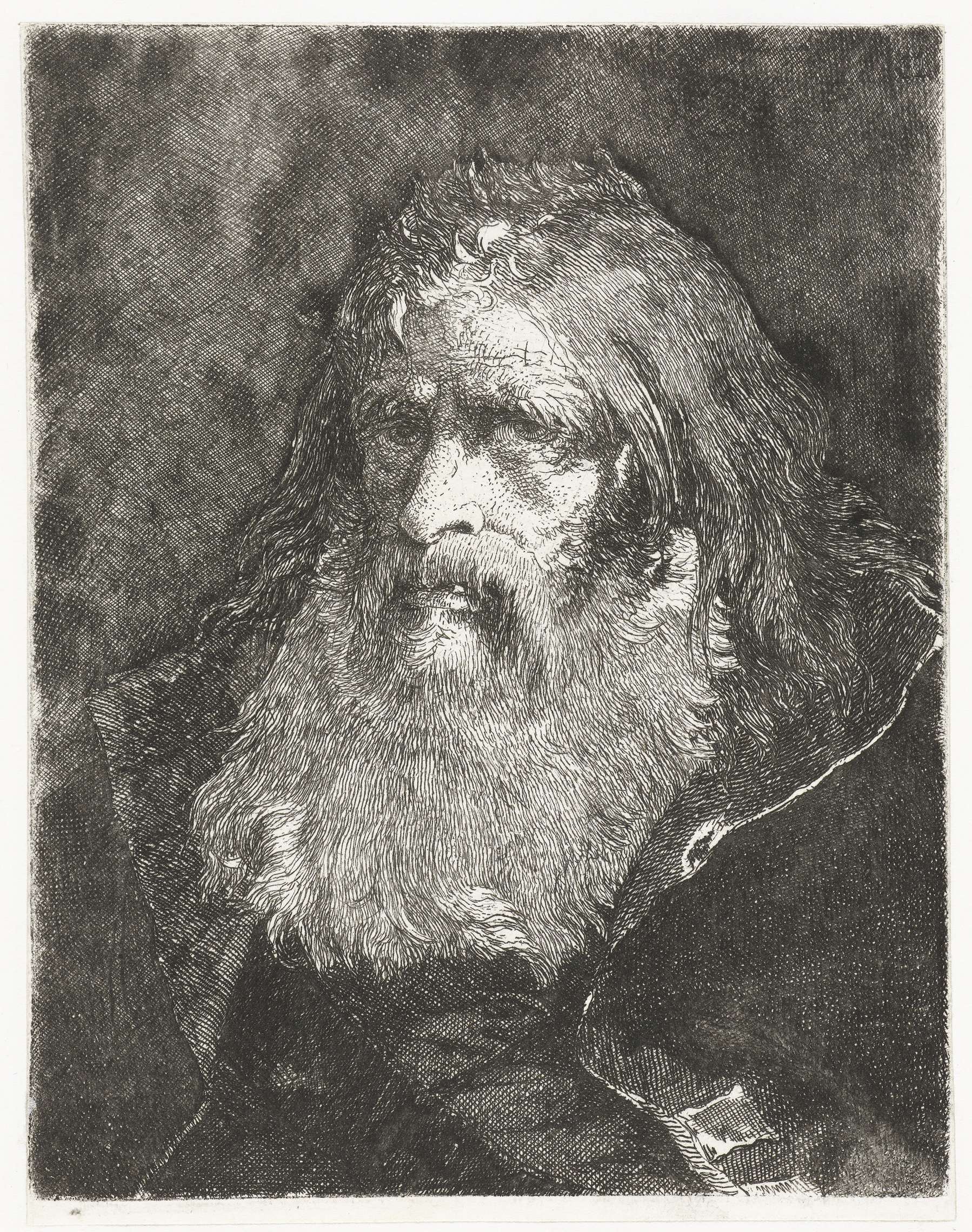
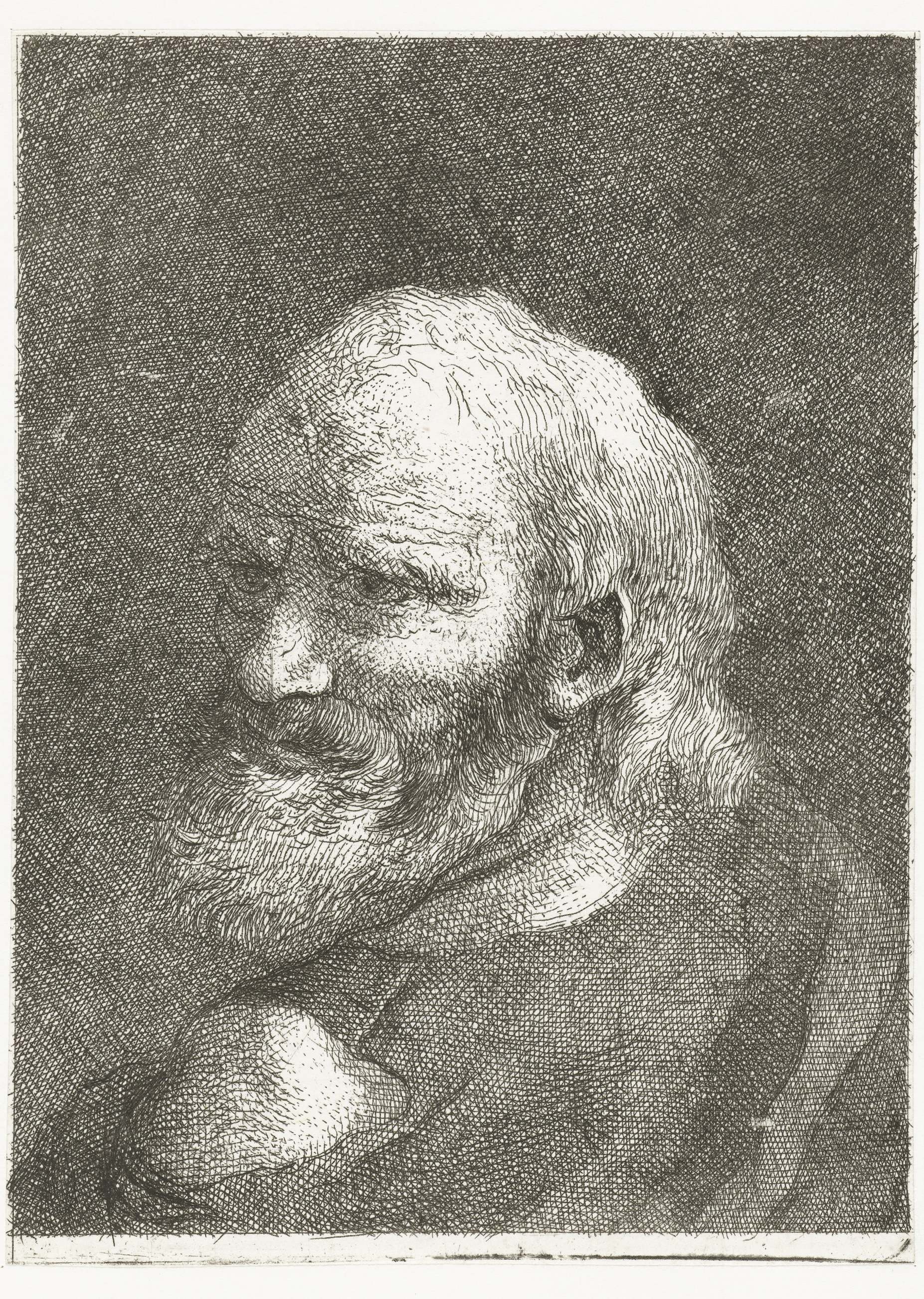
What if silence could speak through light? In Oude man met baard, the essence of transformation emerges from the interplay of illumination and shadow, revealing both wisdom and vulnerability. Look to the left at the old man’s serene yet profound expression, where the wrinkles tell tales of a life well-lived. Notice how the soft light gently caresses his beard, accentuating its silvery strands against the dark backdrop.
The subtle palette of earth tones envelops him, lending warmth to the otherwise stark contrast that defines his presence. This masterful use of chiaroscuro not only enhances the figure but invites the viewer to contemplate the quiet strength that resides within age. As you explore the details, consider the juxtaposition between his aged visage and the gentle illumination that surrounds him. The light seems to cradle him, suggesting a form of rebirth or enlightenment.
This moment, suspended in time, hints at the duality of existence—how aging is both an end and a passage to deeper understanding. The ordinary becomes extraordinary here, as the mundane reality of life transforms into a universal meditation on the passage of time. Giovanni Domenico Tiepolo painted this piece in 1774, during a period when he was emerging as a prominent figure in the Venetian art scene, stepping out from the shadows of his father's legacy. Italy was undergoing significant cultural shifts, with neoclassicism gaining traction, yet Tiepolo remained committed to the emotive qualities of his work, merging tradition with a distinctive personal touch.