Our Back Yard When I was Young — History & Analysis
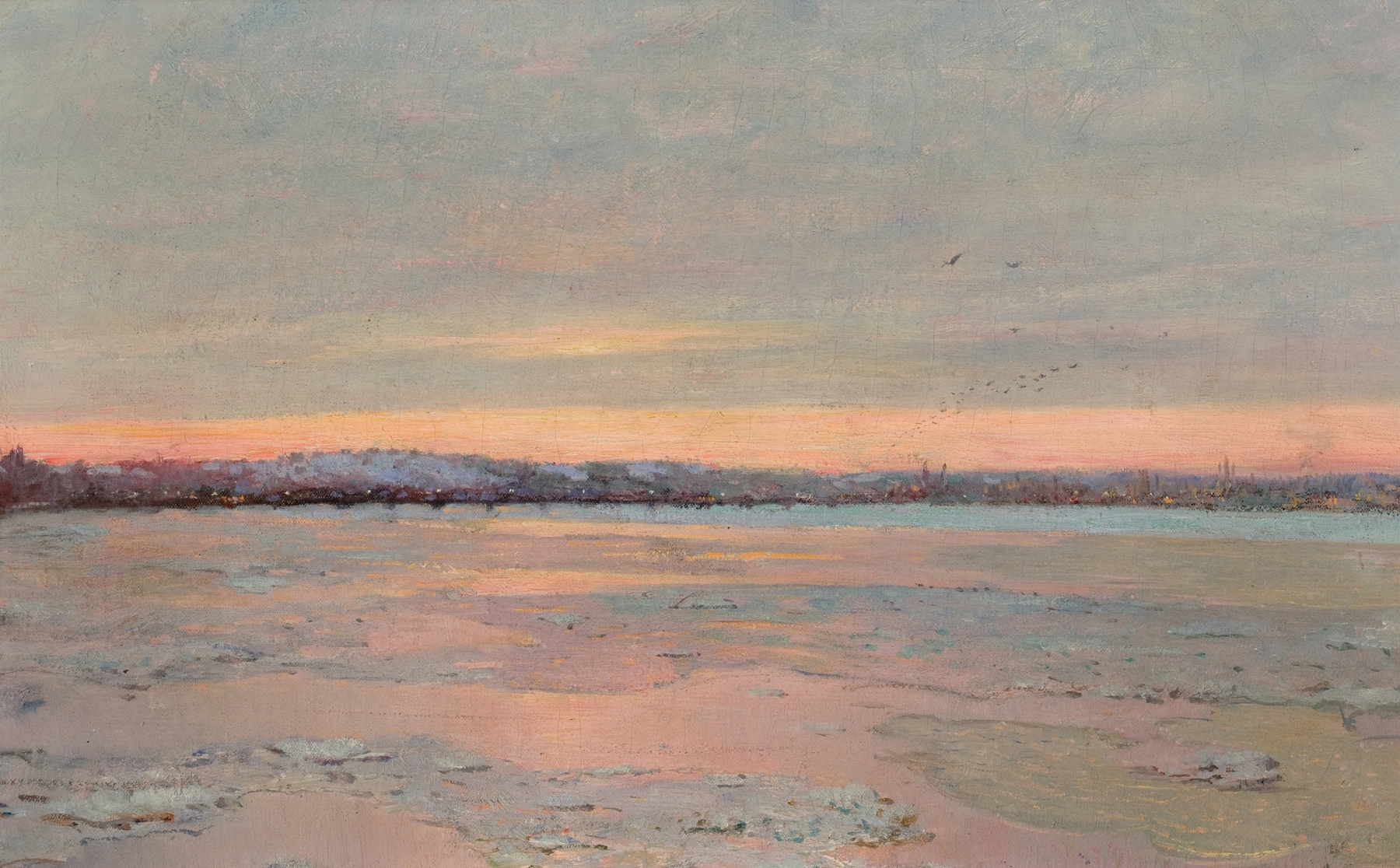
“Art reveals the soul when the world turns away.” In a moment of quiet introspection, we find ourselves drawn into a space where memories intertwine with the present, encouraging us to reflect on our own pasts. This artwork beckons us to explore the intimate realm of nostalgia and the bittersweet beauty captured within it. Look to the left where soft, dappled light filters through the trees, illuminating a patch of lush grass. The delicate interplay of light and shadow creates a serene atmosphere, inviting the viewer to linger. Simmons employs a palette of gentle greens and warm earth tones that evoke a sense of calm and familiarity, while the loose brush strokes suggest the spontaneity of childhood play.
Your gaze may wander to the subtle textures of the leaves, which seem to whisper secrets of nostalgia and innocence, grounding the viewer in a time long forgotten. As we delve deeper, the emotional tension of this piece begins to surface. The juxtaposition of vibrant life against the stillness of the backyard encapsulates the fleeting nature of youth. Hidden among the textured foliage are fragments of memory—a forgotten toy, a butterfly alighting on a flower—elements that symbolize the passage of time and the fleetingness of joy.
Simmons masterfully captures the essence of reflection, urging us to consider what lies beyond mere recollection. In 1919, the artist created this work during a period of personal and societal upheaval. Emerging from the shadows of World War I, he sought solace in capturing the quiet beauty of everyday life. This era saw a shift in the art world, moving towards more introspective themes that resonated with the collective yearning for peace and simplicity, a sentiment embodied profoundly in this painting.