Paris. Notre-Dame — History & Analysis
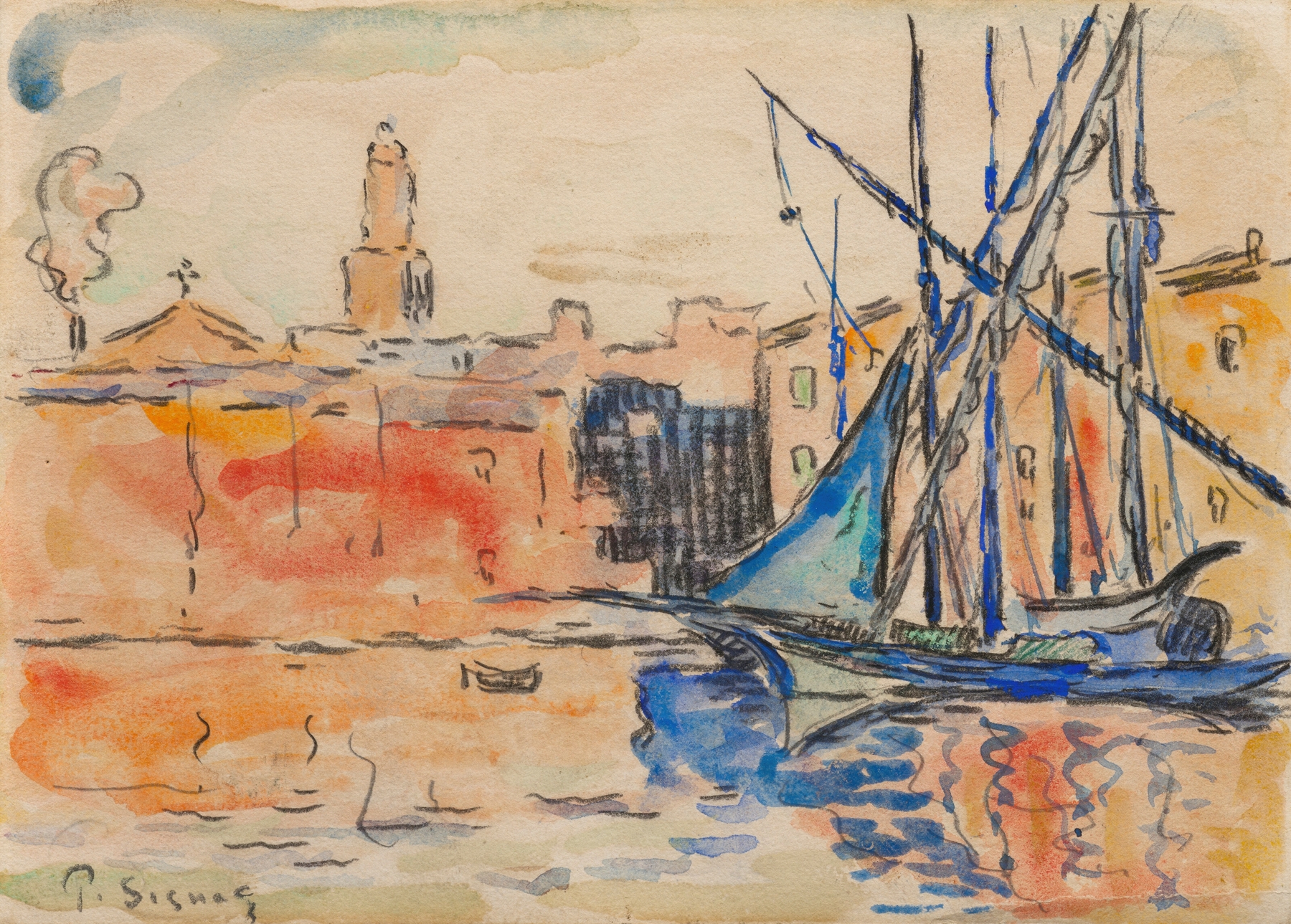
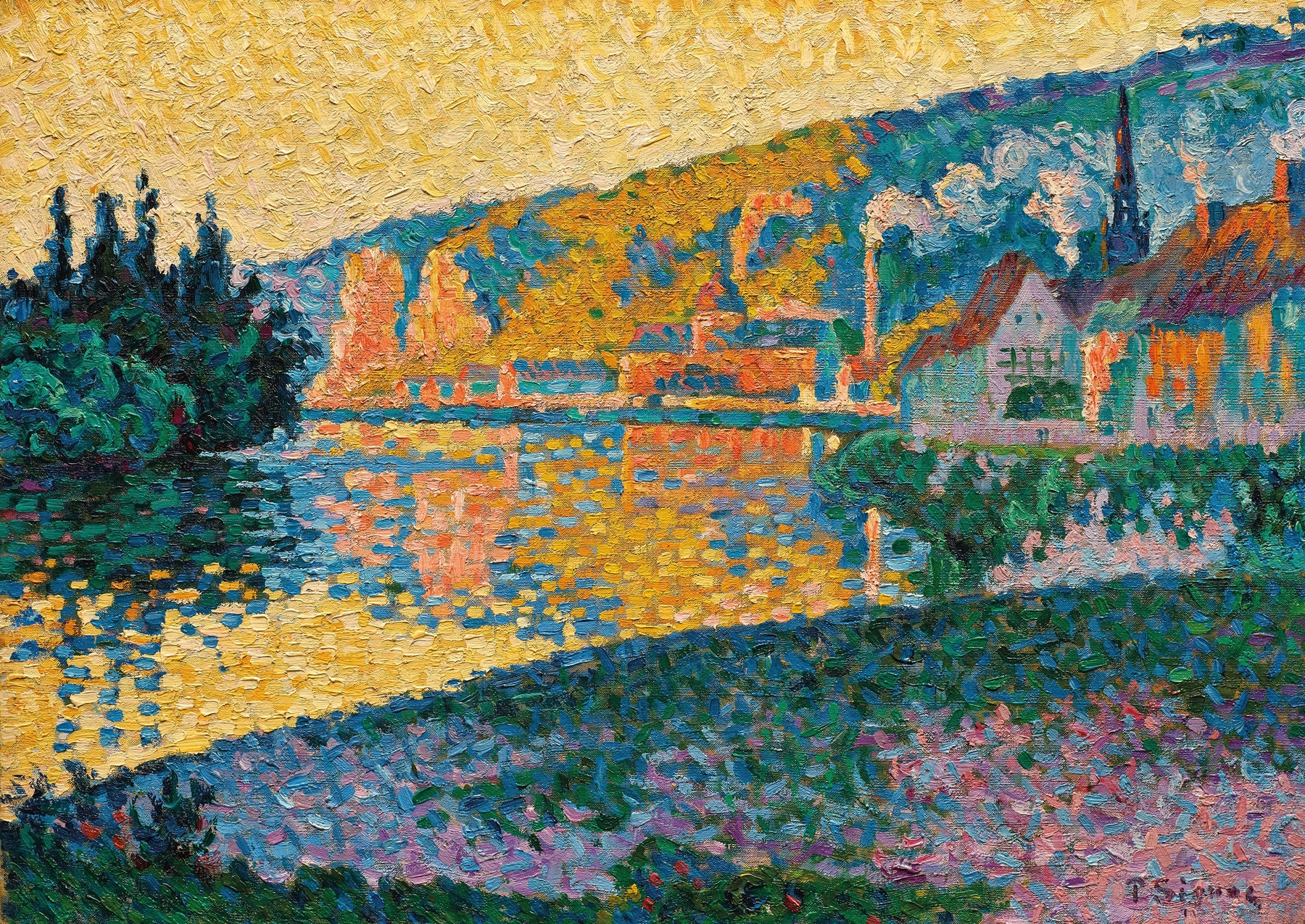
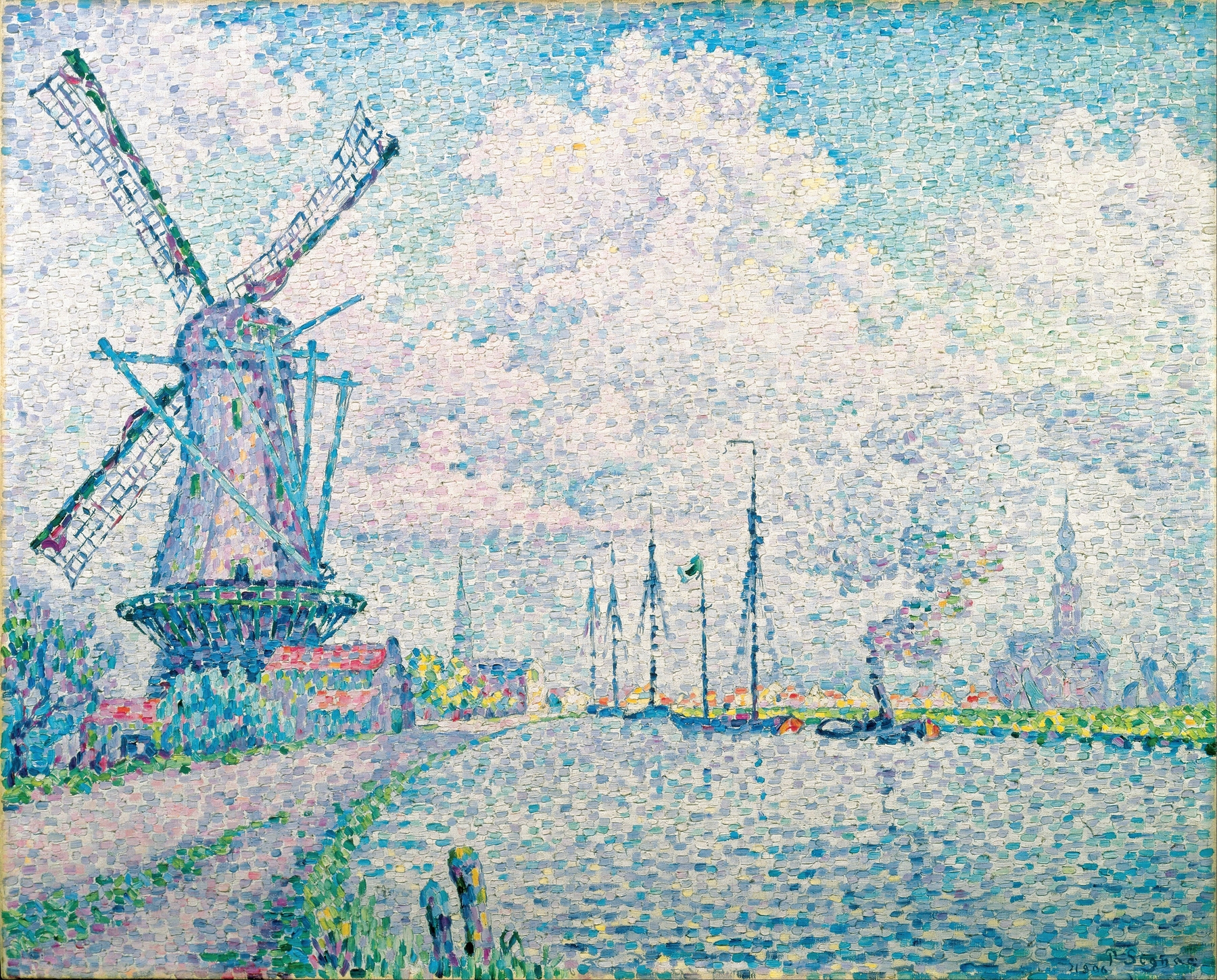
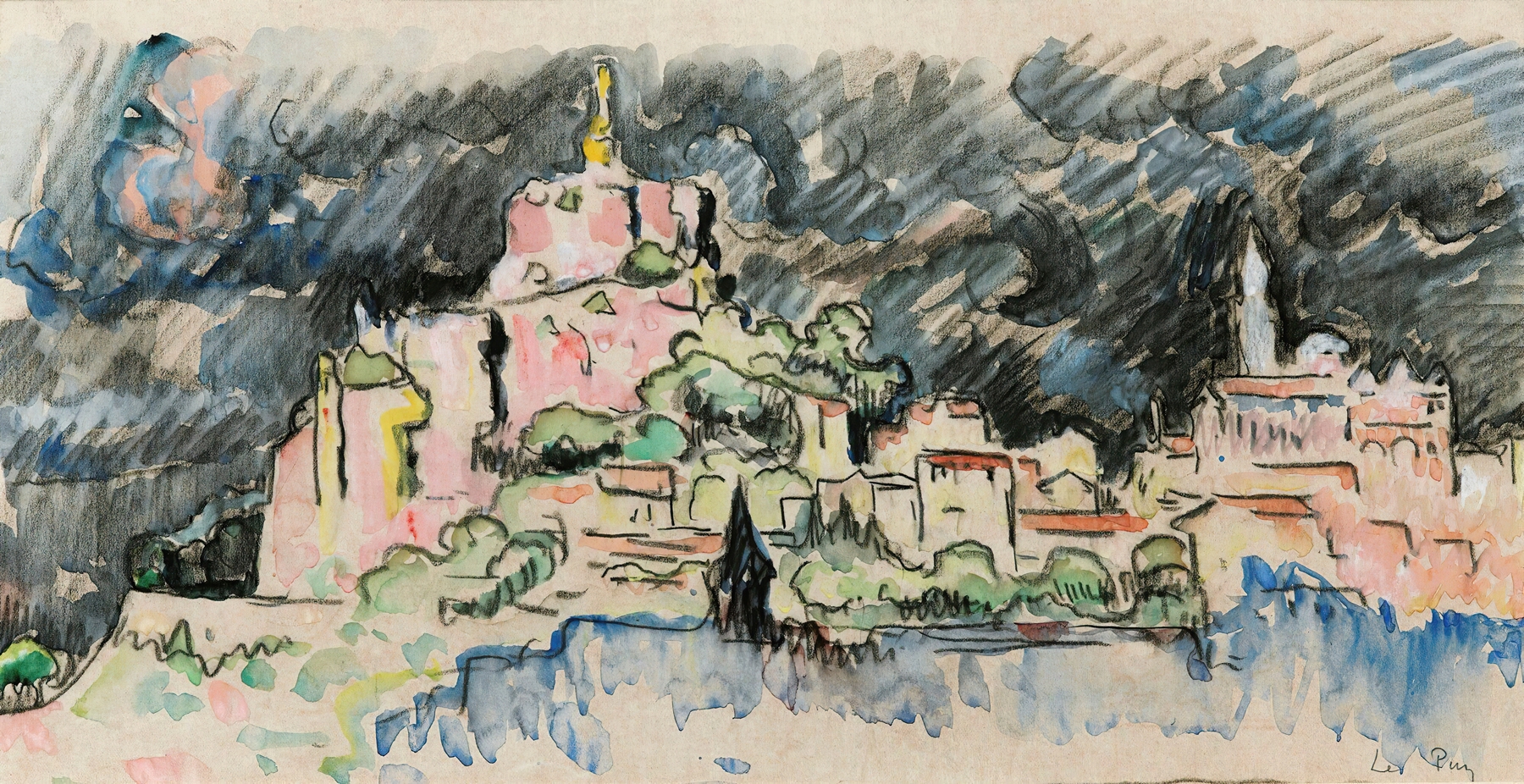
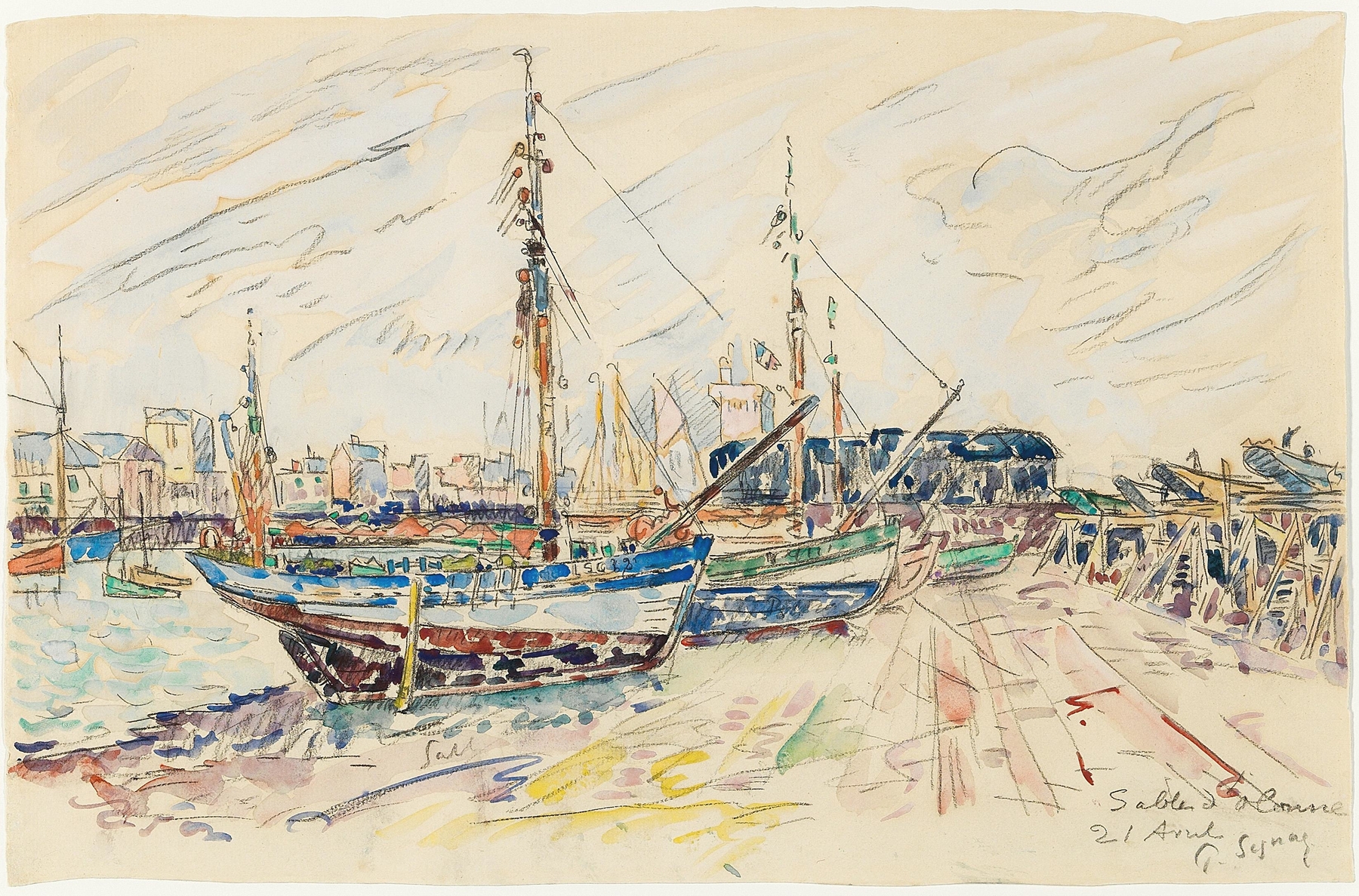
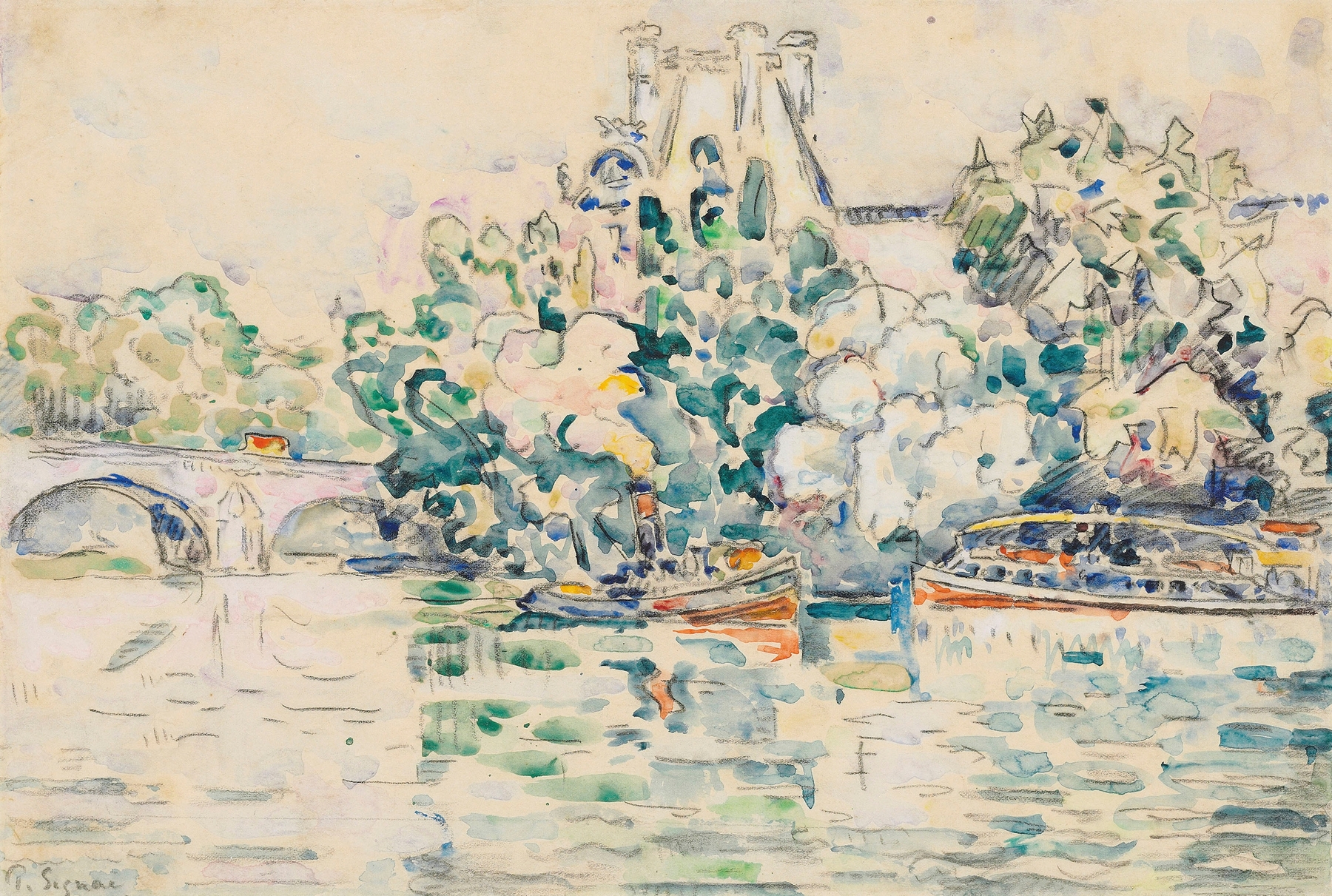
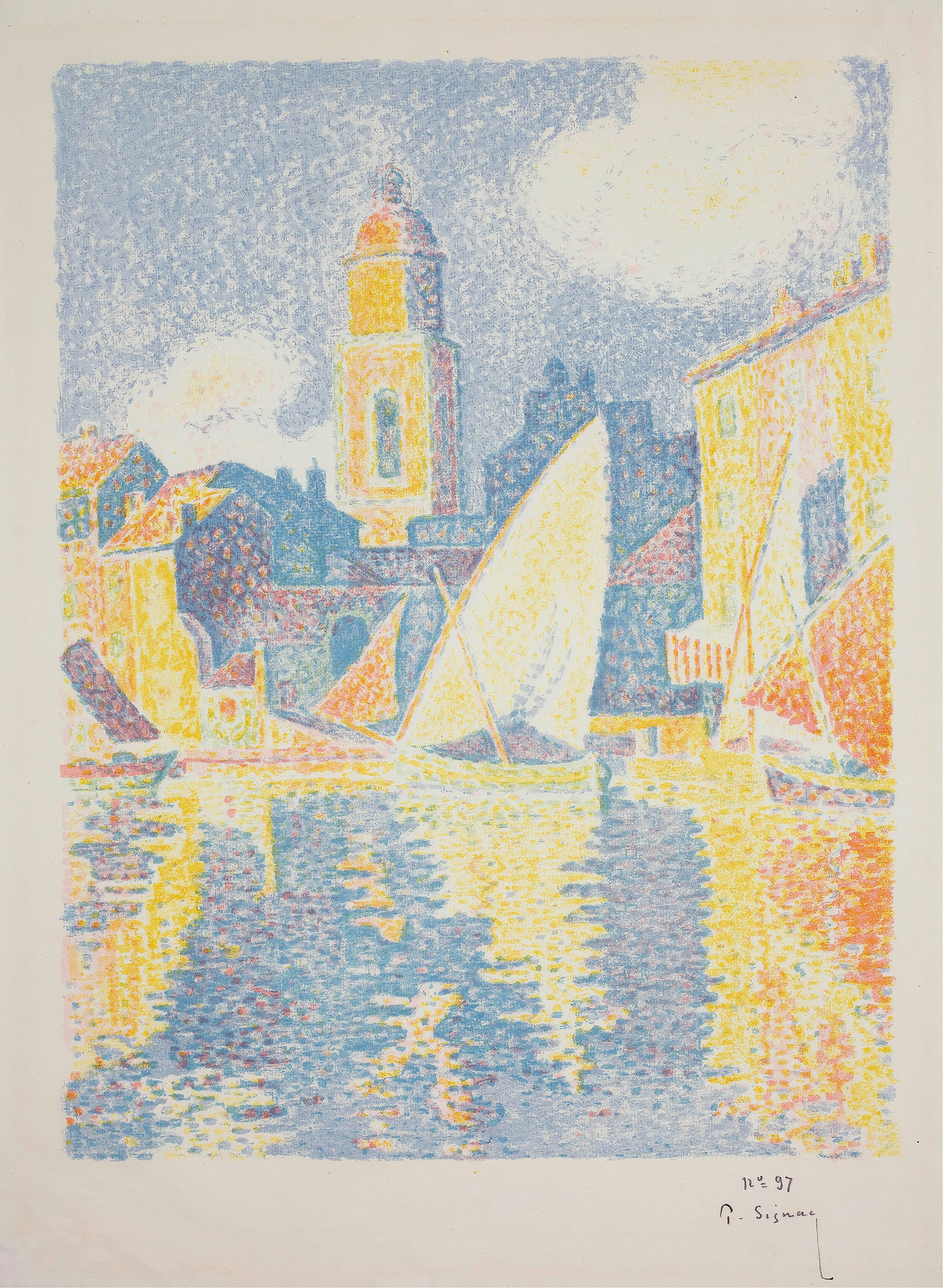
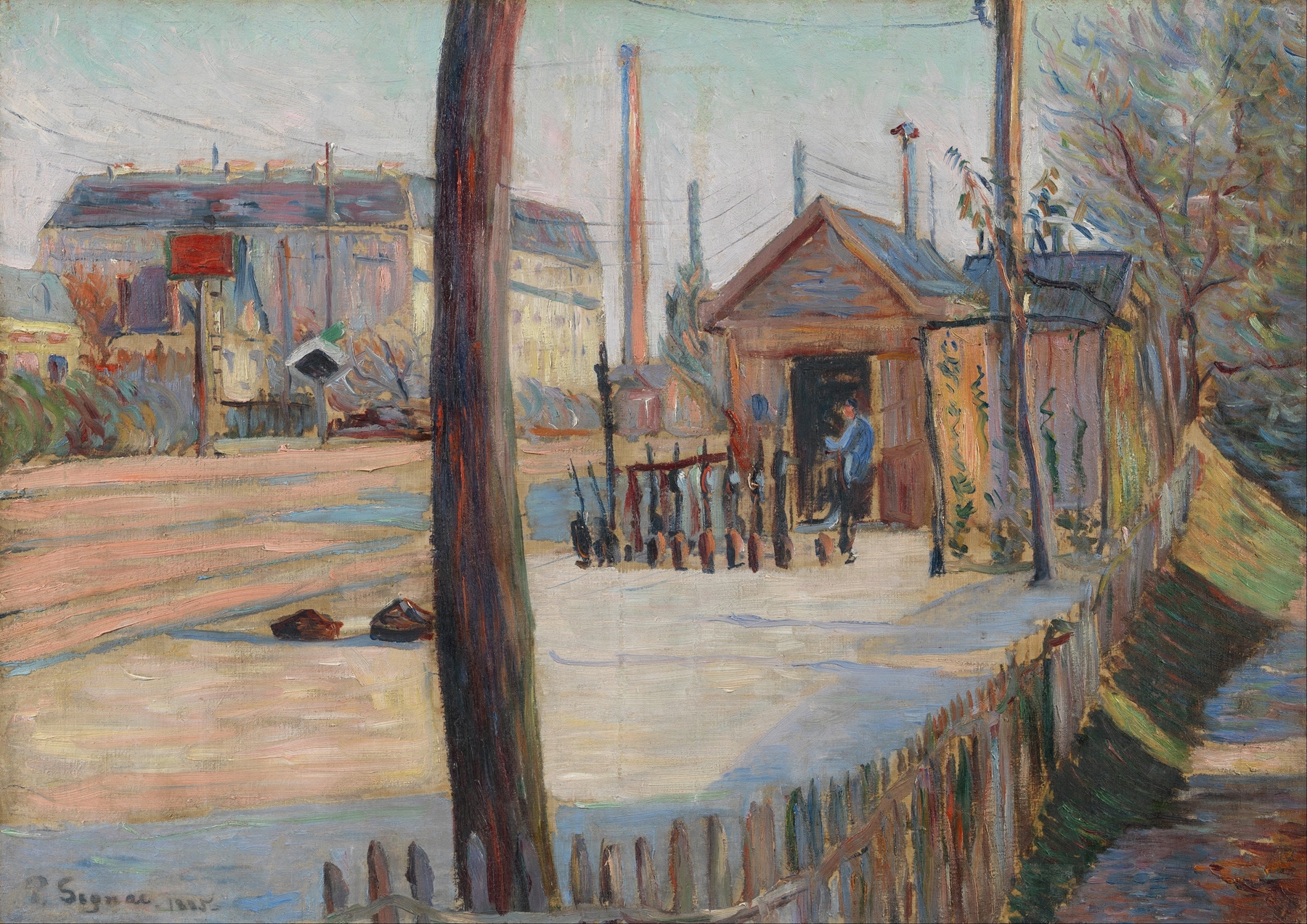
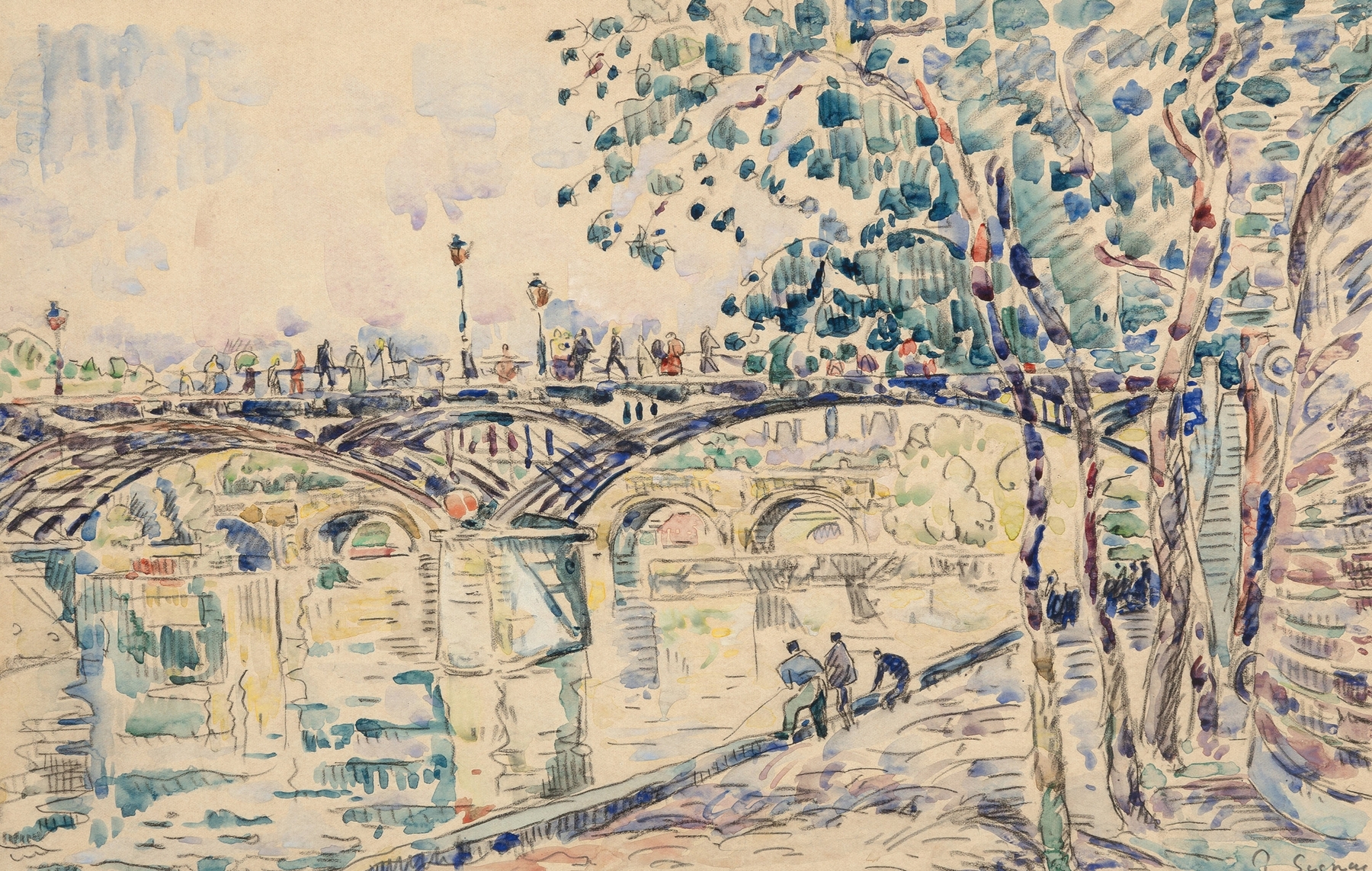
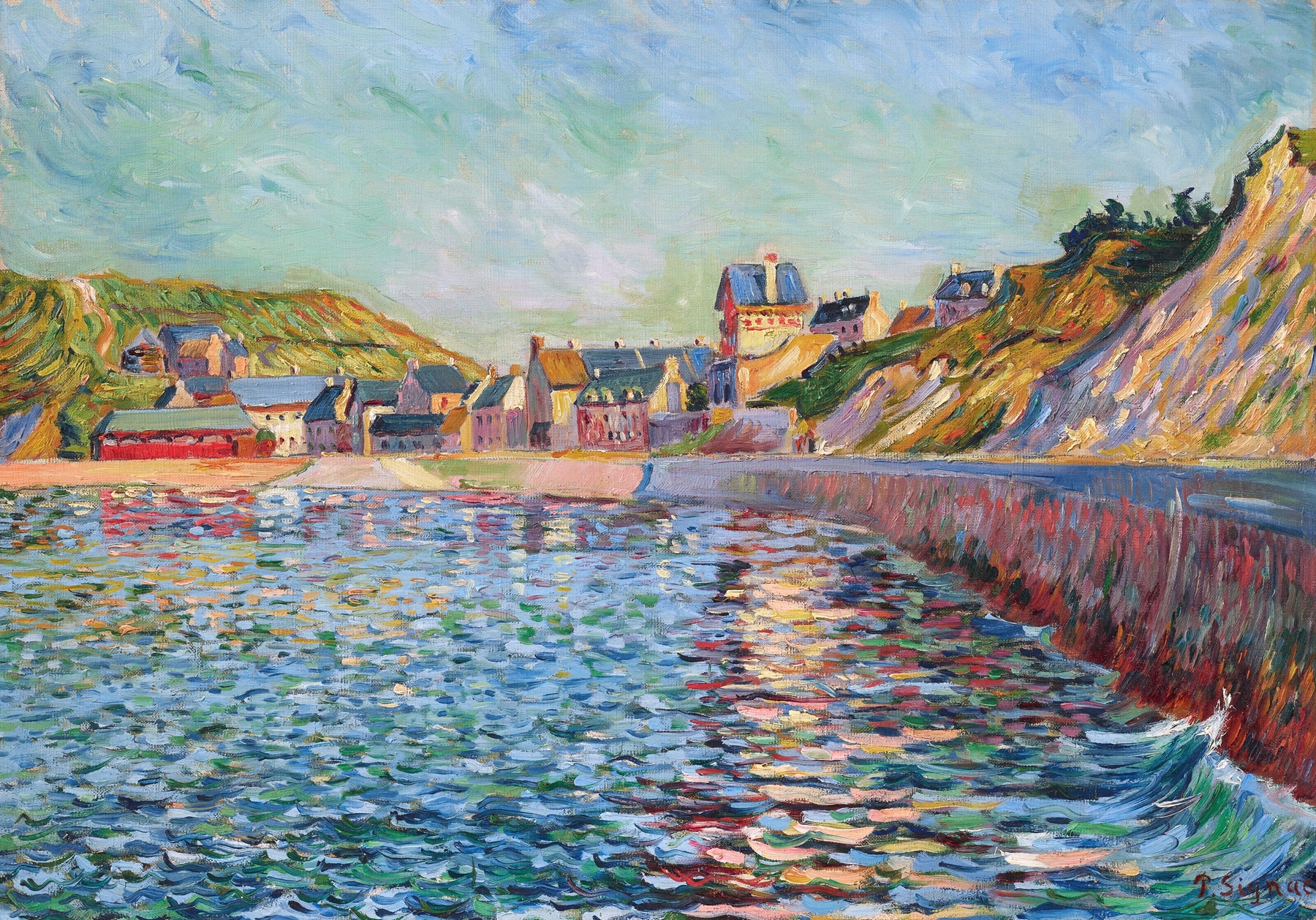
Could beauty survive in a century of chaos? In a world often defined by turmoil, the delicate interplay of light and color offers a glimpse of hope and creation. Focus on the vibrant swaths of color that form the iconic silhouette of Notre-Dame. The artist employs pointillism, allowing tiny dabs of color to converge into a cohesive image that pulses with energy.
Notice how the sky transitions from soft blues to fiery oranges, creating a backdrop that is both serene and dynamic. Each stroke, meticulously placed, invites the viewer to explore the depth and richness of the scene. As you absorb the composition, consider the contrast between the robust, stone structure of the cathedral and the ephemeral quality of the surrounding water. This juxtaposition speaks to the tension between permanence and impermanence — the steadfastness of faith against the fleeting nature of existence.
The reflections on the river serve as a reminder of life's transient beauty, suggesting that creation is an ongoing process, even amid uncertainty. Painted during a period of artistic innovation, this work emerged from Signac's explorations in Paris, at the cusp of the 20th century. The late 1800s were a time of great change, with the Impressionist movement paving the way for new techniques and visions. As he engaged with such revolutionary ideas, Signac sought to capture the essence of his surroundings, blending the old with the new in a city brimming with life and creativity.