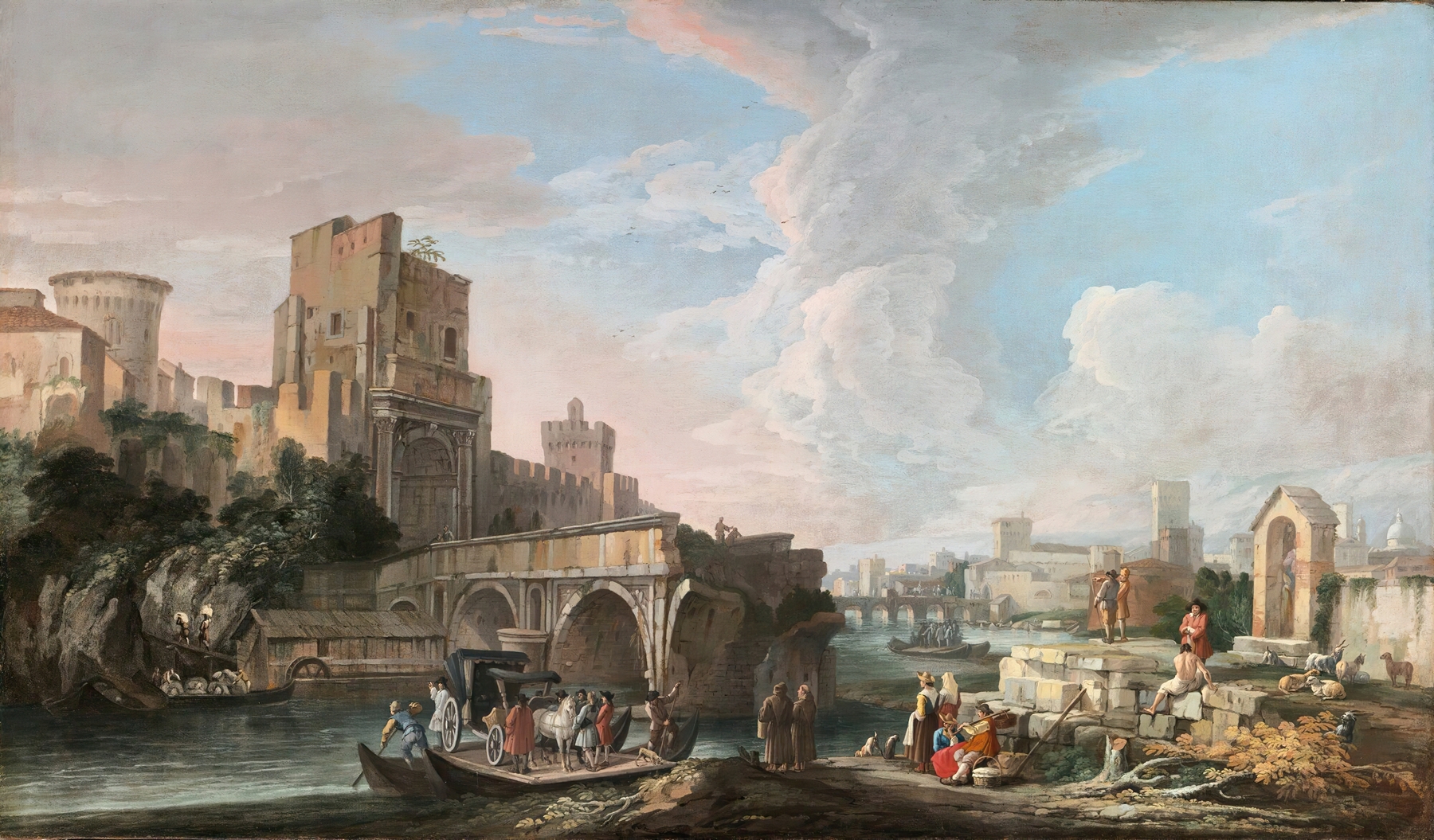
Piazza San Marco, Venice — History & Analysis
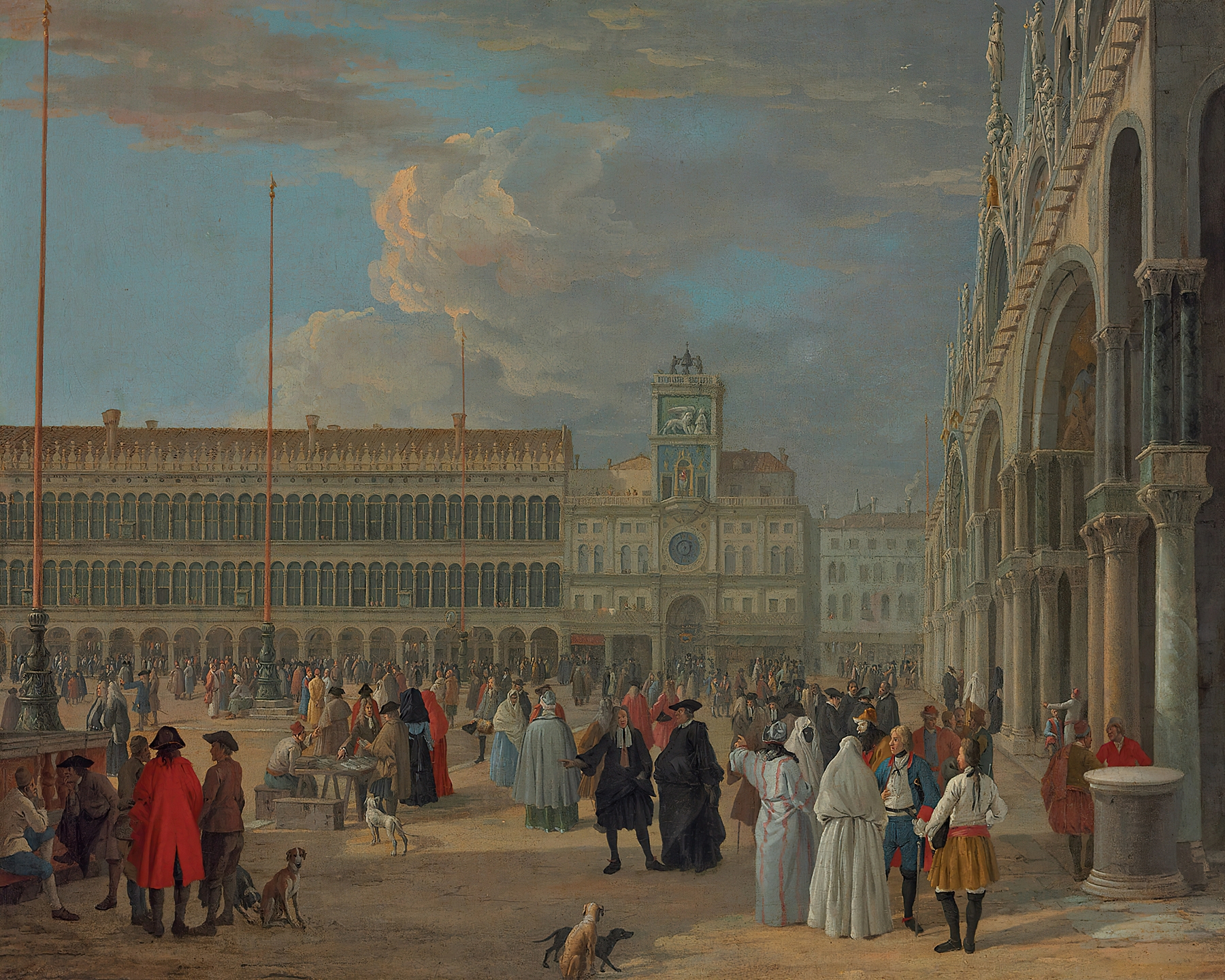
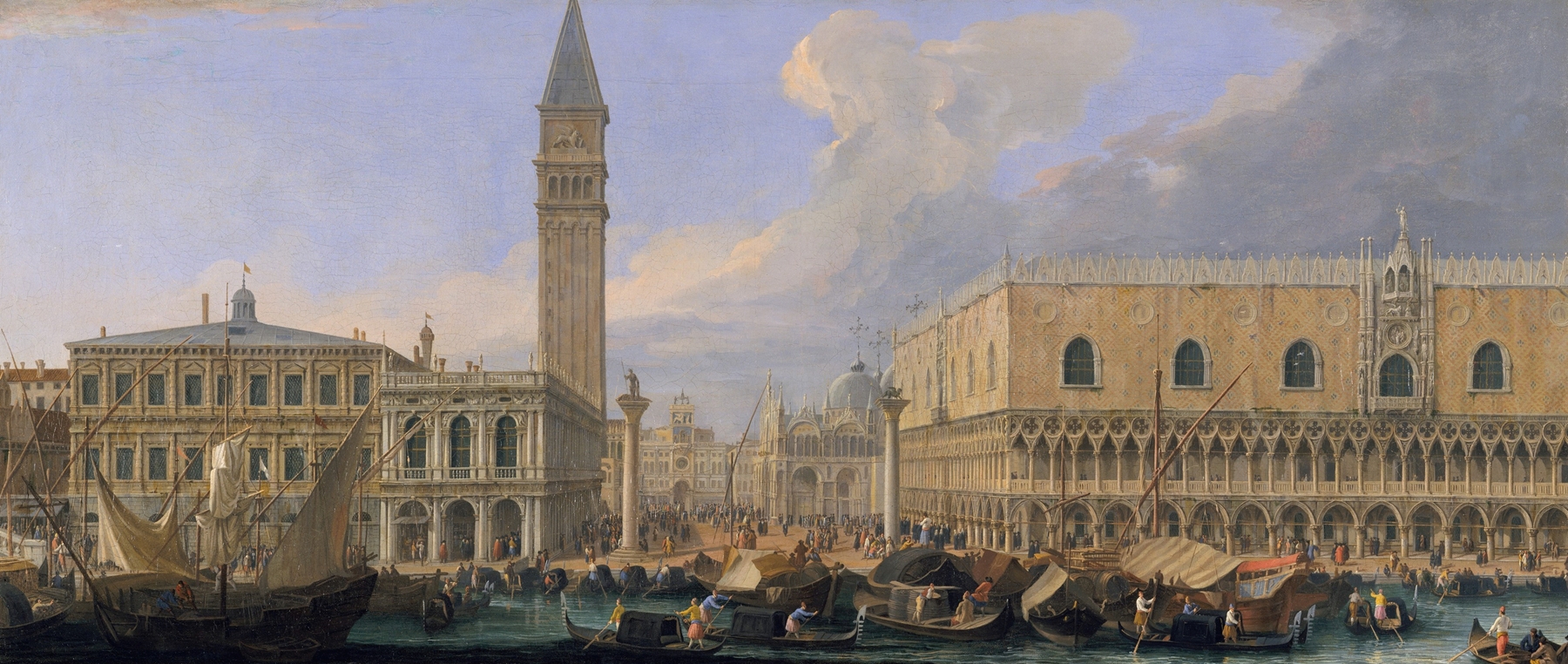
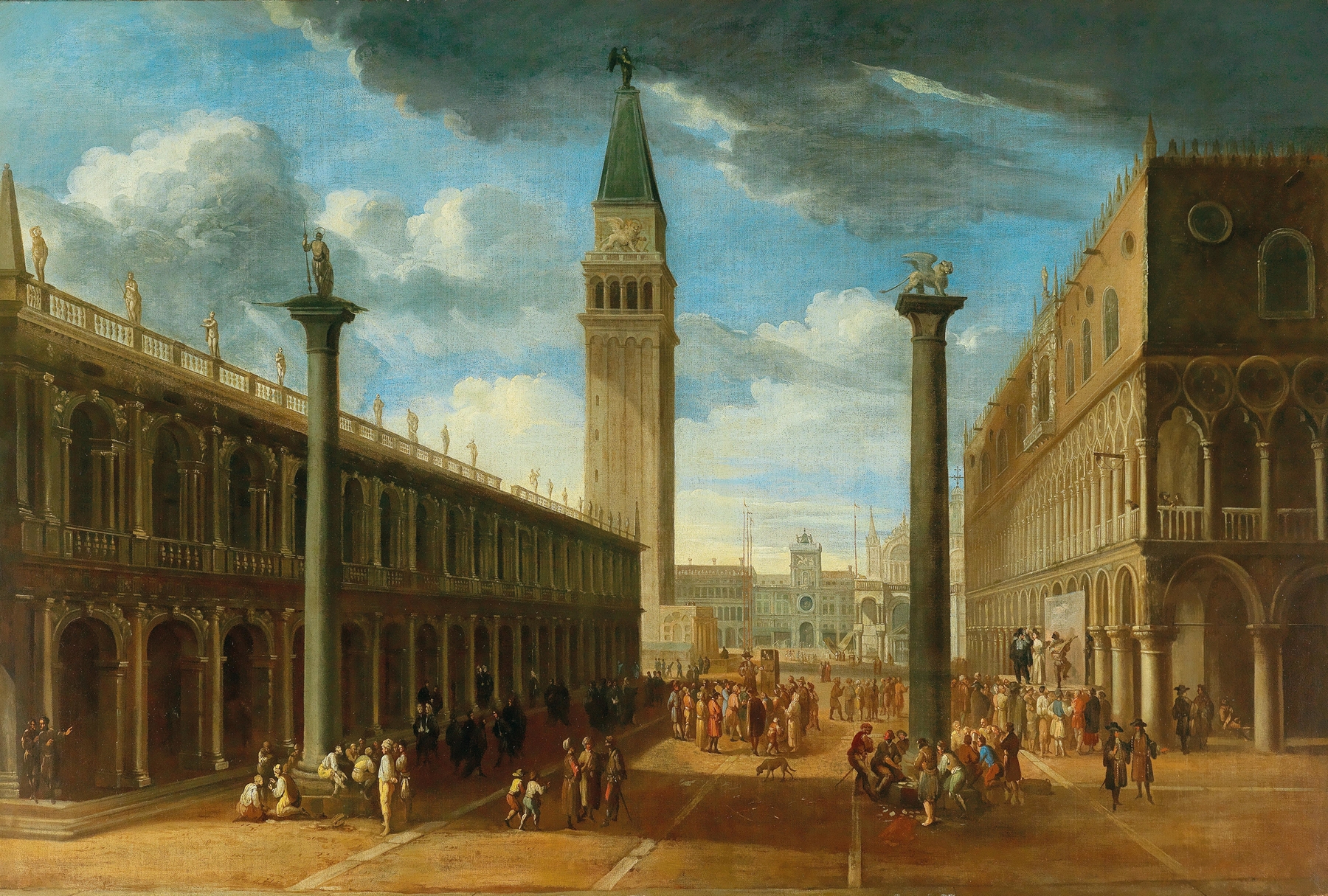
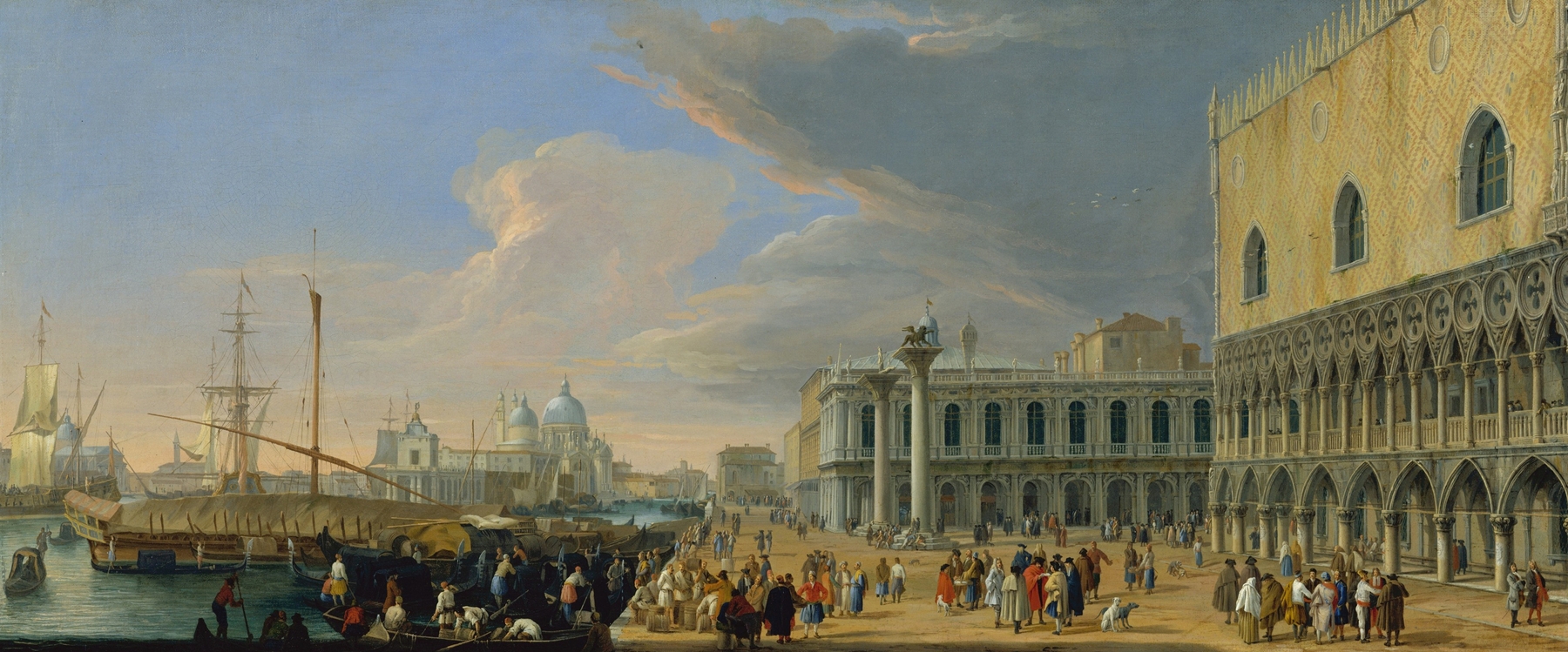
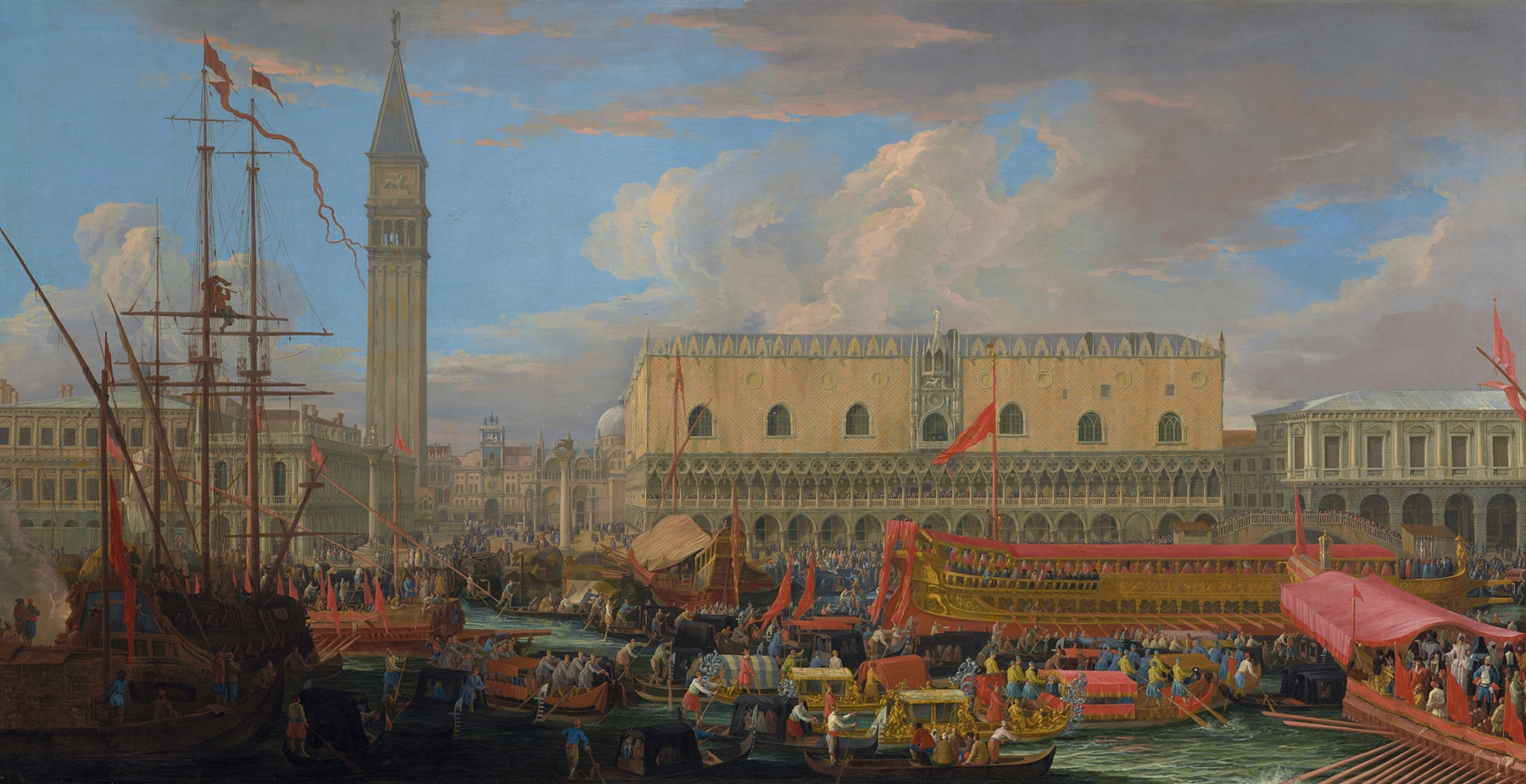
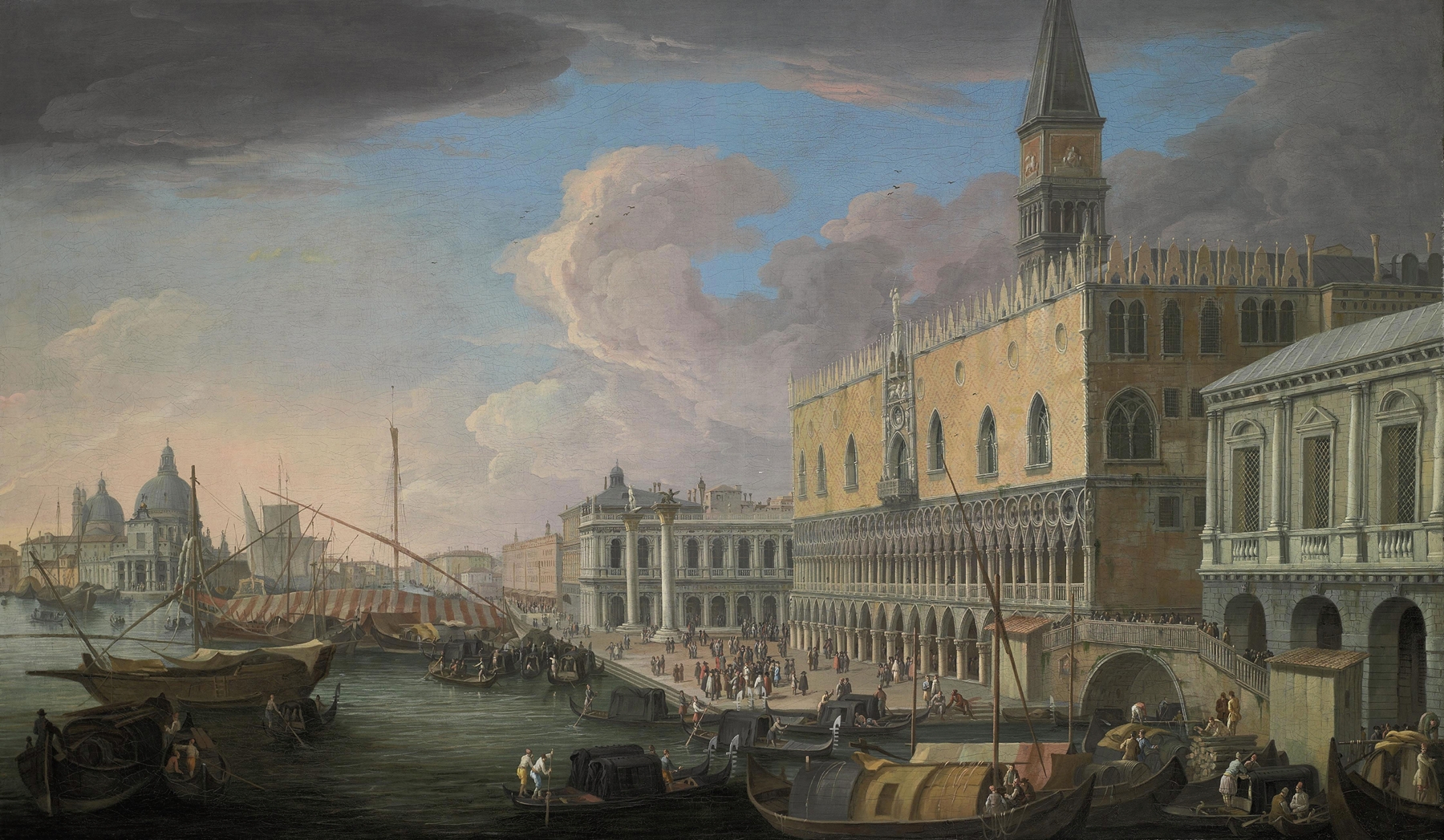
Where does light end, and longing begin? In the heart of Venice, time flows like the gentle ripples on the lagoon's surface, capturing moments that echo through eternity. Look to the left at the soaring campanile, its stature commanding attention and drawing the eye upward, while the vibrancy of the façade pulses with the breath of the city. Notice how the brilliant sunlight dances across the intricate details of the architecture, highlighting the delicate interplay between shadow and light.
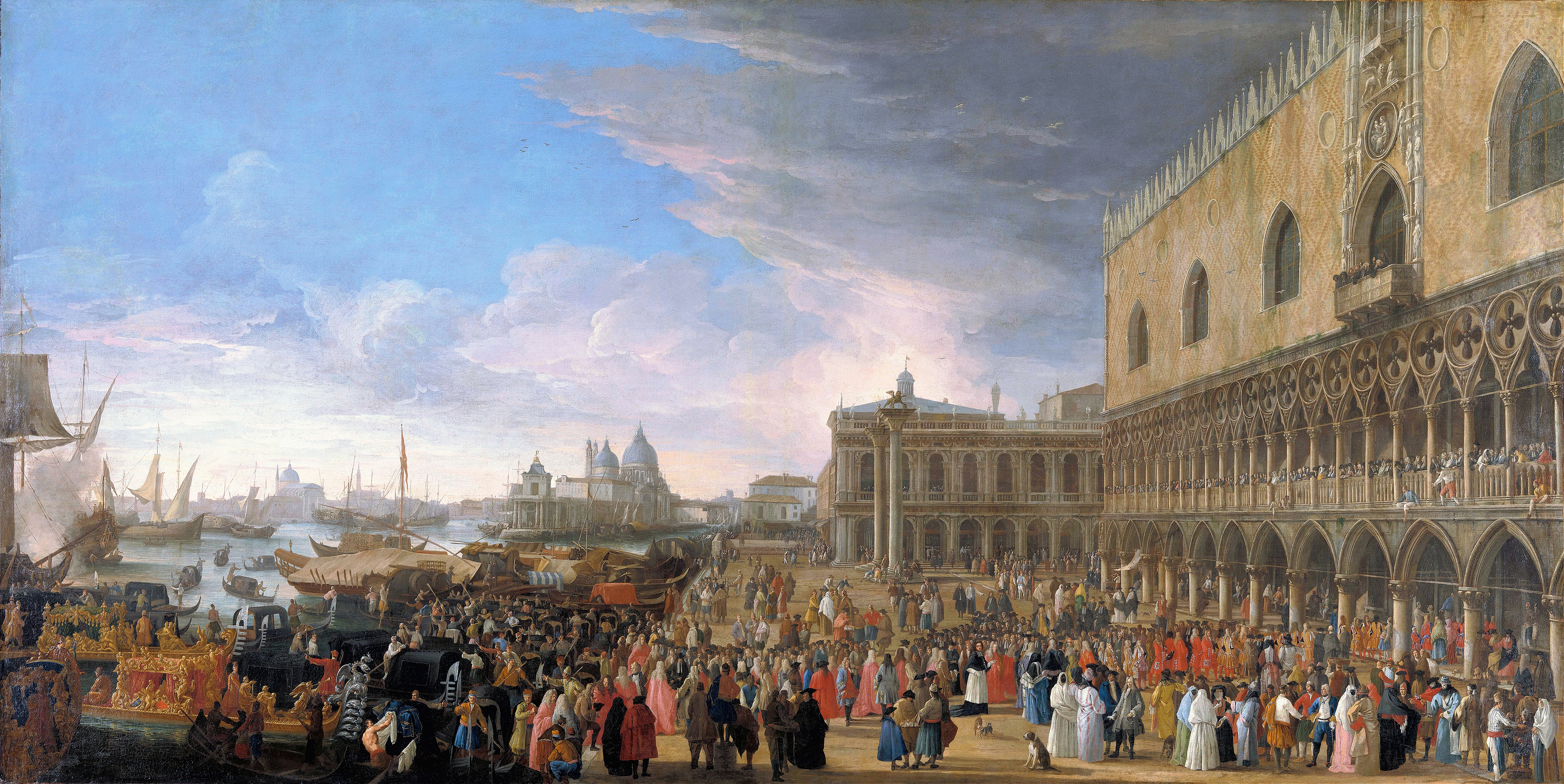
The palette of warm ochres and soft blues creates a harmonious contrast that invites the viewer to linger, while figures meander below, small yet vital, their presence a testament to the life teeming in this iconic piazza. The scene encapsulates a sense of transience, as the grandeur of the space collides with the everyday lives of its visitors. Each passerby, painted with subtle gestures and expressions, weaves an unspoken narrative of connection and separation.
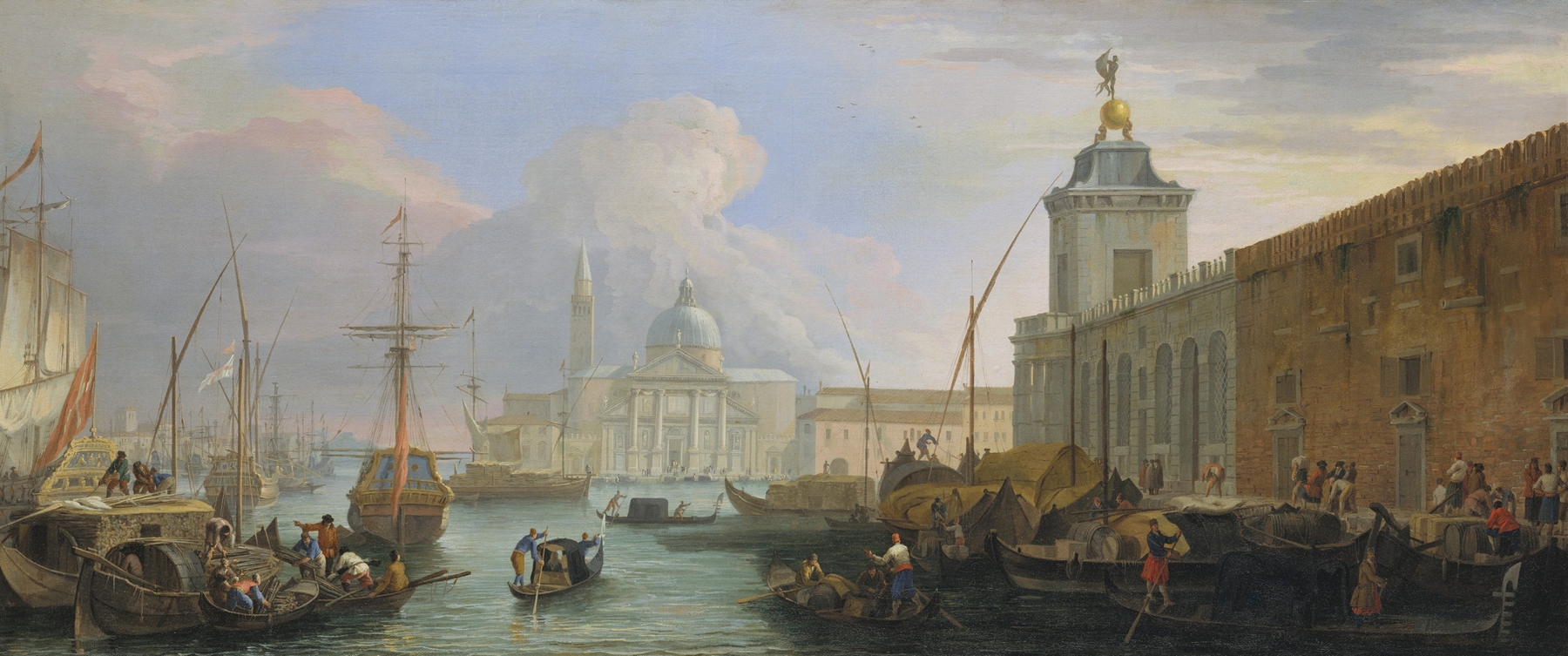
The towering architecture looms like a guardian of history, creating a poignant juxtaposition between the timelessness of the surroundings and the fleeting nature of human experience. Luca Carlevarijs captured Piazza San Marco in 1709 during a period of transformation for Venice, which was experiencing a blend of Baroque vibrancy and the echoes of its storied past. As an artist immersed in the bustling life of the lagoon city, he was influenced by the evolving art scene, incorporating new techniques and perspectives that would help define the Venetian view painting genre.