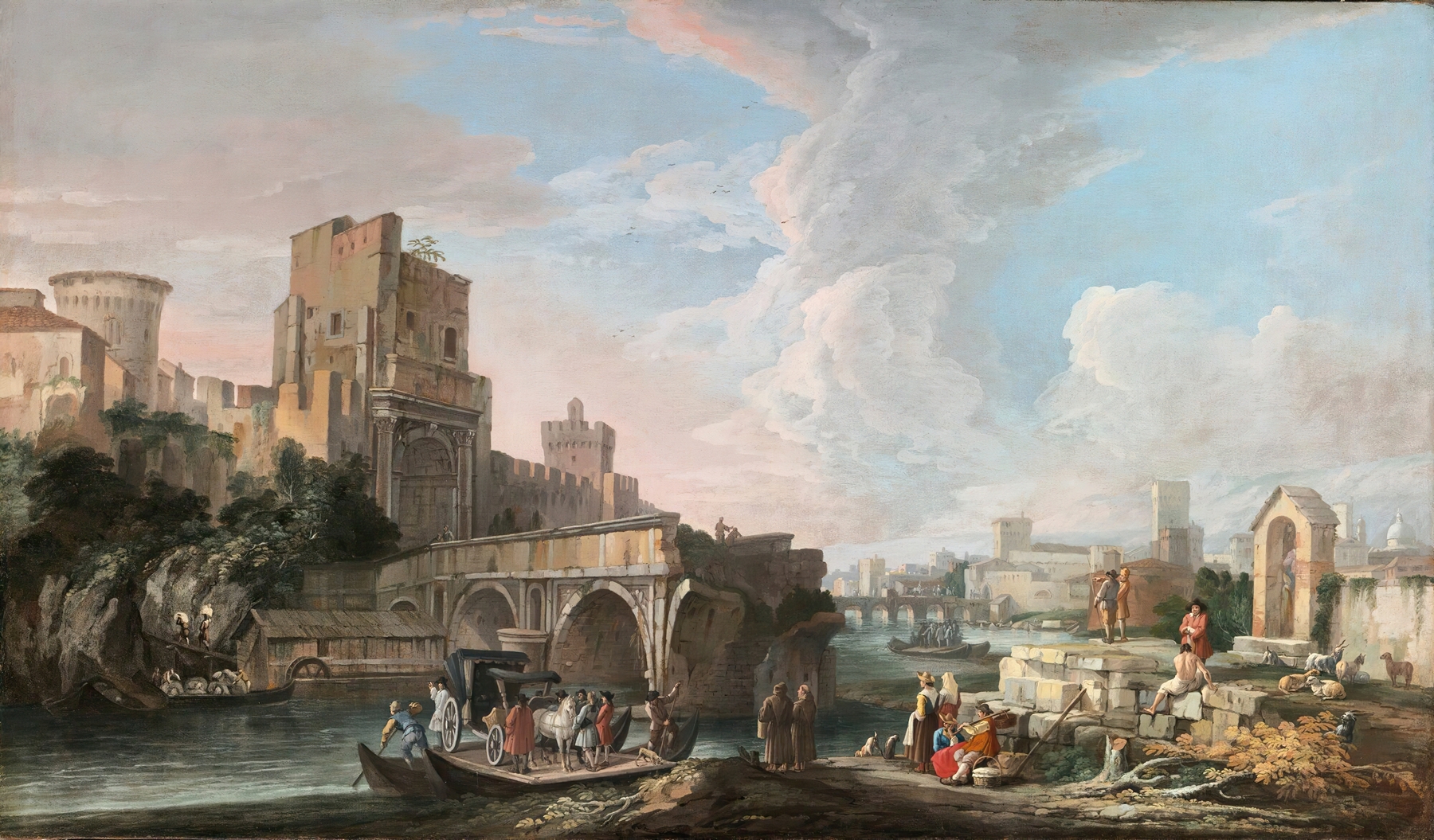
The Bacino, Venice, with the Dogana and a Distant View of the Isola di San Giorgio — History & Analysis
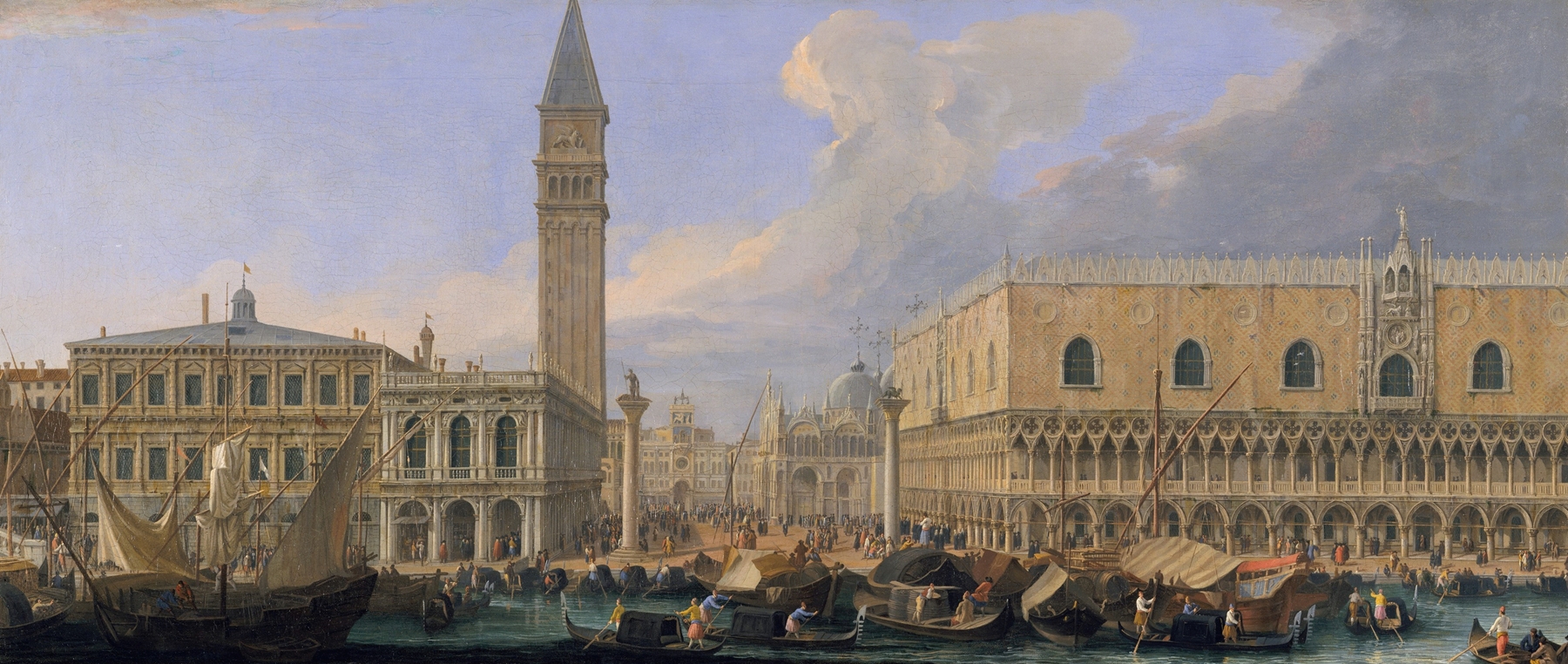
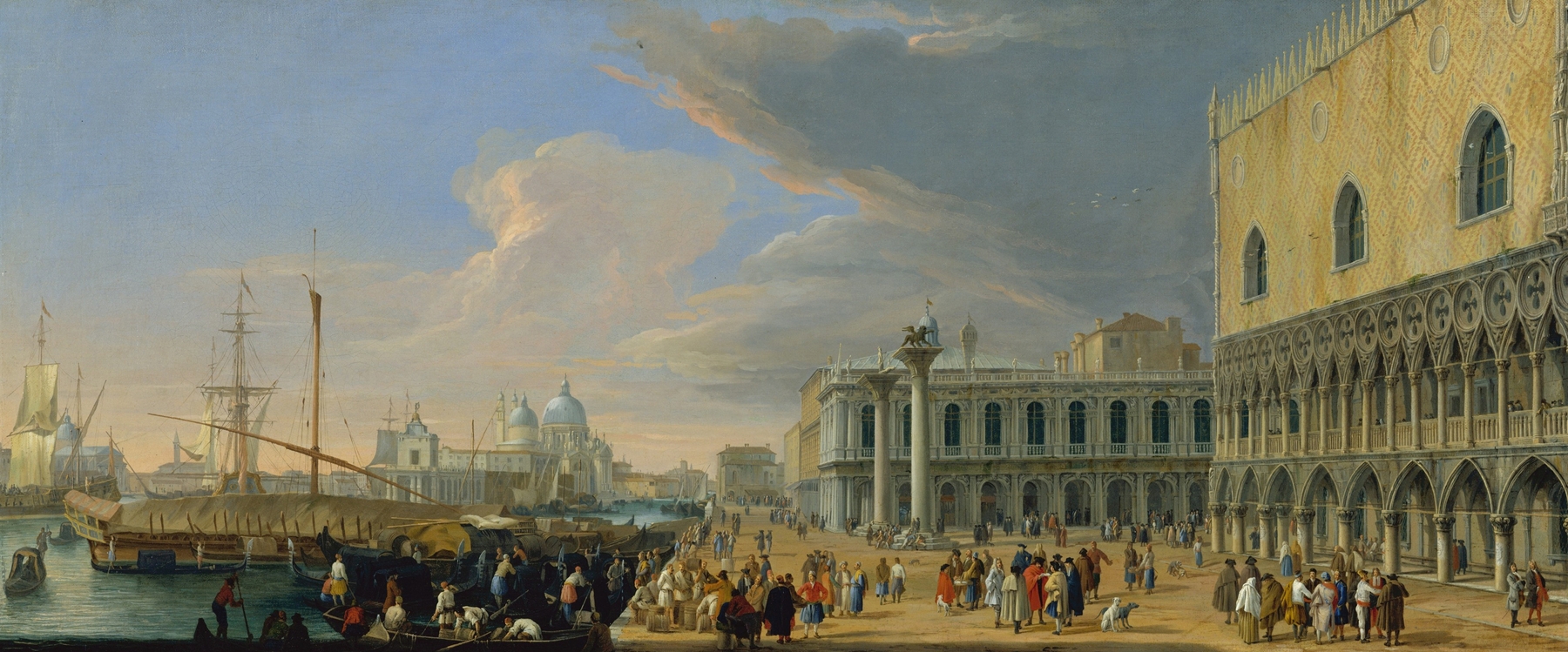
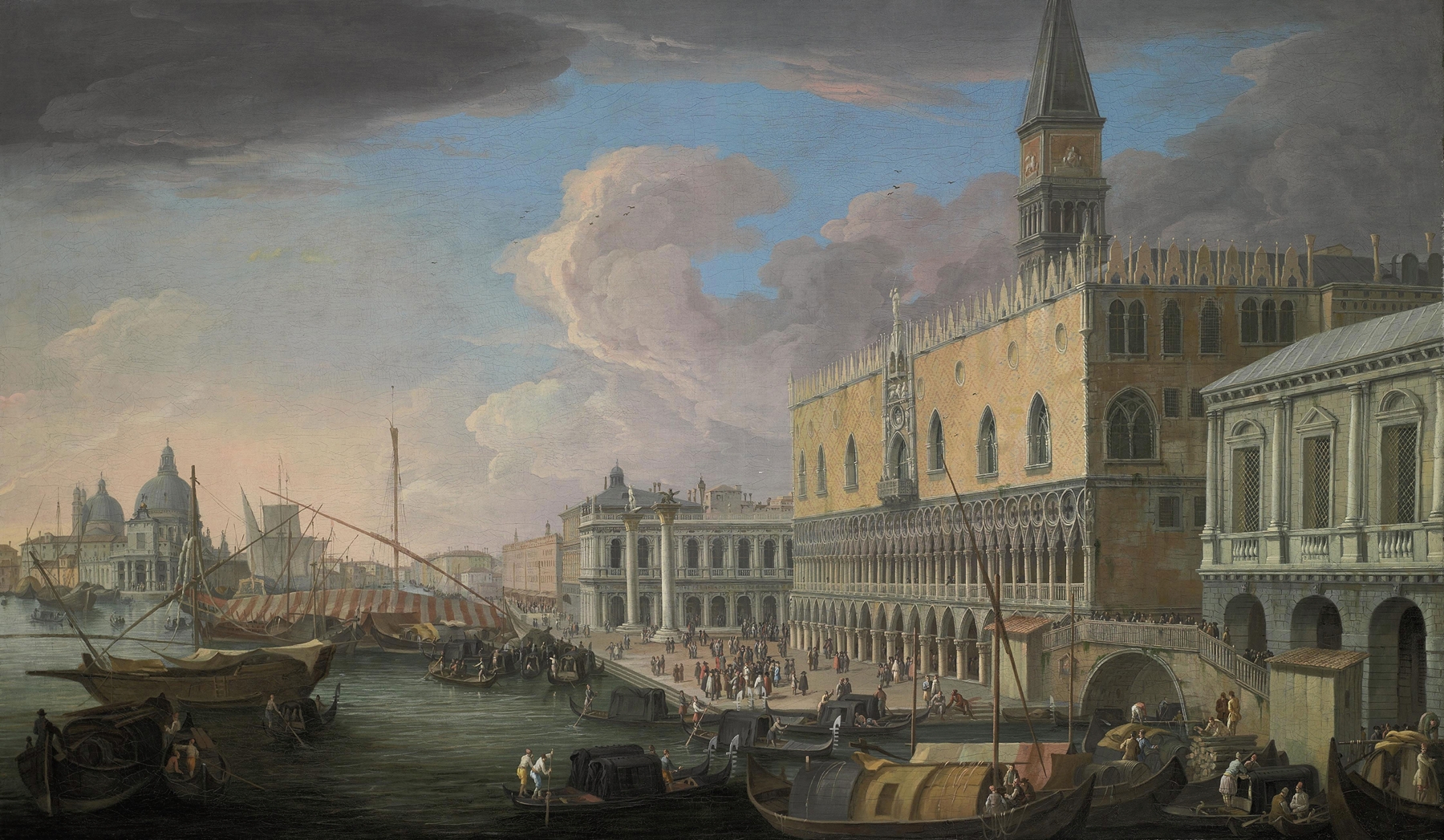
“Under the brush, chaos becomes grace.” In The Bacino, Venice, with the Dogana and a Distant View of the Isola di San Giorgio, balance emerges from the vibrant interplay of water and architecture against the stunning Venetian sky. Focus first on the shimmering surface of the water, where the gentle ripples reflect the colors of the bustling scene above. Notice how the light dances across the canal, illuminating the elegant vessels and the architectural majesty of the Dogana, a pivotal symbol of the city’s trade and history.
The painter employs a delicate palette, using soft blues and warm yellows to create a harmony that echoes the serenity of the moment, inviting the viewer to draw closer. Yet, beneath the surface tranquility lies a subtle tension. The juxtaposition of the grand Dogana against the distant Isola di San Giorgio speaks to the duality of progress and tradition, while the flotilla of boats hints at the ceaseless movement of life in the lagoon.
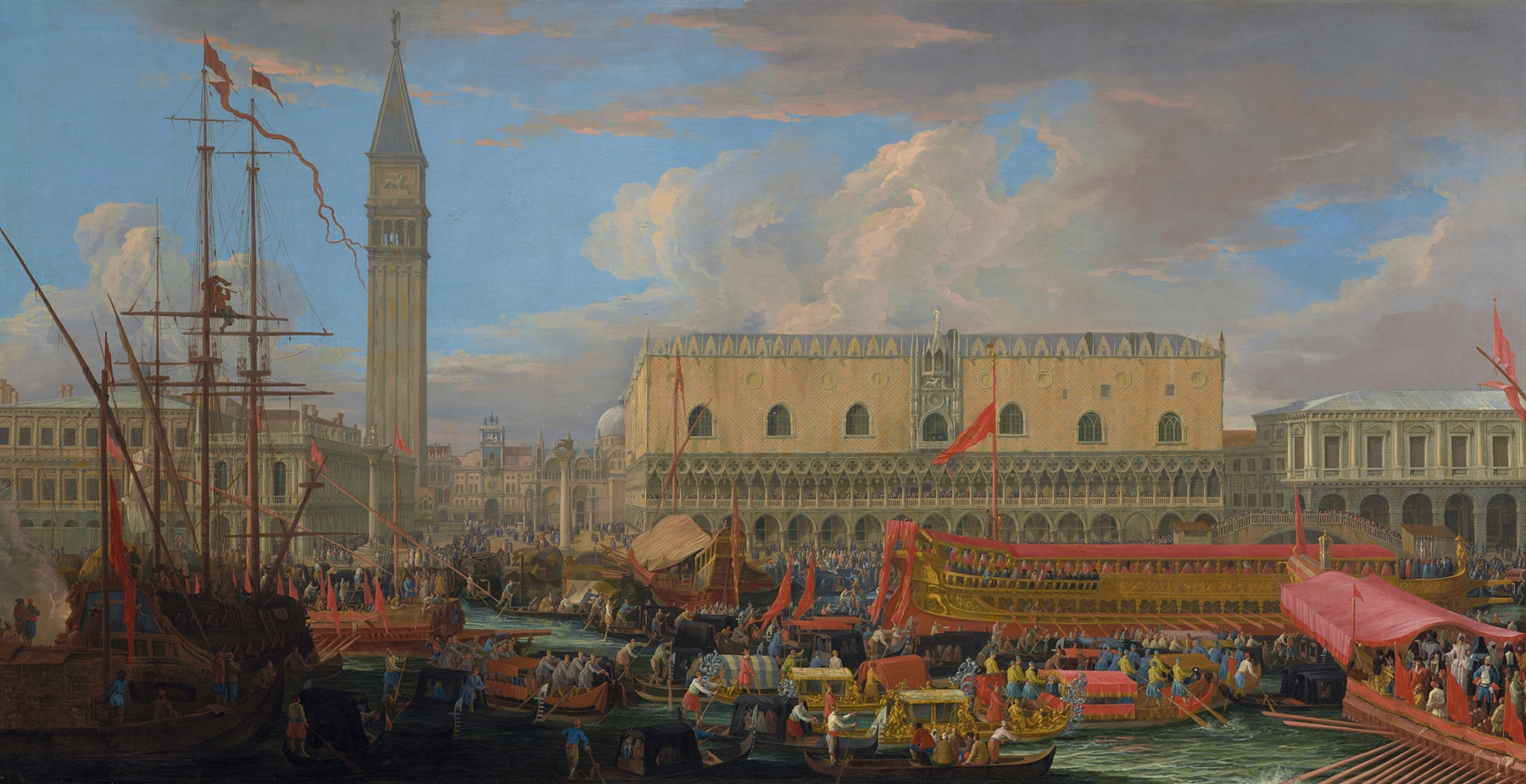
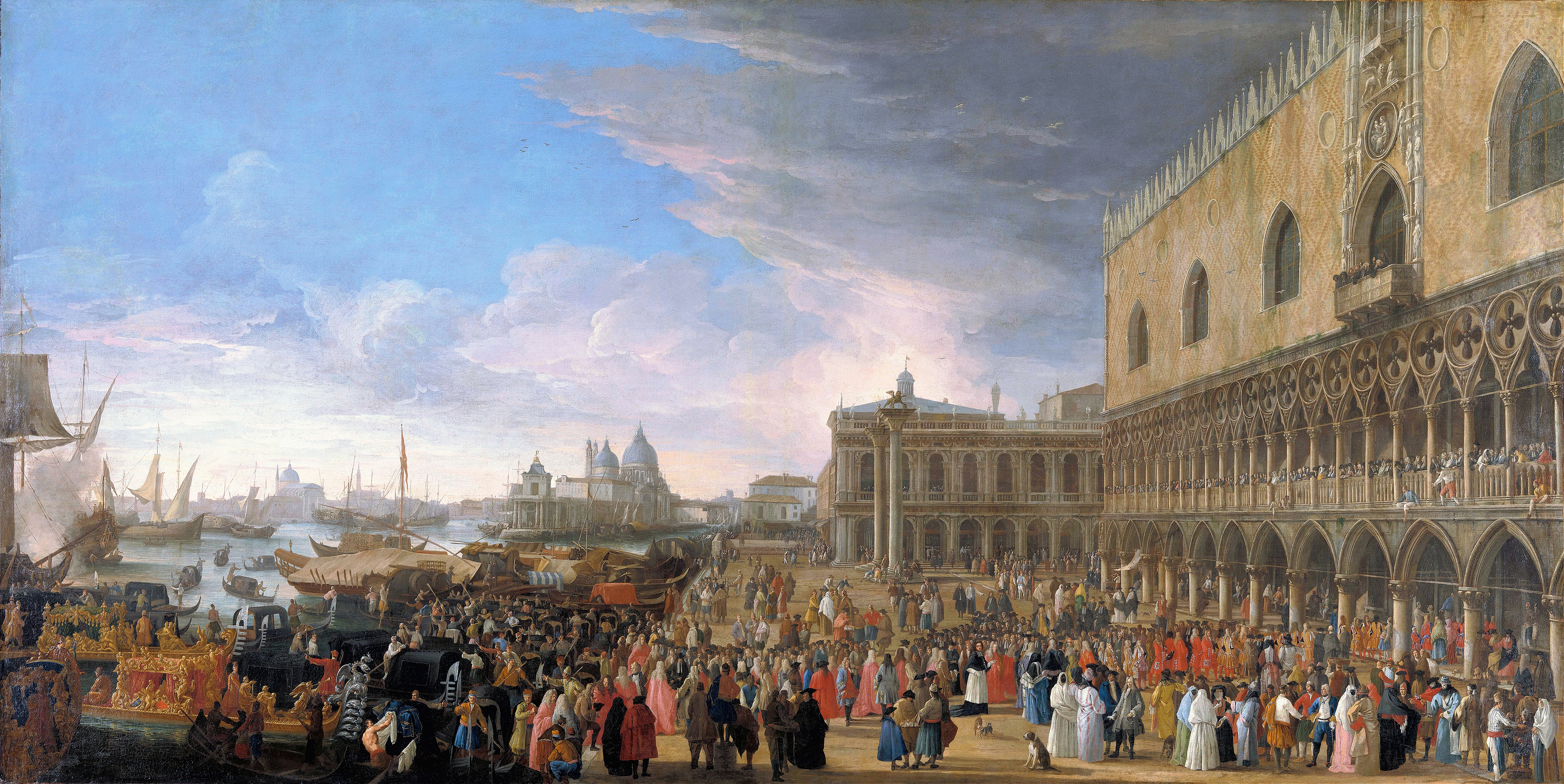
Elements of the composition engage in a delicate dialogue: the stillness of the architecture contrasts with the dynamic energy of the figures and ships, creating a rhythm that captures the essence of Venice itself. Luca Carlevarijs painted this scene in 1709 during a pivotal moment in his career, marking a shift toward the celebration of urban landscapes within the Venetian artistic milieu. At that time, Venice was flourishing as a center of commerce and culture, and Carlevarijs, having already established his reputation, reflected both the city’s vibrancy and his own evolving style, as he began to embrace the picturesque qualities of his homeland.