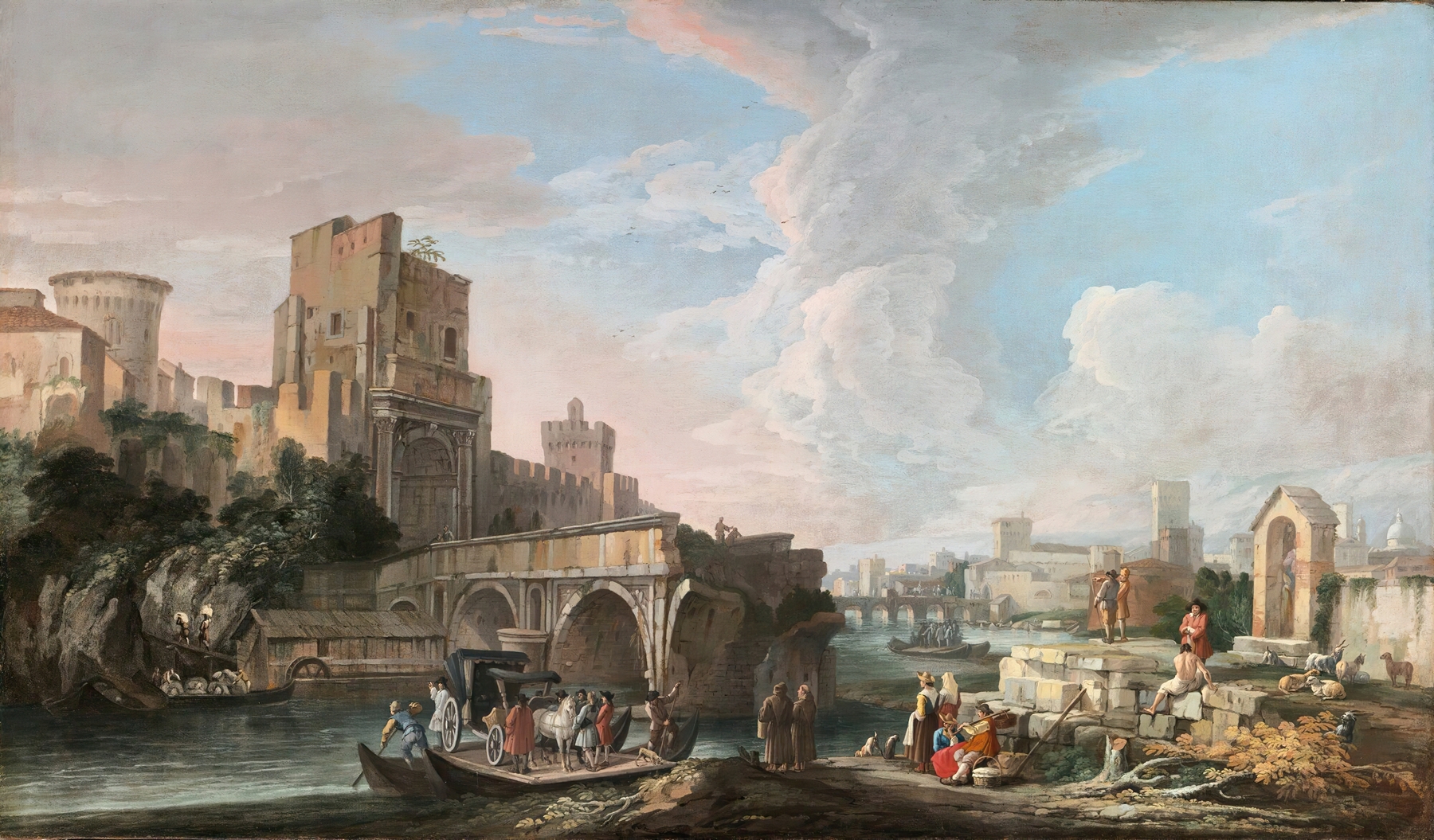
The Entry of the French Ambassador into Venice in 1706 — History & Analysis
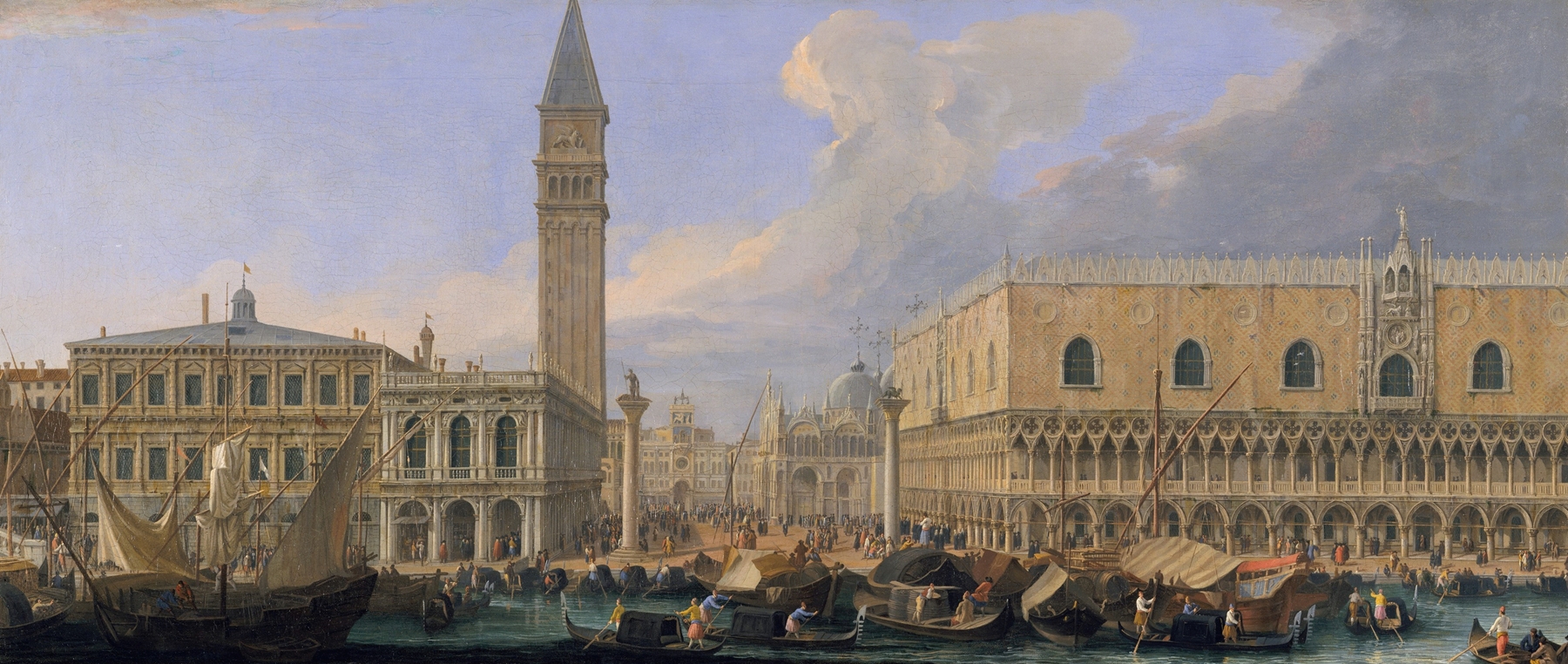
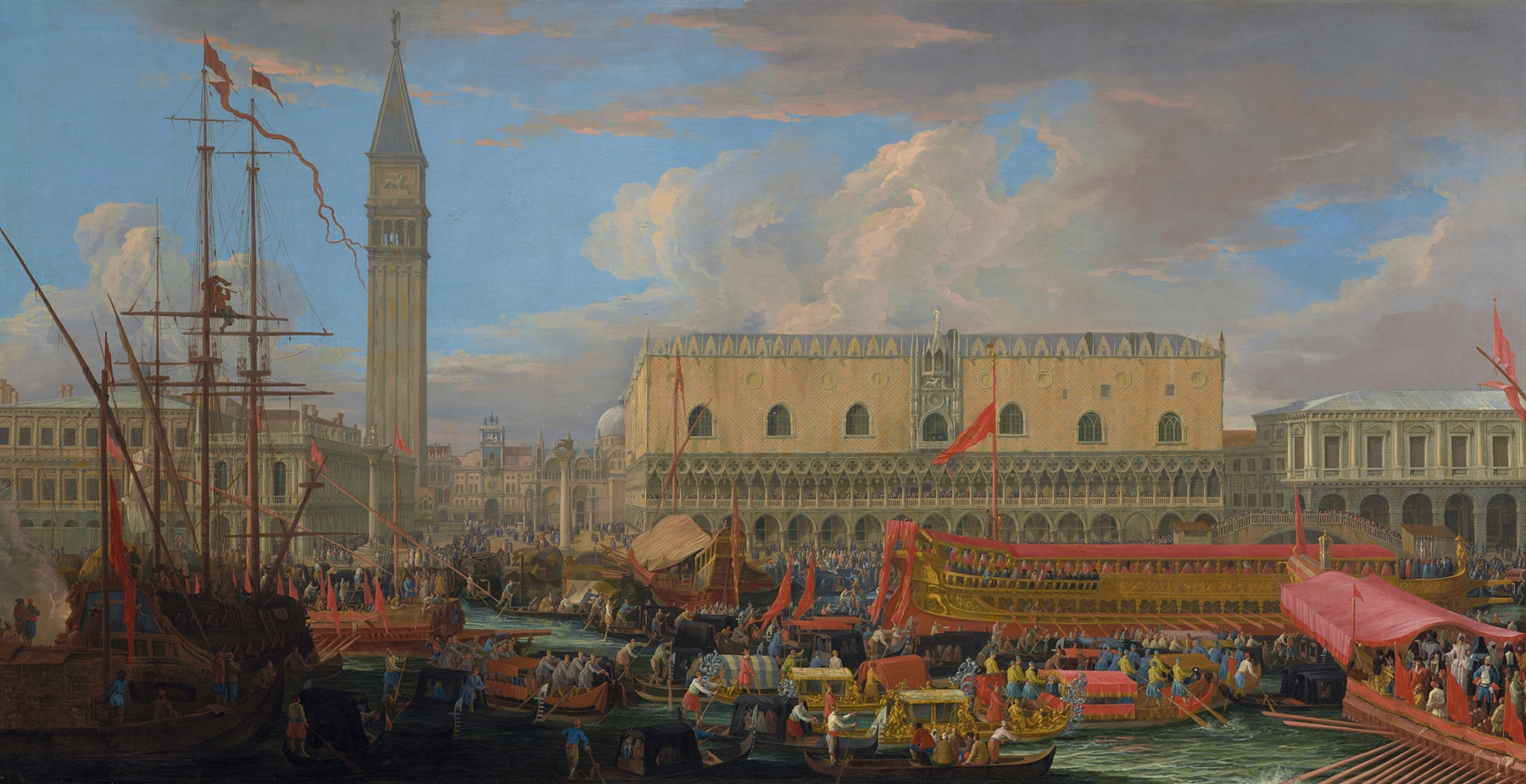
Could beauty survive in a century of chaos? In Luca Carlevarijs's The Entry of the French Ambassador into Venice in 1706, this question resonates deeply, inviting us into a dreamlike tableau where splendor and significance intertwine. Look to the right at the grandiose architecture framing the scene. The opulent buildings reflect the vibrancy of Venice, their warm hues harmoniously contrasting with the cool blues of the sky. Notice how the light dances across the water, creating a shimmering path for the ambassador’s procession.
Each detail is meticulously crafted, from the intricate costumes of the courtiers to the finery of the gondolas, drawing the viewer into the lavish spectacle of this historic moment. Yet beneath the surface, emotional tensions pulse like an unseen current. The jubilant faces of the citizens juxtapose with the solemnity of the ambassador’s role, hinting at the complex dynamics of power and diplomacy. The gentle ripples in the water mirror the ambivalence of this encounter, a celebration tinged with the weight of political maneuvering.
This moment, while radiant, is a reminder that beauty and intrigue often coexist in a precarious balance. This artwork emerged during a period of great transition for Carlevarijs, who painted it between 1706 and 1708 while based in Venice. At the time, the city was confronting the shifting tides of European politics, and art was becoming increasingly instrumental in articulating power and prestige. Carlevarijs was at the forefront of depicting Venetian life, capturing not just the aesthetics but also the pulse of an era caught between the allure of beauty and the chaos that could so easily consume it.