Stirling Castle, No. 2 — History & Analysis
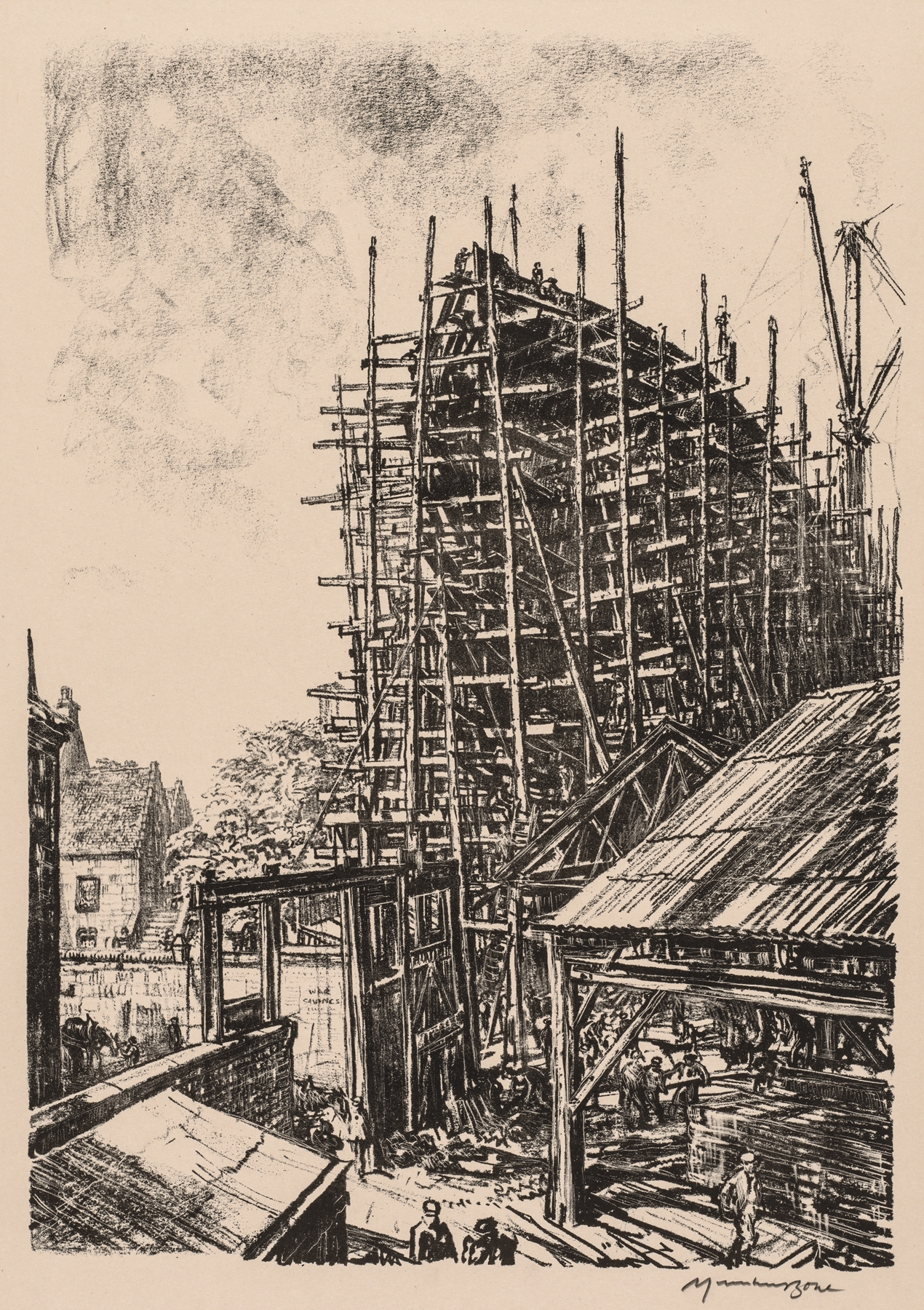
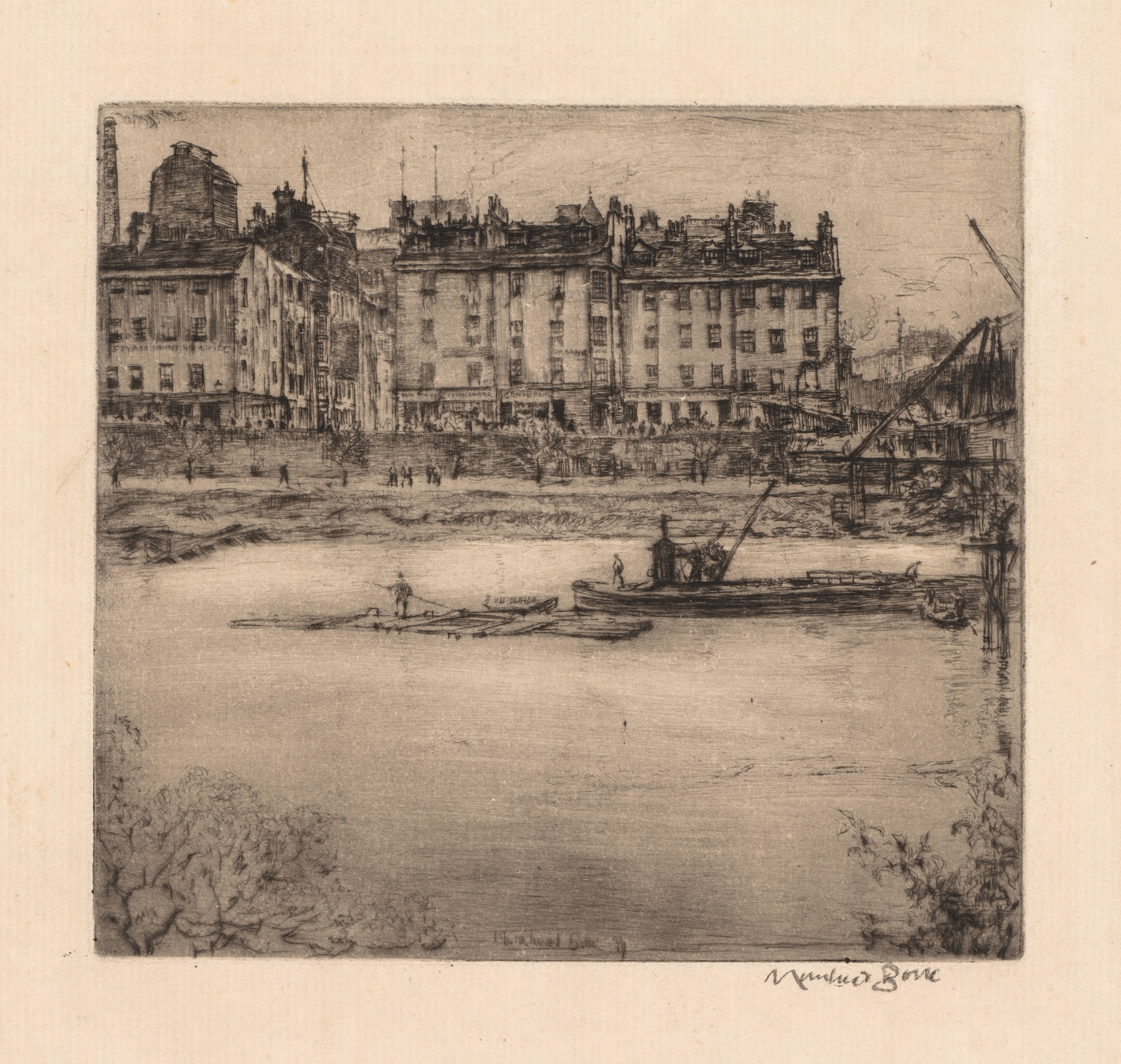
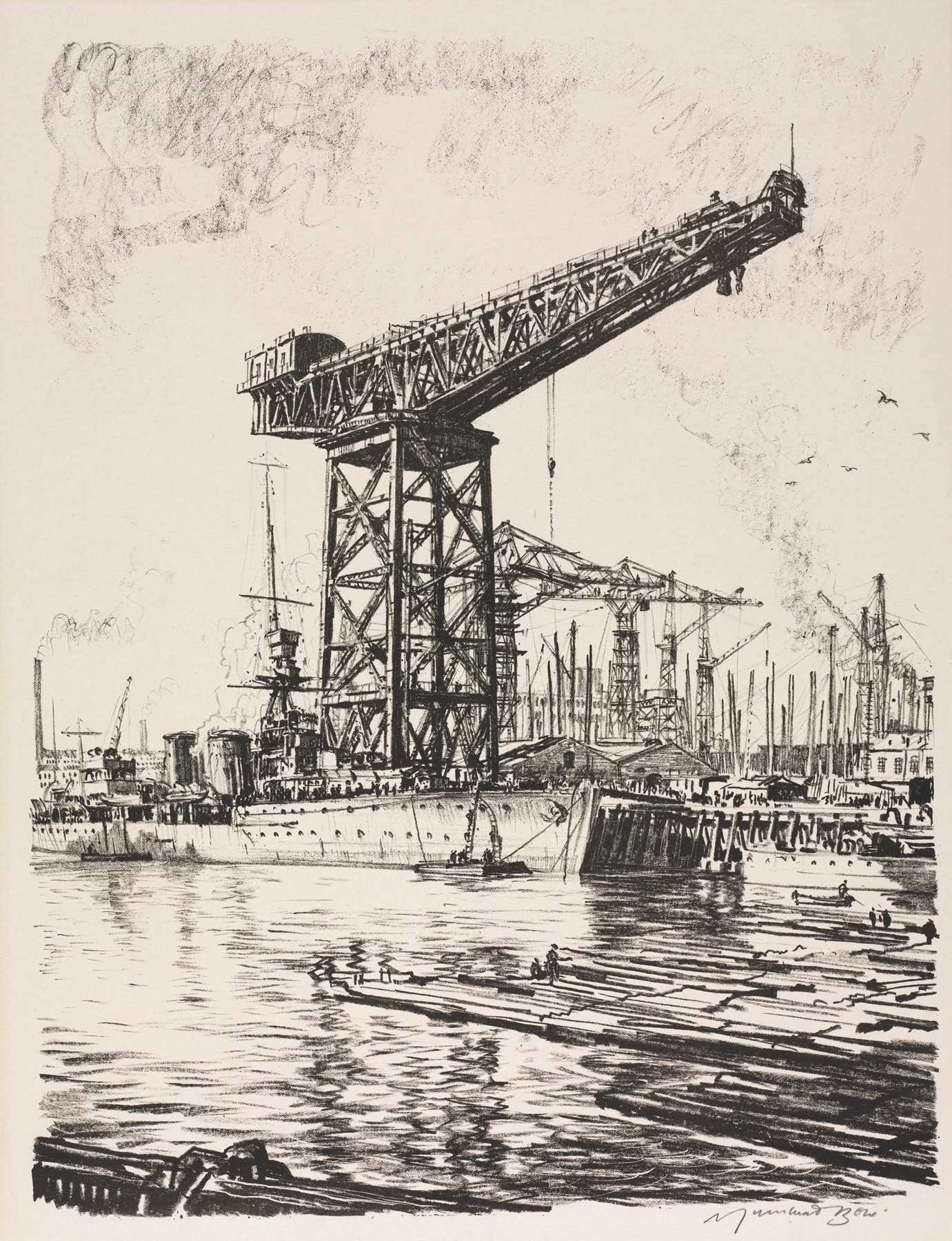
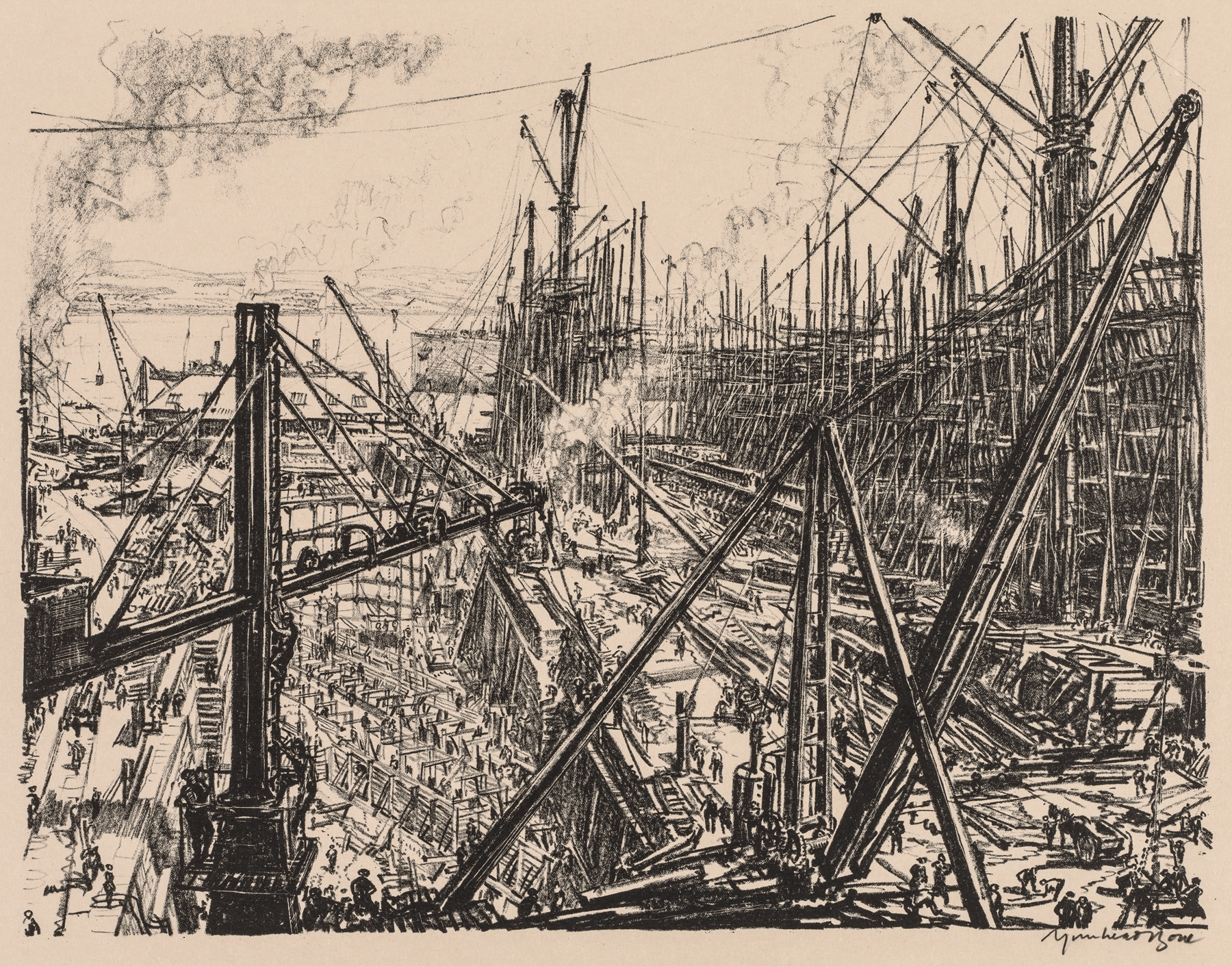
Is this a mirror — or a memory? The haunting presence of Stirling Castle lingers on the canvas, a testament to the artist's obsession with the landscapes that define our past and present. Look closely at the bold strokes that shape the imposing silhouette of the castle, nestled among the undulating hills. The artist uses a palette of muted greys and deep blues, allowing the surrounding nature to envelop the structure in a melancholic embrace.
Notice how the light dances across the stone, illuminating its hard edges while casting shadows that hint at the secrets held within its walls. Delve deeper into the interplay between the castle and its environment, where time seems suspended. The restless clouds, swirling above, seem to echo the tumultuous history of the fortress. There is a tension in the juxtaposition of the sturdy stone and the fleeting sky, reflecting the artist's exploration of permanence versus ephemerality, obsession versus reality.
Each brushstroke speaks to a longing for connection, as if every layer of paint is a step closer to understanding an elusive ideal. Muirhead Bone painted this work in 1909 while living in Scotland, during a period that saw a growing interest in landscape art among British artists. The early 20th century was marked by a shift toward modernism, yet Bone’s dedication to realistic depictions embraced the romantic qualities of the past. His mastery of lithography and drawing found new expression in this evocative piece, capturing not just a locale but an enduring fascination with heritage and memory.