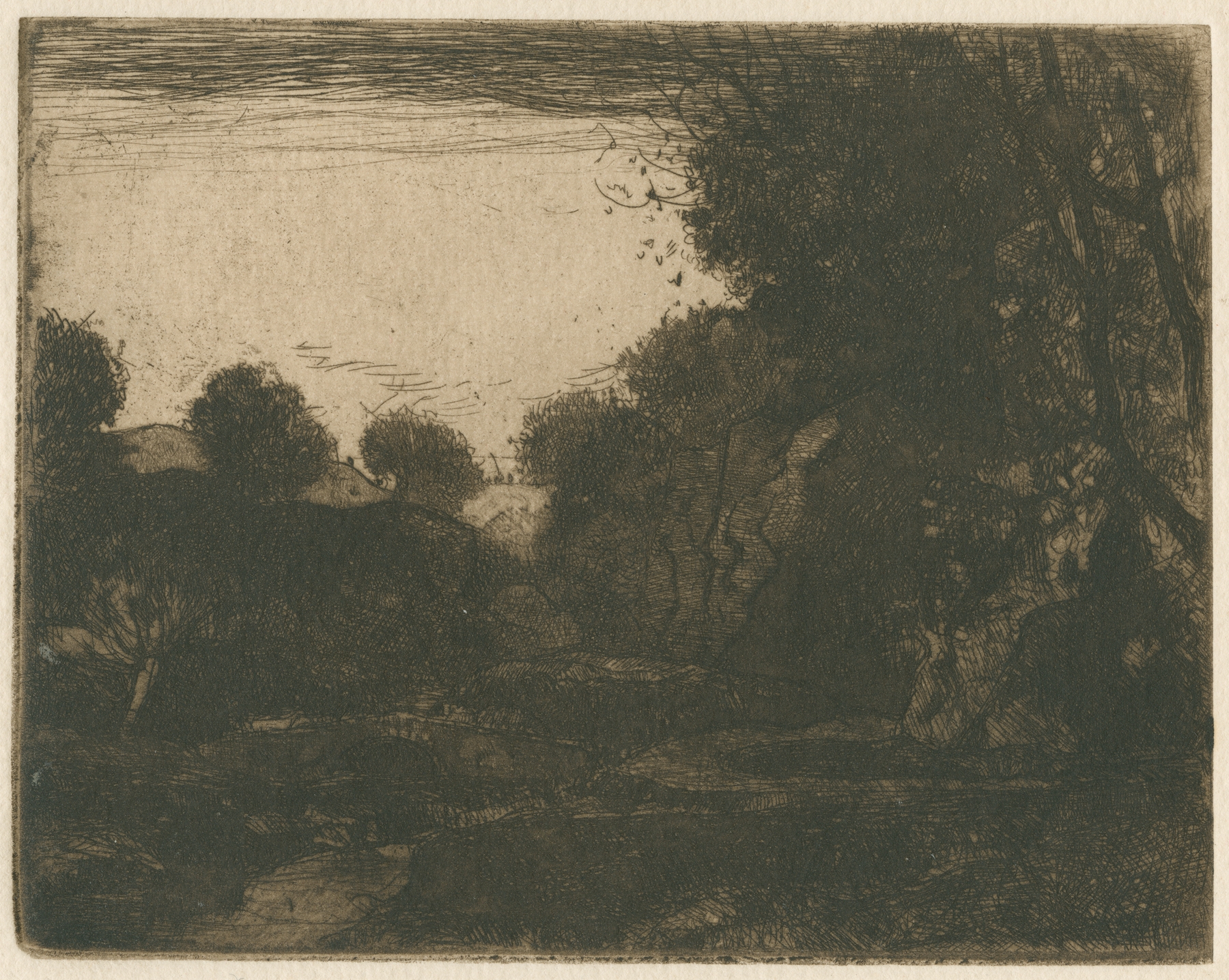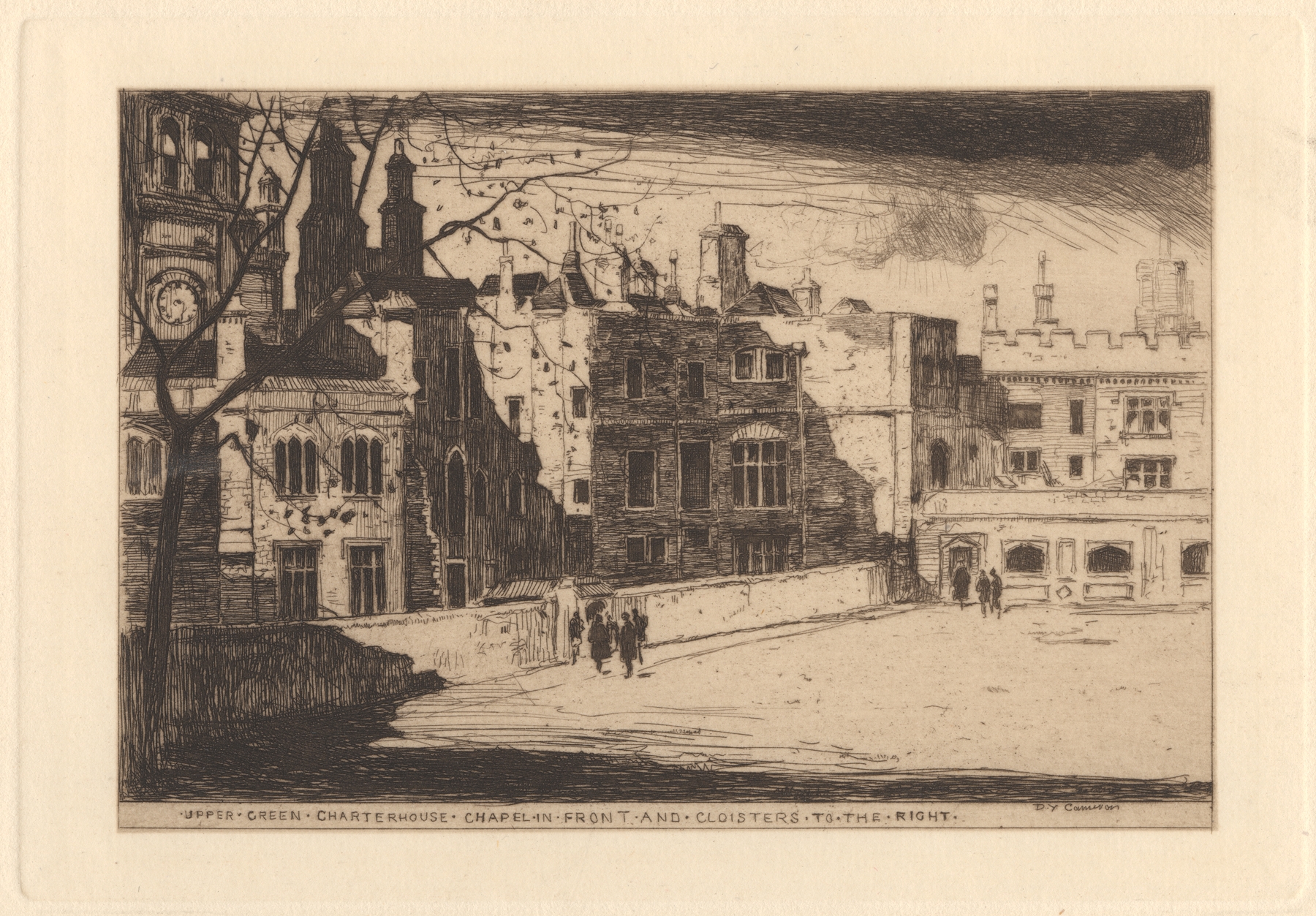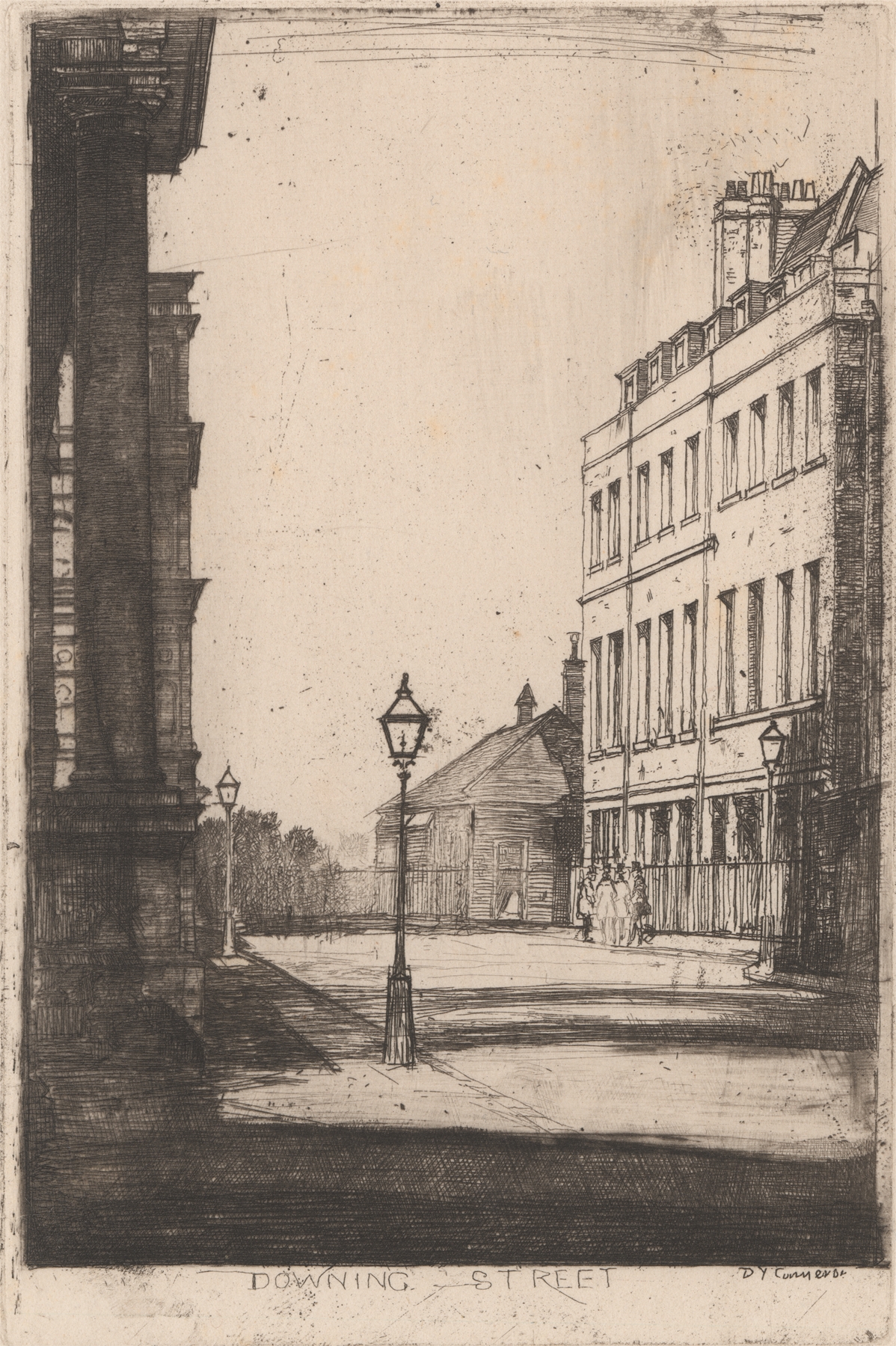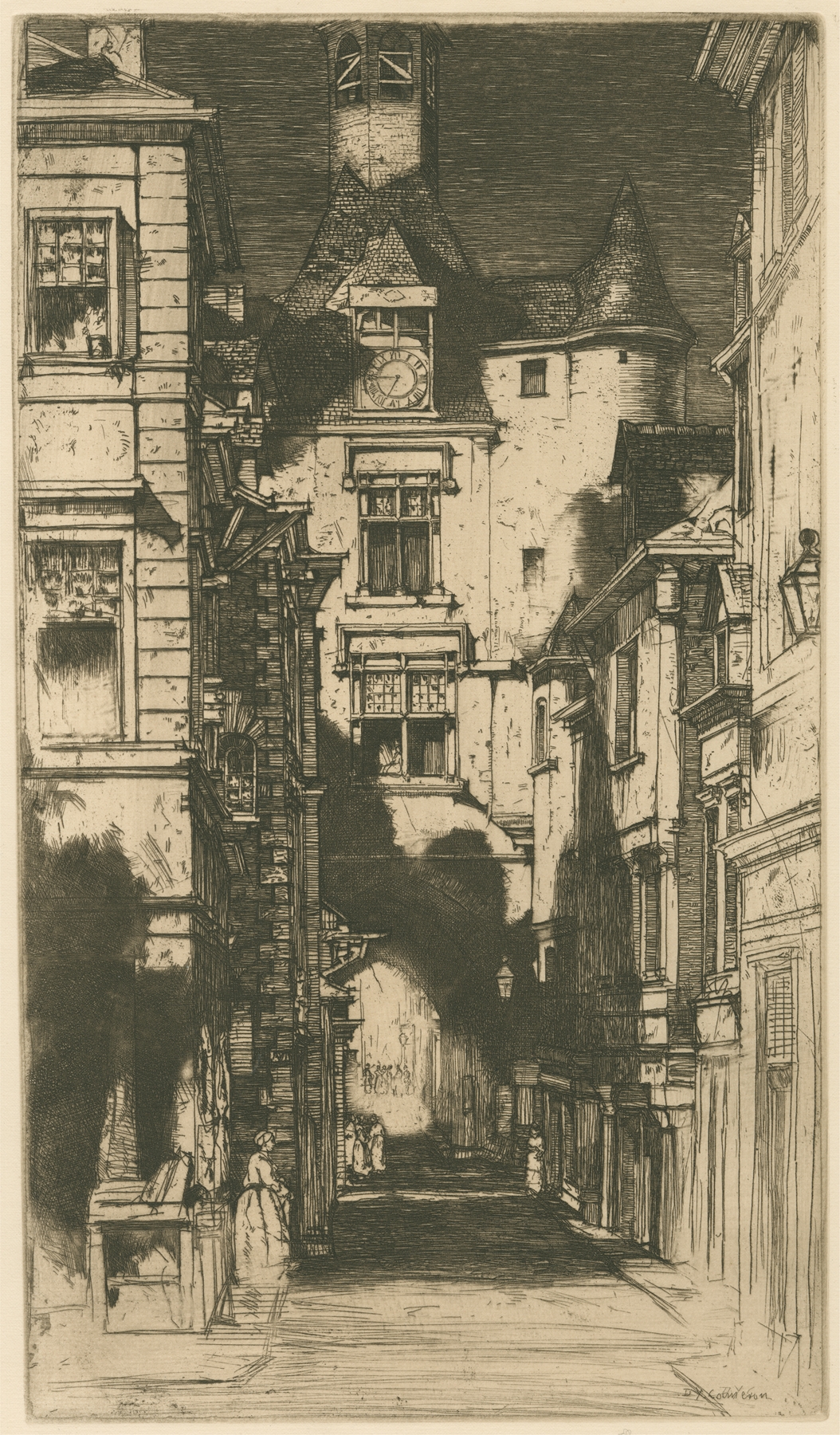
When did color learn to lie? Beneath the vibrant strokes of paint, a deeper truth of faith stirs, revealing both comfort and disquiet. Look to the center of the canvas where the gentle sweep of the landscape guides your gaze. The rolling hills merge with delicate hues of green and gold, while the sky above unfurls in soft lavender and cerulean, reminiscent of twilight’s embrace. Notice how the light dances across the fields, casting long shadows that stretch like whispers of hope. The composition draws you in, inviting a serene contemplation, yet reverberating with an undercurrent of tension found in the juxtaposition of the idyllic scene and the potential for change. In the intimate interplay of color and form lies a discourse on faith and the natural world. The rich, textured brushwork embodies the juxtaposition of solidity and fragility, suggesting that even the most tranquil landscapes are subject to the ebbs and flows of existence. The hidden contours of the hills echo the struggles of belief, while the luminous sky teeters on the brink of dusk, symbolizing both an ending and a promise of renewal. In 1906, David Young Cameron was in the midst of establishing his reputation as a landscape painter, with a focus on capturing the Scottish scenery. Living in the era of post-Impressionism, he sought to blend natural beauty with emotional depth, reflecting the complexities of his own experiences and the world around him. This period marked a transition for many artists, as they explored new techniques that conveyed not just what they saw, but what they felt.